Florida State Welcomes Its Class of 2030 as Fall Semester Opens in Tallahassee
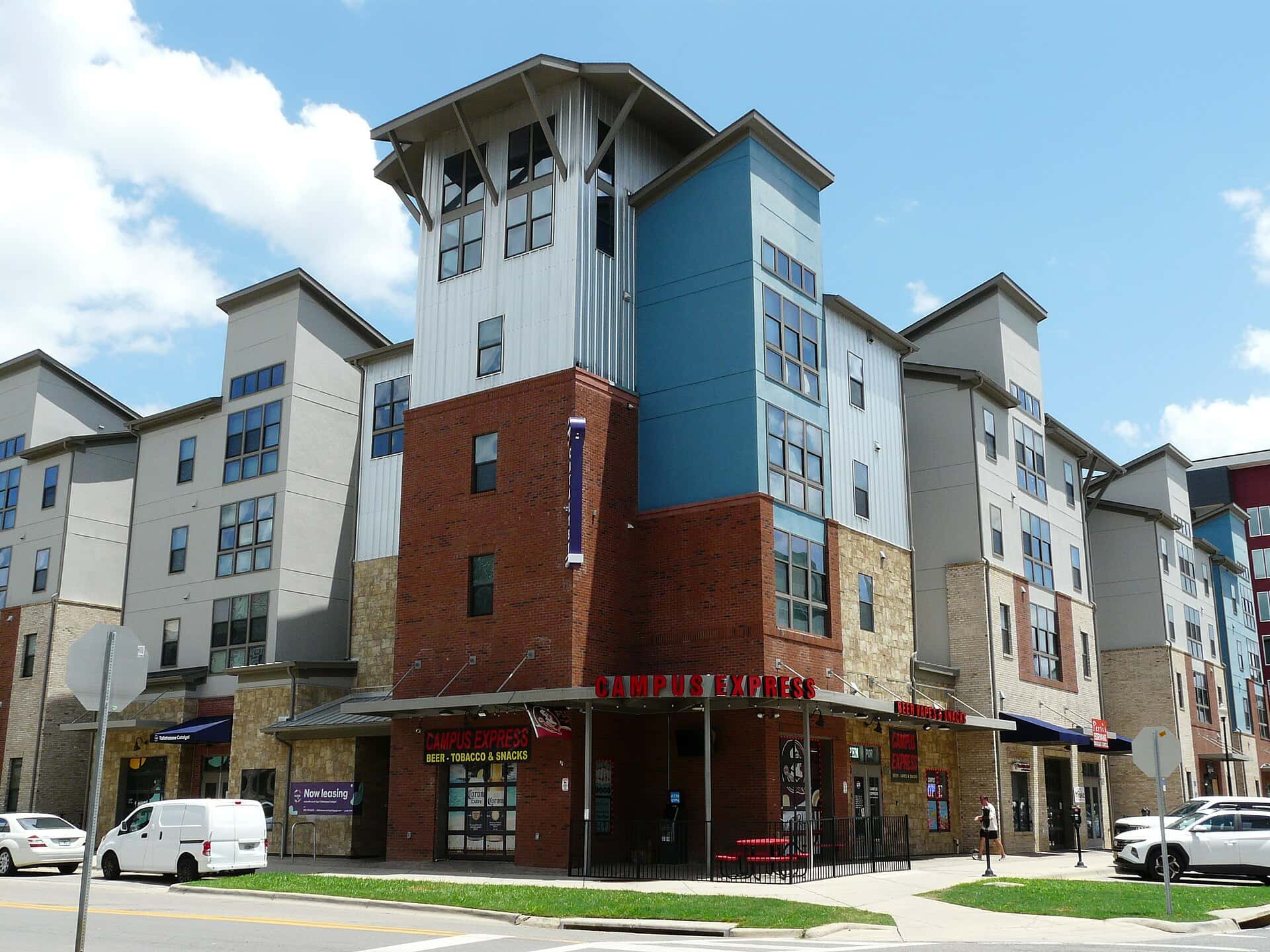
Nearly 6,000 first-year students are joining Florida State University as the fall semester opens in Tallahassee, the university announced this week, with classes beginning Monday, August 24. The incoming Class of 2030 arrives during the institution's 175th anniversary year, and university officials have framed the moment around a five-year run of records in student success metrics, research activity and enrollment.
The scale of the arrival is substantial for a city the size of Tallahassee. FSU reported about 6,300 students living in its 18 on-campus residence hall complexes, including roughly 4,550 first-year students, and graduate programs enrolled approximately 3,200 new students this fall, bringing total graduate enrollment to nearly 11,000.
What the enrollment numbers show
The first-year class size and the residence hall occupancy figures describe an institution operating near the limits of its on-campus housing capacity. FSU housing about 4,550 first-year students on campus means the large majority of the incoming class lives in university facilities, which is the model most selective public flagships use to support first-year retention.
Graduate enrollment approaching 11,000 is the number that speaks to research capacity. Doctoral and master's students staff laboratories, teach undergraduate sections and generate the publication output that determines an institution's research classification and its competitiveness for federal grant funding.
FSU President Richard McCullough said the university has never had more momentum, citing records set in each of the last five years across student success, research and community impact measures.
The 175th anniversary frame
Florida State traces its institutional lineage to 1851, which makes it among the oldest continuously operating institutions of higher education in the state. The anniversary provides a communications frame for the academic year, but the more relevant context for prospective students and Florida families is where the institution sits in the state university system's competitive landscape.
Florida's public universities have been in a period of leadership turnover. The University of Florida completed a contested presidential search this year, with the Board of Governors approving Stuart Bell, formerly president of the University of Alabama, as UF's fourteenth president after the Board of Trustees selected him. FSU's board voted to retain McCullough amid that broader turnover.
Leadership stability matters more than it might appear. University presidents drive fundraising campaigns, faculty recruitment and the multi-year research investments that determine institutional trajectory. Turnover interrupts all three.
What it means for Florida families
Florida's public university system remains one of the least expensive in the country for in-state students, a position sustained by legislative appropriations, the Bright Futures scholarship program funded by the Florida Lottery, and Florida Prepaid tuition plans that lock rates at time of purchase.
That affordability has consequences for admissions competitiveness. When in-state tuition remains low and the state's population grows, application volume at the flagship institutions rises faster than seat capacity, and admitted student profiles strengthen year over year. Families with students in Florida high schools should treat the state's top public universities as genuinely selective rather than as guaranteed fallbacks.
The practical planning implications run several years ahead. Bright Futures eligibility depends on standardized test scores, grade point average and community service hours accumulated across high school. Florida Prepaid enrollment periods and pricing depend on the age of the beneficiary at purchase.
The Tallahassee economy
The return of tens of thousands of students reshapes the local economy every August. Tallahassee's population includes the combined enrollments of Florida State, Florida A&M University and Tallahassee State College, and the seasonal swing in retail, food service, housing and transportation demand is among the most pronounced of any Florida metropolitan area.
Rental housing in the neighborhoods surrounding both campuses turns over almost entirely in a compressed window. Traffic patterns on Tennessee Street, Pensacola Street and the Gaines Street corridor shift materially. Local hiring in food service and retail peaks.
Home football weekends add another layer. Doak Campbell Stadium seats a crowd larger than most Florida cities, and the hotel, restaurant and short-term rental demand generated by six or seven home dates represents a meaningful share of annual revenue for a substantial number of Tallahassee businesses.
Local impact across the state
FSU draws students from all 67 Florida counties, and the institution's enrollment decisions ripple back into local school district college advising. High schools in Miami-Dade, Broward, Hillsborough, Orange and Duval send the largest cohorts, and counselors in those districts track flagship admission rates closely when advising students on application strategy.
The university's research footprint extends beyond Tallahassee. The National High Magnetic Field Laboratory, operated with the University of Florida and Los Alamos National Laboratory, anchors a research cluster that draws visiting scientists to the region. FSU Health's expansion connects the institution to clinical partners across the state.
Alumni networks concentrated in Tampa Bay, Jacksonville, Orlando and South Florida form a substantial share of the state's professional and political class, which gives the institution influence in Tallahassee policymaking that extends well past its own budget requests.
Florida's university system in transition
Florida operates 12 public universities under the State University System, governed by a Board of Governors with each institution also having its own board of trustees. Appointments to both bodies come substantially through the governor and the Board of Governors, which gives the executive branch significant influence over institutional direction.
The system has been through an extended period of leadership turnover. The University of Florida completed a search this year that concluded with the Board of Governors approving Stuart Bell, previously president of the University of Alabama and a former president of the Southeastern Conference, as UF's fourteenth president. That approval followed a process that drew public disagreement over Bell's record.
New College of Florida underwent a governance overhaul earlier in the decade that reshaped its board, curriculum and enrollment profile. Florida Atlantic University and other institutions have cycled through their own leadership changes.
Against that backdrop, FSU's board voted to retain McCullough, and enrollment and research momentum have continued through a period when peer institutions have been managing transitions.
What research capacity means
Research classification determines an institution's access to federal grant funding, its ability to recruit faculty, and its standing in the rankings that influence student application decisions.
Federal research funding flows primarily through the National Institutes of Health, the National Science Foundation, the Department of Defense, the Department of Energy and NASA. Institutions compete for those awards on the strength of their faculty, their facilities and their track record.
Florida's public universities have collectively increased research expenditure over the past decade, and the state has invested in programs designed to recruit faculty in targeted fields. The National High Magnetic Field Laboratory, operated in Tallahassee with the University of Florida and Los Alamos National Laboratory, is among the more distinctive research assets in the system.
Graduate enrollment is the workforce underlying that research. FSU's roughly 3,200 new graduate students this fall, bringing total graduate enrollment to nearly 11,000, represent the laboratory staffing and teaching capacity that research output depends on.
The affordability equation for Florida students
Florida's combination of low in-state tuition, the Bright Futures scholarship program and Florida Prepaid tuition plans produces one of the most favorable cost structures for in-state students in the country.
Bright Futures, funded through Florida Lottery proceeds, awards at multiple levels based on academic performance, standardized test scores and community service hours. The top award tier covers full tuition and fees at public institutions plus a stipend.
Florida Prepaid allows families to lock tuition rates at the price prevailing when the plan is purchased, which transfers the risk of future tuition increases from the family to the program. Plans purchased when a child is young cost substantially less than those purchased later.
The practical consequence is that Florida families who plan early can send a student to a public flagship at a fraction of what comparable institutions cost in other states. The planning has to begin well before the senior year of high school, since both Bright Futures eligibility and Prepaid pricing depend on decisions made years earlier.
Room, board, books and fees remain out-of-pocket costs regardless of tuition coverage, and those have risen with general inflation.
What the fall semester holds
The academic calendar ahead includes the milestones that shape a first-year student's trajectory, and families supporting a new college student can anticipate them.
The add and drop period in the opening weeks determines final course schedules, and decisions made then affect degree progress and financial aid status. Credit hour thresholds govern full-time enrollment classification, which in turn affects scholarship eligibility including Bright Futures.
Midterm assessments arrive in October and provide the first substantive academic feedback. Students struggling at that point have time to use tutoring, supplemental instruction and academic advising resources that most institutions provide at no additional cost.
Spring registration opens in November, and course availability rewards students who have planned their degree path with an advisor rather than selecting courses independently.
Final examinations close the term in December, and grade point averages calculated then establish scholarship renewal status for the following year.
Housing assignments, meal plan selections and parking registration all operate on district deadlines that fall early in the term, and students who miss them face limited remaining options.
What's next
Classes began Monday, August 24. The fall semester runs through December, with the academic calendar structured around a fall break, Thanksgiving recess and final examinations.
The football season opens the same week, with Florida State scheduled to host New Mexico State on Saturday, August 29, at Doak Campbell Stadium. The Seminoles face Virginia, Louisville and Miami in consecutive weeks later in the schedule, a stretch that will largely determine the season's trajectory.
The Florida Board of Governors will continue to review system-wide performance metrics through the fall, and institutional performance funding allocations for the state's public universities are set through that process.
Spotted an issue with this article?
Have something to say about this story?
Write us a letterComments
No comments yet. Be the first to weigh in.
Related Coverage
Lt. Gov. Jay Collins Says Florida Will Cover School Funding Lost as Immigration Crackdown Shrinks Enrollment
2h ago
Broward School Board Weighs Next Round of Closures as Empty Seats Reach 61,000
3h ago

Boy dies after 120-pound display board falls on him at Palm Bay's Riviera Elementary
1d ago
Pinellas pulls Sexton Elementary from closure list as six schools face Oct. 13 vote
1d ago