Florida Students Post Gains on 2026 FAST Exams as Reading and Math Scores Climb
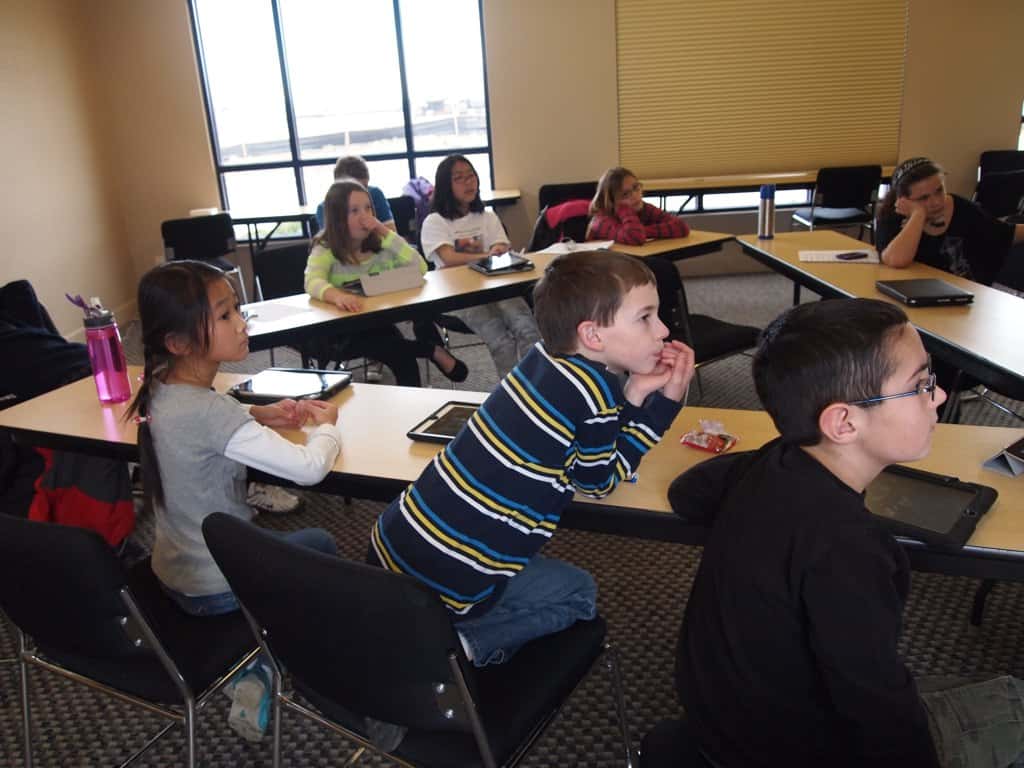
Florida's public school students posted continued gains on the state's 2026 spring assessments, with more than 60 percent scoring at or above grade level in both reading and mathematics, according to results released by the Florida Department of Education. The figures show steady improvement over the past several years on the Florida Assessment of Student Thinking, the progress-monitoring exam the state adopted to replace its earlier standardized test.
What the results show
According to the state's figures, the share of students scoring on or above grade level on the end-of-year English language arts assessment rose to 61 percent, up 12 percentage points from 49 percent in 2023. In mathematics, the share reached 62 percent, an increase of 9 percentage points from 53 percent over the same period. Both trends point in the same direction: a multi-year climb in the percentage of students meeting grade-level benchmarks.
The Florida Assessment of Student Thinking, known as FAST, covers reading for students from the state's voluntary prekindergarten program through grade 10 and mathematics from prekindergarten through grade 8. Unlike a single year-end test, FAST is administered three times a year as a progress-monitoring tool, giving families and teachers periodic snapshots of where students stand. The end-of-year administration provides the summative results the state reports publicly.
Achievement on the exam is reported on a scale of levels from one to five, with level three defined as performing on grade level. That structure means the headline figures reflect the share of students reaching at least level three. The state publishes results at the state, district, and school levels, allowing communities to see how their own schools compare with the statewide trend.
The Florida context
Florida moved to the FAST progress-monitoring model in recent years, shifting away from a single high-stakes year-end exam toward multiple check-ins across the school year. Supporters of that approach argue that testing students periodically gives teachers actionable information sooner, letting them adjust instruction before the year ends rather than learning about gaps only in the spring. The model has become a defining feature of Florida's accountability system.
The reported gains arrive as Florida officials continue to promote the state's education record, including funding levels and school-choice policies. State leaders have pointed to rising assessment scores as evidence that recent policy choices are working, while some analysts caution that comparing results across different tests and years requires care. The FAST figures cover the years since the new system took hold, which supports year-over-year comparison within that window.
At the same time, observers have noted that state assessment results do not always move in lockstep with national exams, which sometimes show more modest standing for Florida relative to other states. Those national comparisons use different instruments and benchmarks, so state and national pictures can diverge. Education officials and outside analysts tend to weigh both when evaluating student performance.
The shift to a progress-monitoring system also changes how the public should read year-to-year figures. Because the current numbers all come from the same instrument, comparisons within the FAST era rest on a more consistent footing than comparisons that reach back across a change in tests. Analysts who study Florida education have generally treated that consistency as a reason to view the recent trend as meaningful, even as they note that any single indicator captures only part of what happens in a classroom. The state's decision to report results down to individual schools adds a layer of transparency that invites local scrutiny of the broad statewide picture.
Reading gains
The 12-point rise in the share of students reading at or above grade level, from 49 percent in 2023 to 61 percent in 2026, is the larger of the two headline gains. Reading proficiency is closely watched because early literacy is strongly linked to later academic success, and Florida has invested in reading instruction and interventions over multiple years. The state has framed literacy as a foundational priority across grade levels.
Because FAST covers reading from prekindergarten through grade 10, the statewide figure aggregates performance across a wide span of ages and developmental stages. District-level and school-level data allow communities to see whether gains are concentrated in particular grades or spread across the system. Those breakdowns help educators target resources where students are furthest from grade level.
Sustained reading improvement, if it holds, would be significant for the state's long-term educational outcomes. Literacy underpins performance in nearly every other subject, since students who struggle to read face compounding difficulties as coursework becomes more text-heavy. The reported trend suggests movement in a favorable direction, though maintaining momentum typically requires continued focus and resources.
Reading gains at the lower grades carry particular weight in a state as large and diverse as Florida, where classrooms serve many students who are learning English alongside their coursework. When a foundational skill like reading improves broadly, the benefits can ripple outward into subjects that depend on comprehension, from social studies to word problems in math. The periodic nature of the FAST windows means teachers can spot a student slipping in the fall and intervene well before the spring, a rhythm that supporters say is especially valuable for literacy, where small gaps left unaddressed tend to widen over time.
Mathematics gains
In mathematics, the share of students at or above grade level rose 9 points, from 53 percent in 2023 to 62 percent in 2026. Math proficiency is another closely tracked indicator, particularly as states work to recover from learning disruptions in recent years. The FAST math assessment covers prekindergarten through grade 8, capturing the foundational years when core numeracy skills are built.
Math performance often draws attention because it feeds into later coursework in algebra, geometry, and the sciences, which in turn shape access to advanced classes and career pathways. Gains in the elementary and middle grades, where FAST math is administered, can position students for stronger performance in high school math sequences. Districts use the results to identify where additional support may be needed.
As with reading, the statewide math figure masks variation across districts and schools that the state's detailed reports reveal. Communities can examine their own results to understand local strengths and challenges. The overall pattern, a steady climb over three years, mirrors the reading trend and supports the state's characterization of broad-based improvement.
Because the FAST math assessment stops at grade 8, the reported figures speak most directly to the building blocks of numeracy rather than to advanced high school coursework. That focus matters for how the results should be interpreted: strong middle-grade performance is a leading indicator of readiness for the algebra and geometry courses that often serve as gateways to college and technical programs. Florida educators watching these numbers will be looking for whether the middle-grade momentum eventually shows up in high school outcomes, a connection that typically takes several years to appear and that no single year of data can confirm on its own.
What it means for Florida families
For parents, the most useful information often comes at the individual and school level rather than the statewide headline. Florida reports FAST results in the state reporting system, and results for a given administration are made available within a short window after a student completes testing, so families can view their children's performance through the FAST portal. That access lets parents track progress across the year's three testing windows.
The grade-level benchmark, defined as level three, gives families a clear reference point for whether a student is on track. Students below that mark may qualify for or benefit from additional support, while those above it can be stretched with more advanced work. Teachers use the same data to group students, plan instruction, and communicate with families about next steps.
At the community level, district and school results factor into how schools are evaluated and how resources are allocated. Rising scores can influence school grades, staffing decisions, and program funding, all of which affect students day to day. Families weighing school options also consult these results, making the annual release a meaningful moment for Florida's education landscape.
Questions that remain
Even with three consecutive years of gains, several questions will shape how educators and policymakers read the 2026 results in the months ahead. One is durability: whether the improvements represent a lasting shift in student learning or a pattern that could level off as the newness of the progress-monitoring system fades. Because the FAST model is still relatively young, the coming years will test whether the early trajectory holds.
Another question concerns equity across Florida's many communities. A statewide average can rise while gaps persist between districts, between schools within a district, and among student groups. The state's practice of publishing results at finer levels of detail gives researchers, school boards, and families the raw material to ask whether every community shared in the gains or whether some were left behind. Those local conversations often prove as consequential as the headline number itself.
A final open question is how the state assessment picture aligns with other measures over time. National exams, graduation data, and college and career readiness indicators each tell part of the story, and Florida's leaders and independent analysts will continue to weigh them together. The 2026 FAST results add an encouraging data point, but the fuller judgment on Florida's academic trajectory will rest on how the evidence accumulates across multiple measures and multiple years.
What's next
With the 2026 results published, districts and schools will analyze the data to plan for the coming school year, identifying where students need the most support and where instruction is working. The three-times-a-year FAST structure means the next round of progress monitoring will begin when school resumes, giving educators fresh checkpoints to build on the reported gains.
State officials are likely to continue citing the upward trend as they defend Florida's education policies, while analysts will keep comparing state results against national benchmarks to assess where Florida stands more broadly. Both perspectives will shape the ongoing debate over the state's approach to testing, curriculum, and funding.
For students and families, the practical path forward runs through classrooms, where teachers translate assessment data into instruction. Whether Florida can sustain and extend the gains reported for 2026 will depend on continued attention to literacy and numeracy, adequate support for students who remain below grade level, and the effectiveness of the state's progress-monitoring model in guiding instruction.
Spotted an issue with this article?
Have something to say about this story?
Write us a letterComments
No comments yet. Be the first to weigh in.
Related Coverage

Broward School Board Weighs Next Round of Closures as Empty Seats Reach 61,000
1h ago

Boy dies after 120-pound display board falls on him at Palm Bay's Riviera Elementary
1d ago
Pinellas pulls Sexton Elementary from closure list as six schools face Oct. 13 vote
1d ago

Winter Haven School Bus Crash Kills 10th Grader and Jeep Driver After Car Crosses Center Line
2d ago