Florida Unemployment Climbs to 4.7 Percent as State Loses 22,400 Jobs Over the Past Year

Florida's unemployment rate climbed to 4.7 percent in March 2026, above the national rate of 4.3 percent and above the state's own recent historical performance, as data from the Florida Department of Commerce showed that the state shed a net 22,400 jobs over the past year. The figures have drawn concern from economists and prompted criticism from Florida House Democrats, who have called the state's economy stalling even as Governor DeSantis has promoted Florida's economic record as one of the nation's strongest.
The Numbers Behind the Rise
The March unemployment figure represents a 0.1 percentage point increase from the prior month and continues a trend of gradual deterioration that began in the second half of 2025. The 4.7 percent rate places Florida 35th among the 50 states, tied with four other states and above the national average of 4.3 percent. With approximately 523,000 Floridians now counted as unemployed, the state's labor market is navigating a period of adjustment after several years of exceptional employment growth that followed the pandemic reopening.
The net job loss of 22,400 over the past twelve months is particularly notable because it covers a period that most analysts expected to be one of continued growth for Florida's economy. The state added workers aggressively during the pandemic reopening years as businesses scrambled to staff up, and the reversal to net negative employment on an annual basis marks a meaningful shift in the trajectory of Florida's labor market. The Department of Commerce's monthly data showed a more recent increase of 7,000 unemployed workers from February to March alone, suggesting the deterioration has not yet stabilized.
Florida House Minority Leader Fentrice Driskell cited the figures as evidence that DeSantis's economic policies are falling short of their promises, arguing that the combination of rising joblessness and declining public sector employment reflects policy choices rather than inevitable market forces. The governor's office has not responded to the latest unemployment release with a detailed defense of its record, though DeSantis has consistently argued that Florida's overall tax and regulatory environment remains among the most favorable in the nation for business.
Where the Jobs Are Being Lost
The sectoral breakdown of Florida's job losses over the past year reveals several distinct pressure points. Government employment has seen the sharpest decline, with the state losing 12,300 federal positions and an additional 1,600 state government jobs over the twelve-month period. The federal job losses reflect the national impact of the Trump administration's efforts to reduce the size of the federal civilian workforce, which have played out in Florida through cuts to military support contractors, federal agency offices, and government-funded programs that employ Florida residents.
Financial activities shed 11,500 jobs over the year, a category that includes banking, insurance, and real estate-related employment. The decline in financial sector jobs is notable given Florida's historically strong financial services industry, concentrated in Miami, Jacksonville, and Tampa, and may reflect both the challenging insurance market environment and broader financial industry consolidation. Construction employment fell by 8,700, a significant number in a state that has been among the nation's most active construction markets for housing and commercial development.
Trade, transportation, and utilities lost 7,900 jobs, while manufacturing shed 4,500 positions and leisure and hospitality, the sector that drives much of Florida's tourism-driven economy, declined by 3,000 jobs. The breadth of the losses across multiple sectors distinguishes the current period from a more localized contraction and suggests the headwinds affecting Florida's employment are not confined to one industry.
Where Jobs Are Growing
Against the backdrop of broad-based losses, education and health services emerged as the standout bright spot in Florida's labor market data. The sector added 31,500 jobs over the past year, driven primarily by health care and social assistance employment, which grew by 25,700 positions. The healthcare growth reflects both demographic demand driven by Florida's large and growing senior population and the continued expansion of health system capacity in the state's major metro areas.
Professional and business services also showed positive employment trends over the year, driven partly by Florida's continued attraction of corporate headquarters relocations, financial technology companies, and professional services firms from higher-cost states. The Miami metro area in particular has benefited from an influx of financial services and technology firms that has generated professional services employment even as other sectors have contracted.
The divergence between healthcare employment growth and declines in construction, government, and finance creates an uneven picture of who is benefiting from Florida's current labor market. Healthcare jobs, while valuable, typically offer different compensation structures and career trajectories than the construction trades, government employment, or financial services positions being lost. Workers transitioning between these sectors often face skill mismatches and, in some cases, income reductions that are not captured in aggregate employment statistics.
Florida vs. the National Labor Market
Florida's 4.7 percent unemployment rate exceeds the national average of 4.3 percent, a reversal from the state's position during the height of its post-pandemic employment boom when Florida frequently reported jobless rates below the national figure. The gap is not dramatic, but the direction of the divergence has attracted attention from economists who have pointed to Florida as a bellwether state for understanding how the combination of federal workforce reductions, interest rate effects on the construction and real estate sectors, and the normalization of pandemic-era migration patterns are playing out in the Sun Belt economy.
Other Sun Belt states that experienced similar pandemic-era population and employment surges, including Texas, Arizona, and Nevada, are navigating comparable transitions. States that added employment aggressively between 2020 and 2024 are experiencing softer hiring conditions as the initial burst of demand from population growth moderates and as higher interest rates continue to restrain rate-sensitive sectors like construction and real estate.
The Federal Reserve's interest rate environment remains a central variable for Florida's employment outlook. Higher borrowing costs have weighed on the construction industry, which had been one of the state's most consistent job creators during the population growth years, and on the real estate sector, which supports significant employment in brokerage, title insurance, mortgage banking, and related services. Any reduction in benchmark rates by the Federal Reserve would likely translate into improved conditions for those sectors with a lag of several months.
The Job Openings Paradox
One of the paradoxes of Florida's current labor market is that despite rising unemployment and net job losses, the state's job openings rate remains relatively robust at 4.1 percent. That figure, which measures the share of unfilled positions as a portion of total employment, suggests that demand for workers in certain sectors remains strong even as overall employment has declined. The paradox reflects a mismatch between the skills and locations of available workers and the requirements of open positions.
Healthcare and technology sectors are reporting persistent difficulty filling specialized positions despite the overall unemployment increase. Positions requiring clinical licenses, specialized certifications, or technical degrees in fields like cybersecurity, software engineering, and advanced manufacturing remain in demand and carry salaries that are not declining. The challenge for Florida's workforce development system is to accelerate the training and credentialing pathways that can connect unemployed workers in declining sectors with the openings in growing ones.
Florida's community college system and state universities have programs designed to facilitate workforce transitions, and Governor DeSantis has highlighted apprenticeship and workforce education initiatives as priorities. But the scale of the mismatch, particularly given the breadth of the current sectoral declines, presents a substantial challenge for workforce policy in the near term.
What Economists Expect Going Forward
Most Florida labor economists are not forecasting a dramatic worsening of the state's employment picture, but they are also not projecting a rapid recovery to the low unemployment rates of 2022 and 2023. The state's underlying economic drivers, including tourism, healthcare demand, financial services, and technology, remain intact, and Florida's population continues to grow, generating ongoing demand for housing, services, and consumer goods that supports employment across many sectors.
The key variables to watch in the second half of 2026 include the trajectory of federal employment cuts, which have not yet fully worked through the system, the pace of construction activity as a function of interest rate trends, and whether the tourism and hospitality sector sustains the modest employment losses seen in recent months or begins to recover as visitor demand normalizes ahead of the traditional fall and winter tourism peak. The outcome of November's midterm elections could also influence federal funding flows to Florida for a range of programs that support state employment, though the effect of any such changes would be felt in 2027 rather than this year.
Cost of Living and Worker Retention
Florida's rising unemployment rate arrives in the context of a cost-of-living challenge that has made the state significantly more expensive for middle- and working-class households over the past five years. The combination of higher housing costs, elevated property insurance premiums, and rising utility costs has eroded the real purchasing power of Florida workers whose wages have not kept pace with the overall increase in the cost of maintaining a household in the state. For some workers, particularly those in lower-wage service sector jobs, the erosion of real wages has prompted relocation to states with lower costs of living, contributing to the enrollment declines that Florida school districts are documenting and to workforce availability challenges in hospitality, healthcare support, and retail sectors.
Employers in Florida's construction, hospitality, and service industries who rely heavily on workers in the middle and lower portions of the wage distribution are navigating the paradox of a rising unemployment rate and persistent difficulty finding and retaining qualified workers. The explanation lies partly in a mismatch between available workers and job locations, partly in workers' unwillingness to accept wages that do not allow them to meet their cost-of-living obligations, and partly in the ongoing competition with other states that offer comparable wages with lower overall costs of living.
State officials at Florida's Department of Commerce and the Governor's Economic Advisors Group are tracking the unemployment trend and are expected to respond to continued deterioration with a combination of workforce training investments, business attraction incentives for high-wage employers, and housing affordability policy discussions that have gained renewed urgency as the cost-of-living challenges have become more visible in the monthly employment data. Whether those tools will be sufficient to reverse the unemployment trend before it becomes a more significant economic and political liability for the DeSantis administration will be one of the defining questions for Florida's economic policy environment in the second half of 2026.
Spotted an issue with this article?
Have something to say about this story?
Write us a letterComments
No comments yet. Be the first to weigh in.
Related Coverage
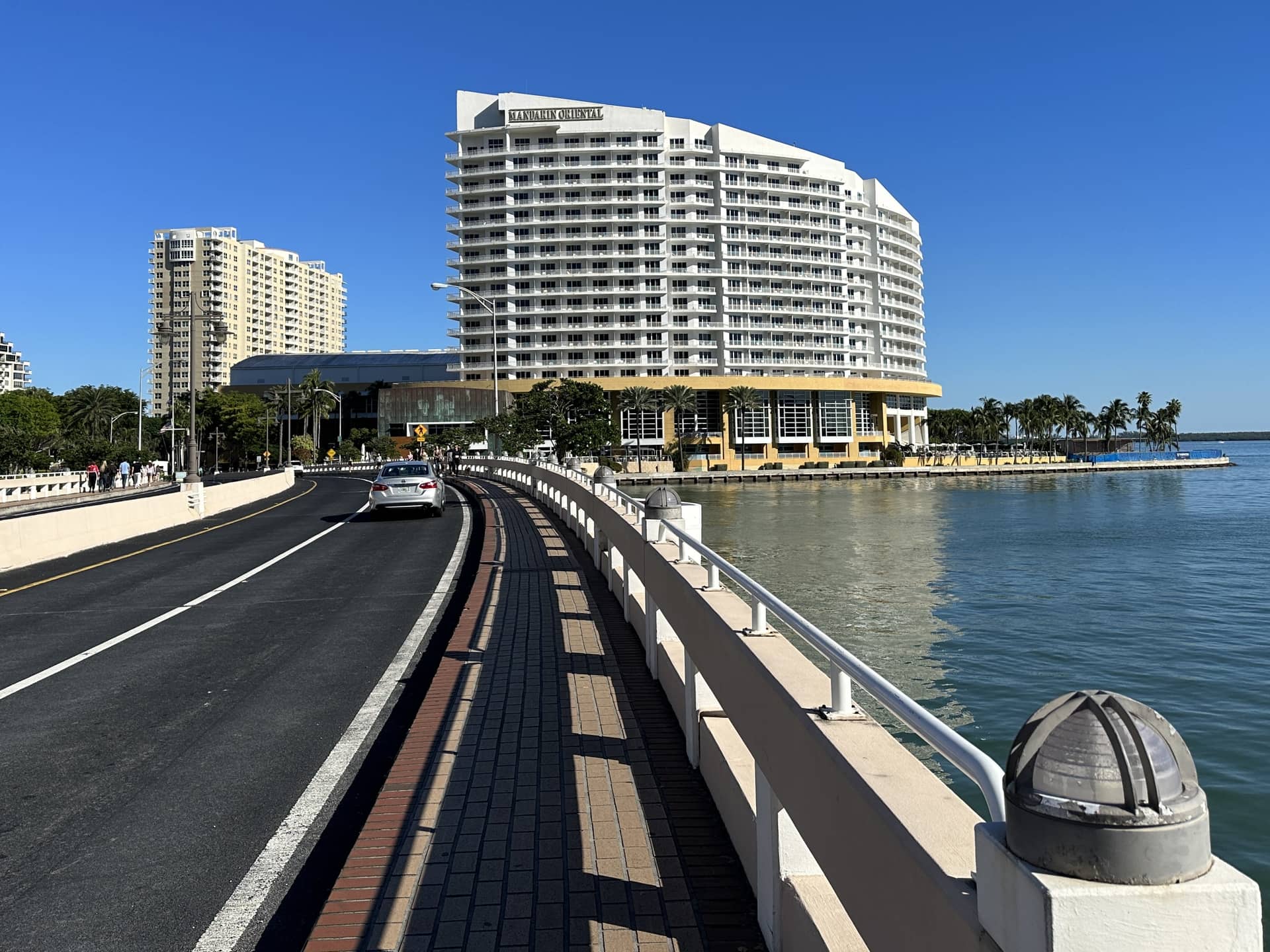
Swire Breaks Ground on Mandarin Oriental Towers on Brickell Key After Selling More Than $1.7 Billion in Condos
4h ago

Seminole Tribe Sues DraftKings and CEO Jason Robins in Broward, Calling Its Florida Prediction Markets an Illegal Sportsbook
5h ago
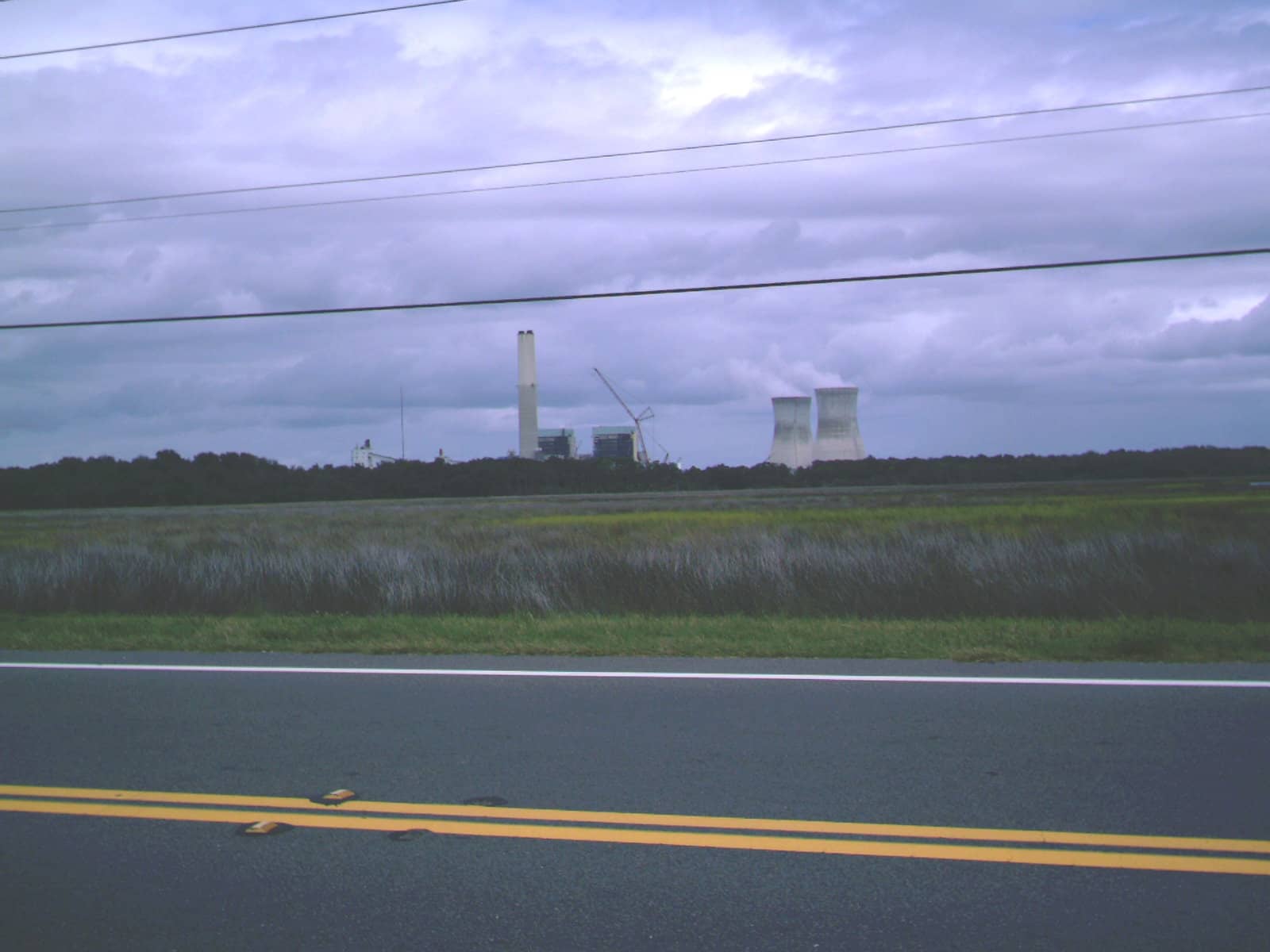
Jacksonville council members weigh relief for high JEA bills as utility says it isn't ready for a hyperscale data center
1d ago

Rays to open Westshore ballpark experience center in 2027 as Tampa stadium deal moves ahead
2d ago