Former St. Petersburg Science Center to Become $25 Million AI and Startup Campus
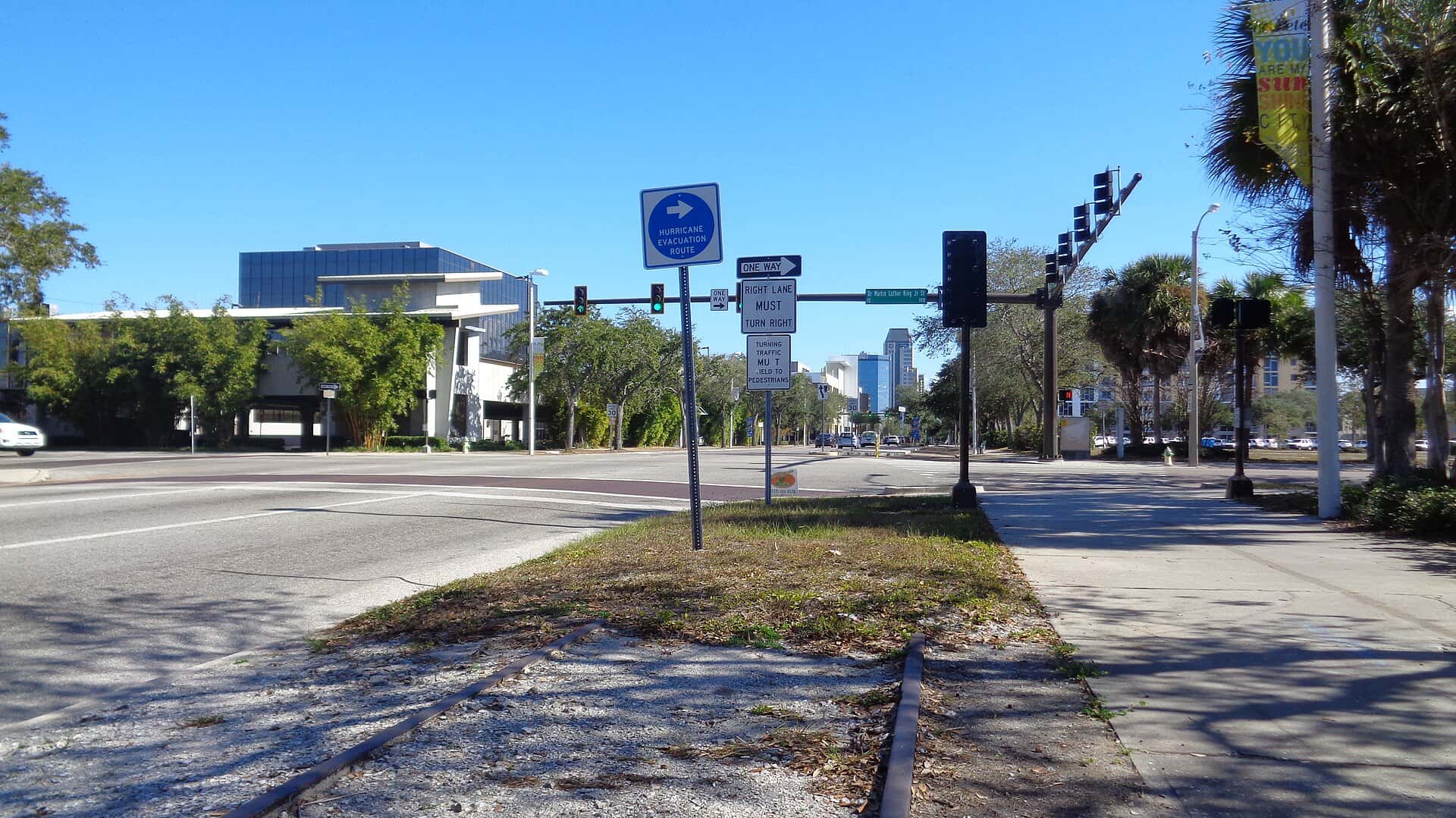
The former St. Petersburg Science Center, a fixture of the city's science education landscape for decades, is set for a dramatic second act as a hub for artificial intelligence, entrepreneurship, and workforce training. A roughly $25 million redevelopment project would more than double the size of the existing facility and convert the former museum into a campus aimed at fueling the Tampa Bay region's emerging technology economy.
The plan reflects a broader push across Florida to build out the infrastructure and talent pipeline for high-growth industries, with artificial intelligence at the center of the strategy. Backers envision the reimagined campus as a place where startups, students, and established companies can converge around training, research, and commercialization.
What is planned
The project would transform the shuttered science center into a hub for workforce training, entrepreneurship, and emerging technologies. At an estimated cost of around $25 million, the redevelopment would significantly expand the building's footprint, more than doubling the size of the existing facility to accommodate its new mission.
The vision centers on creating space for AI-focused ventures and startups, paired with programming designed to build the skills local workers need to participate in the technology economy. By combining entrepreneurship support with workforce development under one roof, the campus aims to serve both the companies that need talent and the residents seeking pathways into higher-paying technical careers.
The reuse of a beloved civic building also carries symbolic weight. The science center long served as a place where young people in the Tampa Bay area encountered hands-on science. Its conversion into a center for cutting-edge technology extends that educational legacy into a new era while preserving an existing structure rather than building from scratch.
The Tampa Bay tech ambition
St. Petersburg and the broader Tampa Bay region have worked in recent years to position themselves as destinations for technology companies and the workers who staff them. The metro area has attracted financial services firms, marine science institutions, and a growing startup community, and local leaders have sought to cultivate an ecosystem that can compete for talent and investment.
Artificial intelligence has emerged as a particular focus for economic development efforts across Florida. As businesses in nearly every sector adopt AI tools, demand has grown for workers who can build, deploy, and manage those systems. A campus dedicated to AI and startups could help the region capture a share of that activity and retain graduates who might otherwise leave for larger tech hubs.
The project fits a pattern of Florida communities investing in innovation infrastructure, from research parks near major universities to incubators and accelerators in urban cores. Tampa Bay's effort leans on its quality-of-life advantages, including its coastal setting and relatively lower costs compared with established coastal tech centers, to draw founders and remote-capable talent.
Workforce training at the core
A defining feature of the plan is its emphasis on workforce training alongside entrepreneurship. Florida's economy has long depended heavily on tourism, hospitality, and real estate, sectors that, while vital, often offer lower wages than technology fields. Building a pipeline of skilled technical workers is a central goal of state and local efforts to diversify the economy and raise incomes.
By housing training programs within a campus that also supports startups, the project aims to create a feedback loop: trained workers can move into local companies, and growing companies can draw on a nearby talent pool. That co-location model has proven effective in other regions where universities, training providers, and employers cluster together.
For residents of St. Petersburg and surrounding communities, the workforce training component could open doors to careers that did not previously exist locally. The promise of accessible pathways into technical fields is a key part of the project's appeal to civic leaders focused on economic mobility.
What it means for Floridians
For the Tampa Bay region, the redevelopment represents a tangible bet on a more diversified, higher-wage economy. If successful, the campus could help anchor a growing technology sector and provide local residents with on-ramps to careers in artificial intelligence and related fields without leaving the area.
For the broader state, the project is another data point in Florida's effort to compete in advanced industries. As the state's population and economy continue to grow, leaders have increasingly emphasized technology and innovation as engines of future prosperity, and investments like this one are part of that strategy.
The reuse of an existing civic landmark also offers a model for how communities can repurpose aging buildings to meet contemporary needs. Rather than demolishing a structure tied to the city's identity, the plan reinvents it, preserving a sense of continuity while pointing toward the future.
Florida's broader bet on technology
The St. Petersburg project is one piece of a larger effort across Florida to diversify an economy long anchored by tourism, agriculture, and real estate. State and local leaders have increasingly courted technology companies and the high-wage jobs they bring, viewing innovation industries as essential to long-term prosperity and to retaining the talent that Florida's universities produce.
Artificial intelligence has emerged as a focal point of that strategy. As businesses across sectors adopt AI tools, the demand for workers who can develop and manage those systems has grown, and regions that build the necessary talent pipelines and infrastructure stand to capture a share of the resulting economic activity. A dedicated campus signals that the Tampa Bay area intends to compete for that opportunity.
Florida's appeal to technology workers rests in part on factors beyond any single project, including the absence of a state income tax, a relatively lower cost of living than established coastal tech hubs, and the lifestyle draws of the state's climate and coastline. Those advantages have helped Florida attract remote workers and companies seeking alternatives to traditional technology centers.
The challenge for Florida is building the depth of ecosystem that sustains a technology sector over time, including research institutions, venture capital, and a critical mass of skilled workers. Projects like the St. Petersburg campus are intended to contribute to that depth, though success will require sustained investment and the gradual accumulation of companies and talent.
Connecting education and employers
A central feature of the planned campus is its emphasis on bridging the gap between education and employment. By housing workforce training alongside startups and established companies, the project aims to ensure that the skills residents develop align with the needs of local employers, addressing a common mismatch that leaves jobs unfilled even as workers seek opportunities.
That co-location model has proven effective in other regions, where the proximity of training providers, employers, and entrepreneurs creates a virtuous cycle. Workers gain relevant skills, companies find the talent they need nearby, and the resulting growth attracts further investment. Replicating that dynamic in St. Petersburg is a key ambition of the project.
For the Tampa Bay region's residents, the workforce training component holds particular promise as a pathway to higher-paying careers. Florida's economy has historically featured many lower-wage service jobs, and creating accessible routes into technical fields could improve economic mobility for local workers who might otherwise lack access to such opportunities.
The success of that bridge will depend on the partnerships the campus forms with employers, educational institutions, and training providers. Those relationships will determine whether the project delivers a genuine pipeline of skilled workers or remains primarily a real estate development, making the cultivation of partners a critical task in the months ahead.
What's next
As with any major redevelopment, the project's timeline will depend on financing, permitting, and the detailed work of designing and building out the expanded facility. The roughly $25 million price tag reflects the scale of the transformation, and bringing the vision to life will require coordination among the project's backers, local officials, and prospective tenants and partners.
Attention will turn to which companies, training providers, and educational partners ultimately commit to the campus, as those relationships will determine whether it becomes a genuine hub or simply renovated space. The early framing around AI and startups suggests an ambition to attract forward-looking ventures.
For St. Petersburg, the project offers a chance to convert nostalgia for a cherished science center into momentum for the next chapter of its economy. If the campus delivers on its promise, it could become a centerpiece of the region's push to build a durable technology sector.
The broader competition among regions to attract technology investment means that execution will matter as much as ambition. Many communities across the country are pursuing similar strategies, building incubators, training programs, and innovation districts in hopes of capturing a share of the growth in fields like artificial intelligence. St. Petersburg's success will depend on how effectively it differentiates itself and delivers tangible results that draw companies and talent.
For the Tampa Bay region and for Florida, the project is a test case in whether the state can translate its appealing lifestyle and business climate into genuine leadership in advanced industries. The outcome will offer lessons about what it takes to build a technology ecosystem from the ground up. If the reimagined science center fulfills its potential, it could stand as a symbol of Florida's evolving economy, demonstrating how a community can honor its past while investing boldly in a future built around innovation and opportunity.
The months ahead will bring greater clarity about the project's timeline, its partners, and the specific programs it will house, details that will determine whether the ambitious vision translates into reality. Securing financing, completing the design and construction, and attracting the companies, educators, and entrepreneurs who will give the campus life are all essential steps. The early framing around artificial intelligence and startups signals a forward-looking ambition, but the hard work of execution lies ahead. If St. Petersburg succeeds, the reimagined science center could become a model for how mid-sized cities can build technology economies by repurposing existing assets and connecting education to employment. For the Tampa Bay region and for Florida, the project represents a tangible step in the long-term effort to diversify the economy and create the high-wage opportunities that will define the state's prosperity in the years to come.
Spotted an issue with this article?
Have something to say about this story?
Write us a letterComments
No comments yet. Be the first to weigh in.
Related Coverage
Palm Beach County Bets About $15 Million in Public Money on Becoming a Quantum Computing Hub
19h ago

Scammers Clone Osceola Sheriff's Captain's Voice With AI in Fake Arrest Warrant Calls
1d ago

Neil Armstrong Apollo 11 Training Jacket Found in a Closet Goes Up for Auction at Titusville's American Space Museum
2d ago
Google DeepMind Nailed Hurricane Isaias' Landfall Days Out, New Analyses Show, as Older Models Missed by a Full Day
3d ago