Palm Beach County Weighs a Giant AI Data Center as a Moratorium Push Divides Residents
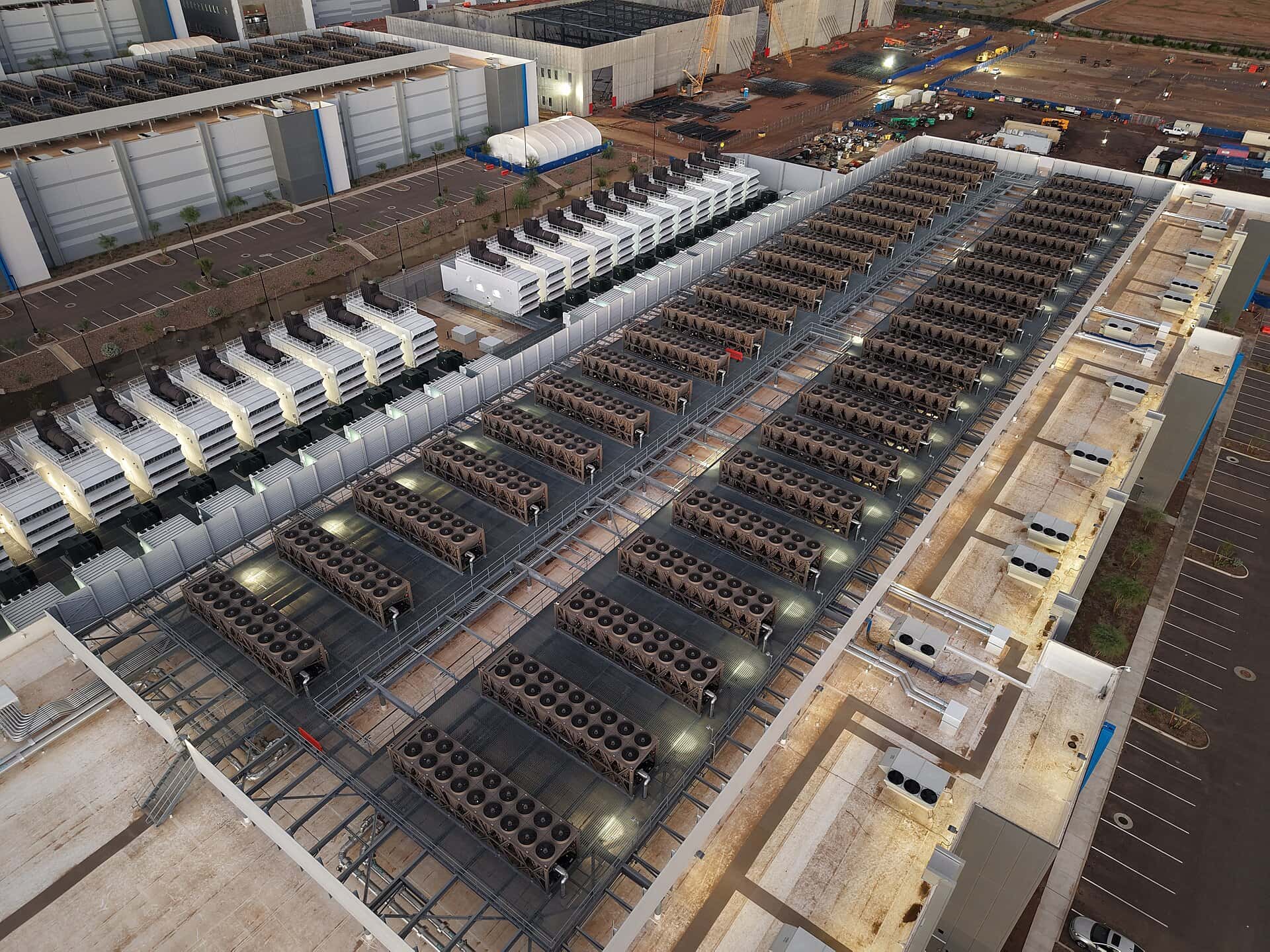
A proposal to build a massive artificial-intelligence data center in western Palm Beach County has become one of the most contentious land-use fights in South Florida, pitting the promise of investment and tax revenue against neighbors worried about water, power and the pace of development. The project, known as Project Tango, calls for roughly 3.7 million square feet of data-center space on about 202 acres near State Road 80 in the Loxahatchee area, and it has drawn opposition from residents and a push for a countywide moratorium on similar facilities.
The debate has moved through the county's zoning process and into the courts and the county commission. A zoning commission voted against the project earlier in July, and the county advanced a separate proposal that could lead to a moratorium on future large-scale data centers, though officials said that measure would not halt Project Tango itself. A judge declined an emergency request to stop a scheduled commission vote on the proposal.
The clash reflects a national wave of data-center development driven by the artificial-intelligence boom, and it is now testing how a fast-growing Florida county balances economic opportunity against the strain such facilities can place on land, electricity and water. For residents of the surrounding communities, the stakes are immediate and local.
What Project Tango would build
According to project descriptions, the development would place approximately 3.7 million square feet of data-center facilities across a roughly 202-acre site near State Road 80, also known as Southern Boulevard, in the Loxahatchee area of western Palm Beach County. Data centers of that scale house vast arrays of computer servers that store data and power online services, and the newest generation is increasingly built to support artificial-intelligence computing.
AI data centers are especially resource-intensive. The specialized processors used for machine learning consume large amounts of electricity and generate significant heat, which in turn requires substantial cooling. Those demands have made the siting of such facilities a growing point of contention in communities across the country, where residents question the effect on the local power grid and water supply.
Supporters of large data projects typically point to construction jobs, property-tax revenue and the broader economic activity that comes with major capital investment. Critics counter that data centers employ relatively few people once operational compared with their footprint, and that the infrastructure burdens can outlast the initial economic boost.
The moratorium fight
As Project Tango advanced, Palm Beach County officials moved on a parallel track to consider a moratorium on large-scale data centers. In a unanimous vote, commissioners approved advertising a proposed ordinance that would create a formal definition for large data centers and begin the public-hearing process for future regulations. Officials emphasized that the measure would not itself enact an immediate moratorium and would not apply to the Project Tango proposal already in the pipeline.
Moratoriums are a common tool local governments use to pause a category of development while they craft new rules. In fast-growing areas confronting an unfamiliar and rapidly expanding industry, a temporary halt can give officials time to study impacts on infrastructure and to write standards governing where and how such facilities can be built.
The distinction between a moratorium on future projects and the fate of an application already under review is legally significant. Projects that are far enough along in the approval process are often treated differently from those that have not yet been filed, which is why the county indicated the pending Project Tango proposal would proceed on its own track.
The courts get involved
The dispute has also reached the courtroom. A judge denied an emergency request to halt a scheduled county commission vote on the Project Tango matter, allowing the commission to proceed with taking up the proposal. Legal challenges of this kind are increasingly common in high-stakes land-use disputes, where opponents may seek to delay or block votes through the courts.
Emergency requests to stop government action face a high legal bar, and courts are generally reluctant to interfere with a local government's scheduled deliberations absent a clear legal violation. The denial of the request cleared the way for the commission to consider the project at its meeting.
The interplay between the zoning commission's recommendation, the county commission's ultimate authority and the judicial process illustrates how modern development fights unfold across multiple venues at once. Each step provides an opportunity for public input, legal argument and political pressure.
Why data centers are surging
The boom in artificial intelligence has set off a nationwide rush to build data centers capable of training and running large AI models. Those facilities require enormous computing power, and technology companies have been racing to secure land, electricity and water in regions across the country. Florida, with its growing population and economy, has drawn interest as a location for such projects.
That surge has collided with local concerns in many communities. Residents and environmental advocates have raised questions about the electricity demand these centers place on regional grids, their water use for cooling, noise, and their compatibility with residential and agricultural areas. The tension is playing out in county commissions and zoning boards across the state and the nation.
For Palm Beach County, the Project Tango debate is a preview of decisions many Florida communities may soon face. How local governments define, regulate and site large data centers could shape the state's role in the AI economy while determining who bears the infrastructure costs.
What residents are weighing
For neighbors near the proposed site, the immediate concerns are tangible: the scale of the facility, its demands on the power grid and water supply, truck traffic during construction, and the change to the character of a semi-rural western county area. Opposition has been vocal, and the zoning commission's vote against the project reflected some of those concerns.
County leaders, meanwhile, must weigh those objections against the potential economic benefits and the legal rights of the applicant. Land-use decisions of this magnitude are rarely simple, and they often require balancing competing interests among residents, developers and the broader county tax base.
The outcome will send a signal about how receptive Palm Beach County, and by extension South Florida, intends to be toward the data-center industry. It will also test the new regulatory framework the county is developing for future projects of this type.
The infrastructure demands behind the debate
At the heart of the controversy over large data centers are the resources they require to operate. Facilities built for artificial-intelligence computing rely on specialized processors that consume substantial amounts of electricity, and they run continuously. That demand can rival the power needs of thousands of homes, raising questions about the capacity of the regional grid and the investments required to serve such a facility without affecting other customers.
Cooling is the other major resource concern. The dense arrays of servers in a data center generate significant heat, and keeping them within operating temperatures requires substantial cooling capacity. Depending on the technology used, that can involve considerable water use, a sensitive issue in Florida, where water resources are carefully managed and where growth already places pressure on supplies. Residents near proposed sites frequently cite water use among their foremost concerns.
The employment profile of data centers is another point of contention. While construction of a large facility can generate significant temporary jobs and economic activity, the number of permanent positions required to operate a data center is relatively small compared with its physical footprint and resource demands. Critics argue that the long-term jobs benefit does not match the scale of the infrastructure burden, while supporters point to tax revenue and the broader economic value of hosting critical digital infrastructure.
Local governments across the country have been developing frameworks to address these trade-offs, from zoning rules that steer data centers toward appropriate locations to requirements for how they source power and water. The rapid growth of the industry has often outpaced the regulations, prompting the kind of catch-up efforts that Palm Beach County is now undertaking with its proposed ordinance defining large-scale data centers.
The Project Tango debate is thus a microcosm of a national reckoning. As artificial intelligence drives an unprecedented build-out of computing infrastructure, communities everywhere are weighing the economic opportunities against the strain on power, water and land. How Florida's local governments navigate those decisions will shape both the state's role in the digital economy and the burdens borne by the communities that host the facilities.
The outcome in Palm Beach County will be watched by other Florida communities weighing similar proposals. As the demand for computing infrastructure grows, developers are seeking sites across the state, and local governments are increasingly confronting decisions about whether and how to accommodate them. The frameworks that emerge from early cases like Project Tango can serve as models, or cautionary examples, for other counties navigating the same pressures.
The debate also reflects a broader tension between economic development and quality of life that recurs in fast-growing areas. Florida's growth has brought investment and opportunity, but it has also raised questions about infrastructure, resources and the character of communities. Large data centers, with their significant footprints and resource demands, bring that tension into sharp focus, forcing decisions about what kind of development a community wants and what costs it is willing to bear in exchange for the benefits.
What's next
The county commission's consideration of Project Tango, and the separate push to define and potentially limit large data centers, will determine the near-term future of the proposal and set precedent for how Palm Beach County handles similar applications. The public-hearing process for the proposed ordinance is expected to continue as officials refine the rules.
Whatever the commission decides, the debate has already highlighted the broader questions Florida communities are confronting as the AI-driven data-center wave reaches the state. The Florida Press will continue to follow the Project Tango proposal and the county's efforts to regulate large-scale data centers as the process moves forward.
Spotted an issue with this article?
Have something to say about this story?
Write us a letterComments
No comments yet. Be the first to weigh in.
Related Coverage

St. Pete-Launched Ocean Drones Sailed Into Hurricane Isaias, Logging a 104 MPH Gust Near the Eyewall
3d ago

Uthmeier Asks Pasco Judge to Force Meta to Remove Florida Users Under 14 and Cap Teens at Two Hours a Day
5d ago

Florida Attorney General James Uthmeier Sues TP-Link, Saying Its Routers Left Florida Home Networks Exposed
Oct 7
FIU to install Florida's first on-campus trapped-ion quantum computer
Oct 6