Four Men Convicted in Julio Foolio Murder Face Formal Sentencing in Tampa After Jury Spares Them the Death Penalty
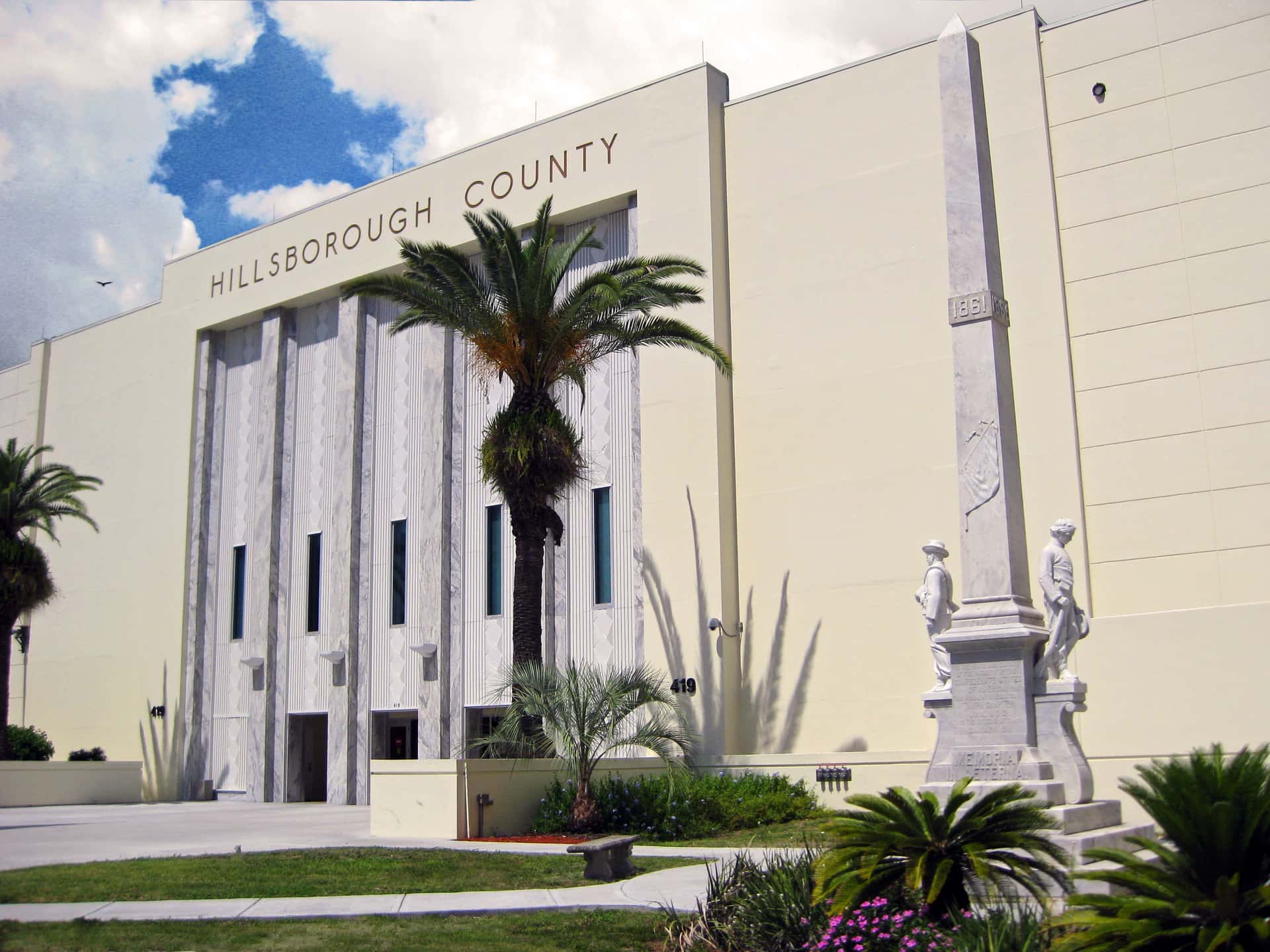
Four men convicted of first-degree murder in the killing of Jacksonville rapper Julio Foolio are scheduled to be formally sentenced in a Tampa courtroom, after a Hillsborough County jury recommended that all of them spend the rest of their lives in prison without the possibility of parole. The sentencing hearing, set for June 22, will close a chapter in a case that drew national attention to a deadly gang conflict and the rapper's ambush killing.
The verdict and the jury's recommendation
A Hillsborough County jury found the four men, identified as Isaiah Chance, Sean Gathright, Davion Murphy, and Rashad Murphy, guilty of first-degree murder and conspiracy charges in the death of Charles Jones, who performed as Julio Foolio. Prosecutors had sought the death penalty, but on May 15, 2026, the jury recommended that all four be sentenced to life in prison without the possibility of parole.
According to accounts of the proceedings, the panel of eight women and four men deliberated little more than an hour before reaching its recommendation against death. Under Florida law, the jury's recommendation guides the sentence, with the judge scheduled to formally impose it at a hearing on June 22.
The decision to spare the men the death penalty closed the penalty phase of a closely watched trial. The formal sentencing on June 22 will make the punishment official, with the four men facing life behind bars for the coordinated attack that killed Jones.
The killing of Julio Foolio
Charles Jones, known professionally as Julio Foolio, was shot and killed on June 23, 2024, in an ambush attack while he was celebrating his birthday at a hotel in the Tampa area. Prosecutors described the killing as a coordinated assault carried out as part of an ongoing gang conflict that had its roots in Jacksonville.
The attack was tied to a long-running feud between rival groups, with prosecutors arguing that the defendants acted together to carry out the ambush. The case connected the Tampa Bay area, where the shooting occurred, to a broader cycle of gang violence centered in Northeast Florida.
Jones had a following as a rapper, and his killing drew attention well beyond Florida, both because of his public profile and because it laid bare the deadly stakes of the gang rivalry that authorities said motivated the attack. The trial brought the details of that conflict into a courtroom and before the public.
How the case moved through the courts
The four defendants were charged and brought to trial together, facing the most serious charges Florida law allows. Prosecutors pursued first-degree murder convictions and sought the death penalty, presenting the case as a premeditated, coordinated killing tied to gang activity.
The trial proceeded through the guilt phase, where the jury found the men guilty, and then into the penalty phase, where the same jury weighed whether to recommend death or life imprisonment. The relatively brief deliberation before recommending life reflected the jury's judgment after hearing the evidence and arguments on punishment.
The sequence of stages, from charges to trial to verdict to a sentencing recommendation and finally to formal sentencing, illustrates how a capital case moves through the Florida court system. Each stage is distinct, and the June 22 hearing represents the final step in which the court formally pronounces the punishment.
What it means for the Tampa Bay community
For the Tampa Bay area, where the killing took place, the case has been a high-profile example of how violence rooted elsewhere can play out within the community. The prosecution by the State Attorney's Office for the judicial circuit covering Hillsborough County brought the matter to resolution in a local courtroom.
The outcome, life sentences rather than death, will be formalized at the June 22 hearing, providing a measure of finality for those affected by the killing. Sentencing hearings often include the opportunity for statements that allow the gravity of the crime and its impact to be addressed in court.
The case also highlighted the reach of gang conflicts across Florida, connecting Jacksonville and the Tampa Bay region through a single act of violence. For law enforcement and prosecutors, the convictions represent the conclusion of a complex case involving multiple defendants and a coordinated attack.
The legal backdrop
Florida's handling of capital cases has evolved in recent years, and the jury's role in recommending a sentence is a central feature of the process. In this case, the jury's recommendation of life without parole for all four defendants set the stage for the formal sentencing.
Life without the possibility of parole means the convicted men would remain incarcerated for the rest of their lives, the most severe punishment short of death. For the defendants, the jury's recommendation removed the prospect of a death sentence while ensuring they will not be released.
The formal sentencing on June 22 will allow the judge to impose the sentences in open court, completing the judicial process for the four men convicted in the case.
The wider toll of the conflict
The killing of Charles Jones was rooted in a long-running conflict between rival groups originating in Jacksonville, a feud that prosecutors said motivated the coordinated ambush. The case thus represents not an isolated act of violence but a chapter in a broader cycle that has claimed lives and drawn law enforcement attention across multiple Florida communities.
Such conflicts impose a toll that extends well beyond the immediate victims. They affect families, neighborhoods, and communities, and they consume substantial law enforcement and judicial resources as authorities investigate, prosecute, and adjudicate the resulting cases. The multi-defendant trial in this matter illustrates the complexity and cost of bringing such cases to resolution.
The fact that the killing of a public figure like Jones drew national attention highlighted the deadly stakes of the rivalry. His profile as a rapper meant that the case resonated beyond the communities directly involved, casting a spotlight on the violence and the conflict that authorities said drove it.
For the Tampa Bay area, where the attack occurred, the case underscored how violence rooted elsewhere can spill into the community. The ambush took place at a hotel in the region, connecting the Tampa Bay area to a feud centered in Northeast Florida and demonstrating the geographic reach of the conflict.
The convictions and the recommended life sentences represent the justice system's response to that violence. While the legal outcome cannot undo the harm, it reflects the resolution prosecutors secured, holding the four men accountable for their roles in the coordinated attack that ended Jones's life.
The appeals process ahead
As with most serious criminal convictions, the four men are expected to have avenues for appeal once they are formally sentenced. Defendants convicted of first-degree murder typically pursue direct appeals challenging aspects of the trial, and the appellate process can extend for years after a sentence is imposed.
Appeals generally focus on legal questions, such as whether the trial court made errors in admitting evidence, instructing the jury, or handling other aspects of the proceedings, rather than re-litigating the facts. The outcome of any appeal depends on whether reviewing courts find that errors significant enough to affect the verdict occurred.
For the families and communities affected by the killing, the prospect of appeals means that the legal chapter may not fully close with the June 22 sentencing. Even so, the formal imposition of life sentences provides a measure of resolution at the trial level, marking the conclusion of the proceedings that followed the 2024 attack.
The case also stands as a reference point for how the Tampa Bay area's justice system handled a complex, multi-defendant murder prosecution tied to a broader gang conflict. The convictions and life recommendations reflect the resolution prosecutors secured after presenting their case to a jury.
What's next
The June 22 sentencing hearing in Tampa will mark the formal conclusion of the trial-level proceedings against the four men. Once sentences are imposed, the case could still see post-conviction appeals, as is typical in serious criminal matters, though those would unfold over a longer horizon.
For the community and for those connected to Charles Jones, the sentencing represents the closing of the trial that followed his 2024 killing. The hearing will formalize the life sentences the jury recommended, bringing the courtroom phase of one of the region's most closely followed murder cases to an end.
Spotted an issue with this article?
Have something to say about this story?
Write a letter to the editor