Frost and Lee File Bipartisan SLOTHS Act to Ban Sloth Imports After Orlando's Sloth World Deaths
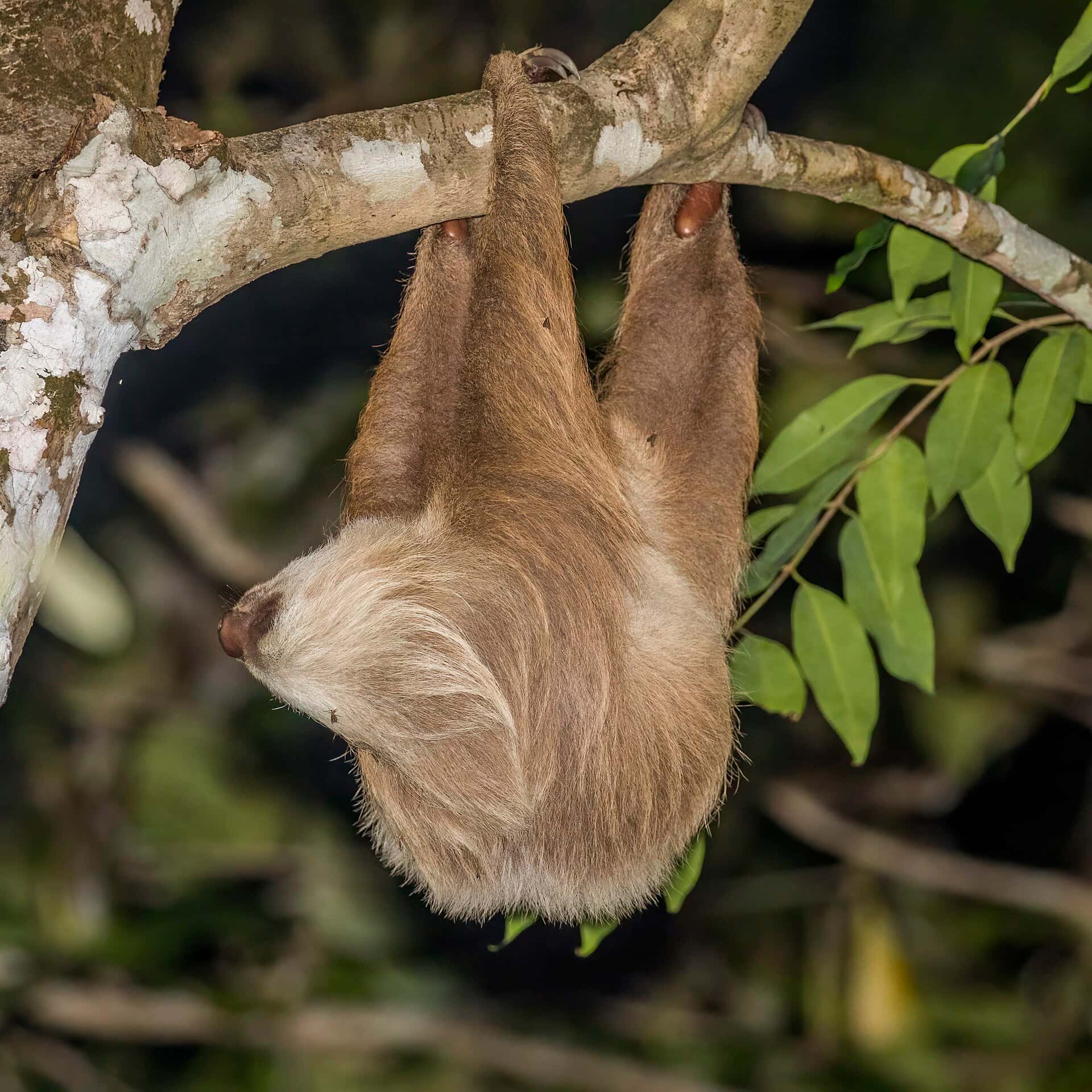
Two Florida members of Congress, Democrat Maxwell Frost of Orlando and Republican Laurel Lee of Hillsborough County, introduced a bipartisan bill on Oct. 20 that would ban the import of sloths into the United States, a response to the deaths of more than 50 sloths linked to Orlando's failed Sloth World attraction. The SLOTHS Act, short for Stopping Legalized Organized Trafficking and Harm to Sloths, was unveiled on International Sloth Day at the Central Florida Zoo and Botanical Gardens in Sanford, which took in survivors from Sloth World.
The federal push comes as Florida's own response has run into limits. A temporary state ban on sloth imports expired in July, and state wildlife regulators have proposed rules that advocates call too modest, with public comment on them closing Wednesday night.
What the bill would do
According to Frost's office, the bill would prohibit sloth imports into the United States, with narrow exceptions. Dead sloths could still be imported for documented research, and captive sloths could be transferred to zoos accredited by the Association of Zoos and Aquariums for conservation breeding programs, as long as the animals were not taken from the wild after the law takes effect.
The penalties would be:
- Civil penalties of up to $20,000 per violation.
- Criminal fines of up to $100,000 for knowing violations.
- Cancellation of federal permits and other authorizations.
- Forfeiture of illegally imported sloths.
"We're talking about fines, we're talking about losing any kind of permits you may have had associated with it," Frost said at the news conference, according to WUSF. He said the goal was not only responding to harm after the fact, but preventing it "from happening in the first place."
Lee framed the measure as a test of whether current law is enough. She said she and Frost believe "the answer to that question is no," and that the bill targets "an industry that puts vulnerable wildlife at risk," not "responsible zoos or conservation work," WUSF reported.
The bill is endorsed by the Association of Zoos and Aquariums, the Central Florida Zoo, The Sloth Institute, The Sloth Conservation Foundation, the Animal Welfare Institute, the Animal Legal Defense Fund and the International Fund for Animal Welfare, according to Frost's office. Importing sloths is currently legal under both federal and Florida law.
What happened at Sloth World
Sloth World was planned as a sloth attraction in Orlando. It never opened. Instead, more than 60 sloths were imported to Florida from Central and South America between December 2024 and at least March 2026 and kept in at least two makeshift warehouses in Orlando and Orange County, FOX 35 Orlando reported, citing state inspection records. One, on International Drive, was permitted for vehicles, not animals.
At least 21 sloths died at an Orange County warehouse that was not ready to receive them, according to Florida Fish and Wildlife Conservation Commission records cited by WUSF. FWC inspectors learned several days before the scheduled arrival that the building had no water or electricity, but it was too late to cancel the shipment. Another 10 died in February 2025, according to FOX 35, after a shipment from Peru in which two sloths arrived dead and eight were emaciated.
The Orange County Sheriff's Office attributed at least 57 deaths to Sloth World and concluded that they resulted from multiple contributing factors and were not a criminal act. Advocates who spoke at the Sanford event put the toll at 58.
The Central Florida Zoo took in 13 sloths from the failed attraction. All arrived in poor condition, and five have died, WUSF reported. The remaining eight are being cared for out of public view and are stable, zoo CEO Richard Glover said.
Why Florida is at the center
Florida is the main gateway for the sloth trade. Research cited by WUSF shows most U.S. sloth imports enter through Florida, and an analysis of government data by The Sloth Institute, reported by Inside Climate News, found that more than 98% of U.S. sloth imports from 2011 to 2021 came through the port of Miami.
Sloths are hard to keep alive in captivity. Experts say they are highly sensitive to stress, difficult to transport safely and dependent on a specialized diet of fresh rainforest leaves. Rebecca Cliffe of The Sloth Conservation Foundation, who spoke in Sanford, has described a mortality rate of up to 90% in the trade, according to Frost's office.
The Sloth World case also exposed gaps in oversight. Under Florida's Class III wildlife license, which covers sloths, owners were not legally required to report sloth deaths, FOX 35 reported. Lee wrote to the U.S. Fish and Wildlife Service in May asking how sloths are imported, what requirements apply and what enforcement challenges exist, calling the situation "deeply disturbing" in a statement at the time.
What Florida has done so far
The FWC issued an executive order on May 13 that immediately barred sloth imports into Florida for 58 days, until at least July 10, and required anyone owning sloths in the state to report severe illness to the agency. FWC Executive Director Roger Young said at the time that all permits associated with Sloth World had been relinquished and that the problem was confined to one facility. That temporary ban has since expired.
The agency has also proposed permanent rule changes. According to FOX 35, the proposal would raise the minimum age for applicants from 16 to 18, require 1,000 hours of documented sloth-specific experience or 500 hours plus a written exam, and require an FWC inspection of facilities before permits are approved. Sloths would remain Class III wildlife. The draft does not set new welfare standards or require owners to report deaths, the station reported.
State Rep. Anna Eskamani, an Orlando Democrat who has pressed the issue since Sloth World came to light, called the proposed changes "very modest" and said the FWC had told advocates it lacks the authority to permanently ban imports, WUSF reported. She described the federal bill as potentially transformational.
What it means for Floridians
If the SLOTHS Act became law, the practical effect would be felt most in Florida, where the import trade is concentrated. Roadside attractions and private sellers that depend on imported wild sloths would lose that supply, while accredited zoos such as the Central Florida Zoo could continue breeding programs with captive animals. Sloths already in the state would not be affected by the import ban itself, so the FWC's ownership rules would still govern how those animals are kept.
For conservation groups, the bill would close what they see as a gap that state regulators cannot close on their own. For the zoo staff in Sanford still nursing Sloth World survivors, it is a response to a case that, as the Sheriff's Office found, broke no law.
What's next
The bill now goes to the House, where it will need committee consideration before any floor vote, and then the Senate. The current Congress ends in early January, so a bill that has not passed by then would have to be reintroduced in 2027. In Tallahassee, the FWC's public comment window on its proposed sloth rules closes at 11:59 p.m. Wednesday, Oct. 21, after which commissioners will decide whether to adopt them.
Spotted an issue with this article?
Have something to say about this story?
Write us a letterComments
No comments yet. Be the first to weigh in.
Related Coverage
Democrat Nicole Locklin Challenges Longtime Rep. Mario Díaz-Balart in Redrawn 26th Congressional District
3h ago

SpaceX Launches Bandwagon-5 Rideshare From Cape Canaveral, Lighting Up a Brief Space Jellyfish Over Florida
20h ago
Kathy Castor and Mike Beltran enter final stretch of a tight race in a redrawn, Trump-leaning Tampa district
1d ago
G20 Summit at Trump National Doral Will Bring Road Closures and a Secret Service Security Zone to Miami-Dade in December
1d ago