Gators Open Sumrall Era With 66-21 Rout of Florida Atlantic in the Swamp
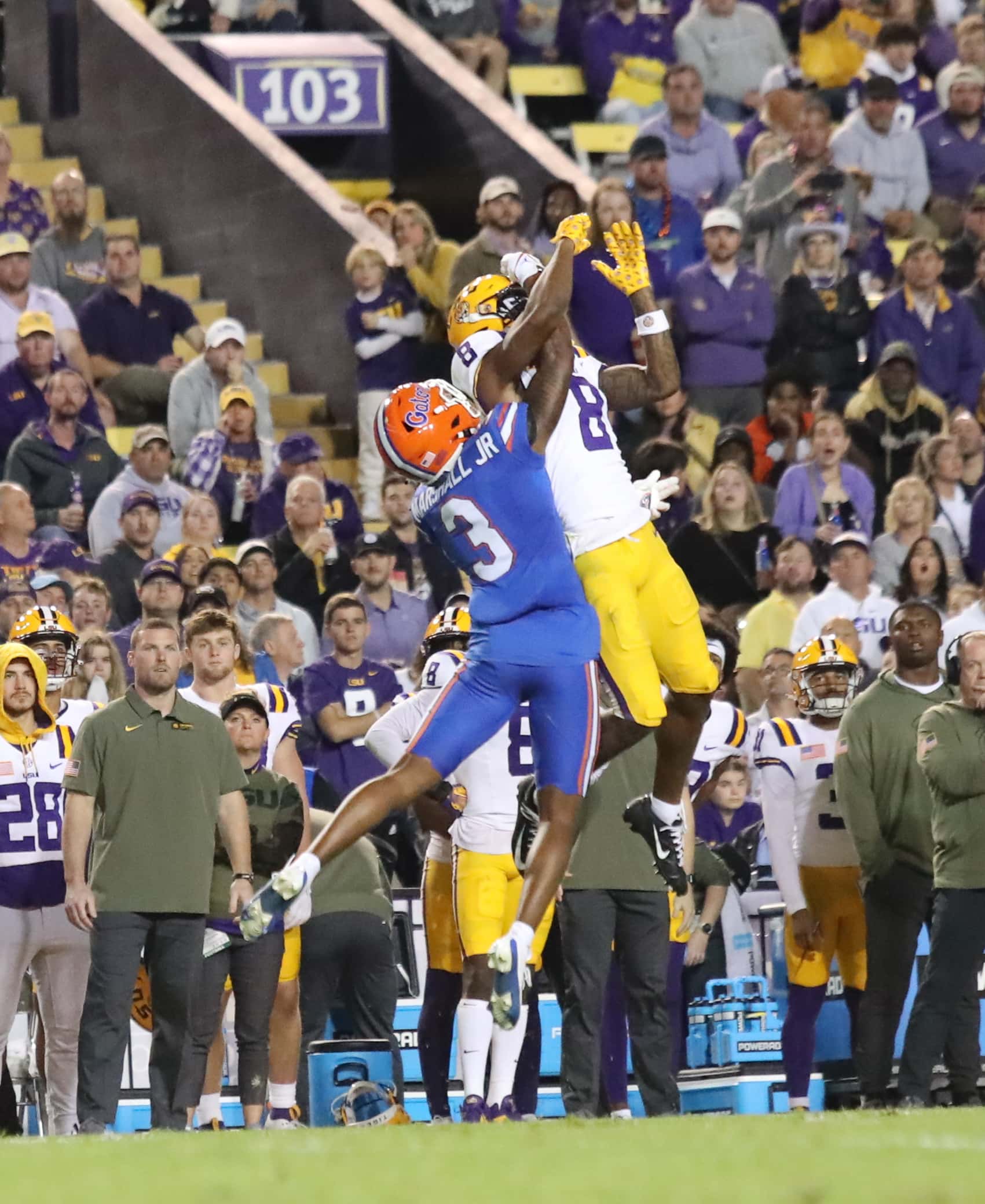
Florida opened the Jon Sumrall era with the kind of scoreboard that leaves no ambiguity, beating Florida Atlantic 66-21 at Ben Hill Griffin Stadium in Gainesville. It was the Gators' highest-scoring season opener since 1994 and the seventh consecutive home debut a new Florida head coach has won.
How the game went
Jadan Baugh carried the offense on the ground, running for roughly 160 yards and three touchdowns. Aaron Philo added around 275 yards passing and four total scores, giving Florida balance from the opening drives and putting the game beyond reach well before the fourth quarter.
A 66-point output against a Group of Five opponent is not, on its own, predictive of much. Season openers against non-conference opponents are designed in part to let a new staff evaluate personnel in live conditions, and both the volume of scoring and the distribution of touches reflected that.
What the number does establish is that the offense functioned. New coaching staffs frequently struggle in first games with operational basics, including tempo, substitution and communication. Florida did not appear to have those problems, which is a meaningful early data point for a program that has cycled through offensive identities in recent seasons.
The defensive question
The concern coming out of the win was on the other side of the ball. Sumrall, whose reputation was built substantially on defense, indicated afterward that the unit's performance did not meet his standards, and the 21 points allowed to a Group of Five opponent supported the point.
Defensive coordinator Brad White inherits a unit in transition, and the specific issues in an opener tend to be alignment and communication rather than talent. Missed fits in the run game, blown coverage assignments and penalties are the categories that respond to coaching and repetition rather than to recruiting.
Sumrall's public dissatisfaction after a 45-point win is itself a signal about the standard he intends to set. Programs that accept comfortable wins against overmatched opponents without correction tend to find those errors compounded when the schedule stiffens.
The staff Sumrall assembled
Sumrall arrived at Florida after building a reputation as one of the more effective program builders outside the power conferences. His staff pairs offensive coordinator Buster Faulkner with White on defense, a combination that suggests an intent to build a physically dominant unit without sacrificing offensive tempo.
Coaching transitions at Florida carry a particular weight. The program's expectations were set during championship eras and have not adjusted downward in the years since, which has made the job one of the more demanding in college football. Sumrall's first year will be evaluated less on record than on whether the program looks structurally different from what preceded it.
Roster management under the current transfer portal and name, image and likeness environment is a substantial part of that evaluation. Florida's ability to retain developing players and attract established ones now depends on collective resources and player relationships as much as on facilities and tradition.
What comes next on the schedule
Florida hosts Campbell on September 12 in the first meeting between the two programs, another non-conference opportunity to work through depth and evaluate personnel before the schedule turns serious.
The real test arrives September 19 with a road trip to Auburn, the Gators' first Southeastern Conference game of the season. Road conference openers are among the more revealing games on any schedule, particularly for a first-year staff, because they combine hostile environment, unfamiliar operational conditions and an opponent with comparable talent.
Television time windows for Florida's season were announced earlier in the year, with the FAU opener carried on SEC Network. Conference games generally draw larger windows and later selection processes.
Why it matters across Florida
College football occupies a distinctive place in Florida's fall calendar. The state supports three power conference programs in Florida, Florida State and Miami, along with a substantial set of Group of Five programs including Central Florida, South Florida and Florida Atlantic, and it produces more Division I football talent per capita than nearly any state in the country.
Florida Atlantic's role in this game is worth noting rather than dismissing. Games between in-state programs move recruiting perception, and a Boca Raton program taking a heavy loss in Gainesville affects how it presents itself to the South Florida high school players both schools recruit.
The economic effect on Gainesville is straightforward and substantial. Home games in a stadium of that size fill hotels across Alachua County, drive restaurant and retail traffic and generate parking and concession revenue that supports both the university and the local economy. Alachua County's fall economy is measurably shaped by the number of home dates on the schedule.
The state of Florida college football this season
Florida State and Miami are both navigating their own seasons, with the rivalry between them scheduled for October at Hard Rock Stadium rather than early in the year. Miami's early schedule included a home date against Florida A&M at Hard Rock Stadium.
The realigned conference landscape has changed what these seasons mean. Expanded playoff access has raised the value of a one-loss or even two-loss season for a power conference program, which means early non-conference results matter less to postseason positioning than they once did and conference results matter more.
For Florida specifically, the Southeastern Conference schedule is the entire evaluation. A program can look transformed in September and be exposed in October, and the Gators' path runs through a conference that produces national contenders annually.
What the roster looks like
Jadan Baugh's 160-yard, three-touchdown performance established him as the focal point of the running game, and a first-year staff leaning on a back that heavily in an opener generally reflects both confidence in the player and a desire to keep the offense simple while installing a system.
Aaron Philo's four total scores and roughly 275 passing yards indicated a quarterback comfortable operating the offense from the first drive. For a program that has cycled through quarterback situations, stability at the position is the variable that most reliably separates good Florida seasons from disappointing ones.
Depth is where non-conference openers are genuinely useful. A 45-point margin allows a staff to play reserves in live conditions against real opposition, which produces evaluation data that practice cannot.
The roster construction question underlying all of it is retention. Programs now lose players to the transfer portal at every level of the depth chart, and a coaching change historically accelerates that. How many contributors Sumrall retained through the transition will become apparent as the season progresses and injuries force reliance on the back half of the roster.
The Swamp and home field
Ben Hill Griffin Stadium is among the more distinctive venues in college football, a steep-sided bowl that concentrates crowd noise in a way modern stadium designs generally do not. Sumrall described being surprised by the intensity when he walked out before the opening kick.
Home field advantage in college football is measurable and larger than in most professional sports, driven by crowd effects on offensive communication, officiating tendencies and travel burden on visiting teams. In the Southeastern Conference, where several programs maintain venues of comparable scale, the advantage tends to neutralize in conference play but remains substantial against non-conference opponents.
September conditions in Gainesville add a physical dimension. Heat and humidity in early-season games favor the team acclimated to them, which is one reason Southeastern Conference programs schedule the way they do.
The economic effect on Alachua County is concentrated and significant. Home game weekends fill hotels across the county and into neighboring communities, and the number of home dates on a schedule is a meaningful variable in local hospitality revenue.
Recruiting and the state pipeline
Florida produces one of the largest volumes of Division I football talent in the country, concentrated in the South Florida corridor, the Tampa Bay area, Jacksonville and the Orlando region. Every major program in the country recruits the state, which means Florida's in-state programs compete against national opposition for players in their own backyard.
That dynamic makes early-season perception matter more than it otherwise would. High school prospects and their families watch how a program plays, and a new staff establishes its recruiting pitch substantially through what happens on the field in its first months.
Name, image and likeness compensation and the collective structures that support it have become central to that competition. Programs with better-resourced collectives have advantages that scheme and tradition do not offset.
Florida high school football itself is in season, building toward state championship weekends later in the fall, and the relationship between the college programs and the state's high school coaching community is a durable part of how recruiting works here.
The expanded playoff math
College football's postseason structure has changed what a season like this one can become. An expanded playoff field means that a program no longer needs an unbeaten record to reach the bracket, and conference championship performance carries more weight than nonconference scheduling strength.
For Florida, that shifts the internal calculus. A first-year staff that loses two or three Southeastern Conference games can still be in the conversation late in the season, which changes how a coach manages risk in September and how a fan base should interpret an early setback.
It also raises the stakes on health. A longer postseason means more games, and roster depth becomes a competitive variable rather than an insurance policy. Programs that survive into December and January are generally the ones that developed backups during the September portion of the schedule.
That is part of why a 45-point win against a Group of Five opponent has value beyond the result. The reserve snaps taken in the fourth quarter are the ones that matter in November.
What's next
Campbell visits Gainesville on Saturday. The things worth watching are not the score but whether the defensive issues Sumrall identified show correction, whether Baugh's workload is managed with the conference schedule in mind, and how Philo handles a second start in the system.
Auburn the following week is the first real referendum. Until then, Florida has a 45-point win, a first-year head coach who was not satisfied by it, and a fan base that has heard optimistic Septembers before.
Spotted an issue with this article?
Have something to say about this story?
Write us a letterComments
No comments yet. Be the first to weigh in.
Related Coverage

Baker Mayfield Set to Return as 1-5 Buccaneers Visit NFC South-Leading Panthers
4h ago

UCF Hosts No. 2 BYU in Highest-Ranked Visit in Bounce House History as Knights Seek Homecoming Upset
22h ago

Brady Tkachuk Scores in Hostile Ottawa Return, but Senators Beat Panthers 5-1
1d ago
Winless Dolphins Visit Jets in Week 7 as Jeff Hafley Says Malik Willis 'Should Be Good'
1d ago