GOP Higher Education Overhaul Reshapes UF Presidential Search and Accreditation
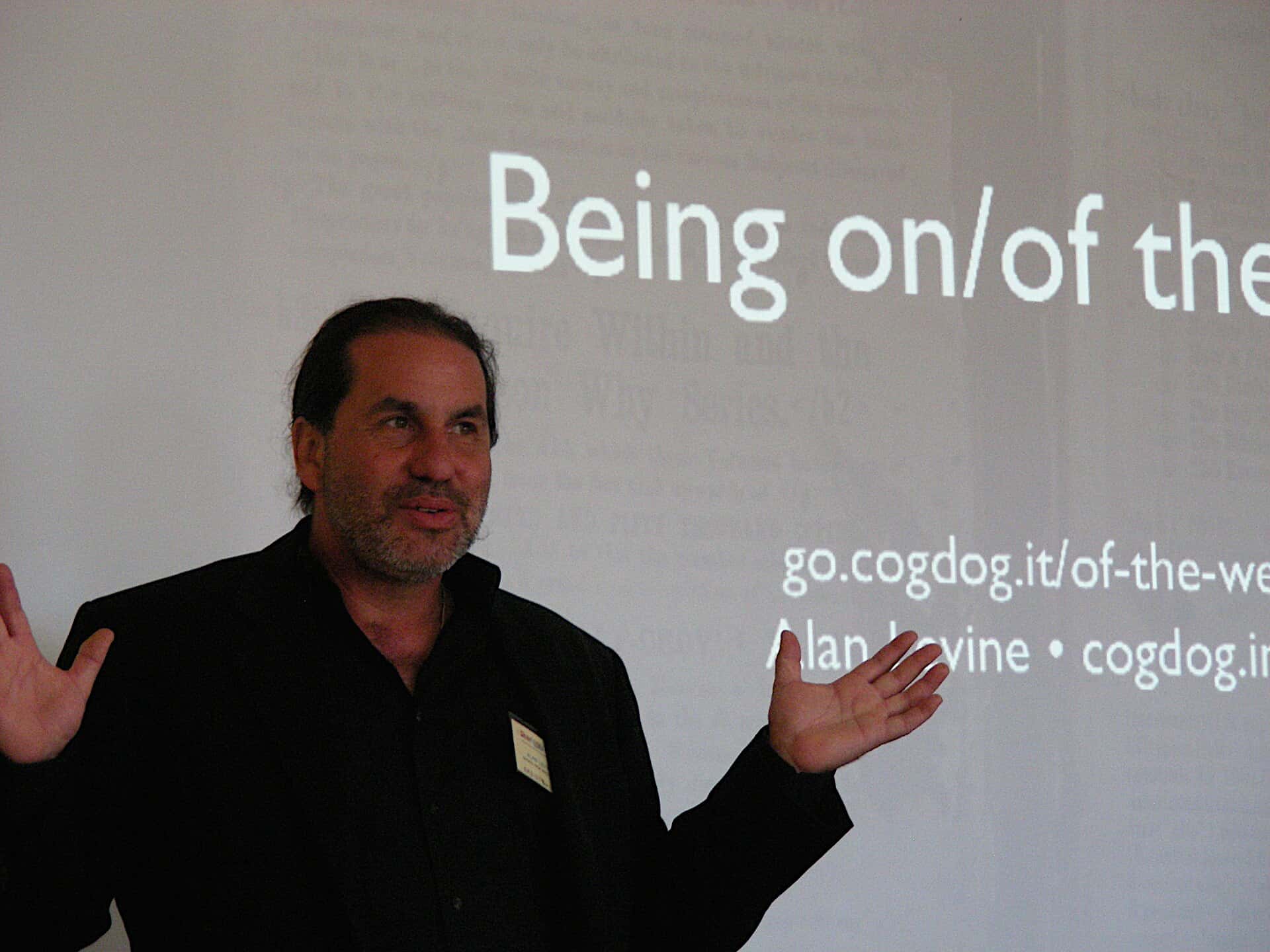
A Republican-led restructuring of Florida higher education is reshaping governance across the State University System, touching the University of Florida's still-unsettled presidential search and the system's entire approach to accreditation. The changes, driven by the Florida Board of Governors under Chairman Alan Levine, mark the latest stage in a multiyear conservative effort to remake how the state's public universities are led, governed, and held accountable. For Florida's roughly 430,000 public university students and the faculty who teach them, the stakes are substantial and still developing.
At the center of the shift is a reconsideration of who holds power over the most consequential decision any university makes: choosing its president. The Board of Governors, the constitutional body that oversees all 12 of Florida's public universities, recently scrapped a year-old policy that had concentrated unusual authority over presidential selections in the hands of the board chair. The reversal arrived as UF continued to look for a permanent leader after an earlier top choice fell through, leaving the flagship campus in Gainesville without a settled answer at a pivotal moment.
Running alongside the governance changes is an equally ambitious effort to rework accreditation, the system of external review that certifies academic quality and, critically, unlocks federal student aid. The board has moved toward helping create a new state or regional accrediting agency that could eventually replace the traditional accreditor that has long overseen Florida's universities. Together, the two threads represent one of the most aggressive state-level reshapings of public higher education in the country.
The Board of Governors Reverses Course
The most immediate change involves how presidents are hired. A year ago, the Board of Governors adopted a policy that handed its chair significant influence over presidential searches, a move critics warned could centralize control over the flagship and other campuses in a single set of hands. The board has now nixed that policy, stepping back from a structure that had drawn sustained criticism from faculty groups and shared-governance advocates.
The reversal does not return the system to where it stood before. Instead, the board is reviewing the broader process by which university presidents are hired across the State University System, signaling that more changes to selection procedures may follow. Officials have framed the review as an effort to clarify roles and improve accountability, though the practical effect on the balance of power between individual boards of trustees and the statewide board remains to be seen.
For UF, the timing is consequential. The university has been searching for a new president, and the governance rules that apply to that search have been shifting underneath it. The withdrawal of the chair-centric policy removes one contested mechanism from the process, but the ongoing review means the rules could continue to evolve even as the search proceeds. That uncertainty has left the flagship in an unusual position for an institution of its prominence.
Chairman Levine and the board have presented these moves as part of a deliberate effort to strengthen oversight of a system that has grown in size, ambition, and national ranking in recent years. Supporters argue that closer state coordination is appropriate for institutions funded by taxpayers. Critics counter that the accumulation of authority at the state level, even when individual policies are walked back, reflects a steady erosion of the independence universities have traditionally enjoyed.
A Flagship Without a Permanent Leader
The University of Florida's leadership vacancy sits at the heart of the story. The state's flagship and a top public research university, UF has been working to install a permanent president, but an earlier front-runner for the job was rejected before the appointment was finalized. That setback left the search open and exposed it to the very governance changes the Board of Governors is now weighing.
The episode fits a broader pattern that has defined Florida's recent university leadership appointments. The Board of Governors has confirmed a series of allies of Gov. Ron DeSantis to university presidencies, a trend that has drawn praise from supporters who see it as aligning campuses with the state's elected leadership and criticism from those who view it as politicizing posts that were once filled primarily through academic and administrative channels. UF's search has unfolded against that backdrop.
For students and faculty in Gainesville, the absence of a settled permanent leader carries real consequences. A flagship university relies on its president to set strategic priorities, recruit top scholars, steer fundraising, and represent the institution to lawmakers and donors. Prolonged uncertainty at the top can complicate hiring, slow major initiatives, and unsettle a campus community that depends on stable leadership to pursue long-term goals.
Because the search outcome is still developing, much about UF's next chapter remains unresolved. The eventual choice, and the process used to reach it, will offer one of the clearest tests yet of how the state's reshaped governance framework functions in practice. Whether the next president emerges from a traditional academic background or from the political and policy world that has produced several recent Florida appointments is a question the search has yet to answer.
Rethinking Accreditation
Beyond leadership, the board is pursuing a structural change with potentially far-reaching implications: the creation of a new accrediting agency. Accreditation is the external stamp of approval that certifies a university meets academic and operational standards, and it carries enormous weight because federal student financial aid is tied to it. Florida has long been overseen by a traditional regional accreditor, and the move to build an alternative would mark a significant break from established practice.
State leaders have argued that the existing accreditation system is bureaucratic, ideologically slanted, and resistant to the reforms Florida wants to pursue. By helping stand up a new state or regional agency, the board aims to create a path that could eventually replace the traditional accreditor for Florida's public universities. The effort has been pursued in coordination with other states interested in building alternatives to the dominant accreditation bodies.
The implications for students and institutions are significant and not fully settled. Accreditation underpins the transferability of credits, the recognition of degrees by employers and graduate programs, and access to federal aid. Any transition to a new accreditor would have to navigate federal recognition requirements and a complex regulatory landscape, and the timeline for such a shift is measured in years rather than months. The board's pursuit of the option, however, signals how thoroughly it intends to reshape the system.
Faculty organizations and some higher-education observers have raised concerns that a state-influenced accreditor could blur the line between independent quality assurance and political oversight. The purpose of accreditation, they argue, is to provide an external check on universities, and an accreditor closely aligned with state government could weaken that function. Proponents respond that the existing system already imposes its own values and that Florida is entitled to seek alternatives that reflect its priorities.
New College as the Template
The current overhaul did not begin with UF. The clearest template for Florida's conservative remake of higher education has been New College of Florida, the small public honors college in Sarasota that became a focal point of the effort beginning in 2023. The state installed a new board and leadership there with an explicit mandate to reshape the institution's mission and culture, and the campus has served as a proving ground for ideas now spreading across the system.
New College has been led since 2023 by President Richard Corcoran, a former Republican lawmaker and onetime state House speaker who later served as Florida's education commissioner. His appointment exemplified the pattern of placing political figures aligned with the governor at the helm of public institutions, and his tenure has been closely watched as a model and a flashpoint, depending on the observer's perspective. The changes there reshaped hiring, academics, and the campus's public identity.
What began at a single small college has since informed a system-wide approach. The governance reviews, the leadership appointments, and the accreditation push all reflect the same underlying philosophy that animated the New College intervention: that publicly funded universities should be more directly accountable to the state's elected leadership and its policy priorities. Supporters see a long-overdue correction; critics see an erosion of the academic independence that has historically defined American higher education.
For the State University System's larger institutions, including UF, the New College example raises the question of how far the model will extend. The flagship is a vastly larger and more complex institution than a small honors college, with a sprawling research enterprise and a national profile. How the principles tested in Sarasota translate to a campus of that scale is one of the central uncertainties hanging over the current round of changes.
What It Means for Students and Faculty
For the students who attend Florida's public universities, the practical effects of the overhaul will unfold gradually. Day-to-day academic life continues largely unchanged in the near term, but the longer-term questions, around who leads their institutions, how degrees are accredited, and how much independence faculty retain, touch the core of the educational experience. Prospective students and their families weighing Florida's universities are watching how the changes settle.
Faculty face their own set of concerns. Shared governance, the traditional arrangement in which professors hold meaningful influence over academic matters, has been a recurring point of tension throughout the overhaul. Centralized control over presidential searches, a new accreditation framework, and politically aligned leadership all bear on the autonomy faculty have historically exercised. Some scholars have voiced worries about recruitment and retention if Florida's reputation for academic independence is seen to weaken.
At the same time, the state's universities have posted notable gains in national rankings and research funding in recent years, and supporters of the changes argue that strong state oversight and these results are compatible, even complementary. They point to rising enrollment, expanding programs, and competitive recruitment as evidence that the system remains healthy. The debate, in large part, is over whether that success is occurring because of the new governance approach or in spite of it.
The accreditation effort adds a layer of uncertainty that students rarely have to consider but cannot ignore. Because accreditation underpins federal aid and the recognition of degrees, any eventual transition would need to be handled carefully to avoid disrupting students mid-degree. The board has emphasized that change would proceed through proper channels, but the prospect alone introduces a new variable into decisions about where to enroll and what a Florida degree will be worth.
What's Next
The most closely watched near-term question is how UF's presidential search resolves under the revised governance rules. With the chair-centric selection policy withdrawn and a broader review of the hiring process underway, the eventual choice will signal how the reshaped system handles its most important appointments. Because the outcome remains unsettled, the flagship's leadership future is still an open story, and the process is likely to draw intense scrutiny from faculty, students, and lawmakers alike.
The accreditation initiative will play out over a longer horizon. Building a new accrediting agency and securing the federal recognition needed to make it viable is a multiyear undertaking, and its trajectory will depend on cooperation among states, federal regulators, and the institutions involved. For now, the board's pursuit of the option stands as a marker of how comprehensively Florida intends to reshape the architecture of its public universities.
Taken together, the governance reversals, the leadership appointments, and the accreditation push amount to a sustained effort to bring Florida's public universities into closer alignment with the state's elected leadership. Whether that effort ultimately strengthens the institutions or compromises their independence is the question that will define Florida higher education in the years ahead. For the students enrolling this fall and the faculty teaching them, the answers are still being written, in Gainesville, in Sarasota, and in the meeting rooms of the Board of Governors.
Spotted an issue with this article?
Have something to say about this story?
Write us a letterComments
No comments yet. Be the first to weigh in.
Related Coverage

OCPS Rejects Special Magistrate's Plan as School Board Takes Up Teacher Contract Impasse
1h ago

Judge Recommends Reprimand, Not Suspension, for Gainesville High Teacher Targeted by State Officials Over 'Dictator' Superlative
4h ago

Appeals Court Rules Escambia School Board Members Can Be Deposed Over Library Book Removals
7h ago
Orange County Public Schools Lost About 8,000 Students in a Year, and Roughly 5,000 Were Immigrants, District Data Show
1d ago