Jaguars Cut to 53 With Trevor Lawrence and Travis Hunter Anchoring the 2026 Roster
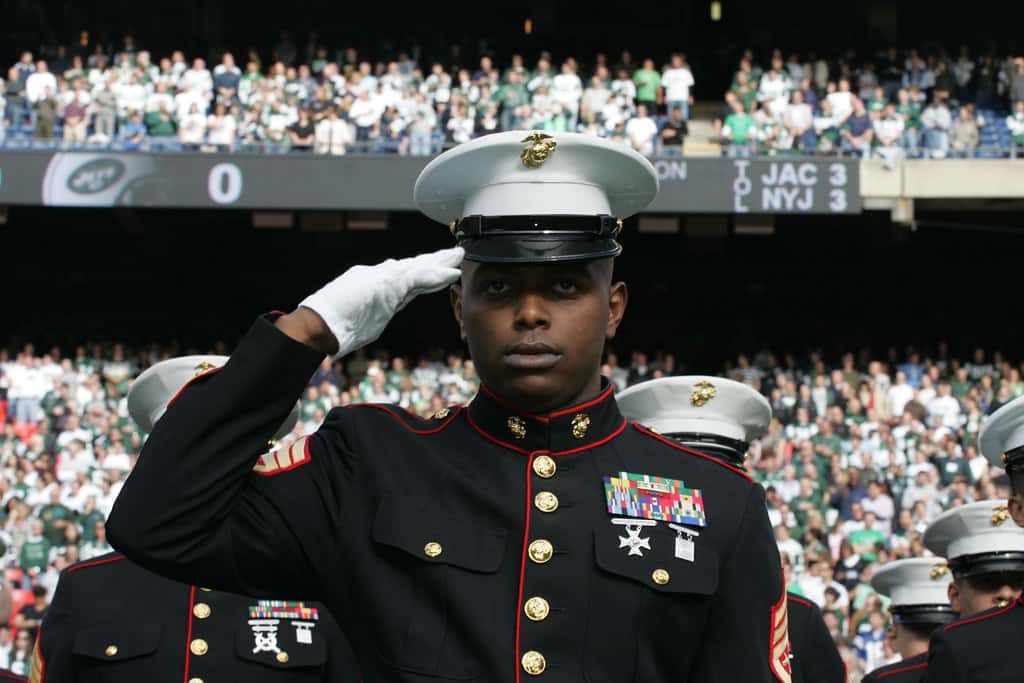
The Jacksonville Jaguars completed their reduction to the NFL's 53-man limit ahead of Sunday's league deadline, waiving 25 players, releasing nine others, waiving two with injury designations and placing two on injured reserve with a designation to return.
The final composition breaks down as 25 offensive players, 26 defensive players and a punter. That allocation, with defense holding one more spot than offense, reflects a roster built around a defense the organization has invested in heavily over recent draft cycles.
Quarterback Trevor Lawrence and two way player Travis Hunter headline the group. Hunter's presence on the roster carries roster construction implications that no other player in the league presents, since a player who takes meaningful snaps on both sides of the ball changes how a team allocates depth behind him.
How the cuts broke down
The distinction between waiving and releasing a player is not cosmetic. Players with fewer than four accrued NFL seasons are subject to waivers, meaning any other club can claim them and assume their contract, with claims awarded in reverse order of the prior season's standings. Players with four or more accrued seasons are released outright and become immediate free agents.
Jacksonville waiving 25 and releasing nine indicates a roster whose bottom tier skews young, which is typical for a team that has drafted heavily and carried a large number of first and second year players through camp.
The two players waived with an injury designation follow a separate path. If unclaimed, they revert to the team's injured reserve list, where they can either reach an injury settlement and be released or remain on the roster's reserve list for the season.
The two players placed on injured reserve with a designation to return are eligible to come back after missing a specified number of games, a mechanism that allows teams to preserve roster spots while keeping recovering players.
The Hunter factor
Travis Hunter's role is the most closely watched question in Jacksonville. A player who lines up at both wide receiver and cornerback occupies a single roster spot while filling responsibilities that would ordinarily require two, and how the coaching staff manages his snap count has consequences for the depth behind him at both positions.
The practical constraint is workload. NFL games place demands on players that make full time two way participation historically rare, and teams that have tried have generally settled on a primary position with a package of snaps at the secondary one.
Roster construction reflects the uncertainty. A team that expects heavy receiver usage from Hunter needs different cornerback depth than one that expects the reverse, and the initial 53 has to hedge in both directions.
What the roster says about the plan
Carrying a single punter and no second specialist beyond the standard kicker and long snapper arrangement is conventional. Where teams differentiate is in how many players they keep at positions with high injury rates, particularly offensive line and defensive back.
A 26 player defensive allocation typically means five or six players at each level, with extra bodies concentrated in the secondary where sub packages require four or five defensive backs on a large share of snaps.
On offense, 25 players covers quarterbacks, running backs, receivers, tight ends and the offensive line. Teams generally keep nine or ten offensive linemen, which leaves the remaining spots to be allocated among skill positions.
The waiver wire ahead
Sunday's roster is provisional. Waiver claims are processed the following day, and clubs routinely add two or three claimed players while releasing an equal number of their own. Jacksonville's waiver position depends on its finish in the prior season, with worse records earning higher priority.
Practice squad assembly follows. Players who clear waivers can be signed to the practice squad, and current rules allow teams to elevate practice squad players to the game day roster a limited number of times per player per season without signing them to the active roster.
For players cut this weekend, the practice squad is often the destination. Teams frequently re-sign their own released players to the practice squad within days, which is why a name on the cut list is not necessarily gone.
What it means for Jacksonville
The Jaguars enter the season with a roster whose ceiling depends on Lawrence's health and production. Quarterback play has been the defining variable in Jacksonville's results, and the supporting cast assembled around him is the organization's attempt to raise the floor.
The defensive investment is the other story. Allocating more roster spots to defense than offense is a choice that shows up on the field in how a team wants to win games, and Jacksonville has spent recent drafts and free agency periods building that side.
Northeast Florida has a distinct relationship with its NFL team. Jacksonville is Florida's largest city by population and the only one of the state's three NFL markets where the football team is the unambiguous primary professional sports draw, without competition from an NBA, NHL or MLB franchise in the same metro.
Around the state
Miami reduced from 91 players to 53 over the same weekend, releasing veteran linebacker Tyrel Dodson and executing trades that sent quarterback Quinn Ewers out and brought quarterback Kyle McCord in from Green Bay.
Tampa Bay worked through its own decisions after closing the preseason against Jacksonville, with questions along the offensive line and at linebacker driving the final evaluations.
Florida's three NFL franchises share a state but not a division, which means they meet on the field only through the rotating scheduling formula and through preseason matchups like the one Jacksonville and Tampa Bay played to close the exhibition slate.
The economics behind the cuts
Roster construction in the NFL operates under a hard salary cap, and every decision at the deadline has a financial dimension alongside the competitive one. Releasing a player with guaranteed money remaining produces a dead cap charge that counts against the team even though the player is gone.
That accounting explains why teams often keep a veteran whose performance has slipped and release a younger player who has looked better in camp. The veteran's guarantees make cutting him expensive, while the younger player's contract carries little or no dead money.
Draft picks occupy a protected position for related reasons. A drafted player's contract is fully or substantially guaranteed depending on the round, and teams that release recent picks absorb charges while also acknowledging a scouting miss.
Jacksonville's cut list, weighted toward waived rather than released players, indicates a roster whose departures skewed toward players with fewer than four accrued seasons and correspondingly smaller financial consequences.
Injured reserve mechanics
The two players Jacksonville placed on injured reserve with a designation to return occupy a specific category worth understanding. Under current rules, teams can designate a limited number of players on injured reserve as eligible to return after missing a specified minimum number of games.
The designation preserves a roster spot in the sense that the player does not count against the 53 while on injured reserve, but it commits the team to the player's return timeline. A player placed on injured reserve before the season without the return designation is out for the year.
Waived with an injury designation is a different mechanism. If such a player clears waivers, he reverts to the team's injured reserve list, where the team can either reach an injury settlement and release him or carry him for the season.
Injury settlements are common for players with short term injuries whose roster prospects were marginal. The settlement pays an agreed amount, releases the player, and includes a period during which the original team cannot re sign him.
What the season depends on
Jacksonville's outcome this season rests primarily on quarterback play and health, as it has for several years. Lawrence's availability and production determine the offense's ceiling, and the supporting cast assembled around him is the front office's attempt to raise the floor beneath it.
The defensive allocation, 26 roster spots against 25 on offense, indicates an organization that expects to compete through defensive performance. Building that way requires depth, because defensive players sustain injuries at rates that force reserves into meaningful roles every season.
Special teams is the phase that determines many of the remaining roster spots. Players at the bottom of the depth chart survive cuts on the strength of their contributions on kickoff, punt and return units, and the initial 53 always reflects that consideration.
Divisional competition sets the context. The AFC South's balance in any given year shapes how much margin a team has, and Jacksonville's path to the postseason runs primarily through divisional results.
The next real information arrives in September, when snap counts, injury reports and results replace projection with evidence.
What Jacksonville's market means for the franchise
Jacksonville is Florida's largest city by population, covering a consolidated city county government that spans a substantial geographic area. The Jaguars operate as the region's only major professional franchise, without competition from other leagues in the same market.
That position has advantages and pressures. Local attention concentrates entirely on football, which supports engagement, but it also means the franchise carries the region's professional sports identity alone.
Stadium investment has been part of the ongoing conversation between the franchise and the city, as it has been in most NFL markets over the past decade. Facility decisions of that scale involve public financing questions similar to those Tampa and Hillsborough County resolved for the Rays.
Northeast Florida's population growth, driven by migration into St. Johns, Clay and Nassau counties alongside Duval, has expanded the market's base over the past decade.
What's next
Waiver claims process Monday, followed immediately by practice squad signings. The roster that opens the season will differ from the one announced Sunday, and the differences typically show up at the positions with the thinnest depth.
Regular season practice weeks begin, bringing with them the first official injury reports of the year. Participation designations in those reports are the most reliable public information about player availability.
The regular season opens in the second week of September, and the roster will continue to move until then.
Spotted an issue with this article?
Have something to say about this story?
Write us a letterComments
No comments yet. Be the first to weigh in.
Related Coverage
Florida Gators at No. 7 Texas: Aaron Philo Questionable, Vernell Brown III Could Return as Sumrall's Team Tries to Stop a Two-Game Skid
2h ago
Buccaneers Host Aaron Rodgers and the Steelers Sunday as Jalon Daniels Lines Up for a Third Start and Trump Drops Plans to Attend
5h ago

Mario Cristobal warns No. 3 Miami against entitlement as struggling Florida State visits Hard Rock Stadium
1d ago
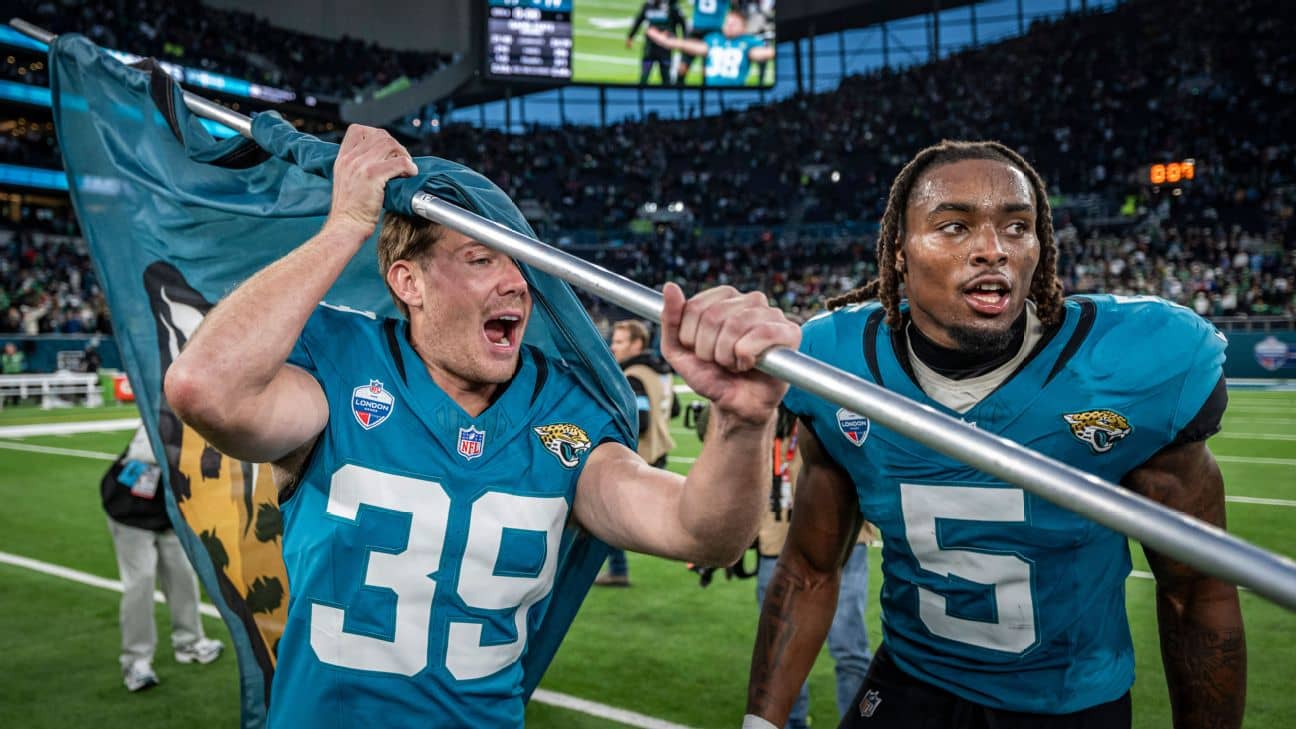
Jaguars left tackle Anton Harrison headed for knee surgery and injured reserve; Walker Little steps in for Texans game in London
1d ago