Lawsuit Challenges Ballot Language for Florida Property Tax Amendment
A lawsuit filed June 11, 2026, in Leon County Circuit Court is challenging the ballot language for Florida's proposed property tax amendment, the measure set to appear before voters on the November 3, 2026 ballot. The plaintiffs argue that the title approved by the Legislature, "Save Our Homes From Excessive Property Taxes," reads more like political advertising than a neutral description of what the amendment would do. The case puts a high-profile element of Gov. Ron DeSantis's property tax push under legal scrutiny months before Floridians vote.
The suit was brought by a nonprofit called Save Our Voters From Misleading Ballot Language, Inc., joined by Thomas F. Campenni, a former mayor of Stuart, and Michael W. Davey, a former mayor of Key Biscayne. Their attorney is Jamie Cole. Together, the plaintiffs contend that voters deserve a fair and accurate summary on the ballot, and that the wording lawmakers chose tilts the playing field before a single vote is cast.
At stake is a measure that would significantly increase the homestead exemption for non-school property taxes, a change with direct consequences for Florida homeowners, local government budgets, and the broader debate over how the state funds its communities. Because the amendment requires 60% voter approval to pass, the framing of its ballot language could prove pivotal in a close contest.
What the Amendment Would Do
The proposed amendment would raise the homestead exemption for non-school property taxes from $50,000 to $150,000 in 2027, then to $250,000 in 2028. The homestead exemption reduces the taxable value of a primary residence, so a larger exemption means a smaller portion of a home's value is subject to those non-school taxes. For many homeowners, that would translate into lower annual property tax bills.
The phased structure, stepping up the exemption over two years, would deliver the change gradually rather than all at once. The carve-out for school taxes is notable: by limiting the increase to non-school levies, the measure leaves school funding formulas untouched on this front, concentrating the tax relief and the corresponding revenue impact on other local government services.
To take effect, the amendment must clear the 60% threshold that Florida requires for constitutional amendments. That bar is higher than a simple majority and has historically determined the fate of contested measures, making turnout and persuasion central to the outcome. It also raises the stakes of how the measure is described to voters, since a few percentage points can decide passage.
The amendment reached the ballot through the Legislature rather than a citizen petition. Lawmakers passed it during a special session held June 1 through June 3, 2026, which DeSantis convened as part of his "Save Our Homes" property tax effort. That origin is part of why the ballot title itself has become a flashpoint.
The Core of the Legal Challenge
The plaintiffs' central argument is that the ballot title functions as a slogan rather than a summary. The phrase "Save Our Homes From Excessive Property Taxes" frames the measure in persuasive terms, they contend, using language that signals an endorsement of the amendment rather than a neutral account of its provisions. In their view, that wording reads like campaign advertising placed directly on the ballot.
Florida law generally requires that ballot summaries be clear and accurate so that voters understand what they are approving or rejecting. Challenges to ballot language often hinge on whether the wording misleads voters or improperly advocates for a result. The plaintiffs are positioning their case within that framework, arguing that the title's persuasive tone crosses the line from description into advocacy.
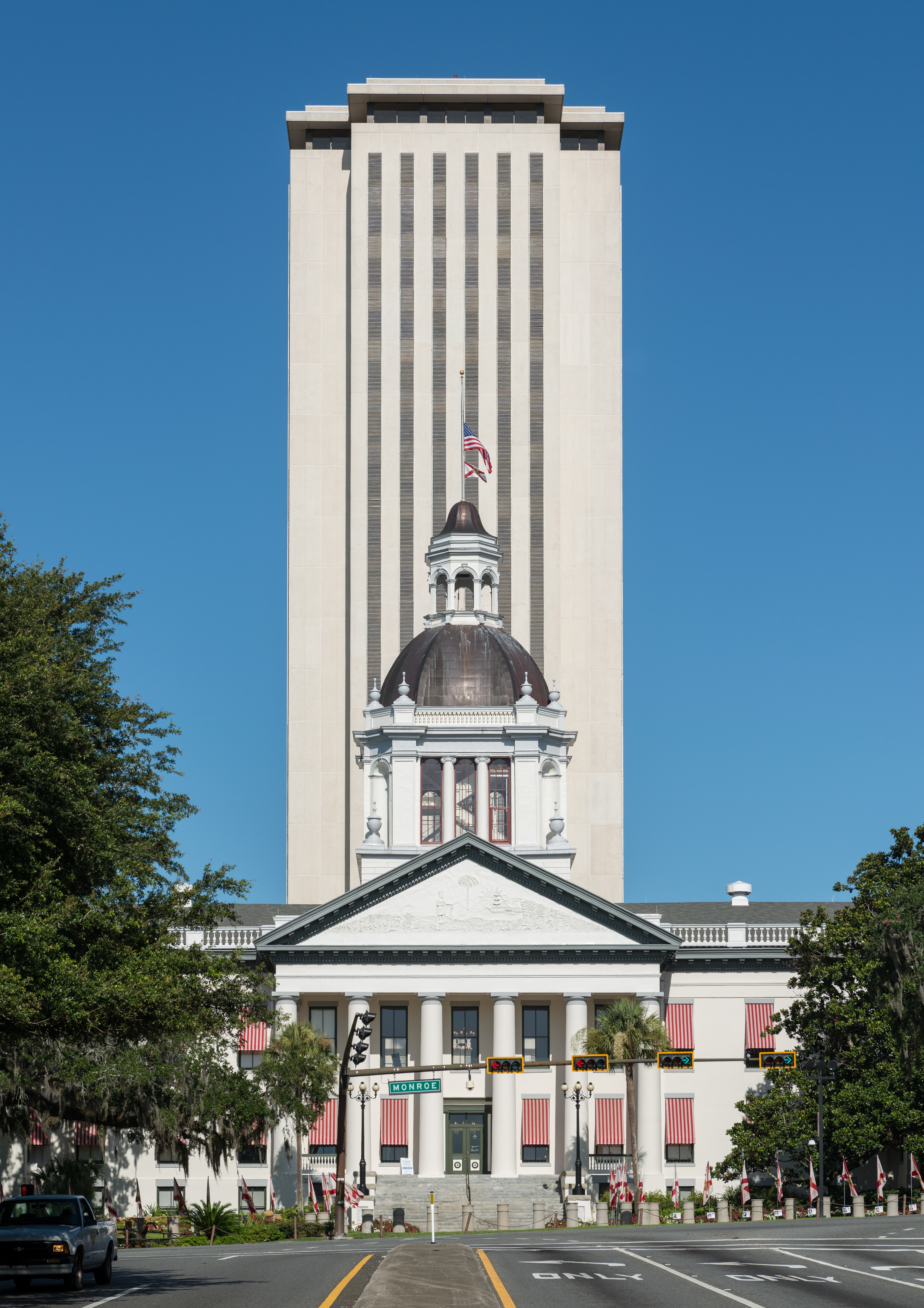
By filing in Leon County Circuit Court, the plaintiffs brought the case in the venue that commonly handles disputes over statewide ballot measures, given Tallahassee's role as the seat of state government. The attorney representing them, Jamie Cole, will need to convince the court that the language is misleading enough to warrant intervention, a standard that courts have applied carefully in past ballot disputes.
The outcome is not guaranteed in either direction. Courts have sometimes ordered ballot language revised or struck when they found it misleading, and other times allowed contested wording to stand. The decision in this case could turn on how the judge weighs the difference between framing that is favorable and framing that is genuinely deceptive.
A Second Challenge on the Horizon
The Leon County suit may not be the only legal obstacle the amendment faces. A city attorney from Weston, in Broward County, has signaled a separate challenge, suggesting that opposition to the measure or its ballot language extends beyond the named plaintiffs in the current case. The prospect of multiple suits indicates that the dispute could unfold on more than one front.
Local governments have a direct interest in the outcome, since a higher homestead exemption would reduce the property tax base from which municipalities and counties draw revenue. That financial exposure helps explain why officials connected to local government, including former mayors and a city attorney, are among those raising objections. The amendment's effects would land squarely on the budgets they oversee or once oversaw.
Separate challenges, if filed, could raise overlapping or distinct legal theories. They might focus on the same ballot-language concerns or branch into other arguments about the measure's drafting or effects. Coordinated or parallel litigation could also affect the timeline, given the fixed November election date that limits how long courts have to resolve disputes.
For now, the Weston attorney's signal remains a stated intention rather than a filed case, so its precise contours are not yet clear. Its emergence nonetheless underscores that the property tax amendment has drawn organized resistance from figures tied to Florida's local governments.
Ballot Language Disputes in Florida
Florida has a long history of litigation over how ballot measures are worded, and the current case fits within that tradition. Because the ballot title and summary are often the only information many voters read before deciding, the wording can carry outsized influence over an election's outcome. That reality has made ballot language a recurring battleground in the state's politics.
Courts reviewing such challenges typically ask whether the language gives voters fair notice of the chief purpose and effect of a measure, and whether it does so without being misleading. Persuasive framing alone does not always doom a ballot title, but language that obscures a measure's true effect or that reads as outright advocacy has drawn judicial intervention in the past. The plaintiffs here are betting that the title falls on the wrong side of that line.
The plaintiffs' choice of name for their nonprofit, Save Our Voters From Misleading Ballot Language, deliberately echoes the "Save Our Homes" branding it opposes, drawing attention to the rhetorical framing at the heart of the dispute. That framing argument is the crux of the case: whether a title can borrow the language of a political campaign and still serve as a neutral summary on the ballot.
How the court resolves that question could carry implications beyond this single amendment. A ruling on what separates acceptable framing from improper advocacy would offer guidance for future ballot measures, shaping how lawmakers and drafters approach the titles they put before voters in years to come.
The Stakes for Homeowners and Local Budgets
For homeowners, the amendment's appeal is direct: a larger homestead exemption would lower property tax bills for primary residences, easing a cost that has risen alongside Florida's housing values. That benefit is the heart of the "Save Our Homes" message and the reason the measure resonates with many residents feeling squeezed by housing-related expenses.
For local governments, the picture is more complicated. Property taxes fund a wide range of municipal and county services, and a higher exemption shrinks the tax base that supports them. Critics warn that to make up the difference, municipalities could face pressure to raise taxes on commercial properties. That, in turn, could indirectly affect small-business tenants, since higher costs for commercial property owners can flow through to the businesses that lease space.
This tension sits at the core of the policy debate. Supporters frame the amendment as relief for struggling homeowners, while critics frame it as a shift that could ripple through local budgets and onto businesses. The dispute over ballot language overlaps with this substantive disagreement, because how the measure is described shapes how voters weigh those competing concerns.
The phased rollout, reaching a $250,000 exemption by 2028, would deepen these effects over time. The longer the higher exemption is in place, the larger its cumulative impact on local revenue and on the choices local officials face about how to balance their budgets.
How This Reached the Ballot
The amendment is a product of the special session DeSantis called for June 1 through June 3, 2026. Special sessions allow the Legislature to act outside its regular schedule on priorities the governor designates, and in this case the focus was the governor's "Save Our Homes" property tax elimination push. The measure's swift passage through that session placed it on the November ballot.
Because the amendment originated with the Legislature, lawmakers also drafted the ballot title now under challenge. That connection is part of what the plaintiffs are contesting, arguing that the same body promoting the policy crafted language that promotes it on the ballot. The legislative origin distinguishes this measure from citizen-initiated amendments, which follow a different path to the ballot.
DeSantis has championed property tax relief as a signature issue, and the special session reflected that priority. The "Save Our Homes" branding ties the measure to a broader political effort, which is precisely the link the plaintiffs say has bled into the ballot language itself. The title's resemblance to that branding is central to their claim that it functions as a slogan.
What's Next
The immediate path runs through Leon County Circuit Court, where the judge will weigh whether the ballot title misleads voters or improperly advocates for the amendment. A ruling could leave the language intact, order it revised, or otherwise affect how the measure appears before voters. Given the fixed November 3 election date, any decision will likely come on a compressed timeline.
The possibility of a second challenge from the Weston city attorney adds another variable. If that suit materializes, it could expand the legal fight and influence how quickly the courts must act. Multiple cases could also test different legal theories, broadening the range of issues a court might address before the election.
Whatever the courts decide, the underlying policy question will reach voters in November, assuming the measure survives the challenges. Floridians will weigh whether to raise the homestead exemption to $150,000 in 2027 and $250,000 in 2028, with the 60% approval threshold standing between the amendment and the state constitution. The battle over ballot language is, in the end, a battle over how clearly voters understand that choice.
Spotted an issue with this article?
Have something to say about this story?
Write a letter to the editor