Man Accused in Orange City Shooting Held Without Bond on Aggravated Battery Charge

A man accused of shooting and wounding another man outside a store in Orange City faces a charge of aggravated battery, and a judge has ordered him held without bond, according to authorities. The case, stemming from a confrontation that police say escalated into gunfire, is proceeding through the Volusia County court system after the suspect's initial court appearance.
What authorities allege
According to police, the man, identified in court proceedings as Joseph Aviles, is accused in connection with a shooting that left one man injured outside a retail store in Orange City. Authorities allege that the incident began with a verbal confrontation and escalated when the accused, according to investigators, fired multiple shots. The victim was wounded in the shooting, police said.
Investigators described a sequence in which an initial argument appeared to be subsiding before shots were fired, according to accounts of the allegations. Police said the accused fired several rounds during the incident. The account reflects the allegations authorities have presented; the accused is entitled to the presumption of innocence unless and until proven guilty in court.
The man faces a charge of aggravated battery in connection with the shooting, a serious felony offense that involves causing harm with a deadly weapon or causing great bodily harm. The specific charge reflects the allegation that the accused used a firearm to injure the victim. As the case proceeds, the charge and any additional counts will be addressed through the judicial process.
The court proceedings
At the accused's initial court appearance, a judge denied bond, citing the seriousness of the allegations and the use of a firearm, according to reports of the proceeding. The denial of bond means the accused is being held in custody as the case moves forward, rather than being released pending trial. Judges weigh factors including the severity of the charges and the circumstances in making such determinations.
The denial of bond in a case involving a firearm reflects the gravity with which courts treat allegations of gun violence. Bond decisions are made by judges based on the specifics of each case, including the nature of the charges and considerations related to public safety and the risk of flight. In this instance, the judge determined that holding the accused without bond was warranted.
The case will proceed through the standard steps of the criminal justice process, including the filing of formal charges, potential additional court appearances, and the opportunity for the defense to respond to the allegations. The accused is presumed innocent throughout, and guilt must be established through the legal process. The proceedings will unfold in the Volusia County court system.
How bond decisions work in Florida
In Florida, decisions about whether to release a defendant before trial follow a framework that balances the rights of the accused against considerations of public safety and the likelihood that a defendant will appear for future court dates. At an initial appearance, which typically occurs shortly after an arrest, a judge reviews the allegations and determines the conditions, if any, under which a defendant may be released. Those conditions can range from release on a defendant's own recognizance to the setting of a monetary bond, and in some circumstances to detention without bond.
Florida law recognizes categories of offenses for which pretrial detention may be sought, and courts consider the nature and circumstances of the alleged offense when making these determinations. In cases where a firearm is alleged to have been used to injure another person, judges frequently weigh the potential danger to the community heavily. The decision to hold a defendant without bond does not reflect a finding of guilt; rather, it is a determination about the appropriate custodial status while the case is pending. The accused retains the presumption of innocence throughout, and the defense may seek review of a bond determination as the case advances.
Pretrial detention decisions are among the earliest and most consequential steps in a criminal case, shaping the circumstances under which a defendant navigates the months that a felony matter can take to resolve. Because those decisions are made before evidence is tested at trial, they rest on preliminary information and the judge's assessment of the factors set out in law. As a case progresses and more information becomes available, the custodial posture can be revisited through motions and further hearings.
The Florida context
Cases involving firearms are a persistent focus of law enforcement and the courts in Florida, where gun-related incidents draw significant attention. Aggravated battery charges involving firearms are treated as serious offenses, reflecting the potential for grave harm. The judicial system processes such cases through the established steps designed to weigh the evidence and protect the rights of the accused.
The presumption of innocence is a foundational principle of the criminal justice system, ensuring that individuals accused of crimes are treated as innocent unless and until proven guilty. That principle applies to this case, as it does to all criminal matters. The allegations presented by authorities represent one side of the process, and the accused has the opportunity to contest them.
Local law enforcement agencies and prosecutors handle cases like this one as part of their broader work addressing violent crime. The Orange City area, located in Volusia County in Central Florida, falls within the jurisdiction of local police and the regional court system. The case reflects the routine but serious work of processing allegations of violent crime through the justice system.
Florida is among the states where firearms are widely present in daily life, and disputes that turn to gunfire remain a concern for law enforcement across urban, suburban, and rural areas alike. Volusia County, which stretches from the Atlantic coast at Daytona Beach inland through communities such as Orange City and DeLand, sees its share of cases in which local prosecutors pursue firearm-related charges. Aggravated battery involving a firearm carries the potential for significant penalties under Florida law, reflecting the state's treatment of alleged gun violence as a serious matter for the courts.
Central Florida communities have grappled in recent years with the challenge of responding to gun violence in ways that address both immediate public safety and the longer term factors that contribute to violent confrontations. Law enforcement agencies and county prosecutors typically approach individual cases through the established investigative and judicial channels, while broader efforts to reduce violence often involve coordination among police, community organizations, and local officials. A single case such as this one sits within that larger landscape, handled on its own facts through the courts while forming part of the wider picture of how the region confronts firearm-related incidents.
What it means for the community
For the Orange City community, an incident of gun violence outside a public retail location raises concerns about safety in everyday settings. Shootings in public places draw attention because of the potential risk to bystanders and the disruption they cause. The community response often includes a desire for reassurance about safety and accountability through the justice process.
The victim's injury underscores the human toll of gun violence, as a person was wounded in the incident. The recovery of the victim and the pursuit of justice through the courts are the immediate concerns following such an event. The impact extends to those directly involved and to the broader community's sense of security.
The handling of the case through the court system, including the denial of bond, reflects the mechanisms in place to address allegations of violent crime. The judicial process is designed to weigh the evidence, protect the rights of the accused, and reach a resolution. For the community, the progression of the case through those mechanisms is part of the response to the incident.
Incidents outside stores and other places where people gather for ordinary errands can heighten a sense of unease because they occur in settings that residents expect to be safe. Community safety efforts in areas like Orange City often draw on a combination of law enforcement presence, cooperation between residents and police, and the work of the courts in holding accountable those found responsible for violent acts. The way a single case is handled can shape public confidence in how the broader system responds to gun violence.
The legal process ahead
The case will move through the steps of the criminal justice system, beginning with the initial appearance and the bond determination and continuing through the filing of formal charges and subsequent proceedings. The defense will have the opportunity to respond to the allegations, and the process will determine the outcome. Throughout, the accused retains the presumption of innocence.
Prosecutors will review the evidence and determine how to proceed with the charges, while the defense will present its response. The adversarial nature of the process is designed to test the allegations and reach a just resolution. The specific course of the case will depend on the evidence and the decisions made by the parties and the court.
As the case proceeds, further court appearances and legal steps will address the charge and any developments. The judicial system will handle the matter through its established procedures. The resolution, whether through trial, plea, or other means, will come as the process runs its course in the Volusia County courts.
What's next
The accused remains held without bond as the case advances through the court system. Subsequent proceedings will address the formal charges and provide opportunities for the defense to respond. The progression of the case will be handled through the standard steps of the criminal justice process.
Authorities and prosecutors will continue their work on the case, reviewing evidence and proceeding with the charges. The outcome will be determined through the legal process, with the accused presumed innocent unless proven guilty. The case will unfold over the coming period as it moves toward resolution.
For the Orange City community, the handling of the case through the courts is part of the response to the incident of gun violence. The pursuit of accountability through the justice system, together with the recovery of the injured victim, are the focus following the shooting. The case's progression will be followed as it advances.
Spotted an issue with this article?
Have something to say about this story?
Write a letter to the editorComments
No comments yet. Be the first to weigh in.
Related Coverage

Jury Selection Begins in Manslaughter Trial of Ex-Okaloosa Deputy in Death of Airman Roger Fortson
3h ago

Florida Set to Execute Curtis Beasley, 77, Tonight for 1995 Polk County Hammer Killing
4h ago

Pompano Beach Man Charged With Two Counts of First-Degree Murder in Deerfield Beach Shootings
1d ago
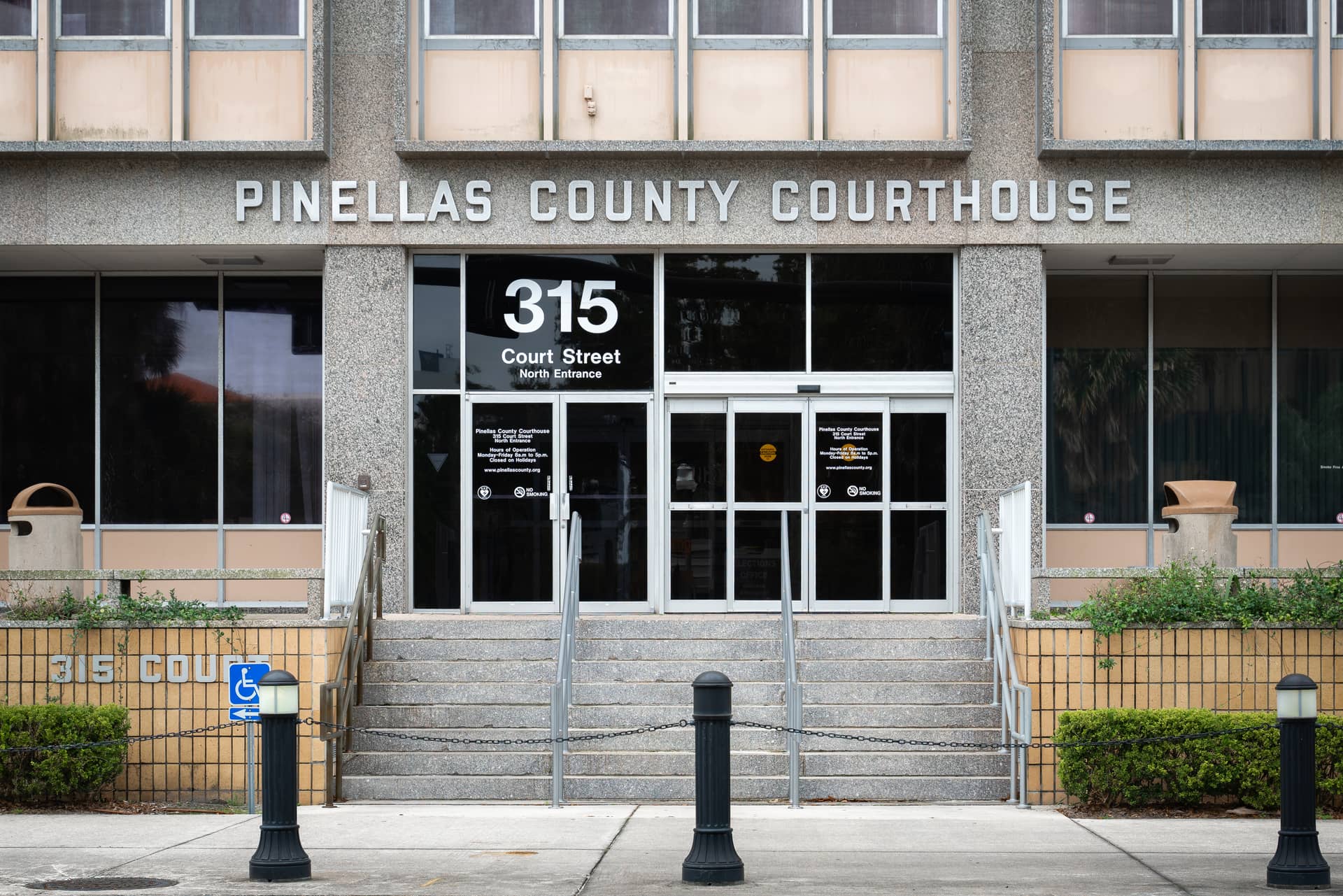
Pinellas Judge Convicts Plastic Surgeon of First-Degree Murder in Attorney's Killing as Death Penalty Phase Nears
1d ago