NASA Names Artemis III Crew as Florida's Space Coast Anchors a Busy Launch Year
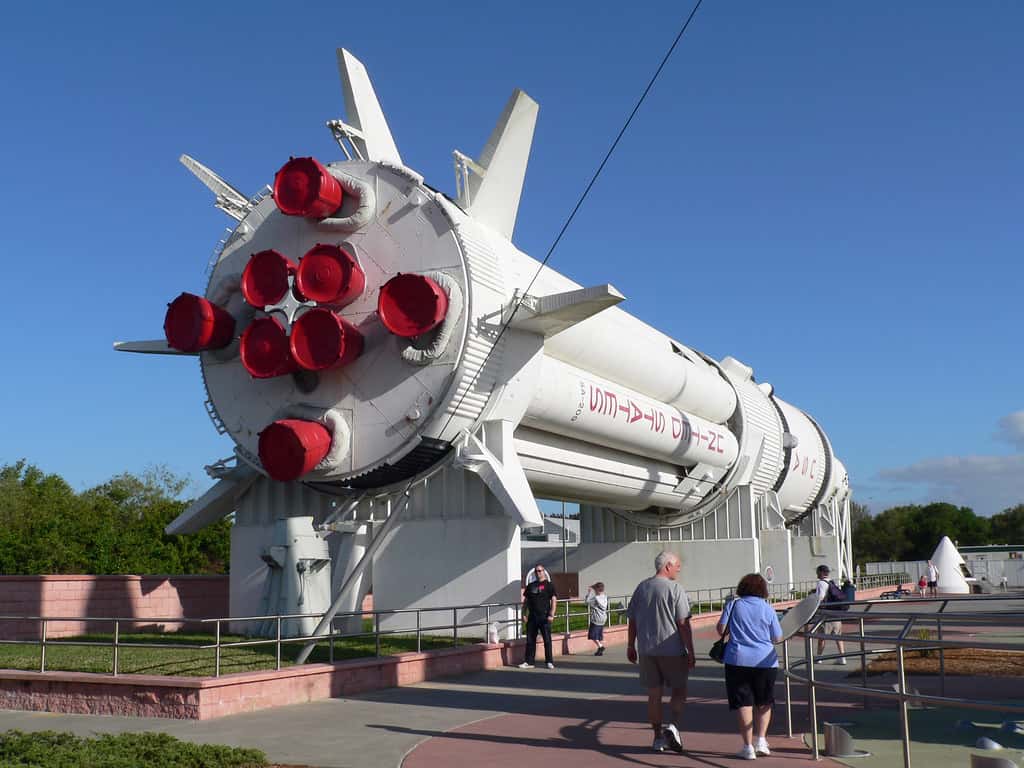
NASA has introduced the four astronauts assigned to the Artemis III mission, the agency's most ambitious lunar effort in a generation and a mission that will lift off from Florida's Space Coast. The crew announcement names the team that will take the next major step in NASA's campaign to return humans to the vicinity of the moon, and it places Kennedy Space Center and the surrounding Brevard County region at the center of a defining chapter in American spaceflight.
For Florida, the announcement is more than a national milestone. The Space Coast is where the mission will launch, and the region's economy, workforce, and identity are bound up with NASA's human spaceflight ambitions. As the agency marches toward Artemis III, the activity radiating from Cape Canaveral and Kennedy Space Center underscores Florida's enduring role as the nation's gateway to space.
The Artemis III crew
NASA named astronauts Andre Douglas, Randy Bresnik, and Frank Rubio of NASA, along with European Space Agency astronaut Luca Parmitano, to the Artemis III crew. The agency designated Bresnik as the mission commander, Parmitano as the pilot, and Douglas and Rubio as mission specialists. NASA also introduced astronaut Bob Hines as a backup crew member who could step into any role if one of the four primary crew members is unable to fly.
The announcement, made during a live event, marked a significant moment in the Artemis program's progression. Naming a crew gives a mission a human face and signals that planning has advanced to the stage where specific astronauts are training for specific roles. The international composition of the crew, with an ESA astronaut serving as pilot, reflects the partnerships that underpin the broader Artemis effort.
A mission of firsts
Artemis III is intended to be one of the most complex human spaceflight missions ever attempted, carrying the program toward its goal of landing astronauts near the lunar south pole. The mission is scheduled to launch in 2027 atop NASA's Space Launch System rocket, sending the crew in the Orion spacecraft. The flight is designed to demonstrate critical capabilities, including rendezvous and docking with human landing systems being developed by commercial partners.
The technical ambition of the mission is immense, drawing on hardware and systems from across NASA and its industry partners. The Space Launch System and Orion form the backbone of the agency's deep-space human exploration architecture, while the human landing systems under development represent a new model of public-private collaboration. Artemis III aims to knit those elements together in service of returning humans to the moon's surface for the first time in decades.
Florida's Space Coast at the center
The mission's launch from Kennedy Space Center cements Florida's central role in the Artemis program. The Space Coast has been the launching point for American human spaceflight since the earliest crewed missions, and the region's infrastructure, expertise, and workforce make it indispensable to NASA's lunar ambitions. The buildup toward Artemis III sustains thousands of jobs and a deep ecosystem of contractors, engineers, and support industries across Brevard County and beyond.
The economic and cultural stakes for the region are substantial. The Space Coast's identity is inseparable from the rockets that rise from its launch pads, and major missions like Artemis III reinforce that connection while drawing visitors, investment, and attention. Each step toward the mission ripples through the local economy, from the highly skilled aerospace workforce to the tourism that major launches attract.
A record pace of launches
The Artemis crew announcement comes amid an exceptionally busy stretch for Florida's launch facilities. Cape Canaveral and Kennedy Space Center have hosted a steady cadence of launches, including frequent commercial missions that have made the Space Coast one of the busiest spaceports in the world. The relentless launch tempo reflects the broader boom in space activity, driven by both government programs and the rapid expansion of commercial spaceflight.
That high volume of activity has transformed the Space Coast into a hub of near-constant operations, with rockets lifting off on a schedule that would have been unimaginable in earlier eras. The combination of NASA's flagship Artemis program and the surging commercial sector has positioned Florida at the forefront of a new age of spaceflight, with implications for the state's economy, its workforce development, and its standing in the global space industry.
What it means for Floridians
For Floridians, the Artemis III crew announcement is a source of pride and a reminder of the state's outsized role in the nation's space endeavors. The mission's launch from Kennedy Space Center will be a marquee event, drawing global attention to the Space Coast and showcasing the region's central place in human exploration. The economic activity tied to the program supports communities across Brevard County and contributes to Florida's broader high-technology economy.
The program also shapes the region's future, influencing workforce training, educational pipelines, and the continued growth of the aerospace sector. As NASA advances toward returning humans to the moon, Florida's role as the launch point ensures that the state will share in both the challenges and the triumphs of the effort, with the Space Coast serving as the stage for the program's most dramatic moments.
What's next
With the crew named, the astronauts will move deeper into mission-specific training as NASA and its partners continue developing and testing the hardware required for the flight. The 2027 launch target sets a demanding timeline, and the program faces the technical and logistical hurdles inherent in a mission of this complexity. Progress will be measured in milestones, from systems tests to integrated rehearsals, as the agency works toward launch readiness.
For Florida's Space Coast, the road to Artemis III means sustained activity and anticipation, with the region preparing to host one of the most consequential launches in NASA's modern history. The crew announcement is a marker along that road, bringing the mission into sharper focus and reaffirming Florida's enduring identity as the place from which America reaches for the moon.
Spotted an issue with this article?
Have something to say about this story?
Write a letter to the editor