Nearly 177,000 Florida immigrants flagged as federal Medicaid cutoff for refugees and asylees takes effect
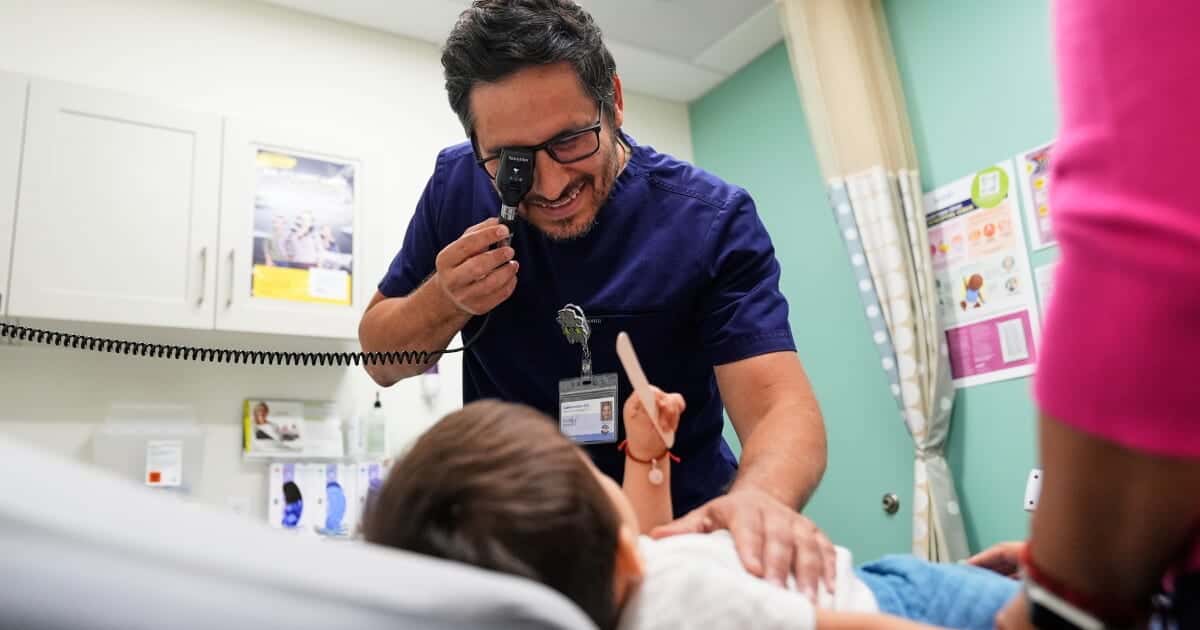
Nearly 177,000 immigrants in Florida were flagged as at risk of losing Medicaid when a provision of the One Big Beautiful Bill Act took effect on Oct. 1, ending federal Medicaid and Children's Health Insurance Program coverage for many people who are in the United States legally, including refugees, asylees and survivors of human trafficking. Florida's figure, reported by KFF Health News, is the largest of the state counts KFF Health News tallied.
The cutoff is part of the sweeping budget law President Donald Trump signed on July 4, 2025. The law as a whole is expected to cut federal Medicaid spending by more than $900 billion through 2034, according to WLRN. The immigrant eligibility provision is a small piece of that total: Congressional Budget Office estimates cited by WUSF put the savings from this change at $6.2 billion, with about 100,000 more people uninsured by 2034.
Who lost coverage and who did not
Under the new rule, federally funded full Medicaid and CHIP coverage is limited to U.S. citizens and nationals, lawful permanent residents (green-card holders), Cuban and Haitian entrants, and people living in the U.S. under the Compacts of Free Association with certain Pacific Island nations, according to WUSF and the fact-checking site Econofact.
Groups that no longer qualify include refugees, asylees, humanitarian parolees, and survivors of domestic violence or trafficking who hold certain humanitarian statuses. KFF Health News reported that Afghans who served as interpreters for U.S. troops are also among those affected.
Several exceptions matter in Florida:
- Green-card holders keep eligibility, though many still face the existing five-year waiting period before enrolling. WUSF reported that immigrants who first arrived in an exempt category, such as refugees, and later became permanent residents remain exempt from that wait.
- Cuban and Haitian entrants remain eligible, a carve-out with particular weight in South Florida.
- Lawfully residing children and pregnant immigrants remain eligible under an optional coverage category, according to WUSF.
- Emergency Medicaid remains available to otherwise eligible noncitizens, according to Econofact.
Who is affected in Florida
Jessica Shih, director of Preferred Communities at the International Rescue Committee, told WLRN that the Florida refugees most affected are largely from Venezuela, Colombia and Nicaragua. Some immigrants from the Democratic Republic of Congo, Afghanistan, Iraq and Ukraine also lost access in Florida, WLRN reported.
The 177,000 figure came from the Florida Department of Children and Families, which handles Medicaid eligibility determinations in the state. It reflects people the state initially flagged as potentially ineligible, not a final count of canceled coverage. WUSF reported that in August, DCF sent letters to noncitizen enrollees whose immigration status it could not verify electronically, asking them to provide documents, and that coverage ended Sept. 30 for those who did not respond. DCF did not tell WUSF how many people it expected to remove.
According to DCF's website, 193,000 refugees in Florida used federal services, including Medicaid, in 2025, WUSF reported.
Nationally, KFF Health News reported that more than 281,000 immigrants in nine states and the District of Columbia were expected to lose Medicaid in October, well above CBO's earlier projection for the whole decade. Advocates told KFF that some states did not start sending notices until September, leaving little time to fix mistaken terminations.
What losing coverage means for patients
Shih told WLRN that people are losing preventive and routine care. Patients with diabetes may now have to pay out of pocket for insulin, she said, and patients with asthma for inhalers. Federally qualified health centers can cover some basic primary care and sometimes prenatal and postnatal care, she said, but they cannot provide specialized services such as chemotherapy, dialysis or prosthetics.
She described one family from the Democratic Republic of Congo whose three children have seizure disorders, developmental delays and cerebral palsy. The father works full time but cannot afford the premiums for his employer's health insurance, she told WLRN.
"If I had to use one word, I would say despair," Shih said. Later in the interview she added: "And so unfortunately, we are seeing a lot of despair among those who were asked to come to the United States to be offered a safe haven."
Shih said the Medicaid change compounds earlier losses of SNAP food assistance under the same law, along with rising housing costs. The IRC is advocating a return to Medicaid rules as they stood before the law took effect.
Confusion over notices
Florida advocates warned that the letters themselves are a problem. Scott Darius of Florida Voices for Health told WUSF: "Everyone's concerned. I think the biggest impact of this whole thing is that people are confused." Katie Roders Turner of the Family Healthcare Foundation told the station that people who moved or opened a notice too late could lose coverage even if they remain eligible.
WUSF also reported that several families received letters suggesting their children would lose Medicaid at the end of September, even though lawfully residing children should keep coverage. DCF said it was looking into those cases.
Darius also warned of a chilling effect, in which eligible immigrants avoid care out of fear, which could leave patients sicker and drive up emergency room costs.
What affected Floridians can do
DCF's guidance, as reported by WUSF, is that anyone who received a notice must respond by giving the department documentation verifying their immigration status. Shih urged people to check the Florida Medicaid eligibility information online, which lists reasons coverage may be denied, and to contact DCF or a nonprofit such as the IRC for help. The IRC offers virtual services.
Shih also advised people not to set aside confusing mail. Those who still qualify have a limited time to complete redeterminations, she said, and those who no longer qualify should look for other coverage before an emergency happens.
Enrollees who remain eligible now must renew every six months and submit documentation to keep coverage, Shih told WLRN, which makes keeping Medicaid harder even for those who still qualify.
What's next
The final number of Floridians removed from Medicaid will not be clear until DCF finishes processing responses and appeals. Unlike California, New York and Pennsylvania, which KFF Health News reported are using state money to keep many affected immigrants covered, no state-funded replacement coverage has been reported for Florida. Federal rules do not require states to provide it, though they allow it. Additional changes from the same law, including tighter immigrant eligibility for Affordable Care Act marketplace subsidies, are scheduled to take effect in the coming years.
Spotted an issue with this article?
Have something to say about this story?
Write us a letterComments
No comments yet. Be the first to weigh in.
Related Coverage
Inflation hits 3.7% as gasoline jumps 9.1% in September: what it means for Florida
2h ago
In Miami Gardens, McMahon says new federal school choice tax credit won't drain Florida public schools
3h ago
Coconut Grove art dealer Leslie Roberts gets 46 months for selling fake Warhols
4h ago

Angie Nixon says Trump deported over 13,000 Cubans; available data puts the total near 12,000
5h ago