New Treasury Cuba Sanctions Rules Take Effect, Ending Group and Educational Travel Licenses
A sweeping new set of U.S. sanctions rules on Cuba took effect Wednesday, Sept. 30, as the Treasury Department's Office of Foreign Assets Control put into force the Cuba Sanctions Regulations implementing President Donald Trump's Executive Order 14404 and simultaneously tightened the decades-old Cuban Assets Control Regulations. The changes eliminate authorizations for group people-to-people travel, educational activities and professional meetings and conferences in Cuba, while keeping in place the humanitarian channels that matter most to Florida families, including authorized family remittances and shipments of food, medicine and medical devices.
The State Department said the measures are designed to close loopholes the Cuban government has used to evade sanctions, enrich its elites and fund activities the administration considers a threat to U.S. national security. In a statement accompanying the rules, the department said the United States would use all available powers to pressure the Havana government, according to the department and coverage of the announcement by Cuban diaspora outlets.
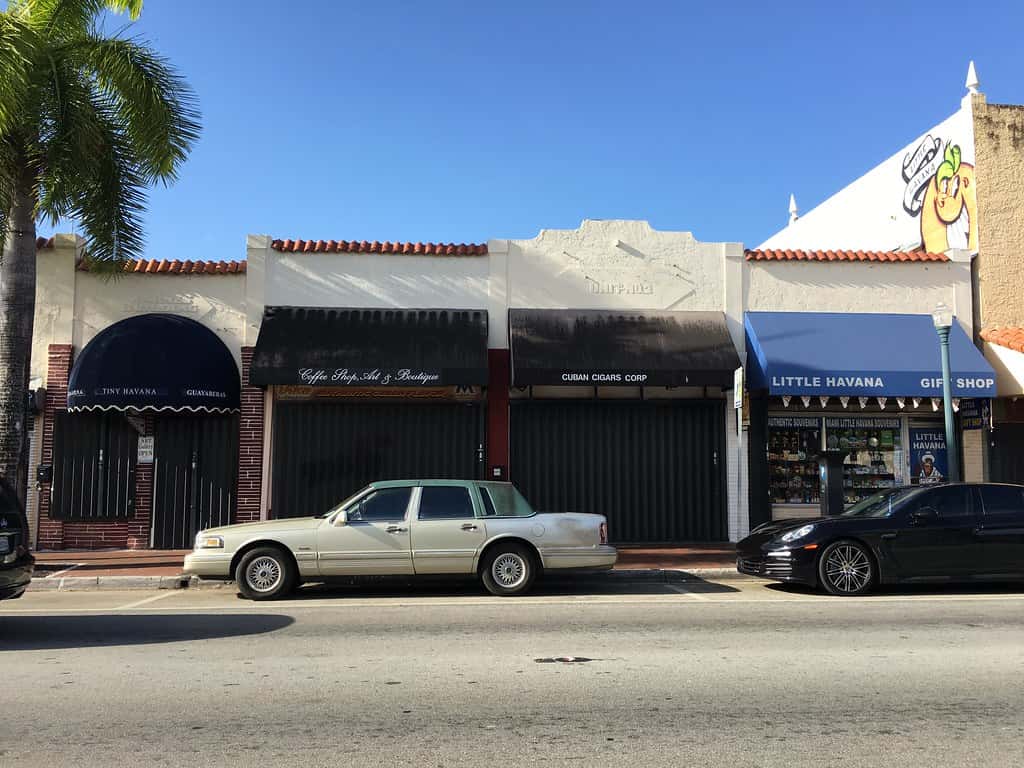
For South Florida, home to the largest Cuban American community in the country, the rules land in an area where foreign policy is also family policy. Remittances, visits to relatives and the shipment of goods to the island are part of daily life for hundreds of thousands of households in Miami-Dade, Broward and beyond, and every shift in Washington's Cuba rules is closely read in Hialeah, Westchester and Little Havana.
What the new regulations do
OFAC published the Cuba Sanctions Regulations, codified at 31 CFR part 516, to implement Executive Order 14404, which Trump signed on May 1, 2026. That order, titled "Imposing Sanctions on Those Responsible for Repression in Cuba and Threats to the United States National Security and Foreign Policy," invokes the International Emergency Economic Powers Act, giving the executive branch broad authority to block property and prohibit transactions involving designated people and entities.
The new regulatory framework sits alongside the Cuban Assets Control Regulations, codified at 31 CFR part 515, which have governed the U.S. embargo since the 1960s. OFAC issued an alert dated Sept. 29 describing the expanded sanctions, and the agency posted new frequently asked questions explaining how the two sets of rules interact. In practice, the IEEPA-based rules give Treasury an additional tool to target the Cuban military and intelligence apparatus and financial networks that officials say help the government evade existing restrictions.
OFAC said the regulations also amend authorizations under the existing embargo rules. The State Department characterized the package as targeting the island's repressive security services, what it called subversive and terror networks, and the financial enablers that move money on the government's behalf.
Travel changes Florida travelers should know
The most immediate practical change for many Americans is on travel. Under U.S. law, tourism to Cuba has long been prohibited, and travelers have instead relied on a list of authorized categories. The amended rules remove the authorizations for group people-to-people travel, for educational activities and for attending or organizing professional meetings and conferences in Cuba, according to OFAC's guidance and legal analyses of the rules by trade compliance firms.
Those categories had been used by universities, cultural organizations, tour operators and professional associations to organize trips to the island, including some based in Florida. Academic exchange programs and study abroad offerings that relied on the educational authorization will need to review whether any other license applies, and organizers of professional conferences in Cuba no longer have a general authorization to support attendance by U.S. persons.
Visits to close relatives, a category heavily used by Cuban Americans in South Florida, were not among the authorizations identified as removed in OFAC's summary. Families planning trips should still check the current regulations and OFAC's FAQs, or consult a licensed travel service provider, before booking, since the rules contain detailed conditions on who may travel and what transactions are permitted while on the island.
Remittances and humanitarian goods remain authorized
Treasury said humanitarian authorizations remain in place. OFAC issued General License 1 under the new regulations, which authorizes transactions that would otherwise be prohibited by Executive Order 14404 when those transactions are already authorized or exempt under the Cuban Assets Control Regulations. OFAC specifically pointed to family remittances and the delivery of food, medicine and medical devices to Cuba.
The existing embargo rules also continue to allow banks, registered broker-dealers and registered money transmitters to process authorized remittances to or from Cuba without obtaining a specific license, according to OFAC's regulations. That matters because remittances are a lifeline for many households on the island, which has endured prolonged blackouts, food and fuel shortages and a collapse in purchasing power.
The practical challenge for Florida senders has often been less about legal permission and more about finding a working channel. Past rounds of sanctions targeting Cuban military-linked financial entities disrupted the main companies that delivered money on the island, pushing families toward informal couriers and higher fees. Remittance businesses in Miami will be watching whether any entities they deal with are affected by new designations under the IEEPA authority.
A sixth round of pressure in 2026
The new regulations are the latest step in a year of escalating pressure on Havana. The administration declared a national emergency with respect to Cuba on Jan. 29, 2026, and reports describing the Sept. 30 rules characterized them as the sixth round of sanctions against the Cuban government since that declaration. Earlier this month, OFAC also updated a general license covering diplomats in Cuba and added names to its Cuba-related sanctions list, according to the U.S.-Cuba Trade and Economic Council.
The administration's approach to Cuba has been shaped heavily by Florida politicians, most prominently Secretary of State Marco Rubio, a Miami native and son of Cuban immigrants who has made confronting the Cuban government a defining issue of his career. Many Cuban American voters in Miami-Dade have supported tougher measures, viewing them as pressure on a government responsible for repression and economic ruin.
Critics of the embargo, including some business groups and advocates for engagement, argue that broad restrictions hurt ordinary Cubans more than the government and have failed for more than six decades to produce political change. They also contend that limiting educational and cultural exchanges reduces contact between Americans and Cuban civil society.
What it means for Florida businesses
Florida companies with any connection to Cuba, from travel agencies and charter operators to shipping firms that move humanitarian goods, face new compliance questions. Legal analyses from international trade law firms note that the IEEPA authority expands sanctions risk because it allows Treasury to target non-Cuban parties that deal with designated entities, potentially reaching foreign partners that Florida firms work with.
Travel providers that built tour packages around people-to-people or educational travel are among the most directly affected, since those programs relied on authorizations that no longer exist. Airlines that serve Cuba from Miami International Airport and other Florida gateways have adjusted schedules repeatedly in response to past policy swings, and any drop in authorized group travel could reduce demand on those routes, though carriers have not publicly announced changes tied to the new rules.
Banks and money transmitters will also need to update their screening as OFAC adds names to its lists. Compliance attorneys typically advise businesses to review contracts, counterparties and payment flows quickly after a rule change of this scope, since penalties for violations can be substantial.
The view from Havana and the diaspora
The Cuban government has historically condemned new U.S. sanctions as an escalation of what it calls an economic blockade and blamed U.S. policy for the island's shortages. Havana has used similar language in response to earlier rounds in 2026, as the country has faced deepening economic and energy crises.
In Miami, reaction among Cuban Americans tends to split along familiar lines. Many exile organizations and elected officials welcome tougher measures against the government, while some families worry about anything that could complicate visits or support to relatives. The preservation of remittance and humanitarian channels in the new rules appears designed in part to address that concern.
Diaspora media outlets in South Florida reported the rules extensively this week, highlighting the travel changes and the State Department's warning that more pressure could follow.
How Floridians can check whether a trip or transfer is allowed
OFAC maintains its Cuba guidance on the Treasury Department's website, including the text of the Cuban Assets Control Regulations, the new Cuba Sanctions Regulations, General License 1 and an updated list of frequently asked questions. The agency also publishes its Specially Designated Nationals list and a separate Cuba Restricted List maintained by the State Department, which identifies entities tied to the Cuban military and intelligence services with which direct financial transactions are generally prohibited.
Travelers who believe they qualify under a remaining category, such as visits to close relatives, should keep records of their travel and transactions, since the regulations require travelers to retain documentation for a period of years. Anyone unsure whether a planned activity is covered can seek a specific license from OFAC, though that process can take time.
Businesses and nonprofits in Florida that ship humanitarian goods should also confirm that the Commerce Department's export rules, which govern most physical shipments to Cuba, still permit their planned exports, since Treasury and Commerce rules work in tandem. Attorneys who practice in this area in Miami have long advised clients to treat each new round of rules as a reason to recheck existing arrangements rather than assume prior approvals still apply.
What's next
The Cuba Sanctions Regulations are now in effect, and OFAC is expected to continue updating its FAQs as banks, travel providers and families raise questions about how the rules apply. Because the IEEPA-based framework allows Treasury to designate additional people and entities, further sanctions announcements could follow at any time, consistent with the State Department's statement that it will use all available powers.
Florida travelers who have booked trips under the eliminated categories should contact their travel provider promptly. Those sending money to family should confirm that their remittance service remains operational and is not dealing with any newly designated entity.
The broader question for South Florida is whether the year's escalating pressure produces any change in Havana. For now, the administration has signaled that it intends to keep tightening the screws, and Florida's Cuban American community will again be on the front line of the policy's effects.
Spotted an issue with this article?
Have something to say about this story?
Write a letter to the editorComments
No comments yet. Be the first to weigh in.
Related Coverage

NASA and SpaceX Target Thursday Crew-13 Launch From Cape Canaveral After Dragon Leak Delay
49m ago

Last Protected Venezuelan TPS Work Permits Expire Friday as Supreme Court Weighs Government Appeal
1h ago
Carnival Posts Record Quarter and Strong 2027 Bookings, Lifting Cruise Stocks and Florida Ports
6h ago

Supreme Court Opens New Term Oct. 5 With Florida's Six-Person Felony Juries on the Docket
1d ago