No Florida Team in Omaha as College World Series Opens Without the State's Powerhouses
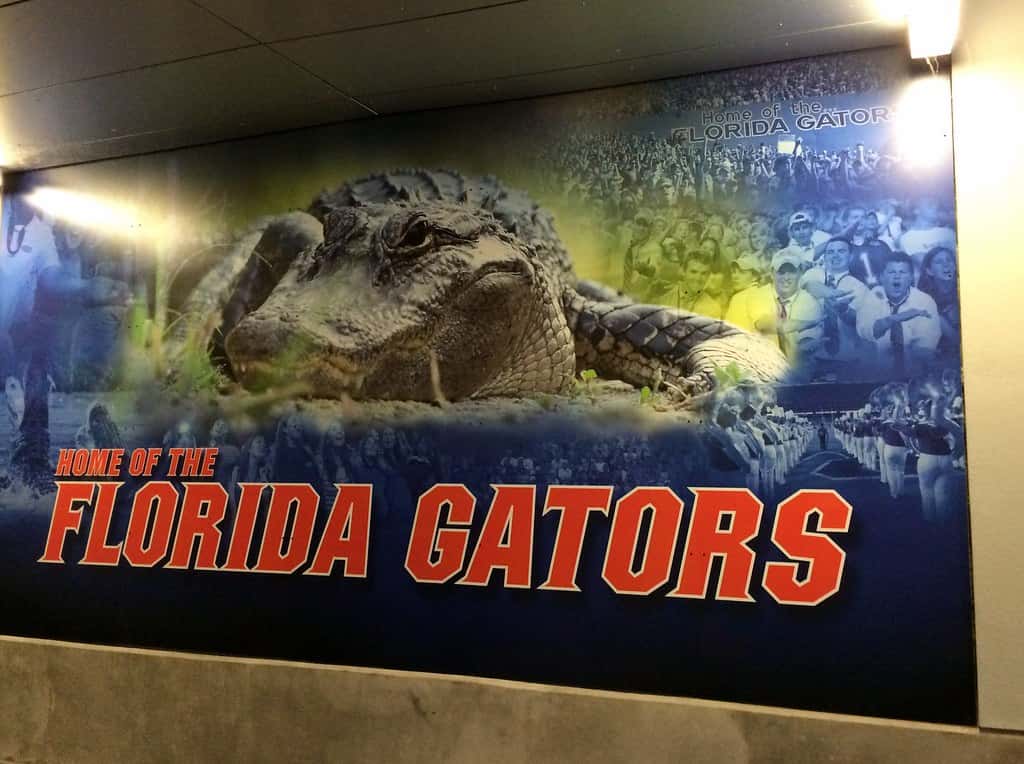
The 2026 Men's College World Series begins June 12 at Charles Schwab Field in Omaha, and for the first time in years it will open without a single team from Florida. The eight programs that reached college baseball's championship stage are Georgia, North Carolina, Texas, Alabama, West Virginia, Oklahoma, Ole Miss and Troy. For a state long accustomed to sending at least one of its flagship programs deep into the postseason, the absence is a jarring marker of a disappointing June.
The shortfall is not a matter of one bad weekend for a single team. Florida's most prominent programs all fell short during regional play, an unusually broad failure that has prompted reflection across the state's college baseball community. The Florida Gators, a top-eight national seed who hosted their own regional, were eliminated at home. Florida State, which hosted a regional in Tallahassee, exited after a loss. Miami also bowed out, leaving the state without representation in the super regional round, let alone Omaha.
The void carries symbolic weight for a state that markets itself as a cradle of baseball talent, from youth showcases to powerhouse college programs to a steady pipeline of professional prospects. A College World Series without Florida challenges that self-image, even if the sport's competitive balance and the pressures of the modern recruiting landscape make any single result difficult to read as a trend. Still, the collective stumble has invited hard questions about where the state's programs stand.
The Gators Fall at Home
The most stinging exit belonged to Florida. As a top-eight national seed, the Gators earned the right to host the Gainesville Regional, sharing the field with Miami, Troy and Rider in what should have been a favorable path to the next round. Instead, the host seed was eliminated in its own regional, losing to Troy, a result that ended Florida's season earlier than its ranking suggested it should have. Hosting brings the advantage of familiar surroundings and a partisan crowd, which makes an early exit all the more painful.
For a program with deep postseason pedigree, falling at home as a national seed represents a significant underachievement. The Gators entered the postseason with expectations of a long run, and the abrupt ending leaves the coaching staff and the fan base to dissect what went wrong against a lower-profile opponent. National seeds are built to advance, and when one does not, the postmortem tends to be thorough and unsparing.
The loss also reshapes the offseason narrative around the program. Rather than building on a deep tournament run, Florida now faces a summer of evaluation, with roster turnover, recruiting and the transfer portal all in sharper focus. An early elimination at home is the kind of result that can accelerate change, both in personnel and in approach, as a program seeks to reclaim its standing.
There is a competitive sting that extends beyond a single season as well. A national seed is supposed to be among the safest bets to advance, and a host that bows out in its own regional surrenders both an opportunity and a measure of credibility. For a program that recruits on its postseason reputation, the result becomes a data point opponents can cite and a motivator the staff will carry into the offseason. The Gators have rebounded from setbacks before, but the path back begins with an unflinching look at how a favorable draw slipped away.
Florida State and Miami Bow Out
Florida State's path ended in Tallahassee, where the Seminoles hosted a regional but were eliminated after a loss to St. John's. Hosting a regional reflects a strong regular season and a respected program, which makes the early exit a disappointment measured against the opportunity. For a school with its own rich baseball history, falling short on home turf adds to the sense that this was a down June for the state's traditional contenders.
Miami's elimination came in the same Gainesville Regional that doomed the Gators, leaving two of the state's marquee programs out of the same bracket. The Hurricanes, long among the sport's recognizable names, were unable to advance, compounding the statewide shortfall. When multiple flagship programs exit in the same round, the result reads less like isolated misfortune and more like a collective signal worth examining.
Taken together, the exits of Florida State and Miami, alongside the Gators, meant the state had no presence beyond the regional round. The simultaneous stumbles of three programs that often headline the postseason conversation transformed individual disappointments into a broader story about the state's college baseball brand. Each loss had its own particulars, but the cumulative picture is what has drawn attention.
Troy's Cinderella Run
While Florida's programs faltered, one of the teams that eliminated them is now the story of the tournament. Troy, which knocked off the host Gators in the Gainesville Regional, advanced all the way to Omaha as the field's Cinderella. The Trojans' run is a reminder that the postseason rewards execution and momentum as much as reputation, and that a lower-profile program can author a memorable June when the bracket breaks its way.
Troy's presence among the eight is precisely the kind of underdog narrative the College World Series celebrates. The Trojans share the stage with established powers like Texas, Georgia and Ole Miss, and their journey through a regional that included Florida and Miami gives their appearance added resonance for fans in the Southeast. For Florida's programs, the fact that their conqueror reached Omaha offers little consolation, but it does underline the quality of the team that beat them.
The Trojans' run also reframes the conversation about the state's exits. Losing to a team that goes on to Omaha is different from losing to a team that flames out, and Troy's continued success suggests the Gators ran into a genuinely dangerous opponent. That nuance matters in the postmortem, even as it does not erase the disappointment of Florida's broader absence from the championship round.
The Transfer Portal and Recruiting Pressures
The state's postseason shortfall arrives amid sweeping change in college baseball's talent landscape. The transfer portal has accelerated roster turnover, allowing players to move between programs with unprecedented frequency and forcing coaches to rebuild and re-recruit their own rosters each year. Programs that once relied on continuity now operate in a market where retention is as challenging as recruitment, a dynamic that can disrupt even the most established operations.
Florida's flagship programs compete in this environment against a national field that has grown more balanced as talent disperses. The pressures of recruiting, name-image-and-likeness considerations and portal management have leveled aspects of the sport, giving programs outside the traditional elite the resources to assemble competitive rosters. A down June for the state's powers may reflect, in part, the broader redistribution of talent that has reshaped the college game.
For the Gators, Seminoles and Hurricanes, navigating this landscape is now central to returning to Omaha. Roster construction, portal strategy and recruiting will all be scrutinized over the coming months as each program seeks to convert resources and reputation back into postseason success. The modern game rewards adaptability, and the state's programs face a summer of demonstrating they can adapt.
What It Means for Florida's Baseball Brand
Florida has long branded itself as a baseball state, a reputation built on talent-rich high schools, marquee college programs and a steady flow of professional prospects. A College World Series without a Florida team tests that brand, at least in perception, even if a single season rarely tells the full story. The state's programs remain well-resourced and historically successful, and one disappointing June does not undo decades of standing.
Perception, however, matters in recruiting and in the national conversation. Prospects and their families weigh a program's recent results, and rival recruiters will not hesitate to point to an early exit. The absence from Omaha gives competitors a talking point and gives the state's programs added motivation to respond. How quickly the Gators, Seminoles and Hurricanes bounce back will shape whether 2026 is remembered as an anomaly or the start of a slip.
The broader health of the state's baseball ecosystem, from youth programs to college pipelines, remains strong, which gives reason for optimism. The raw talent and infrastructure that built the state's reputation have not disappeared, and college baseball's volatility means fortunes can reverse quickly. The challenge for the state's programs is to translate their resources into the postseason results that define the brand.
It is also worth keeping the disappointment in proportion. College baseball's postseason is famously unforgiving, with double-elimination regionals capable of ending the season of any team that stumbles for a single weekend. A loss in a regional is not the same as a year of poor play, and the state's programs all reached the postseason before falling short. The brand is built on sustained excellence over decades, and a single June without a team in Omaha tests that excellence without erasing it.
What's Next
Attention now turns to Omaha, where the eight-team field opens play June 12 at Charles Schwab Field. Troy's Cinderella run gives fans in the Southeast a team to follow even without a Florida program in the bracket, while powers like Texas, Georgia, North Carolina and Ole Miss chase a national title. The tournament will crown its champion in the weeks ahead, with Florida watching from the outside for the first time in years.
For the state's flagship programs, the offseason begins immediately, and the work of rebuilding for 2027 starts now. Roster decisions, portal activity and recruiting will dominate the coming months as the Gators, Seminoles and Hurricanes seek to reclaim their place among the sport's elite. Whether the state's absence from Omaha proves a one-year stumble or a deeper challenge will depend on how its programs respond to a June they will want to forget.
Spotted an issue with this article?
Have something to say about this story?
Write a letter to the editor


