Plantation Police Investigate After Toddler Found Dead in Vehicle Outside Daycare
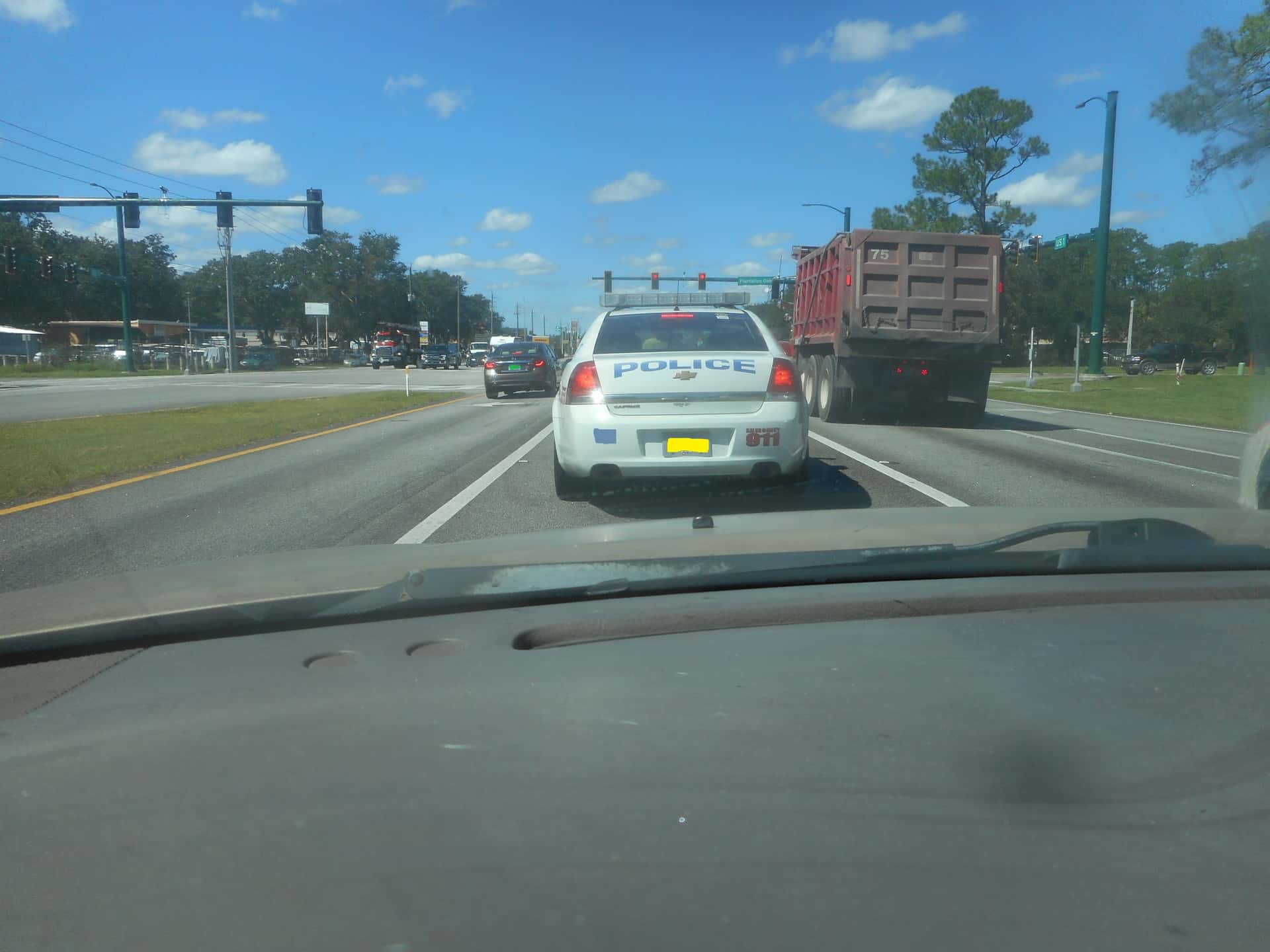
Plantation police are investigating the death of a young child found unresponsive in a vehicle outside a Broward County daycare, an incident that has shaken the local community and renewed attention to the dangers of children being left in hot cars. Authorities responded to the scene in late June and are treating the matter as a death investigation as they work to establish the circumstances.
What authorities have said
According to the Plantation Police Department, officers and fire rescue crews responded to a daycare facility after receiving a report of an unresponsive child in a vehicle. The child, a boy under the age of two who attended the facility, was found dead. Authorities have described the incident as an ongoing death investigation, indicating that they are still working to determine exactly what occurred.
Police said the response came in the late afternoon, and emergency personnel were called to the scene after the child was discovered. As is standard in such cases, investigators are gathering information to understand the sequence of events. Authorities have not, based on available information, announced any charges as the investigation continues.
Officials have released limited details as the investigation proceeds, which is typical in the early stages of a death investigation involving a child. Investigators must carefully establish the facts before drawing conclusions or determining whether any charges are warranted. The department's characterization of the matter as an active investigation reflects that ongoing process.
The circumstances
Based on accounts associated with the case, the child was found in a vehicle parked outside the daycare he attended, and the discovery was made when the vehicle was checked. Incidents in which young children are found unresponsive in vehicles are often connected to the dangers of heat, as temperatures inside a closed car can rise rapidly and reach lethal levels, particularly in Florida's climate.
Cases of this kind frequently involve a caregiver who did not realize a child remained in a vehicle, a scenario that child-safety advocates emphasize can happen to attentive parents under certain circumstances. Because the investigation is ongoing and no charges have been announced, the specific circumstances of this case remain under review by authorities. It would be inappropriate to assume or assert any intent before the facts are established.
Advocacy organizations that track such incidents note that vehicular heatstroke deaths of children occur across the country each year, with Florida's warm climate posing heightened risk. According to figures cited in connection with the case, this death was among a small number recorded in the state so far this year and part of a larger national total. Those figures underscore the recurring nature of the danger.
The Florida context
Florida's climate makes the danger of children left in vehicles especially acute, as high temperatures can cause the interior of a car to become dangerously hot in a short time, even on days that do not feel extreme outside. The state's warm weather for much of the year means the risk is present across many months, not only during the peak of summer. Public safety officials regularly warn about the hazard.
Vehicular heatstroke is a leading cause of non-crash vehicle-related deaths among young children nationally, and Florida records such incidents periodically. The physiology of young children, whose bodies heat more quickly than adults', makes them particularly vulnerable. Safety campaigns aim to raise awareness of how rapidly a vehicle's interior can reach lethal temperatures.
Child-safety advocates and officials promote practices designed to prevent such tragedies, including habits that prompt caregivers to check the back seat and technologies that provide reminders. The recurring nature of these incidents, despite awareness efforts, reflects the difficulty of eliminating the risk entirely. Each case renews attention to prevention.
How a vehicle becomes dangerous so quickly
Safety researchers who study vehicular heatstroke point to the physics of a closed car as the reason these incidents can turn fatal in a matter of minutes rather than hours. Sunlight passing through a vehicle's windows heats the seats, dashboard, and other surfaces, which in turn warm the trapped air inside. The interior temperature can climb well above the outdoor reading, and much of that rise occurs within the first ten to twenty minutes. Cracking a window has little practical effect on the rate of heating, according to the safety literature that informs public awareness campaigns.
The danger is compounded by how a young child's body responds to heat. A small child can warm several times faster than an adult, and a toddler may be unable to recognize distress, communicate it, or free themselves from a car seat. By the time a caregiver returns, the window in which intervention could have made a difference may already have closed. These are the mechanics that safety officials cite when they stress that a vehicle should never be treated as a safe place to leave a child, even briefly and even on a day that feels mild.
In a place like Florida, where sunshine is abundant and cooler days are the exception, these conditions can be present across most of the calendar. That is why Florida frequently appears among the states with the highest counts of pediatric vehicular heatstroke deaths, and why local agencies across Broward County and the wider region return to the subject each year. The Plantation case, still under investigation, has once again placed those warnings in front of a South Florida audience.
How investigators approach a child death case
Death investigations involving a young child follow a deliberate and methodical process, and Florida agencies typically coordinate several parties before any conclusion is reached. Local police lead the fact-finding, while the medical examiner's office conducts an independent examination to determine the cause and manner of death. Those findings, which can take time to finalize, often shape the direction of an investigation and any decisions that follow. Until that work is complete, authorities generally decline to characterize what happened beyond confirming that a review is underway.
In Florida, cases involving the death of a child may also draw the attention of the state's child welfare system, which can conduct its own separate review distinct from any criminal inquiry. The existence of parallel processes does not indicate wrongdoing; rather, it reflects standard procedure designed to ensure that the facts are examined thoroughly and from more than one vantage point. Any decision about whether the matter proceeds beyond an investigation would ultimately rest with prosecutors, who weigh the evidence assembled by police and the medical examiner.
This is why the early public record in such cases tends to be sparse. Investigators are careful not to release information that could be incomplete or that could prejudice the process. For a grieving community eager for answers, the pace can feel slow, but it is consistent with how sensitive death investigations are handled. The measured approach is intended to protect both the integrity of the inquiry and the rights of anyone who may become part of it, all of whom remain entitled to the presumption of innocence.
The community response
The death has affected the daycare community and the surrounding area, with those connected to the facility expressing grief over the loss. Incidents involving the death of a child are profoundly painful for the families, caregivers, and communities involved. The emotional toll extends beyond the immediate family to the broader community touched by the tragedy.
Facilities and communities affected by such losses often grapple with grief and seek to support those involved. The impact of a child's death reverberates through the institutions and networks connected to the child. Community members frequently come together in the aftermath to offer support and to process the loss.
As the investigation continues, the community is left to mourn while authorities work to establish the facts. The combination of grief and the ongoing investigation is characteristic of such cases, where the human toll is immediate even as the official process of understanding what happened unfolds methodically. That process must run its course before conclusions are reached.
Prevention and awareness
Child-safety advocates emphasize several practices to reduce the risk of children being left in vehicles. Those include placing an essential item, such as a bag or phone, in the back seat as a prompt to check for children, establishing routines that involve looking in the back seat every time a vehicle is parked, and arranging for daycares to call if a child does not arrive as expected. Such measures are designed to build in safeguards.
Technological aids, including reminder systems in some vehicles and aftermarket devices, are also promoted as tools to help prevent these incidents. Awareness campaigns seek to reinforce the message that vehicular heatstroke can happen quickly and that vigilance is essential. The goal of these efforts is to reduce the recurrence of a preventable danger.
Public safety officials consistently warn that a vehicle's interior can reach dangerous temperatures rapidly and that children should never be left in a car unattended, even briefly. The rapidity with which heat builds inside a closed vehicle is a central point of these warnings. Reinforcing that message is a recurring focus of child-safety efforts, particularly in warm climates like Florida's.
Advocates also stress that awareness alone has not eliminated these tragedies, which is part of why so much attention is placed on redundant safeguards. A single reminder can fail, so overlapping measures, such as a routine at the car combined with a policy that a daycare will call when a child is unexpectedly absent, are encouraged as a way to catch a lapse before it becomes a loss. For families across South Florida, these layered habits are presented not as a judgment on any individual but as practical steps that anyone responsible for a young child can adopt.
What's next
The Plantation Police Department's investigation will continue as authorities work to establish the circumstances of the child's death. Investigators will gather and review information before determining what occurred and whether any action is warranted. As with any active investigation, the process will proceed methodically, and officials will release information as appropriate.
No charges have been announced in connection with the case based on available information, and the presumption of innocence applies to anyone who might come under scrutiny. It would be inappropriate to speculate about culpability while the investigation is ongoing. Authorities will determine the appropriate course based on the facts they establish.
For the community, the aftermath involves mourning the loss of a child and, for many, renewed attention to the dangers of children left in vehicles. The tragedy serves as a somber reminder of a recurring hazard, particularly in Florida's climate. As the investigation continues, the focus remains on establishing the facts and supporting those affected by the loss.
Spotted an issue with this article?
Have something to say about this story?
Write a letter to the editorComments
No comments yet. Be the first to weigh in.
Related Coverage

Jury Selection Begins in Manslaughter Trial of Ex-Okaloosa Deputy in Death of Airman Roger Fortson
4h ago

Florida Set to Execute Curtis Beasley, 77, Tonight for 1995 Polk County Hammer Killing
5h ago

Pompano Beach Man Charged With Two Counts of First-Degree Murder in Deerfield Beach Shootings
1d ago
Pinellas Judge Convicts Plastic Surgeon of First-Degree Murder in Attorney's Killing as Death Penalty Phase Nears
1d ago