Record Heat Grips Florida as Advisories Stretch Across the State
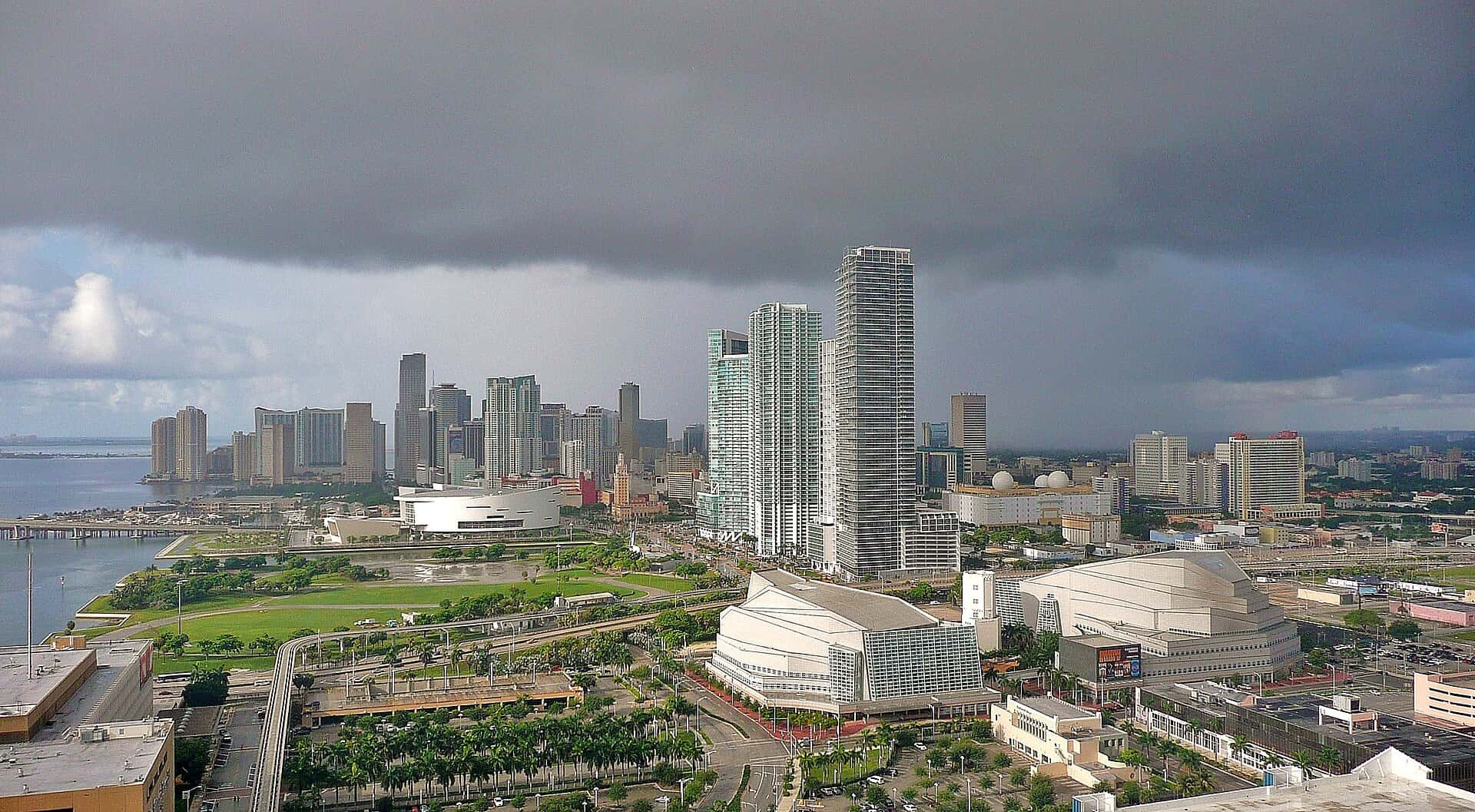
Much of Florida remained under National Weather Service heat advisories on Tuesday as daily temperature records fell across the state, with feels-like readings pushing into the triple digits from South Florida to the eastern Panhandle.
Heat index values, which combine air temperature with humidity to estimate how heat feels to the human body, reached the 105 to 110 degree range across Miami-Dade, Broward and Palm Beach counties. Central Florida saw peak heat index forecasts approaching 106 to 112 degrees, and the western Big Bend and eastern Panhandle, including Tallahassee, saw readings near 114 that prompted an extreme heat warning earlier in the month.
Several long-standing daily records have been broken or tied during the stretch. Miami reached 96 degrees on one day this month, surpassing a daily high mark that had stood since 1909. Forecasts have put Tampa and Jacksonville within range of records set in 1961 and 1954 respectively.
What the advisories mean
The National Weather Service issues a heat advisory when the heat index is expected to reach a threshold that poses a health risk to the general population, with the specific trigger varying by region based on what local populations are acclimated to. In most of Florida, the threshold sits around 108 degrees for the heat index.
An extreme heat warning, which is a step above an advisory, indicates conditions expected to be dangerous to anyone without adequate cooling or hydration, not only to vulnerable populations. The distinction matters for how emergency managers and employers respond, since warnings typically trigger more formal cooling center activations and outdoor work protocols.
South Florida spent a stretch of consecutive days under advisories this month, including one run that reached a ninth consecutive day. Repetition of that kind compounds the health risk, because overnight temperatures during extended heat events often fail to drop far enough to allow the body to recover.
Why Florida heat behaves differently
Florida's heat risk is driven less by absolute air temperature than by humidity. The state rarely records the 110 and 115 degree air temperatures seen in the desert Southwest, but its dew points routinely sit in the mid to upper 70s, which pushes the heat index far above the thermometer reading.
High humidity limits the effectiveness of sweating, the body's primary cooling mechanism. When the air is already near saturation, perspiration evaporates slowly, and core body temperature can climb even when a person is resting in shade. That physiological reality is why the heat index, rather than air temperature, drives Florida's advisory criteria.
The peninsula's geography also matters. Sea breeze circulation typically develops on both coasts during summer afternoons, and where those boundaries collide inland, thunderstorms form. On days when the sea breeze is weak or displaced, the cooling and cloud cover that usually cap afternoon temperatures do not materialize, and records become more likely.
Health risks and who is most exposed
Heat-related illness progresses along a spectrum from heat cramps to heat exhaustion to heat stroke, the last of which is a medical emergency. Warning signs include confusion, hot dry skin, a rapid pulse and cessation of sweating. Public health agencies advise calling 911 rather than attempting to manage a suspected heat stroke at home.
Outdoor workers face the highest occupational exposure. Florida's agriculture, construction and landscaping sectors employ hundreds of thousands of people who work through peak afternoon heat. Federal workplace safety guidance recommends acclimatization schedules for new workers, mandatory rest in shade and access to water, though enforcement of heat-specific standards remains limited.
Older adults, young children, people with cardiovascular or respiratory conditions and people without reliable air conditioning carry elevated risk. Florida's older population is proportionally among the largest in the country, which raises the statewide exposure profile during extended heat events.
What it means for Floridians
Practical guidance from the National Weather Service during advisories is consistent: limit strenuous outdoor activity to early morning or evening, drink water before feeling thirsty, wear light and loose clothing, and check on neighbors who live alone or lack air conditioning.
Vehicles are a specific hazard. Interior temperatures in a parked car can climb dangerously within minutes, and Florida records pediatric vehicular heatstroke deaths in most years. Emergency responders advise checking the back seat every time a vehicle is parked, regardless of how short the errand.
Electricity demand also rises sharply during heat events. Utilities across the state, including Florida Power and Light and Duke Energy Florida, plan for summer peak load, but sustained high demand can strain distribution equipment and increase the likelihood of localized outages, which in a heat wave becomes a health issue rather than a convenience issue.
Local impact across the state
In South Florida, the combination of urban development and limited tree canopy in some neighborhoods produces measurable urban heat island effects, with temperatures in built-up areas running several degrees above nearby areas with more vegetation and less pavement.
In Central Florida, the theme park corridor draws large numbers of visitors who are not acclimated to Florida summer conditions. Park operators maintain cooling stations and misting areas, but visitors arriving from cooler climates remain a population that emergency medical services treat regularly during heat events.
In the Panhandle and Big Bend, where the extreme heat warning was issued, populations are somewhat more dispersed and cooling center access can require longer travel. County emergency management offices in the region publish cooling center locations during activations.
The long-term trend behind the records
Individual daily records are weather events, driven by the specific atmospheric setup on a given day. A pattern of records falling across multiple cities over a sustained period is a different kind of signal, and climate scientists distinguish carefully between the two.
Florida's average temperatures have risen over the observational record, with the clearest signal appearing in overnight minimum temperatures rather than daytime maximums. Warmer nights matter physiologically, because the body relies on cooler overnight periods to recover from daytime heat stress.
Sea surface temperatures in the waters surrounding Florida have also trended upward. Warmer coastal water reduces the cooling effect of the sea breeze and raises the moisture content of air moving onshore, which pushes heat index values higher even at unchanged air temperatures.
Those trends interact with urban development. Florida has added population and impervious surface at a rapid pace, and asphalt, concrete and rooftops absorb and re-radiate heat in ways that vegetation does not. Cities across the state have begun tracking urban heat island effects at the neighborhood level.
What employers and schools are doing
Outdoor work in Florida continues through the summer across agriculture, construction, landscaping, roofing and utility maintenance. Federal workplace safety guidance recommends acclimatization protocols for new and returning workers, mandatory rest breaks in shade, and access to drinking water throughout the shift.
Acclimatization matters more than most people assume. Workers new to a job or returning after time away carry substantially elevated risk during their first days of heat exposure, and a large share of occupational heat illness cases occur in that window. Gradual workload increases over a week reduce that risk considerably.
School districts across Florida have adjusted athletic practice schedules for the heat, with many moving practices to early morning or evening and adopting wet bulb globe temperature monitoring. That measure accounts for temperature, humidity, wind and solar radiation, and provides a better guide to heat stress during exertion than the heat index alone.
High school football practice in August is a particular focus, since heat illness deaths in that setting have occurred nationally. Florida High School Athletic Association guidelines address hydration, equipment restrictions during acclimatization periods and emergency response protocols.
Cooling access and utility bills
Air conditioning is not a luxury in a Florida summer, and access to it is uneven. Older housing stock, mobile and manufactured homes, and rental properties with aging equipment all present situations where indoor temperatures can climb to dangerous levels during a sustained heat event.
Utility costs compound the problem. Households facing high electricity bills sometimes limit air conditioning use to control expenses, a decision that carries direct health risk during an advisory. Assistance programs exist through community action agencies, which administer federal energy assistance funding.
Florida law provides certain protections regarding utility disconnection, and utilities have at times implemented voluntary moratoria during extreme heat. Customers facing disconnection during a heat event should contact their utility directly to ask about available options.
Landlord obligations regarding air conditioning vary and are governed by lease terms and by Florida's residential landlord and tenant law. Tenants with non-functioning cooling equipment have specific procedural steps available under that statute.
Heat and Florida's outdoor economy
Agriculture is among the sectors most directly exposed. Florida's specialty crop industry, including citrus, vegetables, sod and ornamental nursery production, requires field labor through the summer, and harvest windows do not adjust to accommodate temperature.
Construction is the second large exposure. Florida's building activity continues year-round, and roofing work in particular places workers on dark surfaces that absorb solar radiation and can reach temperatures far above ambient air.
Utility and public works crews face heat exposure alongside the operational demands that heat itself creates, since equipment failures rise during high-demand periods. Those crews often work during the hottest hours precisely because that is when failures occur.
Marine and fishing industries, tourism operations and theme park employees round out the outdoor workforce. Employers across these sectors have adopted varying approaches to heat protocols, and practice differs considerably across the state.
What's next
August and early September typically represent the annual peak for both temperature and humidity in Florida, so forecasters expect the pattern to continue in some form for several more weeks before seasonal fronts begin reaching the peninsula.
The National Weather Service issues updated forecasts and any new advisories through its regional offices in Miami, Tampa Bay, Jacksonville, Melbourne, Tallahassee and Key West. Residents can check the office covering their county for the most specific local guidance.
Florida's Division of Emergency Management coordinates with county offices on heat response, including cooling center activation. County emergency management pages remain the most direct source for local cooling center hours and locations during an active advisory.
Spotted an issue with this article?
Have something to say about this story?
Write a letter to the editorComments
No comments yet. Be the first to weigh in.
Related Coverage

King Tides Set Record at Port Everglades Gauge, Flooding Streets From Fort Lauderdale to Miami Beach
2d ago
Florida's First Fall Cold Front Delivers Cooler Air and Strong Coastal Winds as a Nor'easter Develops Offshore
6d ago
Atlantic enters October without a hurricane, a satellite-era first
Sep 25

Hurricane Season Enters Its Final Weeks With Six Named Storms and No Atlantic Hurricanes
Sep 23