SpaceX Continues Rapid Starlink Satellite Launches From Cape Canaveral Through May 2026
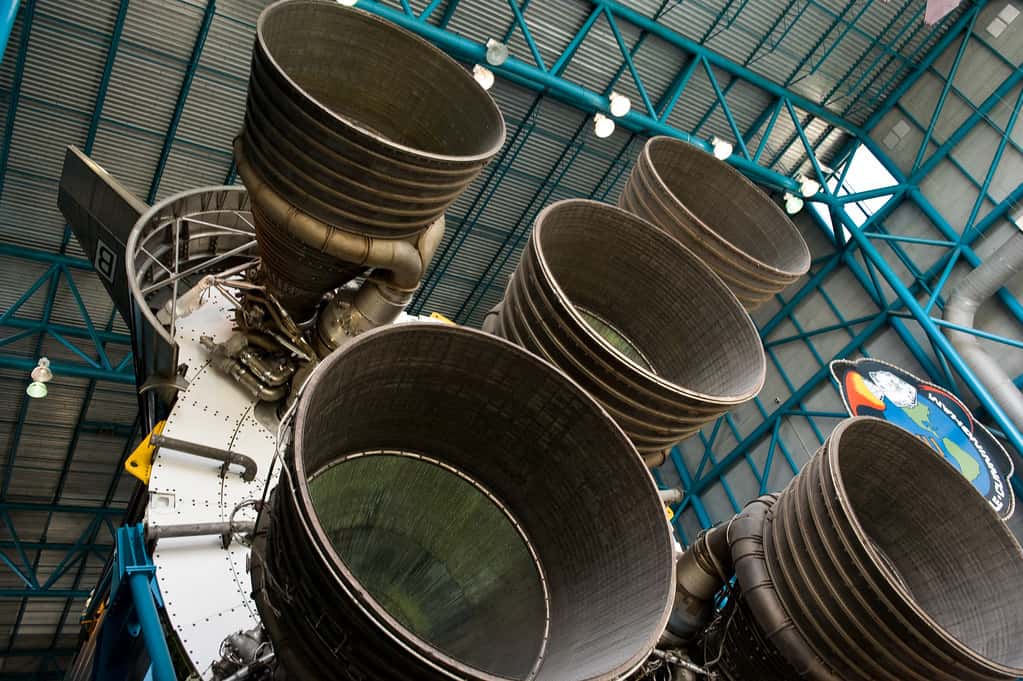
SpaceX has maintained a relentless pace of Starlink broadband satellite launches from Cape Canaveral Space Force Station throughout May 2026, with multiple Falcon 9 rocket missions lifting batches of 29 satellites each into low Earth orbit as the company works to expand its global satellite internet constellation. The launches, which have become routine enough that they rarely generate individual news coverage despite the remarkable engineering achievement each represents, continue to reshape the commercial space industry and reinforce Florida's Kennedy Space Center and Cape Canaveral complex as the premier launch facility in the world for commercial orbital missions.
The May Launch Schedule
SpaceX conducted multiple Starlink satellite launches from Cape Canaveral Space Force Station in May 2026. A Falcon 9 rocket launched on May 21, 2026, at approximately 10:04 a.m. local time carrying 29 Starlink satellites into orbit. A subsequent mission on May 25, 2026, at approximately 11:41 a.m. added another 29 satellites to the constellation. A third mission is scheduled for May 29, 2026, at approximately 11:52 a.m., which would bring another 29 satellites to the growing network if it proceeds as planned.
The pace of launches reflects SpaceX's production and mission tempo for the Starlink program, which has been expanding through hundreds of launches over the past several years to build out a constellation intended to provide high-speed, low-latency broadband internet to customers around the world, including in remote and rural areas that lack access to traditional terrestrial internet infrastructure. Each Falcon 9 mission carrying 29 satellites adds to a constellation that already numbers in the thousands of active satellites in orbit.
The missions launch and land with a precision that reflects years of iterative development in SpaceX's reusable rocket technology. Falcon 9 boosters are recovered at sea on autonomous drone ships or at landing zones near the launch site, and individual boosters have been reflown for dozens of missions each, a reusability milestone that was considered impossible by many in the aerospace industry when SpaceX first achieved it.
Why Cape Canaveral Dominates Commercial Launch
Cape Canaveral Space Force Station and the adjacent Kennedy Space Center, located on Florida's east coast in Brevard County, have become the world's busiest commercial launch facilities by a wide margin. The geographic advantages of the site, including a latitude that allows rockets to benefit from Earth's rotational velocity, an ocean to the east that provides clear downrange safety margins for launches toward equatorial orbits, and well-developed launch infrastructure built over decades of government investment, make it the preferred location for most commercial orbital launches.
Florida's economy benefits substantially from the commercial space industry's concentration at Cape Canaveral. The Space Coast, the regional economic development brand for the area surrounding the launch complex, has seen significant growth in aerospace employment, technology sector jobs, and related commercial activity in recent years as the commercial launch industry has expanded rapidly. Brevard County and surrounding communities have attracted a growing cluster of aerospace companies, suppliers, and engineering firms drawn by proximity to the launch complex and by Florida's favorable business environment.
Space Florida, the state's aerospace economic development authority, has worked to leverage the commercial launch boom to attract additional aerospace investment to the state, recruiting companies in satellite manufacturing, launch services, and space technology to establish or expand Florida operations. The state's tax environment, quality of life, and proximity to the Cape Canaveral infrastructure have made Florida competitive for aerospace investment against states like California and Texas that have significant aerospace industries of their own.
Starlink's Impact on Florida
The Starlink broadband service that these launches are building has a direct impact on Florida beyond the economic benefits of the launch activity itself. Florida has a large rural and coastal population that has historically had limited access to high-speed internet, including agricultural communities in the interior, fishing communities along the Gulf Coast, and residents of the Florida Keys and other island communities where running terrestrial cable or fiber infrastructure is prohibitively expensive.
Starlink's satellite internet service, which uses the low Earth orbit constellation to provide broadband connections that are faster and have lower latency than traditional geostationary satellite internet systems, has been adopted by a significant and growing number of Florida users who previously had no viable high-speed internet option. The service has also found uptake among recreational boaters, commercial fishing vessels, and other maritime users in Florida waters, where traditional cellular and fixed broadband coverage is unavailable.
During and after hurricane events, Starlink equipment has proven to be a valuable emergency communications tool in Florida. When ground-based communications infrastructure is damaged or destroyed, satellite internet terminals powered by portable generators or vehicle batteries can maintain connectivity for emergency responders, displaced residents, and local officials coordinating recovery operations. The Florida Division of Emergency Management has been working to incorporate Starlink and other satellite communications capabilities into its emergency preparedness and response planning.
The Starship Development Context
Beyond the Starlink launches, SpaceX has been developing its next-generation Starship rocket system, which the company intends to use for a range of missions including eventually replacing Falcon 9 for Starlink deployment missions and for NASA's Artemis program lunar missions. Reports in May 2026 indicated that SpaceX was preparing for the first launch of its Starship Version 3 rocket, a more advanced iteration of the Starship upper stage that incorporates design improvements developed through the extensive flight test program conducted in Boca Chica, Texas.
While Starship launches are conducted from SpaceX's Starbase facility in South Texas rather than from Cape Canaveral, the program's progress has significant implications for Kennedy Space Center's future role in NASA's deep space exploration efforts. NASA has contracted with SpaceX for Starship's use as the Human Landing System for the Artemis lunar program, meaning that Kennedy Space Center could eventually be the primary launch and return site for crewed missions to the Moon using Starship-based architecture.
Florida's space industry observers and economic development officials watch the Starship program's progress with keen interest, as the vehicle's operational maturity and its role in NASA's programs will significantly shape the future of Kennedy Space Center's mission and the associated economic activity that the center's operations generate in Brevard County and across the broader Space Coast region.
NASA and the Moon Program
NASA's Kennedy Space Center continues its role as the primary launch site for the Space Launch System rocket and the Orion spacecraft that form the core of the Artemis lunar exploration program. The agency has been working through technical and schedule challenges with the SLS program, and the timeline for crewed Artemis missions continues to be refined as hardware development and testing proceed.
The parallel development of SpaceX's Starship as a lunar lander and NASA's continuing investment in the SLS and Orion systems means that Kennedy Space Center's workload and economic significance are likely to grow rather than diminish in the coming years, even as the commercial launch industry continues to dominate the near-term volume of missions from the site. The combination of commercial and government missions at Cape Canaveral creates a robust and diversified activity base that insulates the Space Coast's aerospace economy from the cyclical fluctuations that have historically affected government-only space programs.
What is Next
SpaceX's Starlink launch cadence is expected to continue at a high pace through the remainder of 2026 as the company works to reach constellation density targets and to deploy next-generation Starlink V2 satellites that offer higher capacity and performance than earlier versions. The May 29 Starlink mission, scheduled as this article is being published, will add another 29 satellites to the constellation if it proceeds on schedule. SpaceX has indicated it expects to continue launching from Cape Canaveral at a pace that could see dozens of missions from the Florida site in 2026 alone, maintaining the Space Coast's status as the world's leading commercial launch complex.
Spotted an issue with this article?
Have something to say about this story?
Write us a letterComments
No comments yet. Be the first to weigh in.
Related Coverage

Isaias Shuts Pensacola and Okaloosa Airports as Airlines Waive Fees and Tolls Lift on Panhandle Bridges
1h ago

Ex-CIA official pleads guilty in $194 million fraud, will forfeit $102 million in Palm Beach and Hobe Sound real estate
1h ago

11th Circuit voids septic permit ban in Indian River Lagoon manatee case after federal 'harm' rule rollback
1h ago

Trump ties disaster aid to midterm campaign as Hurricane Isaias nears Florida Panhandle
21h ago