SpaceX Launches SiriusXM Satellite From Cape Canaveral on Record-Setting Booster Flight
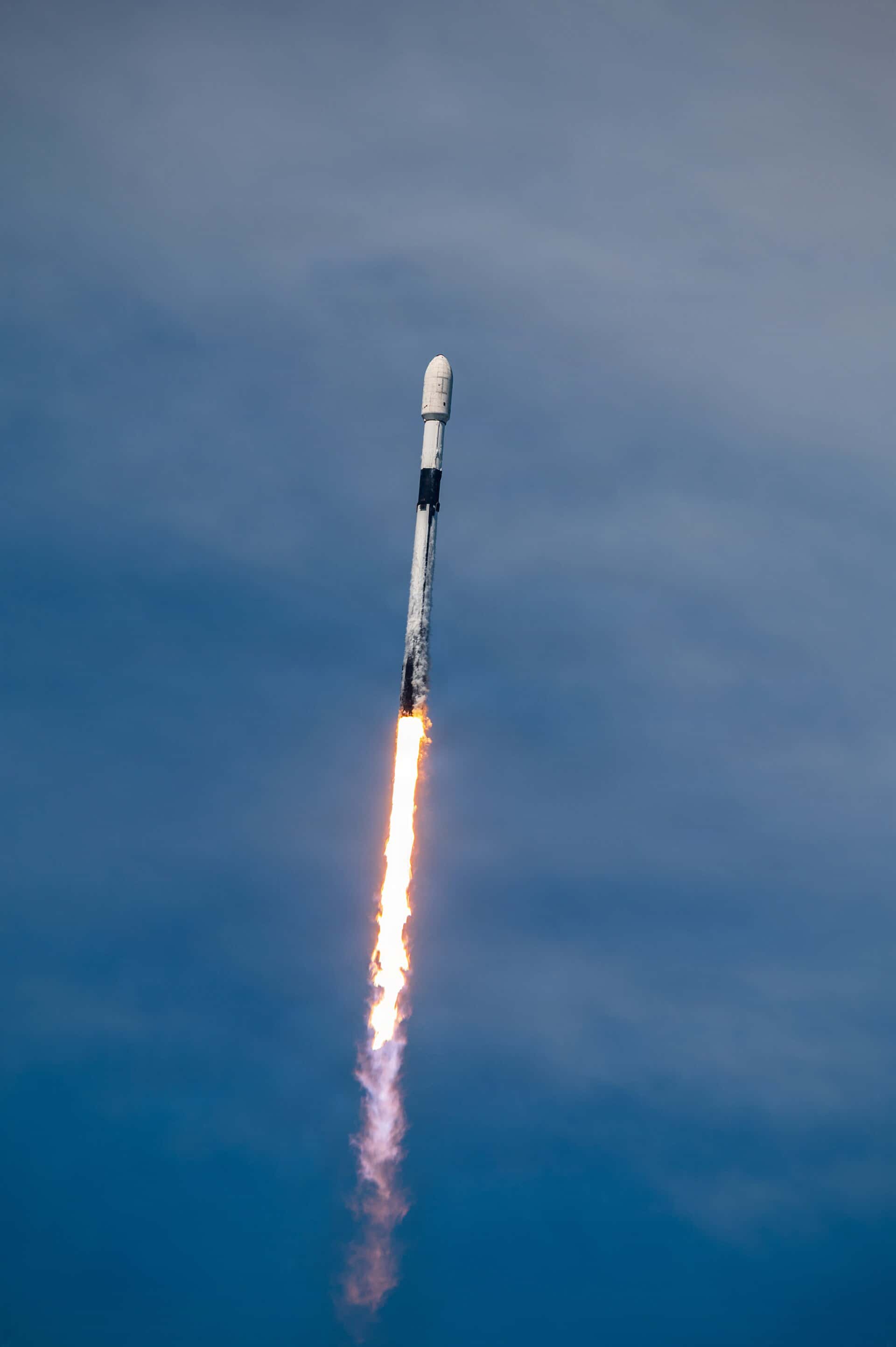
SpaceX launched a large SiriusXM broadcasting satellite from Cape Canaveral in late June aboard a Falcon 9 rocket whose first stage was flying for the 17th time, extending the company's rapid launch cadence from Florida's Space Coast. The mission, which sent the SXM-11 satellite toward orbit and returned the booster to a drone ship for recovery, highlighted both the reliability of reusable rockets and the central role Cape Canaveral plays in the nation's launch activity.
The launch
On the night of June 28, a Falcon 9 first stage that had already flown and landed 16 times previously lifted the SXM-11 SiriusXM satellite, weighing about 15,400 pounds, off a Cape Canaveral pad. According to launch coverage, the satellite reached its initial geosynchronous transfer orbit roughly 34.5 minutes after liftoff, sending the spacecraft on its way to its operational position. The launch marked another routine but notable mission from the Space Coast.
The booster, designated B1085, was standing upright on a drone ship in the Atlantic minutes after stage separation, ready to be towed back to Port Canaveral for the 17th time. The recovery of the first stage is central to SpaceX's reusable rocket model, which aims to lower launch costs by flying boosters repeatedly rather than discarding them after a single use. The 17th flight of this booster underscored the maturity of that approach.
The SXM-11 satellite is part of SiriusXM's broadcasting network, which delivers satellite radio service. Launching a heavy communications satellite to a transfer orbit is a common type of mission for the Falcon 9, and the successful deployment continued SpaceX's steady pace of commercial launches. The mission added to the company's tally of flights from Florida's launch facilities.
A record-setting booster
The booster's 17th flight reflected the extent to which SpaceX has pushed the reuse of its first stages. According to launch coverage, B1085 had a notable history, having previously carried a crewed mission to the space station, a commercial lunar lander toward the Moon, and multiple batches of Starlink internet satellites. That varied résumé illustrates the range of missions a single reusable booster can support over its operational life.
Reusability has been the defining feature of SpaceX's approach, allowing the company to fly the same hardware many times and reducing the cost of access to space. Each additional flight of a booster demonstrates the durability of the design and the effectiveness of the refurbishment process between launches. The 17th flight of B1085 stands as an example of how far the reuse concept has advanced.
The rapid turnaround and repeated reuse of boosters have enabled a high launch cadence, with SpaceX conducting frequent missions from both Florida and California. That pace has made spaceflight a routine occurrence on the Space Coast, where launches have become a regular part of life. The reliability demonstrated by record-setting boosters supports the frequency of those operations.
The engineering behind a reusable first stage rests on the ability to inspect, service, and requalify hardware that has already endured the extreme stresses of launch, ascent, and landing. A booster must survive the heat and vibration of liftoff, the aerodynamic pressures of returning through the atmosphere, and the shock of a controlled touchdown, and then be judged fit to do it all again. That a stage can accumulate more than a dozen flights speaks to how far testing, materials, and inspection procedures have progressed since the first successful landings. Each recovered booster also serves as a source of engineering data, informing refinements that carry forward to future flights and to the wider fleet.
The Florida context
Cape Canaveral and the adjacent Kennedy Space Center form the heart of the nation's launch infrastructure, and Florida's Space Coast has experienced a resurgence in activity driven by the growth of commercial spaceflight. The frequency of launches has transformed the region into one of the busiest spaceports in the world, with economic and cultural significance for the surrounding communities.
The space industry is a major economic engine for Florida's Space Coast, supporting jobs, drawing visitors who come to watch launches, and anchoring a growing aerospace sector. The steady cadence of missions sustains that activity and reinforces the region's identity as a center of spaceflight. Each launch contributes to the economic and civic life of the area.
Port Canaveral, where recovered boosters are returned, plays a supporting role in the reusable rocket operation, receiving the first stages that land on drone ships offshore. The integration of launch, recovery, and refurbishment activities in the region illustrates how the space industry has woven itself into Florida's Space Coast. The return of B1085 for the 17th time exemplifies that cycle.
The geography of the Space Coast helps explain why it became a launch hub in the first place. Sites along Florida's Atlantic coast allow rockets to fly out over open water, keeping populated areas clear of the flight path, and the region's position offers advantages for reaching a range of orbits. Decades of federal investment established the pads, tracking systems, and skilled workforce that the modern commercial industry now draws upon. That inheritance of infrastructure and expertise gives Florida a foundation that newer spaceports elsewhere are still working to build.
What it means for Floridians
For residents of the Space Coast, frequent launches are both a source of local pride and a driver of economic activity. The aerospace sector provides employment and supports businesses that serve the industry and the visitors it attracts. The steady pace of missions, including record-setting booster flights, sustains that economic contribution to the region.
Launches have also become a shared community experience, with residents and visitors gathering to watch rockets ascend from the Space Coast. The routine nature of the activity does not diminish its appeal, and each launch offers a spectacle that connects the community to the broader endeavor of spaceflight. That cultural dimension is part of what makes the region distinctive.
The broader growth of commercial spaceflight positions Florida at the center of an expanding industry with long-term economic potential. As launch activity continues at a high pace and new programs advance, the Space Coast stands to benefit from its established infrastructure and workforce. The SXM-11 mission is one entry in a continuing story of spaceflight anchored in Florida.
The benefits of a busy spaceport tend to ripple outward beyond the pads themselves. Hotels, restaurants, and attractions along the coast draw crowds on launch days, and the schools and technical programs that feed the aerospace workforce find steady demand for their graduates. Suppliers, contractors, and service firms that support launch operations form part of a wider network of businesses tied to the industry's health. For many families in the region, the cadence of missions is not an abstraction but a factor in the local economy that shapes daily life. Tourism tied to spaceflight has grown alongside the launch schedule, with visitors planning trips around the chance to witness a liftoff and viewing areas filling ahead of major missions. That interest supports a hospitality sector that extends well beyond the immediate vicinity of the pads, reaching communities up and down the coast that market themselves as gateways to the nation's spaceport.
The reusable rocket era
The 17th flight of a single booster illustrates how thoroughly reusability has reshaped the economics and cadence of spaceflight. By flying hardware repeatedly, SpaceX has been able to launch frequently and support a wide range of missions, from commercial satellites to crewed flights and lunar deliveries. That model has become central to the modern launch industry.
The maturation of reusable rockets has implications beyond any single mission, enabling the deployment of large satellite constellations, supporting crewed spaceflight, and lowering barriers to accessing space. Florida's Space Coast, as a primary launch site, is at the forefront of that transformation. The frequency and reliability of operations from the region reflect the advances the industry has made.
As the launch cadence continues, boosters like B1085 will keep flying until they reach the end of their operational usefulness, accumulating flight records along the way. Each mission adds to the demonstrated reliability of the approach and to the activity at Florida's spaceport. The reusable rocket era, on full display in the SXM-11 launch, continues to define spaceflight from the Space Coast.
A widening launch market
The routine reuse of boosters has coincided with a broader expansion in demand for launch services, as commercial operators, government agencies, and satellite ventures all seek access to orbit. Communications satellites like SXM-11 represent one long-standing category of that demand, joining a growing mix of Earth-observation, navigation, and connectivity payloads. A launch cadence built on reusable hardware gives customers more frequent opportunities to reach orbit, which in turn encourages new projects that depend on reliable access to space.
For Florida, a widening market reinforces the value of the infrastructure and workforce concentrated on the Space Coast. As more operators look to fly, the region's pads and support facilities remain in steady use, and the skills built up over years of operations stay in demand. The SXM-11 flight, one satellite among many, reflects the kind of ongoing commercial activity that keeps Florida's spaceport at the center of the industry's growth. A market that rewards frequent, dependable access also tends to favor sites that can turn hardware around quickly and support back-to-back missions, and the Space Coast's combination of established pads, recovery facilities, and experienced crews positions it to meet that demand. As launch providers plan their manifests years in advance, the reliability demonstrated on routine flights like this one helps sustain the confidence that keeps customers returning to Florida.
What's next
SpaceX is expected to maintain its high launch cadence from Cape Canaveral, conducting frequent missions for commercial customers, government agencies, and its own Starlink network. The steady flow of launches will continue to make the Space Coast one of the world's busiest spaceports, sustaining the activity and economic contribution the industry provides.
Recovered boosters, including B1085, will be refurbished and potentially flown again, extending their operational records. The reuse cycle, from launch to recovery to refurbishment, will continue to underpin the company's operations. Each additional flight will further demonstrate the durability of the reusable design.
For Florida's Space Coast, the continuing pace of launches reinforces the region's central role in spaceflight. The SXM-11 mission, with its record-setting booster, exemplifies the routine yet remarkable activity that defines the area. As the industry advances, Florida remains at the heart of the nation's access to space.
Spotted an issue with this article?
Have something to say about this story?
Write a letter to the editorComments
No comments yet. Be the first to weigh in.
Related Coverage

Supreme Court Opens New Term Oct. 5 With Florida's Six-Person Felony Juries on the Docket
15h ago

Rubio Calls Cuba a Failed State, Warns Havana Cannot Wait Out Trump as South Florida Watches
16h ago
No Shutdown at Fiscal Year's End: What the Dec. 11 Funding and Flood Insurance Deadline Means for Florida
17h ago
The Fed's First Rate Hike Since 2023 Pushes Mortgages Past 7% and Freezes Florida's Housing Market
1d ago