Supreme Court Rejects Florida's Bid to Sue Western States Over Immigrant Trucker Licenses
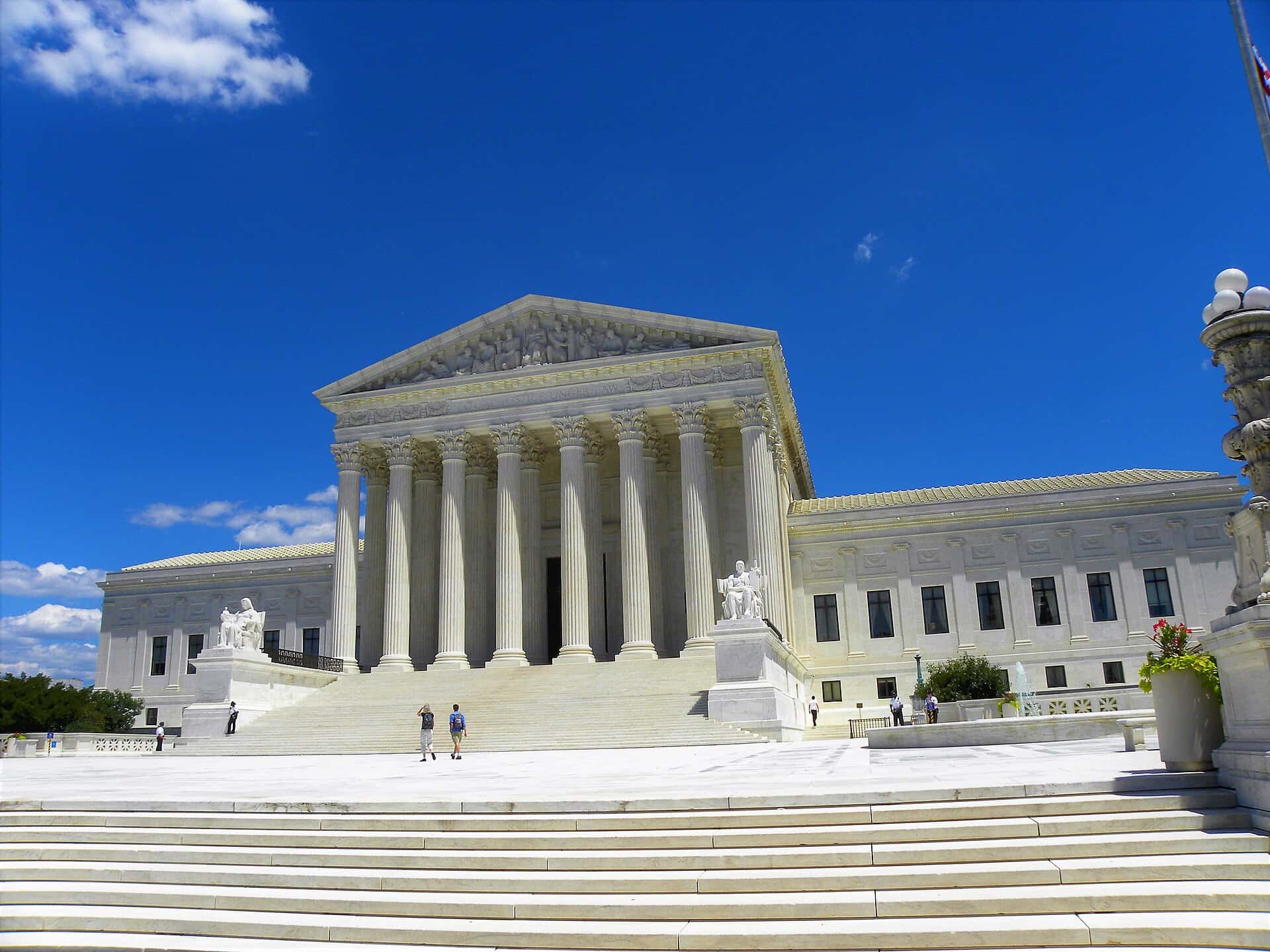
The United States Supreme Court denied Florida's motion for leave to file a complaint against California and Washington state on May 26, 2026, rejecting the state's attempt to hold two western states legally accountable for issuing commercial driver licenses to immigrants who do not speak English. The case originated from a fatal crash in Florida involving a truck driver who held a valid commercial license from California but who prosecutors said could not read English, raising questions about the licensing standards applied by states to individuals not authorized to be in the United States under federal law. The denial, which was not accompanied by a full written opinion, was joined by a dissent from Justices Clarence Thomas and Samuel Alito, who argued the court should have allowed Florida to proceed with its case.
The Crash That Started the Case
The Florida lawsuit stemmed from a crash that killed three people in Florida. The driver involved in the crash, identified in court records as Harjinder Singh, a citizen of India, was operating a commercial truck at the time and was accused of making an illegal U-turn that caused the collision. Singh held a valid commercial driver license issued by the State of California and had also previously been granted a commercial license by Washington state, despite reports that he was not proficient in reading English, a federal requirement for commercial driver license holders who operate in interstate commerce.
The crash drew attention to a practice in California, Washington, and a small number of other states of issuing commercial driver licenses to individuals regardless of their immigration status or English proficiency in circumstances that Florida and other states argued violated federal law. The federal commercial motor vehicle safety regulations require that commercial driver license holders be able to read and speak English sufficiently to understand highway traffic signs, instructions from enforcement officials, and safety regulations applicable to their operations.
Florida argued that by issuing licenses to individuals who do not meet this federal requirement, California and Washington were effectively exporting a safety risk to other states, where those license holders might operate commercial vehicles under licenses that Florida contended should not have been issued in the first place.
Florida's Legal Theory
Florida pursued its case against California and Washington in the U.S. Supreme Court's original jurisdiction, which is the constitutional provision that allows states to sue other states directly in the Supreme Court without first going through lower courts. Original jurisdiction cases between states are relatively rare and carry a high bar for the court to grant leave to file, requiring that the complaint present a serious question of federal law and that the dispute be of significant consequence to the states involved.
The state argued that California and Washington were violating federal law by issuing commercial licenses to individuals who do not read English, and that Florida had standing to bring the suit because the consequences of those allegedly unlawful licensing decisions had been felt within its borders in the form of the deadly crash. The case also had a broader immigration dimension, as Singh and other individuals who had received licenses from the western states were individuals not authorized under federal immigration law to be present in the country.
The Supreme Court's denial of leave to file does not come with a written explanation of the majority's reasons for rejecting the case. The procedural posture of the denial makes it difficult to interpret precisely what legal theory or threshold the majority concluded Florida had failed to meet. Original jurisdiction petitions are frequently denied because the court exercises substantial discretion in deciding which state-vs.-state disputes to take up.
The Dissent
Justices Thomas and Alito dissented from the denial, arguing that Florida presented a sufficient basis for the court to allow the case to proceed and hear argument on the merits. The dissenters' willingness to take up the case signals that at least two members of the court believe the underlying legal questions, including whether federal commercial driver license requirements preempt state licensing decisions and what remedies are available when one state's licensing practices cause harm in another, are worthy of full consideration.
The Thomas-Alito dissent will likely be cited by Florida and other states as evidence that the legal theories underpinning the lawsuit are not frivolous and that the underlying legal questions deserve eventual resolution by the high court. Similar legal questions about when and how one state's conduct can harm another, and what recourse the injured state has, arise in other contexts as well, making the doctrinal questions raised by the Florida case significant beyond the commercial driver license context.
Florida's Response
Governor DeSantis and the Florida Attorney General's office expressed disappointment in the Supreme Court's decision not to take up the case. State officials had argued that the case raised important questions about federal preemption and the responsibility of states for the consequences of licensing decisions that affect commercial vehicle safety across the country. The governor's office indicated it would continue to pursue all available legal avenues to address the safety concerns raised by the case.
Florida has a strong institutional motivation to address the commercial driver license issue given the state's role as a major commercial trucking corridor. Interstate 95, Interstate 75, the Florida Turnpike, and other major Florida routes carry substantial volumes of commercial truck traffic connecting the state to markets throughout the Eastern United States. The safety standards applied to commercial drivers who operate on those routes are of direct relevance to Florida motorists.
Broader Immigration and Safety Policy Context
The case reflects one of the most visible ongoing tensions between states with different approaches to immigration and public services and states like Florida that have sought to limit benefits and access to individuals not authorized to be in the country. California and Washington have generally taken more expansive positions on providing services to immigrants regardless of status, including licenses that allow immigrants to participate fully in the legal driving and employment market.
Florida, by contrast, has moved steadily in the direction of restricting government-provided services and benefits to individuals who are in the country without authorization. The state's legislature has passed multiple laws over the past several years aimed at limiting unauthorized immigrants' access to various state programs and at increasing cooperation between state and local law enforcement and federal immigration authorities.
The commercial driver license dispute brought those divergent policy approaches into direct legal conflict, with Florida arguing that California and Washington's more inclusive licensing approach created concrete legal harm in Florida's territory. The Supreme Court's denial of leave to file means that conflict will not be resolved through original jurisdiction litigation, at least not in the case as currently constituted.
What is Next
With the Supreme Court's denial of leave to file, Florida has exhausted the immediate legal avenue of a direct state-vs.-state lawsuit in the Supreme Court's original jurisdiction. The state may pursue alternative legal strategies, including participating as an amicus in other cases that raise related legal questions or supporting federal legislative or regulatory action to strengthen the English proficiency requirements for commercial driver licenses and the enforcement mechanisms that apply to non-compliant states.
The families of those killed in the crash that prompted Florida's lawsuit continue to pursue civil remedies through the tort system. The broader policy questions about commercial driver license standards, federal preemption, and immigration-adjacent state licensing practices remain unresolved and are likely to continue generating legal and political controversy in the coming years as the immigration enforcement environment remains a central feature of federal and state policy debates.
Spotted an issue with this article?
Have something to say about this story?
Write us a letterComments
No comments yet. Be the first to weigh in.
Related Coverage

Isaias Shuts Pensacola and Okaloosa Airports as Airlines Waive Fees and Tolls Lift on Panhandle Bridges
3h ago

Ex-CIA official pleads guilty in $194 million fraud, will forfeit $102 million in Palm Beach and Hobe Sound real estate
4h ago

11th Circuit voids septic permit ban in Indian River Lagoon manatee case after federal 'harm' rule rollback
4h ago

Trump ties disaster aid to midterm campaign as Hurricane Isaias nears Florida Panhandle
23h ago