Tampa City Council Rejects Six-Year Cap on Mayors, Sends Watchdog and Budget Charter Changes to March Ballot
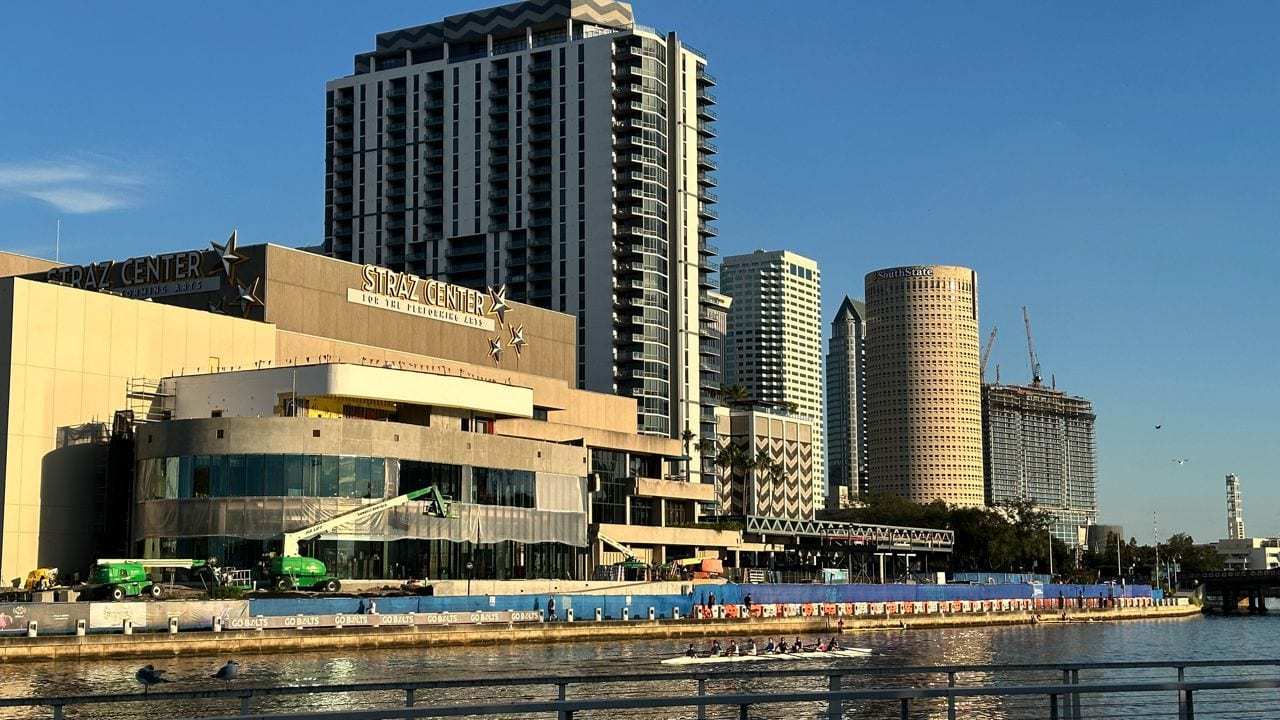
The Tampa City Council on Thursday, Nov. 19, declined to put a proposed charter amendment on the March 2027 ballot that would have barred anyone who has served more than six years as mayor from ever being elected to the office again. The same meeting advanced other charter changes that would shift power from the mayor's office toward the council, including a new appointed inspector general and the ability to change the city budget in the middle of the year without the mayor's approval, according to WUSF.
The rejected measure would have replaced Tampa's current mayoral term limit with a stricter, effectively permanent cap. Its defeat came from an unusual combination: members who said voters, not the charter, should decide how long a mayor serves, and a mayoral candidate who supports tougher limits but argued this version was drafted in a way that would have helped the sitting mayor.
What the council rejected
Under Tampa's existing charter, a mayor may serve two consecutive four-year terms but can run again after sitting out at least one term, WUSF reported. That rule is what allowed former Mayor Bob Buckhorn, who left office in 2019 after two terms, to launch a campaign this year for a third, non-consecutive term in 2027.
The proposal before the council would have struck that provision. According to the ordinance title in a city business impact estimate posted in October, the amendment would have amended Section 4.01 and created Section 4.03 of the city charter to replace the current mayoral term limit with a more restrictive provision mandating that no person who has served as mayor for more than six years may be elected mayor again. The same document states that the provision would apply only to time served as mayor after the amendment was adopted.
That last clause drew the sharpest objection, because years a mayor had already served would not count toward the six.
Carlson: written for one person
Council member Bill Carlson, one of the declared candidates to succeed Mayor Jane Castor, said he supports the concept of limiting how long a mayor can serve but voted against this version, according to WUSF. He argued that its wording would reset the clock and allow Castor to run again. Under the current rules, Castor would first have to spend four years out of office before she could seek the job again.
Carlson said he served on the 2016 charter review commission and believes the mayor should face restrictions similar to those that apply to the council, the council chair and the governor. WUSF quoted his core objection directly: My objection to this is, this is written for one person.
Council member Guido Maniscalco took a different view, saying term limits should be decided at the ballot box and that he saw no need for the restriction. WUSF quoted him: Let the people choose and let the people vote.
Castor, a Democrat and former Tampa police chief, won her first term in 2019 and was reelected in March 2023 with roughly 80% of the vote, according to WUSF's coverage of that election. She is term-limited, and her current term ends May 1, 2027.
What did go forward
While the term-limit change failed, the council approved several referendum questions for the March ballot that would increase its leverage over the executive branch, WUSF reported. Two stand out:
- An appointed Office of Inspector General that could investigate all city departments, including the council itself and the mayor's office, for possible wrongdoing.
- Mid-year budget authority that would let the council initiate changes to the city budget during the fiscal year without first getting the mayor's approval.
Council chair Alan Clendenin said the measures add balance and checks to city government, according to WUSF.
The package that advanced on first reading earlier in November was broader. Bay News 9 reported that it also included proposals to let the council override certain mayoral executive orders and to give council members more control over hiring their own staff, along with the mayoral term-limit change. WUSF's account of Thursday's final hearing did not detail what happened to the executive-order and staffing proposals.
Castor's objections and a possible veto
Castor has opposed the council's push into what she considers the mayor's territory. Speaking to Bay News 9 before the final hearing, she said she has never stepped into the council's area of responsibility, while the council spends a great deal of time stepping into hers. She singled out the inspector general proposal, saying the council's version differs sharply from what the city's Charter Review Committee recommended. In her words to Bay News 9: What their recommendation and what council came up with is 180 degrees different.
She also warned that added council staff and mid-year budget changes could raise costs. Clendenin, whom Castor blamed for driving the amendments, told Bay News 9 they were council proposals, not his personal agenda.
WUSF reported that Castor could veto the measures the council approved. Tampa has been through that sequence before. In January 2023, Castor vetoed a set of charter amendments and the council overrode her, placing four of the five on that March's ballot. Voters approved three of the four, including a cap limiting council members to four consecutive full terms.
How the charter process works
The amendments trace back to a citizen Charter Review Commission that met through 2026. The City Council referred several issues to that panel, including further consideration of mayoral term limits, the council's independent investigative power and the role of the city attorney, according to city records. The commission delivered its final report in September, and the council then decided which, if any, amendments to send to voters.
City documents describe the remaining steps: the council places amendments on the ballot, the mayor can veto that decision, and a council supermajority can override the veto. Any amendment that reaches the ballot needs a simple majority of Tampa voters to take effect.
The mayor's race backdrop
The debate over who controls City Hall is unfolding in the middle of a crowded race to replace Castor. The first round of the city election is March 2, 2027, with a runoff on April 27 if no candidate wins a majority. Declared candidates include Buckhorn, Carlson and council member Lynn Hurtak, along with several first-time candidates.
That overlap gives the charter questions extra weight. Whoever wins the mayor's office would inherit any new limits on the job, and a voter-approved inspector general or mid-year budget power would shape the next administration from its first day. It also means the term-limit question is not settled: Carlson's stated support for limits written differently suggests the issue could return in a future charter cycle.
What's next
The six-year cap will not appear on the March ballot. The inspector general and mid-year budget measures are set for that ballot unless Castor vetoes them and the council fails to override. Tampa voters will decide the surviving amendments on March 2, 2027, the same day they choose among the candidates to become the city's next mayor.
Spotted an issue with this article?
Have something to say about this story?
Write us a letterComments
No comments yet. Be the first to weigh in.
Related Coverage
Judge Dismisses Fake Voter Guide Charges Against St. Johns County Officials a Second Time
3h ago
Byron Donalds Warns Tallahassee 'Full Stop' as New City Commission Moves Toward Exiting ICE 287(g) Deal
7h ago
DeSantis calls for Florida taxpayer bill of rights to stop local fee hikes after Amendment 3
1d ago
Doral Voter Sues DeSantis in Florida Supreme Court to Force Special Election for Vacant Senate District 39
2d ago