Federal Reserve Holds Rates Steady, Keeping Pressure on Florida Housing
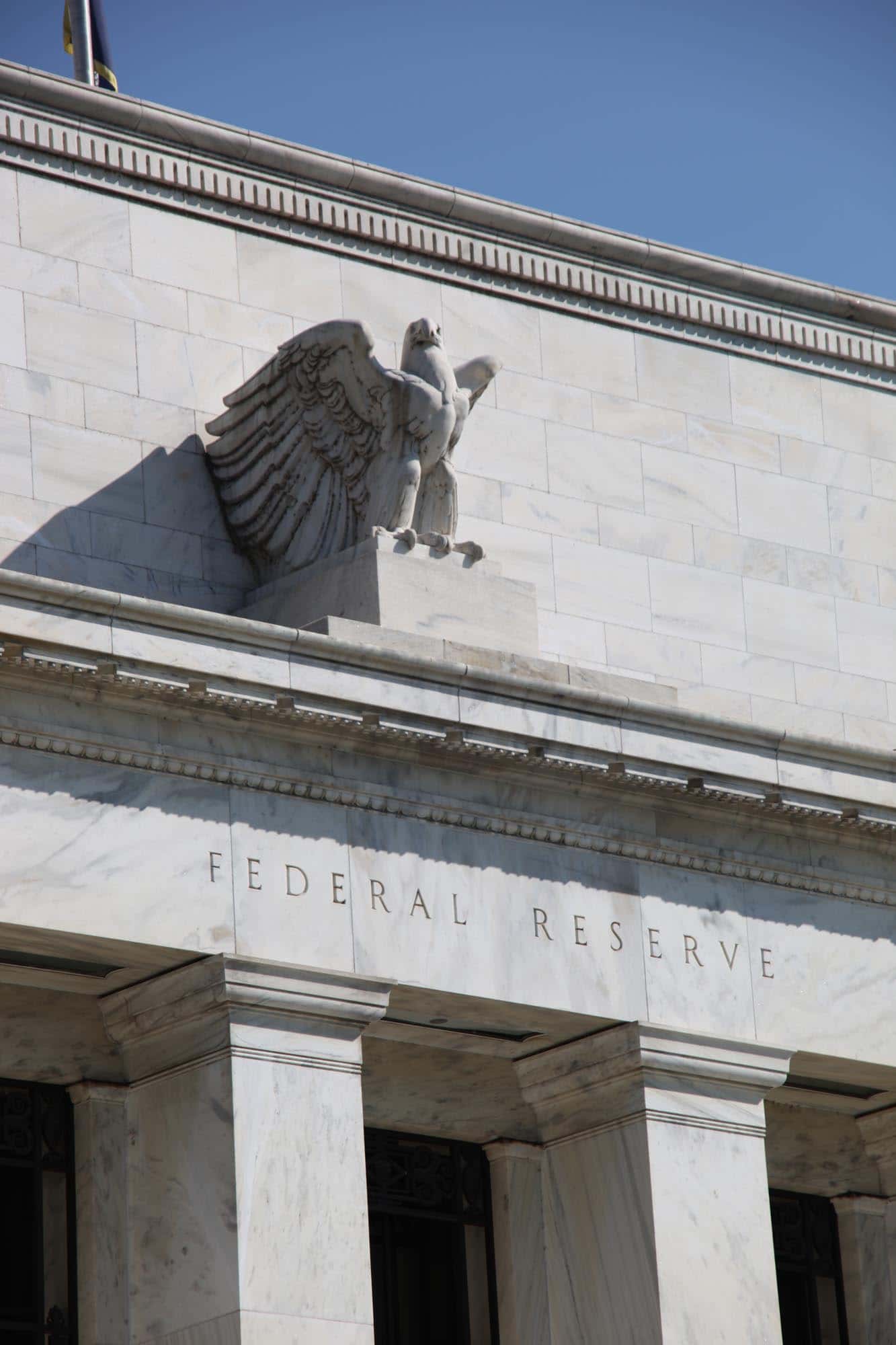
The Federal Reserve held its benchmark interest rate steady in June 2026, leaving the federal funds target range at 3.5 percent to 3.75 percent and keeping pressure on a Florida housing market already strained by high home prices and soaring insurance costs. The decision, the first under new Fed Chair Kevin Warsh, came with no change to rates and a signal that future increases remain possible, a stance that leaves Florida homebuyers, sellers, and homeowners waiting for relief that has not yet arrived.
For Floridians, the Fed's caution matters because interest rates set by the central bank ripple through the cost of borrowing across the economy, from mortgages and home equity lines to loans that small businesses depend on. With the state's median home price hovering around 395,000 dollars and property insurance costs among the highest in the nation, the combination of elevated rates and elevated prices continues to squeeze household budgets and slow the pace of the real-estate market.
The next decision is not far off. The Federal Open Market Committee, the body within the Fed that sets rates, is scheduled to meet on July 28 and 29, 2026. As of early July, financial markets were pricing in roughly a 78 percent chance that the committee would again hold steady and about a 22 percent chance of a rate hike, according to the CME FedWatch tool. For Florida households weighing whether to buy, sell, or borrow, that meeting looms as the next major signal.
What the Fed Decided in June
At its June 2026 meeting, the FOMC voted to keep the federal funds target range unchanged at 3.5 percent to 3.75 percent. The federal funds rate is the interest rate that influences borrowing costs throughout the economy, and holding it steady means the Fed judged that current conditions did not warrant either a cut or an increase at that moment. The committee also left the door open to possible future hikes, signaling that it was prepared to raise rates further if conditions called for it.
The meeting carried added significance because it was the first presided over by Kevin Warsh as chairman of the Federal Reserve. A new chair's first meeting is closely watched for signs of how the central bank's approach might evolve, and the decision to hold while nodding toward possible future tightening suggested continuity with a cautious, inflation-focused posture rather than a pivot toward easing.
Underlying the decision was the persistence of inflation above the Fed's long-standing 2 percent goal. According to the Fed and economic reporting, inflation remained elevated, driven in part by supply shocks that included pressures in energy markets. When inflation runs above target, the central bank is generally reluctant to lower interest rates, because cheaper borrowing can add fuel to rising prices. That dynamic helps explain why relief for borrowers has been slow to materialize.
Why Rates Matter So Much in Florida
Interest rates set in Washington reach into Florida households most directly through the housing market. Mortgage rates tend to move in relation to broader interest-rate conditions, and when the Fed holds its benchmark elevated, the cost of financing a home purchase tends to stay high as well. For a state where housing affordability has become a defining economic concern, the level of rates is far from an abstract matter.
Florida's housing market has been shaped by years of rising prices, with the median home price around 395,000 dollars. When mortgage rates are high, the monthly payment required to finance a home at that price climbs, pushing the cost of ownership beyond the reach of many buyers. Higher rates therefore compound the challenge already posed by elevated prices, narrowing the pool of Floridians who can afford to purchase a home.
The effect extends beyond first-time buyers. Homeowners who might otherwise sell and move are often reluctant to give up an existing lower-rate mortgage for a new loan at a higher rate, a dynamic that can reduce the number of homes available for sale. That reluctance slows the pace of the market and limits options for buyers, contributing to a market that feels stuck for many participants across the state. The effect is often described as a lock-in, where the gap between an existing low rate and a new higher one discourages the moves that would otherwise keep inventory circulating through the Florida market.
The Insurance-Plus-Rates Squeeze
What makes Florida's situation distinctive is that high interest rates are only one part of a broader affordability squeeze. Florida households also face some of the highest property insurance costs in the country, a burden that has grown heavier in recent years. The combination of steep mortgage costs and steep insurance premiums creates a double pressure that is felt acutely in Florida in a way that it is not in many other states.
For a prospective buyer, the total monthly cost of owning a Florida home includes not only the mortgage payment shaped by interest rates but also an insurance bill that can add substantially to the burden. When both costs are elevated at the same time, the math of homeownership becomes markedly harder. A buyer who could manage the mortgage alone may find the addition of high insurance premiums pushes the total beyond their budget.
Existing homeowners feel the squeeze as well. Even those who locked in their mortgage at an earlier point face rising insurance costs that increase the overall expense of keeping their home. The interplay of rates and insurance means that Florida's affordability challenge cannot be understood through the lens of interest rates alone, and it helps explain why the state's housing market remains under strain even as the national conversation focuses primarily on the Fed.
Mortgages, HELOCs, and Small Businesses
The reach of the Fed's decision extends across several kinds of borrowing that matter to Floridians. Mortgages are the most visible, but home equity lines of credit, known as HELOCs, are also affected. These lines allow homeowners to borrow against the value they have built up in their homes, and their cost is tied to prevailing interest rates. When rates stay high, tapping home equity becomes more expensive, limiting a financial tool that many households use for major expenses or to consolidate debt.
Small businesses, a significant part of Florida's economy, feel the effect as well. Many rely on loans and credit to manage cash flow, invest in growth, or weather seasonal swings. Higher interest rates raise the cost of that borrowing, which can constrain expansion and hiring. For a state with a large base of small enterprises in sectors such as tourism, services, and construction, the cost of credit is a meaningful factor in the broader economic picture.
Taken together, the rate environment touches Floridians at multiple points in their financial lives. A homeowner considering a HELOC, an entrepreneur seeking a business loan, and a family shopping for a mortgage are all affected by the same underlying decisions made by the Federal Reserve. The June hold, by keeping rates elevated, kept those borrowing costs where they have been rather than offering the relief that lower rates would bring.
What Shifted the Odds Heading into July
As markets looked ahead to the July 28-29 meeting, expectations tilted toward another hold, though the possibility of a hike had not disappeared. The CME FedWatch tool, which gauges market expectations for Fed decisions, showed roughly a 78 percent probability of steady rates and about a 22 percent probability of an increase as of early July. Those odds reflect how investors were reading the balance of economic signals.
Two developments helped shape that outlook. A jobs report came in weaker than expected, and softer labor-market data tends to reduce the case for raising rates, since a cooling job market can ease inflationary pressure on its own. In addition, Chair Warsh offered cautious remarks at the European Central Bank forum in Sintra, Portugal, and according to Barclays those factors together reduced the perceived odds of a hike at the upcoming meeting.
The interplay of these signals illustrates how closely the Fed's path depends on incoming data. A cautious chair and a softening labor market pushed expectations toward continued patience, but with inflation still above target and the committee having signaled openness to future increases, the outcome was not treated as certain. For Floridians, the shifting odds underscored that the direction of rates, and therefore of borrowing costs, remained genuinely in play.
What Florida Households Should Watch
The most immediate event on the horizon is the FOMC meeting on July 28 and 29, 2026. Its outcome will determine whether borrowing costs hold steady or move higher, and the accompanying commentary from the Fed will offer clues about the path ahead. For Floridians weighing major financial decisions, that meeting is the next clear marker, and the market's expectation of a likely hold offers a tentative sense of direction while leaving room for surprise.
Beyond the meeting itself, Floridians can watch the same signals the Fed monitors. Inflation data, particularly given the role of energy and other supply shocks, will influence whether the central bank leans toward holding, hiking, or eventually easing. Labor-market reports will matter too, since the strength or weakness of hiring feeds directly into the Fed's calculations. These indicators, reported regularly, provide a running sense of where rates may head.
For now, the practical reality for Florida households is a market defined by elevated costs on multiple fronts. Buyers face high prices, high mortgage rates, and high insurance premiums at once, while sellers navigate a market slowed by those same pressures. The June hold did not worsen that picture, but it did not relieve it either. Whether the July decision brings a change, and whether the balance of economic data eventually opens the door to lower rates, will determine how much longer Florida's housing and borrowing squeeze persists.
Spotted an issue with this article?
Have something to say about this story?
Write a letter to the editorComments
No comments yet. Be the first to weigh in.
Related Coverage
Treasury mails $500 ACA 'refund' checks, with nearly 128,000 Floridians in line for payments
11h ago

Rep. Salazar's immigration break with Trump reshapes FL-27 race a month before Election Day
11h ago
Florida loses 51 Medicare Advantage plans for 2027, the most of any state, as open enrollment nears
13h ago

FAA draft review finds no significant impact from Blue Origin's plan for 50 New Glenn launches a year at Cape Canaveral
15h ago