Troopers Arrest Driver on DUI Manslaughter Charge in Deadly Tallahassee Rollover
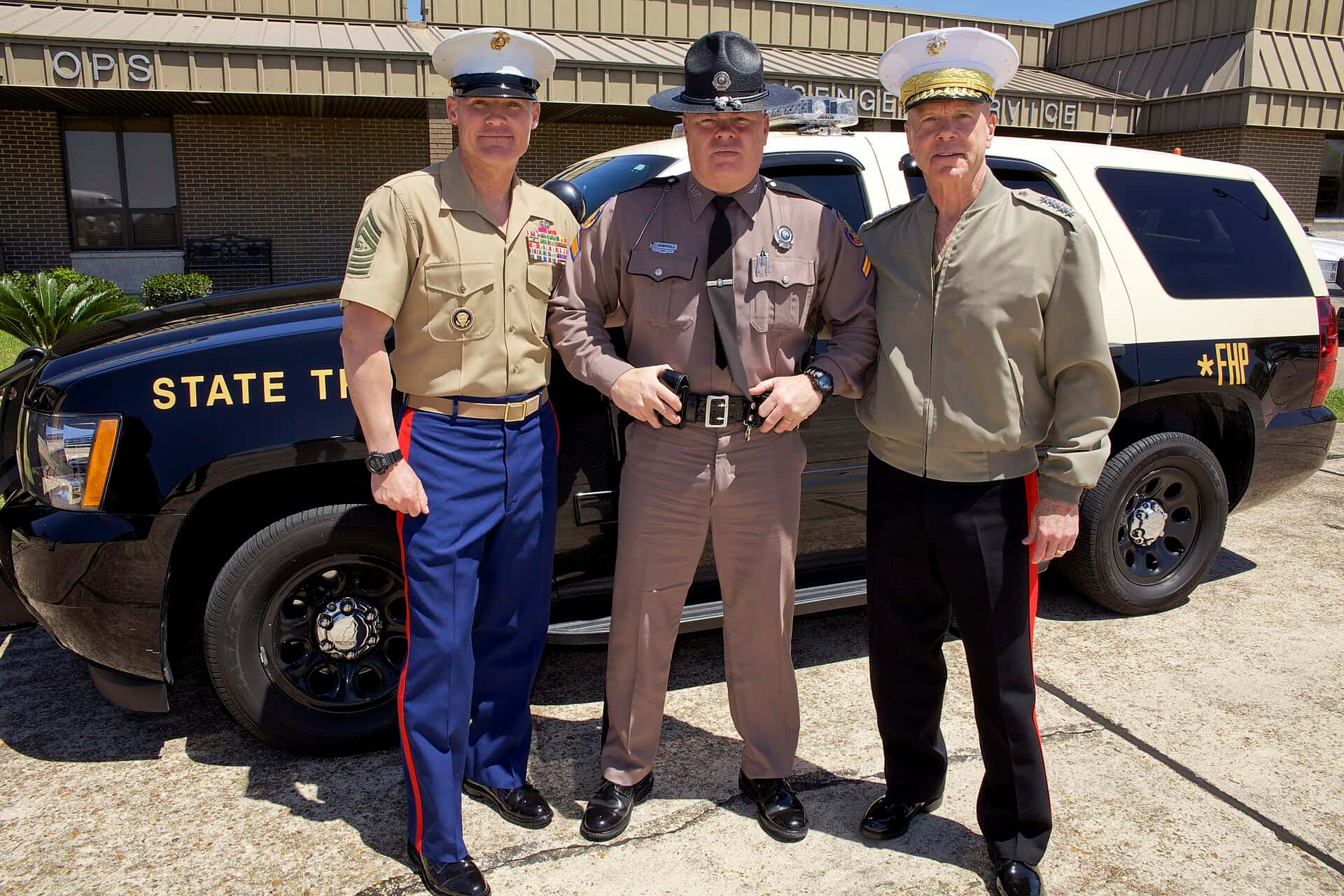
The Florida Highway Patrol has arrested a driver on a charge of DUI manslaughter in connection with a rollover crash in Tallahassee last year that killed a 68-year-old passenger, according to the agency. The arrest, announced at the start of July, closes an investigation that began nearly a year earlier and stands as a reminder of the deadly consequences of impaired driving on Florida's roads. As with any pending case, the defendant is presumed innocent unless and until proven guilty in court.
What troopers say happened
According to the Florida Highway Patrol, the crash occurred in August of last year on a roadway in Tallahassee. Investigators say the driver of a passenger car oversteered or overcorrected to the left, causing the vehicle to roll over and strike trees. A passenger in the car, a 68-year-old, died as a result of the crash, and the driver was hospitalized with serious injuries at the time.
The Highway Patrol's investigation continued in the months following the crash, and the agency announced the arrest of the driver on a charge of DUI manslaughter. The charge alleges that the driver was operating the vehicle under the influence when the fatal crash occurred, a serious felony under Florida law. The defendant is accused of the offense but has not been convicted, and the case will proceed through the criminal justice system.
Fatal crash investigations of this kind often take months to complete. Investigators must reconstruct the crash, analyze evidence, obtain toxicology results and build a case that can support charges. The interval between the crash and the arrest reflects the deliberate process required to develop the evidence necessary to bring a felony charge in a fatality case.
Understanding the charge
DUI manslaughter is among the most serious offenses a driver can face in Florida. It applies when a person operates a vehicle while impaired by alcohol or drugs and causes the death of another person. The charge is a felony that carries the potential for substantial prison time upon conviction, reflecting the gravity with which the law treats impaired driving that results in a death.
To secure a conviction, prosecutors must prove that the driver was impaired and that the impairment caused the fatal crash. Evidence in such cases typically includes toxicology results, crash reconstruction, witness accounts and other investigative findings. The defense may contest the evidence, the circumstances of the crash or the cause of the fatality. The process ensures that the accused has the opportunity to challenge the charges before any determination of guilt.
It bears emphasizing that an arrest and a charge are not a conviction. Under the American legal system, the accused is presumed innocent, and the burden rests on the prosecution to prove guilt beyond a reasonable doubt. The case now enters the phase of court proceedings, where the evidence will be tested and the defendant will have the chance to mount a defense.
The toll of impaired driving in Florida
The case is a stark example of the ongoing problem of impaired driving in Florida. Every year, crashes involving alcohol or drug impairment claim lives across the state, leaving families to grieve preventable deaths. Law enforcement agencies, including the Florida Highway Patrol, devote significant resources to combating impaired driving through enforcement, investigation and public awareness efforts.
The Highway Patrol regularly investigates fatal crashes and pursues charges when evidence indicates impairment. The agency's fatal crash investigators specialize in reconstructing the circumstances of deadly wrecks and building the cases that hold impaired drivers accountable. This case reflects that ongoing work, in which an investigation that began at the scene of a crash culminates months later in a criminal charge.
Impaired driving remains a persistent danger despite decades of public education and enforcement. The combination of Florida's heavy traffic, its many miles of roadway and the presence of alcohol at social gatherings creates conditions in which impaired driving crashes continue to occur. Each fatality represents not only a legal case but a profound loss for the victim's family and community.
The investigative process
Fatal crash investigations are methodical undertakings. When a deadly crash occurs, troopers respond to secure the scene, document evidence and begin the work of determining what happened. Crash reconstruction specialists analyze physical evidence, from skid marks to vehicle damage to the final positions of the vehicles, to piece together the sequence of events.
When impairment is suspected, investigators pursue toxicology testing to determine whether the driver was under the influence. Obtaining and analyzing that evidence, along with other elements of the investigation, can take considerable time. Only after the investigation is complete and the evidence supports the charge does an arrest typically follow in cases like this one.
The deliberate pace of such investigations reflects the seriousness of the charges and the importance of building a case that can withstand scrutiny in court. Rushing to charge without sufficient evidence would risk both injustice and the failure of a prosecution. The interval between crash and arrest, while it may seem long, is a function of the thoroughness the process demands.
What comes next in the case
With the arrest made, the case now moves into the judicial phase. The defendant will face the charge in court, where the legal process will unfold through arraignment, the exchange of evidence, potential pretrial motions and, ultimately, either a plea or a trial. Throughout, the presumption of innocence applies, and the outcome will be determined by the legal process.
Prosecutors will present the evidence gathered by the Highway Patrol, and the defense will have the opportunity to challenge it. The court will oversee the proceedings, ensuring that the rights of the accused are protected while the case is adjudicated. The timeline for resolution can vary considerably depending on the complexity of the case and the decisions of the parties involved.
For the family of the victim, the arrest may represent a step toward accountability, though the legal process ahead can be lengthy. For the accused, it marks the beginning of a serious legal challenge. The case will proceed under the principles that govern the criminal justice system, with guilt or innocence to be determined in a court of law.
The human cost behind the statistics
Behind every impaired driving case lies a human toll that statistics cannot fully capture. In this case, a 68-year-old passenger lost their life, leaving behind family and friends who must cope with a sudden and preventable death. The grief that follows such a loss is profound, and it endures long after the legal proceedings conclude. For the victim's loved ones, no outcome in court can restore what was taken.
Fatal crashes ripple outward through communities, affecting not only the immediate families but the wider circles of people touched by the victims and, in cases involving impairment, the accused as well. A single crash can alter many lives in an instant. The permanence of the loss is what makes impaired driving such a serious matter in the eyes of the law and the public, and it is why fatality cases are pursued with particular diligence.
For the accused, an impaired driving case that results in a death carries life-altering consequences regardless of the outcome. A conviction can mean years in prison and a permanent record, while even the process of facing such charges is a serious ordeal. The gravity of the situation underscores the stakes of the choices drivers make, and it lends weight to the warnings that law enforcement issues about impaired driving.
The victim advocates and support systems that assist families through the aftermath of fatal crashes play an important role in helping those affected navigate their grief and the legal process. Their work is a reminder that behind the procedural aspects of a criminal case are real people coping with devastating loss. That human dimension is central to why impaired driving remains such a focus of public safety efforts.
Enforcement across Florida's roads
The Florida Highway Patrol and local law enforcement agencies across the state maintain a sustained focus on impaired driving through a combination of patrols, sobriety checkpoints where permitted, and targeted enforcement during periods when impaired driving tends to spike, such as holidays and major events. The agencies coordinate public awareness campaigns alongside their enforcement efforts, seeking to change behavior before crashes occur rather than only responding after the fact. That dual approach, combining education and enforcement, reflects the recognition that preventing impaired driving is preferable to prosecuting it after a tragedy.
Florida's vast network of highways and roads, combined with its large population and heavy tourism, presents a significant challenge for impaired driving enforcement. The state sees substantial traffic volumes, and the presence of visitors unfamiliar with local roads can add to the risks. Law enforcement agencies deploy their resources strategically, concentrating on areas and times with elevated risk, but the scale of the task means that individual choices remain the most important factor in preventing impaired driving crashes.
The consequences for impaired driving in Florida can be severe even when no crash occurs, including license suspension, fines and potential jail time for a conviction. When a crash results in injury or death, the penalties escalate dramatically. Law enforcement and prosecutors emphasize these consequences in their messaging, hoping that awareness of the legal risks, alongside the moral weight of endangering others, will deter impaired driving before it leads to the kind of outcome at the center of this case.
A broader reminder
Beyond the specifics of this case, the arrest serves as a reminder of the stakes of impaired driving. Law enforcement agencies across Florida continue to urge drivers never to operate a vehicle while under the influence, emphasizing the availability of alternatives such as designated drivers and ride services. The message is consistent: impaired driving endangers lives, and the consequences, both human and legal, can be devastating.
The Florida Highway Patrol and other agencies maintain their focus on impaired driving as a public safety priority, through both enforcement and the investigation of crashes that result from it. Cases like this one underscore why that focus matters, and they reinforce the importance of the choices drivers make every time they get behind the wheel. As this case moves through the courts, it stands as one more example of the enduring effort to hold impaired drivers accountable and to prevent the tragedies that impaired driving causes.
Spotted an issue with this article?
Have something to say about this story?
Write a letter to the editorComments
No comments yet. Be the first to weigh in.
Related Coverage
Middleburg Man Pleads Guilty to 1987 Jacksonville Cold Case Killing of Missy Ellison, Gets 24 Years
6h ago

Flagler Deputies Arrest Palm Coast Teen Accused of Using FortifyFL App for School Shooting Hoaxes
8h ago

Jacksonville officer charged with domestic battery, ninth JSO employee arrest of 2026
1d ago

Florida sets double execution for Oct. 13
1d ago