Panthers Reshape Roster in Free Agency as Bobrovsky Departs
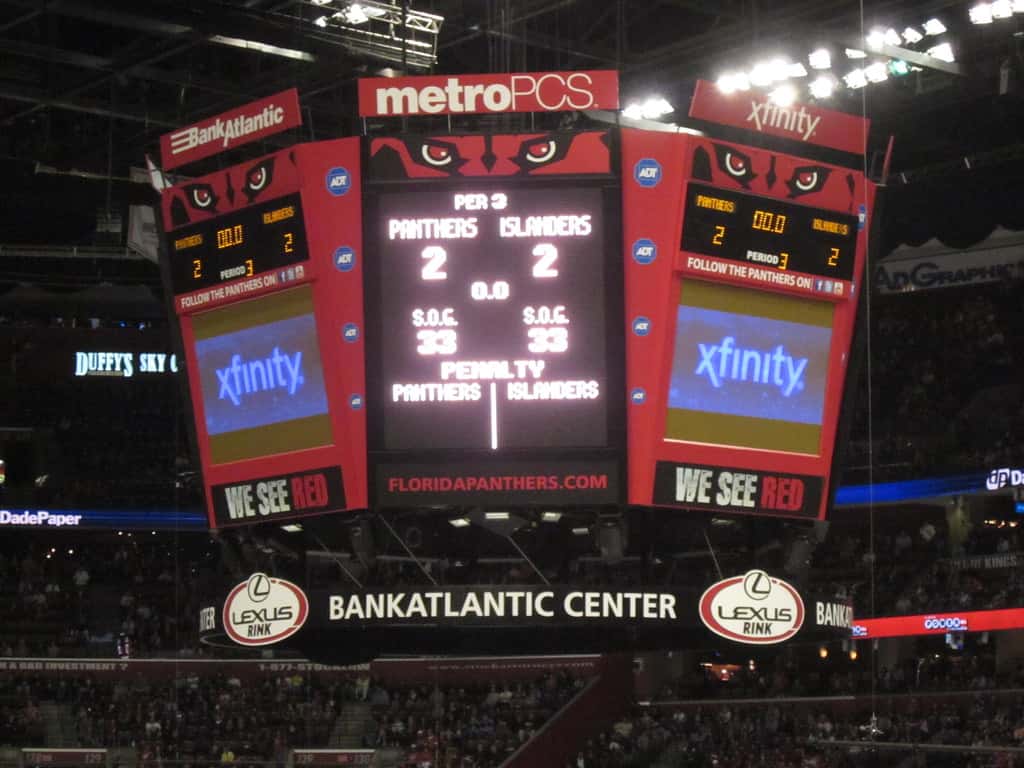
The Florida Panthers spent the summer doing what dynasties are forced to do: changing in order to stay the same. Fresh off back-to-back Stanley Cup titles, the Panthers reshaped their roster during 2026 NHL free agency, most notably parting with longtime goaltender Sergei Bobrovsky while committing long term to core pieces and adding proven veterans on defense. For a South Florida franchise that has become the model of sustained success, the offseason was an exercise in retooling on the fly, defending a championship while managing the financial and roster realities that come with winning.
The headline departure is Bobrovsky, the 37-year-old netminder who anchored Florida's rise over seven seasons and signed a three-year deal with the Toronto Maple Leafs. His exit closes a defining chapter for the Panthers and forces the organization to reimagine its crease. In his place, Florida acquired goaltenders Jacob Markstrom and Akira Schmid, a clear signal that the front office intends to reload rather than rebuild even as it turns the page on one of its most important players.
Why it matters for Florida is plain. The Panthers have made Amerant Bank Arena in Sunrise the center of the hockey world, drawing new fans to a nontraditional market and giving South Florida a genuine sports dynasty. How the team navigates this transition, from goaltending to toughness to the salary cap, will determine whether the run continues into a third consecutive title chase.
The End of the Bobrovsky Era in Sunrise
Sergei Bobrovsky's departure marks the close of an era that helped define modern Panthers hockey. Over seven seasons in Florida, the veteran goaltender was a central figure in the franchise's transformation from perennial hopeful to repeat champion, and his exit at age 37 to sign a three-year contract with Toronto is the most emotionally significant move of the Panthers' offseason.
For a player so closely tied to the team's back-to-back title runs, the transition to a new market carries weight on both sides. Bobrovsky leaves as one of the most accomplished goaltenders in Panthers history, and his move north gives the Maple Leafs an experienced presence in net. In Sunrise, his absence leaves a void that the organization moved quickly to address, understanding that championship-level goaltending is not easily replaced.
The Panthers were not the only club to lose a familiar face. Left wing AJ Greer, 29, signed a four-year deal with the Anaheim Ducks, adding another departure to an offseason of turnover. Between Bobrovsky and Greer, Florida watched two contributors to its recent success leave for new destinations, a reminder that success invites roster churn as players earn opportunities elsewhere.
Change of this magnitude tests any contender. The Panthers built their dynasty in part on continuity and chemistry, and replacing a goaltender of Bobrovsky's stature is among the hardest tasks in the sport. The front office's response over the rest of free agency reveals how it intends to fill the gap and keep the championship window open.
A New Goaltending Picture Takes Shape
Florida wasted little time reconstructing its crease. The Panthers acquired both Jacob Markstrom and Akira Schmid via trade, assembling a new goaltending tandem to succeed Bobrovsky. The dual acquisition signals that the organization prioritized certainty in net, choosing to bring in experienced options rather than gamble on a single unproven solution.
Markstrom arrives as a veteran presence capable of shouldering a significant workload, the kind of established netminder a contender leans on through the grind of a championship defense. Pairing him with Schmid gives the Panthers depth and flexibility, allowing the coaching staff to manage starts across a long season and to guard against the injuries and slumps that can derail a title run.
The move reflects a broader philosophy that has served Florida well: address needs decisively and trust the structure around the position. The Panthers have built a defensive system that supports their goaltenders, and a new tandem inherits a team built to limit high-danger chances. That environment can ease the transition for netminders stepping into the pressure of defending a Stanley Cup.
Still, the crease is where the retool will be judged most closely. Goaltending is often the difference between an early exit and a deep playoff run, and Florida is asking a new tandem to match the standard Bobrovsky set. How Markstrom and Schmid perform will be one of the defining storylines of the Panthers' season and a direct test of the front office's summer plan.
Gudas Returns to Add Grit on the Blue Line
If the goaltending changes were about continuity of results, the defense corps moves were about identity. The Panthers signed veteran defenseman Radko Gudas, 36, to a six-year contract, bringing back a former Panther from the Anaheim Ducks and reinforcing the physical edge that has become a hallmark of Florida hockey.
Gudas is known throughout the league for his toughness and willingness to play a hard, physical brand of defense. His return to Sunrise adds a familiar and intimidating presence to the blue line, one that fits the character of a team that has won by combining skill with an unrelenting physical style. For a club defending a title, that edge can be as valuable in the postseason as any statistical measure.
The Panthers also added defenseman Alexander Petrovic from the Dallas Stars on a two-year deal, further deepening their options on the back end. Between Gudas and Petrovic, Florida bolstered its defensive group with experience and grit, ensuring the team retains the sturdy foundation that has supported its championship runs.
Toughness has been a defining trait of the Panthers' identity, and these signings reinforce it deliberately. Playoff hockey rewards teams that can absorb and deliver physical punishment over multiple rounds, and Florida's front office clearly views that quality as non-negotiable. Reinforcing the blue line with players who embody that style keeps the Panthers true to the formula that made them champions.
Locking In the Core for the Long Haul
Amid the turnover, the Panthers made a point of securing the players central to their identity. The organization re-signed forward Eetu Luostarinen, a member of both Stanley Cup teams, to an eight-year extension that runs through the 2034-35 season. The length of the deal underscores how highly Florida values his role and its intention to keep its championship core intact well into the next decade.
Luostarinen's commitment is a statement of stability in an offseason otherwise marked by change. Retaining a two-time Cup winner on a long-term contract gives the Panthers a reliable, homegrown presence and signals to the rest of the roster that the organization is building around its proven winners. For a team defending its status, that kind of continuity is a valuable counterweight to the departures.
The Panthers also agreed to extensions with two younger contributors, Sandis Vilmanis, 22, on a two-year deal, and Cole Schwindt, 25, also for two years. Locking in developing players on manageable terms allows Florida to blend its established core with emerging talent, a balance that sustains contention over time rather than for a single season.
Together, these commitments illustrate the Panthers' dual approach: preserve the pieces that won championships while integrating the next wave of contributors. Retaining Luostarinen for the long haul and keeping Vilmanis and Schwindt in the fold gives Florida a foundation of familiarity even as its goaltending and depth pieces change around them.
Managing the Cap While Defending the Crown
Every move the Panthers made this summer had to fit within the constraints of the salary cap, and Florida navigated that challenge while remaining a contender. The team sits roughly $4.5 million under the $104 million cap ceiling, a position that reflects careful management given the number of contracts the organization handled during free agency.
Staying under the cap while re-signing a core player to an eight-year extension, adding a veteran defenseman on a six-year deal, and reshaping the goaltending tandem is no small feat. The math of a modern NHL roster forces difficult choices, and some departures, including Bobrovsky and Greer, are as much about financial reality as hockey fit. The Panthers appear to have threaded that needle without sacrificing their competitive standing.
Cap flexibility carries strategic value as the season unfolds. A team with room beneath the ceiling has the ability to adjust in-season, whether to address injuries or to pursue upgrades ahead of the trade deadline. For a club aiming to defend a championship, that flexibility can prove decisive when the schedule and standings demand a response.
The broader takeaway is that Florida's front office has shown it can win and manage the books at the same time. Sustained success in a cap league requires constant recalibration, and the Panthers' summer demonstrates an organization willing to make hard decisions to keep its window open. The roughly $4.5 million in space is a sign of discipline as much as ambition.
What's Next for the Panthers
The offseason work is done, and now the Panthers must prove their retooled roster can meet the standard they have set. Training camp will be the first real test, particularly for a new goaltending tandem that carries the weight of replacing Bobrovsky. How quickly Markstrom and Schmid settle into Florida's system will shape early expectations for the season ahead.
The blend of continuity and change will define the Panthers' identity going forward. Luostarinen, Vilmanis, and Schwindt provide familiar faces, while Gudas and Petrovic reinforce the physical edge that has powered Florida's runs. Integrating those pieces into a cohesive unit is the challenge that will determine whether the dynasty extends into a third consecutive title chase.
The cap situation leaves the door open for further moves as the season progresses. With roughly $4.5 million in space, the Panthers retain the flexibility to respond to circumstances, and reports around the league will inevitably test that room as the year unfolds. The front office has positioned the team to adapt, and the trade deadline could bring additional changes if the roster demands them.
For South Florida, the stakes are clear. Amerant Bank Arena has become home to a genuine sports dynasty, and the Panthers enter the season chasing history once more. What to watch is whether a reshaped roster, built on new goaltending and reinforced toughness, can carry the franchise back to the sport's biggest stage and keep the championship run alive.
Spotted an issue with this article?
Have something to say about this story?
Write a letter to the editorComments
No comments yet. Be the first to weigh in.
Related Coverage
Rays open ALDS against Yankees before sellout crowd at Tropicana Field
6h ago

No. 8 Florida Gators visit No. 25 Missouri in ranked road test under Jon Sumrall
6h ago

Miami Heat open Giannis Antetokounmpo era with preseason game in Quebec City
7h ago
Lightning open season with 5-1 loss to Rangers as Shesterkin scores rare goalie goal
9h ago