Venezuelan TPS Uncertainty Grips South Florida as Supreme Court Weighs Protected Status
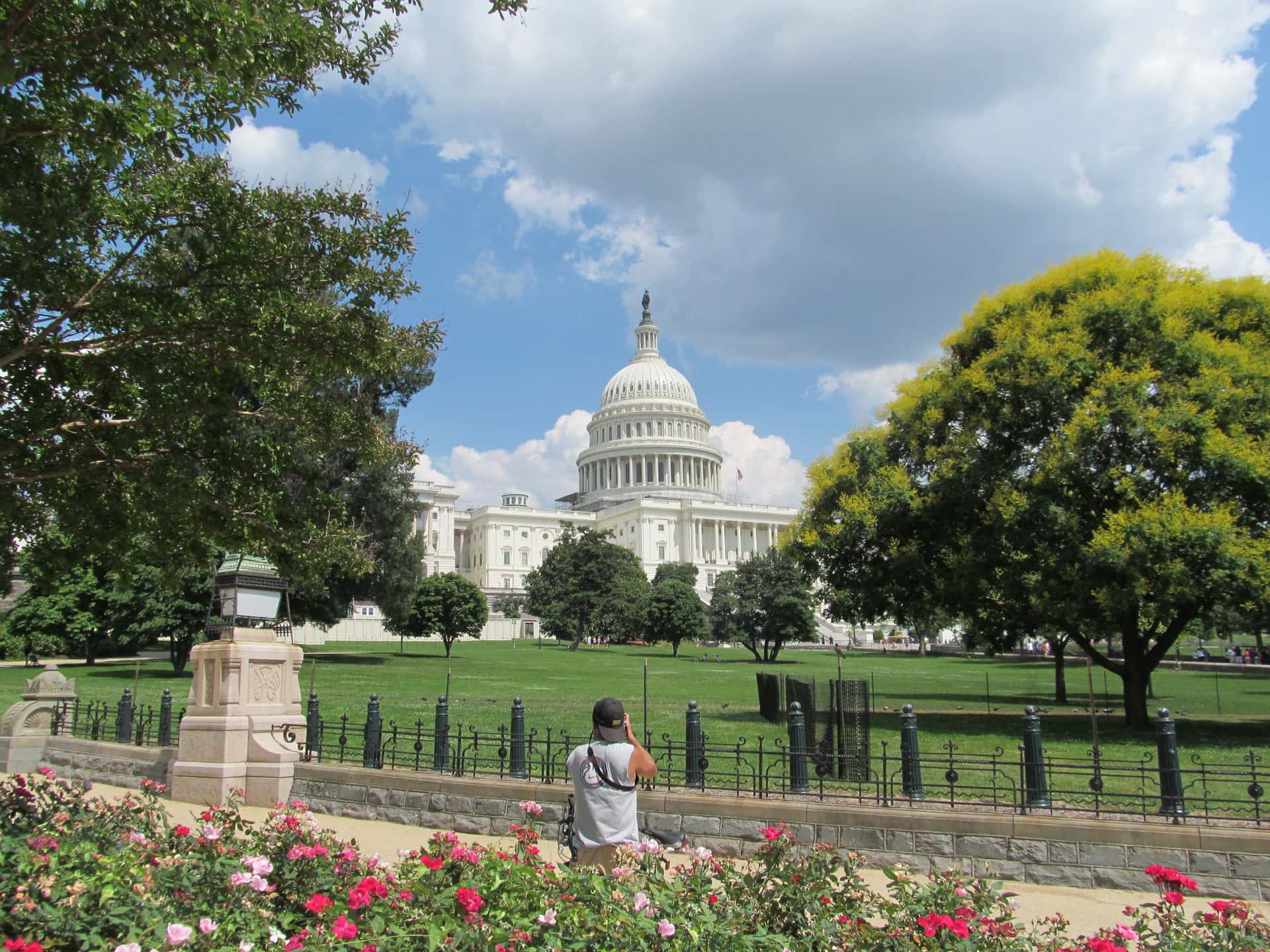
Tens of thousands of Venezuelan holders of Temporary Protected Status live in South Florida, and many of them now face deep uncertainty over their futures as the U.S. Supreme Court weighs a case that could shape the fate of the program. The city of Doral, home to one of the largest Venezuelan populations in the country, sits at the center of the anxiety gripping the region's diaspora.
Temporary Protected Status, known as TPS, allows nationals of designated countries to live and work in the United States when conditions in their home countries make return unsafe. For Venezuelans in South Florida, that status has provided a measure of stability, and the prospect of its loss carries profound economic and family consequences for communities across Miami-Dade and Broward.
The uncertainty stems from actions by the federal government and ongoing litigation. DHS Secretary Kristi Noem published a notice to terminate the Venezuela 2021 TPS designation, with an effective date of November 7, 2025, after determining that Venezuela no longer met the conditions for the designation. That action has faced significant litigation, leaving the program's status contested.
Adding to the complexity, the Supreme Court heard arguments in a TPS case in April 2026 and is expected to rule by early July 2026. While that case focuses on TPS for Haiti and Syria, its outcome could affect other countries, including Venezuela, making the anticipated decision a pivotal moment for South Florida's diaspora communities.
South Florida's Venezuelan Community
South Florida has become a heartland for the Venezuelan diaspora in the United States, with tens of thousands of TPS holders among its residents. The community has established deep roots in the region, contributing to its economy and culture and forming an integral part of the social fabric in cities across Miami-Dade and Broward.
Doral, in particular, is home to one of the largest Venezuelan populations in the country, so much so that it has earned an informal reputation as a center of Venezuelan life in the United States. The concentration of residents there means that changes to TPS policy reverberate intensely through the city and its surrounding communities.
For many in this community, TPS has provided the legal foundation for building lives in South Florida, including the ability to work and support families. The status has allowed residents to participate in the regional economy and to put down roots, which is why the prospect of its termination generates such concern.
The stakes are not abstract. Families in Doral and across the region have organized their lives around the stability that TPS afforded, and the uncertainty surrounding the program touches employment, housing, and the everyday plans of households that have made South Florida their home.
The Move to Terminate Venezuela's Designation
The current uncertainty traces to the federal government's decision to end the Venezuela 2021 TPS designation. DHS Secretary Kristi Noem published a notice to terminate that designation, setting an effective date of November 7, 2025, after the department determined that Venezuela no longer met the conditions required for TPS.
Under the law governing TPS, designations rest on a finding that conditions in a country make it unsafe for nationals to return. The determination that Venezuela no longer met those conditions formed the legal basis for the termination notice, reflecting the administration's assessment of the situation.
The termination, however, has not gone unchallenged. The action has faced significant litigation, with the program's status contested in the courts. That litigation has introduced a layer of legal uncertainty, leaving affected residents unsure of where the program stands and what protections remain in place.
The contested nature of the termination means that the future of Venezuela's TPS designation is unsettled. Court proceedings have become a central arena in which the fate of the program is being decided, and the outcomes of those cases carry direct consequences for the tens of thousands of Venezuelans relying on the status in South Florida.
Work Authorization in the Balance
Amid the uncertainty, questions of work authorization weigh heavily on affected residents. According to the available information, some Venezuelan TPS recipients who received a work permit on or before February 5, 2025, with an expiration date of October 2, 2026, may retain work authorization until that date.
That provision offers a window of continued employment eligibility for those who fall within its terms, providing a measure of certainty in the near term for residents whose permits carry the specified expiration date. For workers and the businesses that employ them, the ability to keep working until October 2, 2026, matters considerably.
The limited and conditional nature of that authorization, however, underscores the broader precariousness. The provision applies to a specific subset of recipients based on when their permits were issued and when they expire, meaning not all TPS holders share the same circumstances or timelines.
For the community as a whole, the patchwork of dates and conditions adds to the difficulty of planning. Residents must navigate the specifics of their own permits while the larger questions about the program's future remain unresolved, a situation that legal advisers are helping affected individuals understand.
A Wider Net of Concern
The uncertainty is not confined to Venezuelans. A DHS memo from December 2025 flagged nationals from Venezuela, Cuba, Haiti, and others as high-risk and placed a hold on certain asylum applications, specifically the I-589 forms used to seek asylum. That action broadened the set of communities affected by shifting federal immigration policy.
South Florida is home not only to Venezuelans but also to large Cuban and Haitian communities, and the December memo's reach across these nationalities means its effects extend throughout the region's diaspora populations. The hold on certain asylum applications adds another dimension to the uncertainty facing residents.
For those with pending or prospective asylum claims, a hold on I-589 forms introduces delay and doubt into a process that is already complex. The memo's designation of certain nationals as high-risk signals a posture that affects how their cases are handled, compounding the anxieties tied to TPS.
Taken together, the TPS termination and the asylum-related actions create overlapping pressures on South Florida's immigrant communities. Venezuelans, Cubans, Haitians, and others find themselves navigating a federal landscape in which multiple policies bear on their ability to remain and work in the United States.
The Supreme Court Case
The most consequential near-term development is the pending Supreme Court case on TPS. The justices heard arguments in April 2026 and are expected to issue a ruling by early July 2026, placing the decision squarely within the coming weeks as South Florida watches closely.
The case directly concerns TPS for Haiti and Syria rather than Venezuela. Its specific subject matter is the designation of those countries, and the legal questions it presents arise in that context. The ruling will speak first and foremost to the status of TPS for the nations at issue in the case.
Yet the outcome could reach beyond Haiti and Syria. Because the case touches on the legal framework governing TPS, its resolution could affect other countries, including Venezuela. That potential spillover is why the decision carries such significance for Venezuelan TPS holders in South Florida, even though their country is not the direct subject.
The expectation of a ruling by early July means the period of uncertainty has a defined horizon, at least for this case. Affected residents and the legal-aid organizations serving them are awaiting the decision, aware that it could clarify or further unsettle the landscape for TPS across multiple countries.
Economic, Family, and Legal Stakes
The human stakes of the uncertainty are considerable. For families in Doral and across South Florida, TPS has underpinned their ability to work, earn income, and remain together, and the prospect of losing that status raises the specter of disrupted livelihoods and separated households.
The economic consequences extend to the broader community. TPS holders participate in the regional workforce and economy, and changes to their status affect not only individual families but the businesses and sectors that rely on their labor. The interplay of work authorization deadlines and legal uncertainty complicates planning for residents and employers alike.
Legal-aid organizations have a central role in helping affected residents navigate the situation. They assist individuals in understanding their specific circumstances, including the conditions attached to work permits and the implications of the various federal actions, and they help residents prepare for the range of possible outcomes.
The political stakes are significant as well. South Florida's diaspora communities, including Venezuelans, Cubans, and Haitians, are an influential presence in the region, and the policies affecting their status carry weight in the broader political conversation. The neutral facts of the policy intersect with the deeply personal consequences for the families involved.
What's Next
The most immediate development to watch is the Supreme Court ruling expected by early July 2026. Although the case concerns TPS for Haiti and Syria, its outcome could affect Venezuela and other countries, making the decision a potential turning point for South Florida's diaspora communities.
The litigation surrounding the termination of Venezuela's 2021 TPS designation will also continue to shape the program's status. As the courts address the contested termination, the legal landscape may shift, with consequences for the tens of thousands of Venezuelans relying on the status in the region.
For residents with work permits expiring on October 2, 2026, that date marks a near-term horizon for their authorization, assuming they fall within the relevant provision. The interplay between those deadlines and the broader legal outcomes will determine how individual residents proceed in the months ahead.
Throughout, legal-aid organizations are expected to remain a vital resource, helping affected residents understand their options as the situation develops. For South Florida's Venezuelan, Cuban, and Haitian communities, the coming weeks hold significant uncertainty, with the Supreme Court's decision poised to influence the path forward.
Spotted an issue with this article?
Have something to say about this story?
Write us a letterComments
No comments yet. Be the first to weigh in.
Related Coverage

Monroe County Elections Chief Investigating Video of Apparent Armed Federal Agents Outside Keys Early Voting Site
1h ago

Frost and Lee File Bipartisan SLOTHS Act to Ban Sloth Imports After Orlando's Sloth World Deaths
2h ago
Democrat Nicole Locklin Challenges Longtime Rep. Mario Díaz-Balart in Redrawn 26th Congressional District
4h ago

SpaceX Launches Bandwagon-5 Rideshare From Cape Canaveral, Lighting Up a Brief Space Jellyfish Over Florida
21h ago