Aaron Rai Becomes First English PGA Championship Winner Since 1919
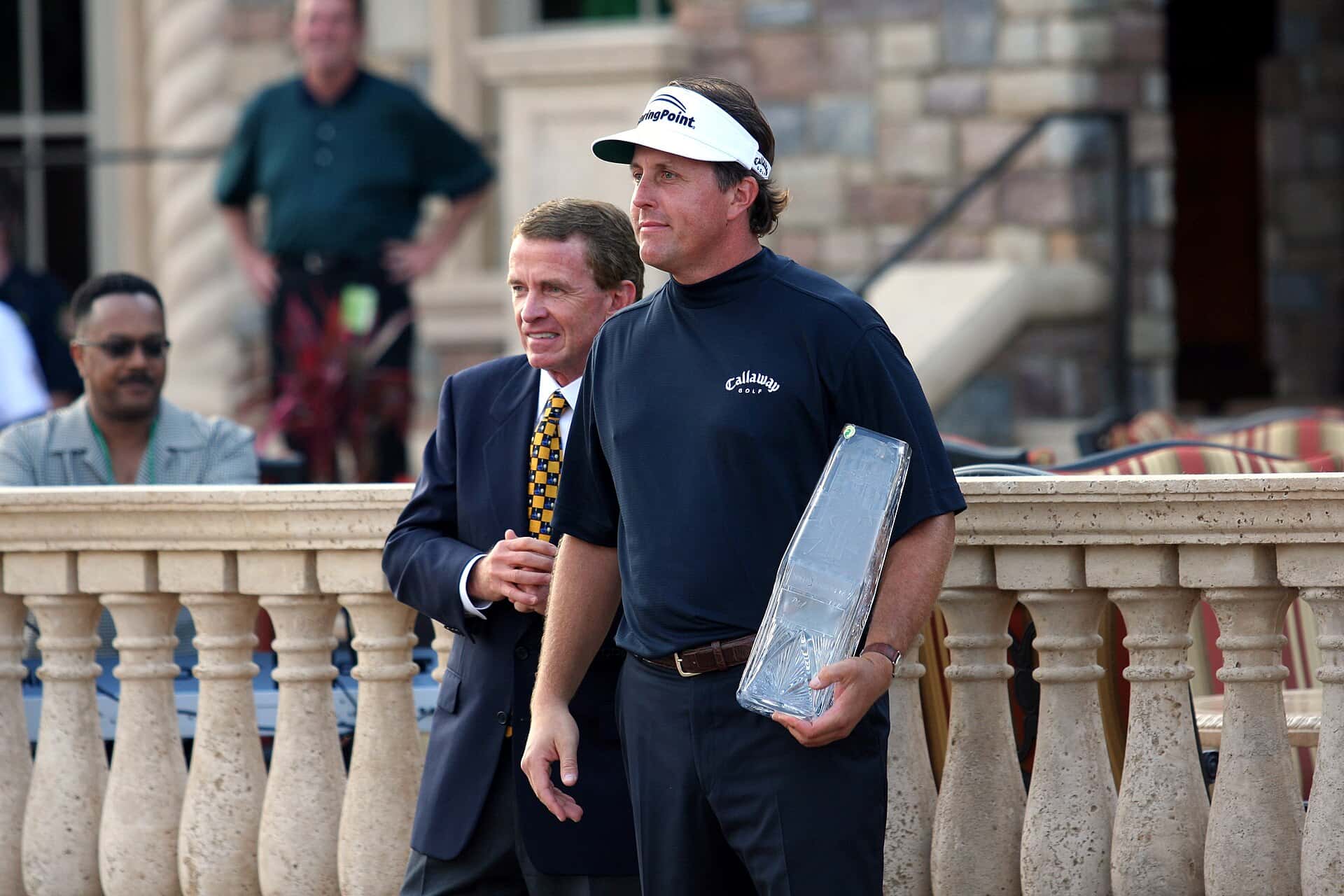
England's Aaron Rai captured the 2026 PGA Championship at Aronimink Golf Club in Newtown Square, Pennsylvania, finishing four rounds at 9-under-par 271 to claim his first major championship and become the first English winner of the event since 1919. The 31-year-old earned $3.69 million from the year's second major and added his name to a section of golf history that had remained dormant for more than a century.
The historic nature of the victory drew immediate attention. The last Englishman to win the PGA Championship was Jim Barnes, who claimed the title in 1919, a tournament played under match-play rules and at a course on the East Coast that bears little resemblance to the modern major championship setting. Rai's victory at Aronimink, an A.W. Tillinghast-designed course that has hosted multiple championships over its history, ends the longest current drought between national winners at any of the four men's major championships.
How Rai won the championship
The tournament began under cool spring conditions in suburban Philadelphia, with Aronimink's traditional Tillinghast design rewarding accurate driving and conservative course management. Rai opened with a 68 that placed him three shots back of the early leaders, then followed with a Friday 67 that moved him into a tie for second entering the weekend. The first two rounds established the pattern of patient, disciplined golf that would carry him through the remainder of the championship.
Saturday's third round was the pivotal day. Rai shot 67 in conditions that featured gusty afternoon winds, and his ability to limit mistakes through a difficult stretch on the back nine separated him from several competitors who fell out of contention. By Saturday evening, Rai held a two-shot lead heading into the final round, paired in the final group with one of the world's top-ranked players for what would become the decisive Sunday.
The final round produced the kind of disciplined performance that has become the signature of Rai's game. He played the front nine in even par, protecting his lead while several challengers made early moves at the leaderboard. A birdie on the par-five 11th extended his margin, and conservative iron play through the closing stretch limited the opportunities for any challenger to apply meaningful pressure. Rai closed with a 69 that produced the final 9-under total and a one-shot margin of victory.
The Rai approach
Rai's game has long been built around precision driving and a reliable short game, a combination that has produced consistent results without the spectacular bursts that define some of his contemporaries. The Aronimink setup played to those strengths, with the course demanding fairways found and approach shots that could hold firm greens. Rai ranked among the top five in the field in fairways hit and strokes gained off the tee, the kind of fundamentals-based performance that translates well to major championship pressure.
His short game performed at an equally high level. Rai converted a high percentage of his sand saves through the four rounds and made several pressure putts inside 10 feet during the final round that protected his position. The combination of driving accuracy, iron control, and short-game reliability produced the kind of stress-free major championship victory that has been increasingly rare on the modern PGA Tour.
The mental side of the performance also drew attention. Rai has spoken in past interviews about the work he has done with sports psychologists on managing emotional swings during competition, and the final-round performance reflected that preparation. He maintained even body language through the front nine despite the leaderboard pressure and showed no visible signs of the kind of late-round nerves that can derail major championship contenders.
The historic context
The 107-year gap between English PGA Championship winners reflects the unusual structure of the tournament's early history. The PGA Championship began as a match-play event in 1916, and the format remained match play through 1957 before transitioning to stroke play. The early winners were largely American-based professionals, and the prevalence of British and Australian winners that has characterized the Open Championship and other majors did not extend in the same way to the PGA event.
The drought has also persisted through several generations of accomplished English golfers. Players including Nick Faldo, Lee Westwood, Luke Donald, Justin Rose, and others have collected multiple major championship victories among them, including in the Masters, U.S. Open, and Open Championship, but none had claimed the PGA Championship until Rai's victory. The pattern reflects both the strength of American professional golf and the unique demands of the major's typical setup.
Rai's name now joins a relatively small group of English major championship winners in the modern era. The victory carries particular significance within English golf because it completes a checklist that several previous generations of English players had been unable to fill. The reaction from English golf media reflected that historical weight, with extensive coverage devoted to the lineage of English major champions and the long gap between PGA Championship winners.
Aronimink as the host
Aronimink Golf Club, located in the suburbs west of Philadelphia in Newtown Square, has hosted multiple major championships and elite professional events across its history. The A.W. Tillinghast design, completed in the 1920s, is considered one of the architect's strongest layouts and has been preserved and restored over the past two decades to retain the character that Tillinghast originally intended. The course's combination of tree-lined fairways, deep bunkering, and elevated greens produces a test that rewards precision over distance.
The 2026 PGA Championship marked the first time the major returned to Aronimink in nearly a century, with the previous PGA Championship at the venue dating to 1962. The PGA of America has used the venue for other significant competitions in the intervening years, including the AT&T National and several lower-level championships, and the membership has invested in the kind of course preparation that allowed the layout to host a championship of the highest level. The setup for the 2026 event reflected the work the club and the PGA of America had done together in the years leading up to the championship.
The Philadelphia area location placed the championship within driving distance of significant golf markets along the Eastern Seaboard, with substantial crowds traveling from New York, Washington, and Boston to attend the four days of competition. The crowds produced the kind of atmosphere that the championship has built across its modern history, with attendance figures across the four days ranking among the strongest the major has produced in recent editions.
The Florida connection
The Florida connection to the PGA Championship runs through both the player base and the spectator interest the tournament generates in the state. Florida is home to a substantial share of the PGA Tour roster, with players living and practicing in the Jupiter, Palm Beach Gardens, and Orlando areas year-round. Several of the players who finished in the top 20 at Aronimink make their primary residence in Florida, and the state's deep involvement in tour-level golf gives the PGA Championship a particular following in the region.
Florida's role as a development hub for golf talent also factored into the broader coverage of the event. Multiple tour academies, including those at Sea Island, the IMG Academy, and several South Florida private clubs, have produced players who appeared in the Aronimink field. The state's importance to the modern professional game extends from junior development through tour-level competition, and the PGA Championship represents one of the marquee dates on the calendar for that ecosystem.
Florida golf fans turned out in significant numbers at viewing events and watch parties for the championship. Sports bars across the state with golf programming hosted weekend viewing crowds, and several private clubs organized tournament-themed events around the championship's final round. The PGA Championship's mid-May timing places it during a period when Florida golf participation typically peaks as the spring weather settles into the warmer summer pattern.
Reaction from the golf world
The reaction across the golf world recognized both the quality of Rai's performance and the historical significance of the victory. According to comments distributed by the PGA of America and tournament organizers, fellow English tour members offered congratulations and noted the long wait for an English winner of the championship.
Rai's own comments after the round focused on the support he had received from family members and coaches throughout his career and the work that had gone into preparing for the specific challenges of major championship golf. The Englishman has spoken in past interviews about the patience required to build a major championship-caliber game, and the comments after the win continued that theme, with Rai acknowledging the importance of the steady improvement his game had shown over the past several seasons.
The broader PGA Tour reaction reflected the way Rai's victory reshaped several conversations heading into the remainder of the major championship calendar. The U.S. Open and Open Championship later in the summer represent the next two events at the highest level of the men's game, and Rai's emergence as a major champion adds his name to the contender list for those events. The Ryder Cup picture also shifted, with Rai's performance strengthening his case for a place on the European team.
The Wanamaker Trophy and its history
The Wanamaker Trophy awarded to the PGA Championship winner is one of the most distinctive prizes in golf, with the oversized silver vessel standing more than two feet tall and weighing a substantial amount. The trophy is named for Rodman Wanamaker, the Philadelphia department store heir who funded the original PGA Championship event in 1916. The Philadelphia connection added an additional layer of context to the 2026 championship being played in the suburbs of the city where the trophy's namesake built his business and fortune.
The list of past winners of the trophy includes some of the most decorated names in golf history. Walter Hagen captured the championship five times in the match play era, a record that has stood for nearly a century. Jack Nicklaus won the PGA Championship five times in the stroke play era, and Tiger Woods captured the title four times across his career. Adding Rai's name to the list places the Englishman in the company of major champions whose victories defined eras of the sport, regardless of where his future career takes him.
The trophy presentation at the conclusion of the championship traditionally takes place on the 18th green, with the winner hoisting the oversized vessel. Rai's celebration captured the emotional weight of the moment, with family members joining him on the green.
What is next
Rai's victory secures him a five-year exemption on the PGA Tour and entries into the remaining major championships of the 2026 season. The schedule moves quickly to the U.S. Open in mid-June and the Open Championship in mid-July, with both events representing opportunities for Rai to continue his strong recent form. The Ryder Cup later in the year adds another marker on the calendar for the Englishman, who will now be a near-certain selection for the European squad.
The PGA Championship purse distribution also alters Rai's broader season standing. The $3.69 million top prize moves him into contention for major-season honors and ranking-based qualification benefits that will follow him through the remainder of the calendar. The Official World Golf Ranking points from the victory significantly improve his position, with implications for his seeding and participation in events through the rest of the season.
For the Florida golf community and tour members based in the state, the PGA Championship serves as a reminder of how quickly the major championship landscape can shift. Rai's name was on the contender list but not at the very top of pretournament conversations, and his ability to play steadier than higher-profile names through the four days illustrates the unpredictability that has characterized the modern major championship era. The U.S. Open in June will be the next test for the new major champion and for the broader field that includes substantial Florida representation.
Spotted an issue with this article?
Have something to say about this story?
Write us a letterComments
No comments yet. Be the first to weigh in.
Related Coverage
Rays await Guardians or White Sox in ALCS after sweeping Yankees; Game 1 Monday at Tropicana Field
12h ago
John Carlson scores twice, Dennis Hildeby makes 34 saves as Lightning hold off Wild 3-2
13h ago
Winless Dolphins host Bengals at Hard Rock Stadium seeking first win under Jeff Hafley
1d ago
Hurricane Isaias Scrambles Florida Sports: FSU Cancels Pensacola Games, FAMU Moves to Friday
1d ago