NASA Turns to Artemis III at Kennedy After Successful Lunar Flight
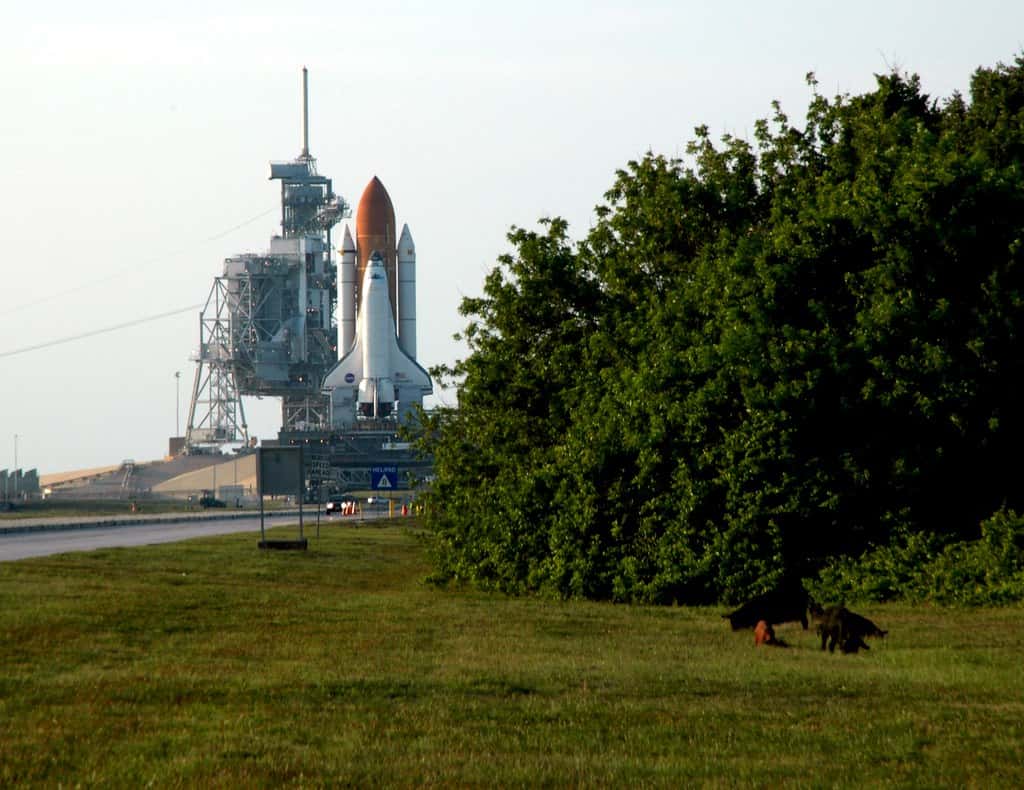
NASA has turned its attention to Artemis III at Florida's Kennedy Space Center, moving forward on the mission meant to land astronauts on the Moon after the successful Artemis II flight earlier in 2026. The pivot keeps Kennedy, on Florida's Space Coast, at the center of the nation's return to human lunar exploration, and it reinforces the state's role as the launching point for America's most ambitious spaceflight program in a generation.
Artemis II, the first crewed mission of the Artemis program, launched from Launch Complex 39B at Kennedy Space Center on April 1, 2026. It carried NASA astronauts Reid Wiseman as commander, Victor Glover as pilot, and Christina Koch, along with Canadian Space Agency astronaut Jeremy Hansen, on a flight of about 10 days around the Moon. The mission validated the systems that will be needed for a landing, and it set the stage for the work now underway in Florida.
For Brevard County and the surrounding Space Coast, the shift from a completed flight to preparations for the next one is more than a technical milestone. It is the engine of a regional economy built around human spaceflight, a workforce whose skills are tied to programs like Artemis, and a tourism draw that brings visitors from around the world to watch history unfold.
Artemis II Brings Astronauts Home
The Artemis II mission carried its four-person crew on an approximately 10-day journey that took them around the Moon and back. Wiseman, Glover, Koch, and Hansen rode the Orion spacecraft on a path that covered a vast distance, and the flight served as the crewed test that follows an uncrewed first mission in the program's step-by-step approach to returning humans to the lunar surface.
Orion splashed down off the coast of San Diego on April 10, 2026, completing a journey of about 694,481 miles. The safe return marked the successful conclusion of the first crewed Artemis flight and cleared a major hurdle for the program. A crewed mission around the Moon demonstrates that the spacecraft, its life-support systems, and the procedures for launch and recovery can carry astronauts safely through the demanding environment of deep space.
The mission began and, in a critical sense, was made possible at Kennedy Space Center in Florida, where the rocket and spacecraft were assembled and launched. Even though the crew returned to waters off California, the Florida spaceport remains the heart of the program, the place where the hardware comes together and the countdowns begin.
The Work Shifts to Artemis III
With Artemis II complete, NASA moved quickly to the next phase. On April 28, 2026, technicians moved the Space Launch System core stage inside the Vehicle Assembly Building at Kennedy in preparation for Artemis III. The core stage is the towering central element of the SLS rocket, and positioning it in the Vehicle Assembly Building is a key early step in stacking the vehicle that will carry the next mission.
Around the same time, the Artemis II crew module returned to Kennedy for post-flight analysis. Examining a spacecraft that has actually flown provides engineers with invaluable data about how the vehicle performed under real conditions, information that feeds directly into preparations for future missions. That analysis is part of the methodical process by which NASA moves from one flight to the next.
Additional Artemis III hardware has been arriving at Kennedy as well, part of the steady flow of components that must be gathered, tested, and integrated before a mission can fly. The Vehicle Assembly Building, one of the largest buildings by volume in the world, is where these pieces are brought together, and its activity is a visible sign that the program is advancing toward its next major goal.
Kennedy Space Center as the Program's Hub
Kennedy Space Center has been the hub of American human spaceflight for decades, and the Artemis program has reaffirmed that role. The center's launch pads, assembly buildings, and supporting infrastructure make it the place where the largest and most complex missions come together. For Artemis, that means Florida is where the rockets are stacked, where the spacecraft are prepared, and where the crews depart for the Moon.
The Vehicle Assembly Building sits at the core of that work. Originally built for the Apollo program and later used for the space shuttle, the structure has been adapted for the SLS rocket. Moving the Artemis III core stage inside it is a step that connects the current effort to the long history of exploration launched from the same Florida coastline.
Launch Complex 39B, from which Artemis II lifted off, is another piece of that legacy. The same pads that sent astronauts toward the Moon in an earlier era are now supporting a new generation of lunar missions. That continuity underscores why Florida remains central to the nation's spaceflight ambitions, and why the Space Coast identifies so closely with each new milestone.
The Space Coast Economy and Workforce
The Artemis program is a major driver of the economy in Brevard County and the broader Space Coast. Human spaceflight requires a large and specialized workforce, from engineers and technicians to the many support roles that keep a spaceport running. Programs like Artemis sustain those jobs, and the transition from Artemis II to Artemis III means the work continues without interruption.
The skills concentrated on the Space Coast are the product of decades of investment in human spaceflight. Assembling a rocket the size of the SLS, preparing a spacecraft for deep space, and managing the intricate choreography of a launch all demand expertise that has been built up over generations. That workforce is one of Florida's distinctive assets, and its continued employment depends in part on the steady progress of programs like Artemis.
Beyond the direct jobs at the space center, the program supports a wider network of contractors, suppliers, and local businesses. When Kennedy is busy, the surrounding communities feel the effect, from housing to services to the restaurants and hotels that cater to workers and visitors. The advance toward Artemis III thus carries economic significance that extends well beyond the gates of the space center.
Tourism and the Visitor Complex
Human spaceflight also fuels tourism on the Space Coast, drawing visitors eager to witness the program firsthand. The Kennedy Space Center Visitor Complex is a major attraction, offering the public a window into the history and ongoing work of American space exploration. Missions like Artemis II and the preparations for Artemis III give visitors a reason to come, and they keep Florida's association with space exploration vivid in the public imagination.
Launches themselves are powerful draws. When a mission lifts off from Kennedy, crowds gather along the coast to watch, filling hotels and generating activity across the region. A crewed lunar mission carries a special resonance, evoking the era of Apollo while pointing toward a new chapter, and the anticipation surrounding Artemis contributes to the appeal of visiting the area.
For Florida, this tourism dimension is a lasting benefit of hosting the program. The Space Coast has long marketed itself around its role in exploration, and each mission reinforces that identity. The Visitor Complex and the surrounding attractions turn the technical work of spaceflight into an experience the public can share, linking the state's economy to the wonder the program inspires.
A Step-by-Step Path Back to the Moon
The Artemis program is built around a deliberate sequence, with each mission designed to prove the systems and procedures needed for the next. Artemis II, the first crewed flight, followed an earlier uncrewed mission, and it carried its crew around the Moon without landing. Artemis III is intended to take the further step of putting astronauts on the lunar surface. That progression, from uncrewed test to crewed flyby to landing, reflects the caution required for missions that carry people into deep space.
Each phase generates lessons that feed the one after it. The post-flight analysis of the Artemis II crew module at Kennedy is a concrete example, giving engineers direct evidence of how the spacecraft performed so that any adjustments can be made before the next flight. The core stage now in the Vehicle Assembly Building and the additional Artemis III hardware arriving at Kennedy will be integrated with the same attention to detail that has characterized the program from the start.
For Florida, this measured approach means sustained activity at Kennedy over an extended period. Assembling and testing the hardware for a lunar landing is not a single event but a long campaign of work, and that work anchors the Space Coast to the program for years. The methodical pace, while demanding patience, keeps the state at the center of the effort through each successive milestone.
What Comes Next for Artemis III
The road ahead for Artemis III runs through Kennedy Space Center, where assembly and testing will continue as hardware arrives and comes together. Artemis III is planned as the crewed lunar landing mission, the flight intended to put astronauts back on the surface of the Moon. The precise timing of that mission remains a matter for NASA to determine as the work progresses, and the program's step-by-step approach prioritizes readiness over a fixed calendar.
The core stage now inside the Vehicle Assembly Building, the crew module undergoing post-flight analysis, and the additional hardware arriving at Kennedy are all pieces of that larger effort. Each step brings the program closer to the point where a vehicle capable of a lunar landing can be stacked, tested, and ultimately launched from Florida soil. The methodical pace reflects the difficulty and importance of the goal.
For Florida, the continued advance of Artemis means the Space Coast remains at the forefront of American spaceflight. The workforce, the economy, and the tourism that depend on the program all benefit from its momentum, and the state's long identification with exploration endures. As NASA moves from a successful lunar flight toward the next great step, Kennedy Space Center stands once again as the place where the journey to the Moon begins.
Spotted an issue with this article?
Have something to say about this story?
Write us a letterComments
No comments yet. Be the first to weigh in.
Related Coverage

Isaias Shuts Pensacola and Okaloosa Airports as Airlines Waive Fees and Tolls Lift on Panhandle Bridges
3h ago

Ex-CIA official pleads guilty in $194 million fraud, will forfeit $102 million in Palm Beach and Hobe Sound real estate
4h ago

11th Circuit voids septic permit ban in Indian River Lagoon manatee case after federal 'harm' rule rollback
4h ago

Trump ties disaster aid to midterm campaign as Hurricane Isaias nears Florida Panhandle
23h ago