Cape Canaveral's Relentless Launch Cadence Keeps Florida's Space Coast at the Center of the Orbital Economy
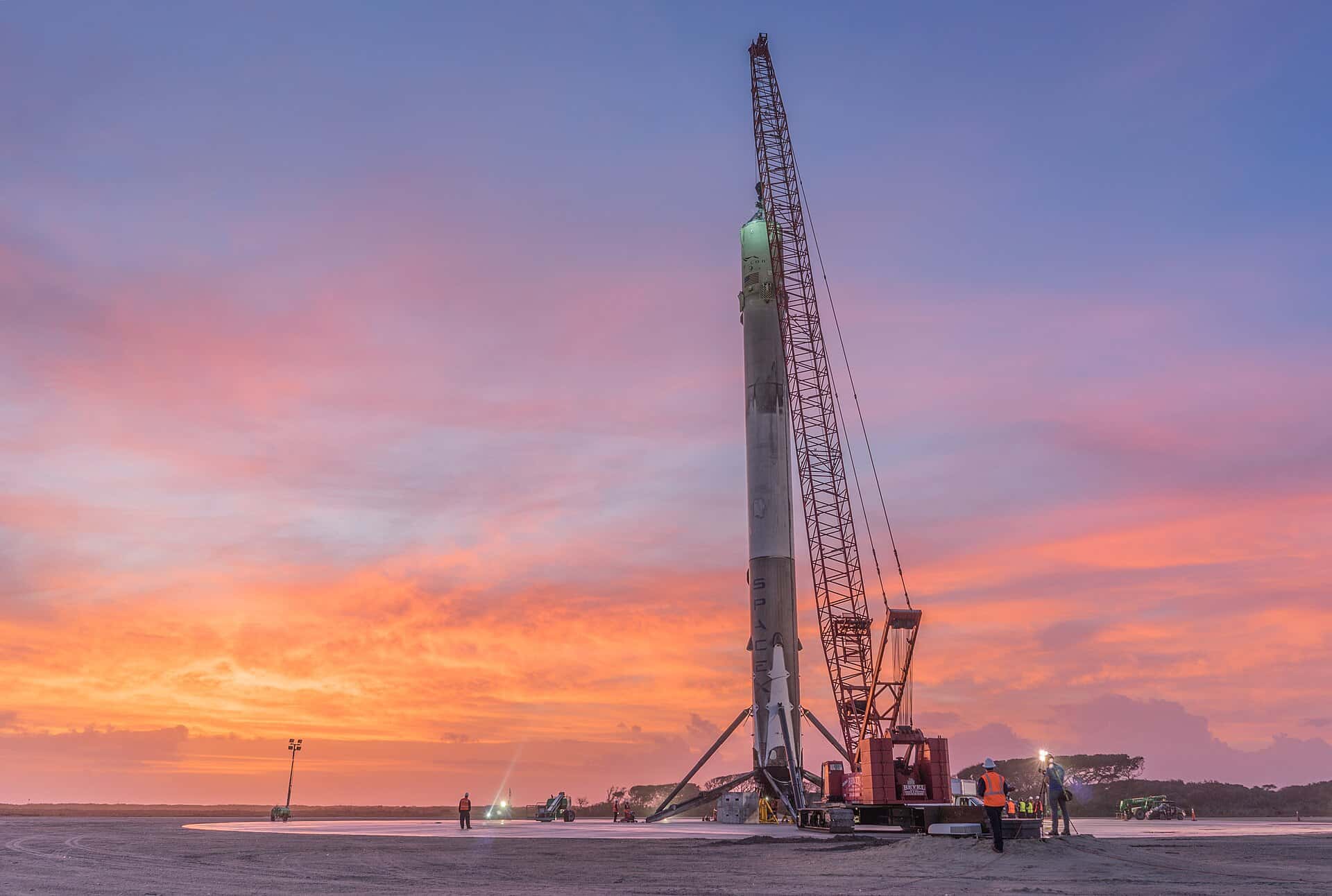
Florida's Space Coast continues to fire rockets skyward at a pace that would have seemed unthinkable a decade ago, with SpaceX preparing another Falcon 9 launch from Cape Canaveral Space Force Station to deliver a fresh batch of Starlink satellites to low Earth orbit. The mission is one more entry in a launch manifest so dense that liftoffs from the Florida coast have become routine, even as each one contributes to a booming orbital economy centered in Brevard County.
The cadence is staggering by historical standards. Boosters that once would have been discarded after a single flight are now flying again and again, with one Falcon 9 first stage recently completing a record-setting mission in the mid-30s for number of flights, a testament to the reusability that has reshaped the economics of spaceflight. That reusability is a core reason launches from Florida have multiplied.
For Florida, the relentless schedule is far more than a spectacle for beachgoers craning their necks toward the sky. It represents an industry that has become a significant driver of the state's economy, supporting thousands of jobs and cementing the Space Coast's status as the busiest launch site on the planet.
A launch site running at full throttle
Cape Canaveral Space Force Station and the neighboring Kennedy Space Center host a near-constant stream of missions, from Starlink deployments to national security payloads and, increasingly, crewed flights. The infrastructure that supports this activity has been built up over decades, and it is now being used more intensively than at any point in its history.
Starlink missions form the backbone of the current tempo, with SpaceX regularly launching batches of the internet satellites to build and replenish its constellation. Each launch adds to a network that has grown into a major commercial enterprise, and the frequency of these flights is a primary reason Florida's launch numbers have surged.
The reuse of boosters and the rapid turnaround between missions have enabled a schedule that once would have required a far larger fleet of expendable rockets. Landing first stages on droneships and refurbishing them for future flights has compressed timelines and costs, making the high cadence possible from Florida's coast.
The economic engine on the coast
The launch boom has translated into real economic activity for the Space Coast and the broader state. The industry supports engineering, manufacturing, operations and support jobs, and it has attracted investment and talent to a region that has reinvented itself around commercial spaceflight after the end of the space shuttle era.
Brevard County has experienced growth tied to the sector, with companies establishing and expanding operations to serve the launch industry and its supply chain. That activity ripples outward into housing, services and local businesses, giving the region an economic identity anchored in space.
The state has actively courted the industry, viewing aerospace as a strategic sector and supporting infrastructure and workforce development to keep Florida competitive. The payoff is visible in the density of the launch schedule and in the cluster of companies that call the Space Coast home.
Beyond Starlink
While Starlink missions dominate the manifest, the Cape hosts a diverse array of launches that underscore its national importance. National security payloads, science missions and commercial satellites all fly from Florida, making the coast a hub for a wide range of space activity beyond any single program.
Crewed spaceflight has also returned to Florida in force, with astronauts once again launching from the state to reach the International Space Station and beyond. The resumption of human spaceflight from American soil, staged from Florida, restored a capability the nation had ceded for years after the shuttle's retirement.
Other operators and vehicles factor into the region's future as well, with additional rockets and providers working toward launches from the Space Coast. That diversification promises to deepen the region's role as competition and demand in the launch market continue to grow.
Why it matters for Florida
The concentration of launch activity in Florida gives the state an outsized role in the national space enterprise, both civil and commercial. As the country pursues ambitions in low Earth orbit and deeper space, Florida's spaceport infrastructure is a critical national asset, and the state benefits from being at the heart of that effort.
The economic stakes are substantial. A thriving launch industry supports high-skill jobs and positions Florida to capture more of the growing global space economy. The state's leaders have treated aerospace as a pillar of economic development, and the current launch pace validates that focus.
There are quality-of-life dimensions too. Frequent launches have become part of the rhythm of life along the coast, visible from beaches and backyards, while also requiring coordination around airspace, road closures and occasional sonic booms from returning boosters. The community has adapted to living alongside a working spaceport operating at full throttle.
Challenges of a busy spaceport
Operating at such a high cadence is not without challenges. Range scheduling, weather delays and the sheer logistics of preparing and launching rockets in rapid succession require careful management, and the frequency of operations places demands on the workforce and infrastructure that support them.
Environmental and community considerations accompany the growth, from managing the impact of launches on surrounding areas to balancing the needs of an expanding industry with those of residents and wildlife. The Cape sits near sensitive natural areas, adding a layer of stewardship to the region's space ambitions.
Maintaining the pace also depends on sustained demand and continued technological reliability. The economics that enable frequent launches rest on reusability and market appetite, and shifts in either could alter the trajectory of activity on the coast, though current trends point toward continued growth.
A region reinvented
The Space Coast's current prosperity marks a striking reinvention from the uncertainty that followed the end of the space shuttle program. When the shuttles retired, the region faced job losses and questions about its future, as the workforce that had supported human spaceflight from Florida confronted a period of transition and doubt.
The rise of commercial spaceflight reversed that trajectory, bringing new companies, new jobs and a new sense of purpose to the area. Private operators established and expanded operations, drawing engineers, technicians and support workers and revitalizing an economy that had been closely tied to the fortunes of the national space program.
That reinvention has diversified the region's space economy beyond a single program or agency, spreading activity across multiple companies and mission types. The result is a more resilient industry base, less vulnerable to the cancellation or completion of any one program than the region was in the shuttle era.
The national significance of Florida's spaceport
Florida's launch infrastructure is not merely a state asset but a national one, central to the country's civil, commercial and national security space activities. As the United States pursues ambitions in low Earth orbit and beyond, the ability to launch reliably and frequently from Florida is a strategic capability of considerable importance.
The concentration of launch activity on the Space Coast gives Florida a central role in supporting missions that range from communications and Earth observation to national defense and human exploration. That breadth underscores why the state and federal government alike have invested in maintaining and expanding the spaceport's capacity.
As competition in the global launch market intensifies, Florida's established infrastructure and experienced workforce provide advantages that are difficult to replicate. The state's position at the heart of the nation's space enterprise is a source of both economic benefit and strategic significance that its leaders have worked to protect and grow.
The workforce behind the launches
The launch boom rests on a skilled workforce of engineers, technicians and support personnel who prepare, test and fly the rockets that lift off from the coast. That workforce has grown alongside the industry, drawing talent to Brevard County and supporting the kind of high-skill employment that state leaders have sought to cultivate.
Building and retaining that talent pipeline is essential to sustaining the region's role, and educational institutions and training programs have adapted to feed it. Aerospace-focused programs and partnerships prepare workers for careers in the sector, linking the region's schools to the demands of the launch industry.
The presence of a robust space workforce also attracts related businesses and investment, reinforcing the cluster of activity on the coast. That concentration of expertise and infrastructure is difficult to replicate, giving Florida a durable advantage as the commercial space sector continues to expand.
Living alongside a spaceport
For residents of the Space Coast, frequent launches have become a familiar part of daily life, visible from beaches, backyards and roadways. The spectacle draws crowds for high-profile missions and has become a point of local pride, tying the community's identity to the rockets that rise from the coast.
The high cadence also requires coordination with the surrounding community, from managing airspace and occasional road closures to the sonic booms produced by returning boosters. Residents have adapted to those rhythms, accepting them as part of living near the world's busiest launch site.
Balancing the demands of an expanding industry with the needs of residents and the surrounding environment is an ongoing consideration. The Cape sits near sensitive natural areas, and stewardship of those resources accompanies the region's space ambitions as launch activity continues to grow.
What is next
The launch schedule shows no sign of slowing, with additional Starlink missions and a variety of other flights planned from the Cape in the weeks and months ahead. Each mission adds to a manifest that has made Florida the world's premier launch destination.
Looking further out, new vehicles, providers and missions promise to expand the region's role, from continued crewed flights to ambitious exploration efforts staged from Florida. The Space Coast is positioned to remain central to the nation's activities in orbit and beyond.
For Florida, the takeaway is that the space industry has become a durable and growing part of the state's economy and identity. As rockets continue to rise from Cape Canaveral at a record pace, the Space Coast stands as a symbol of both the nation's spacefaring ambitions and Florida's stake in the orbital economy.
Spotted an issue with this article?
Have something to say about this story?
Write us a letterComments
No comments yet. Be the first to weigh in.
Related Coverage

Isaias Shuts Pensacola and Okaloosa Airports as Airlines Waive Fees and Tolls Lift on Panhandle Bridges
7h ago

Ex-CIA official pleads guilty in $194 million fraud, will forfeit $102 million in Palm Beach and Hobe Sound real estate
8h ago
11th Circuit voids septic permit ban in Indian River Lagoon manatee case after federal 'harm' rule rollback
8h ago

Trump ties disaster aid to midterm campaign as Hurricane Isaias nears Florida Panhandle
1d ago