Ax-4 Crew Targets June 25 Launch From Kennedy Space Center
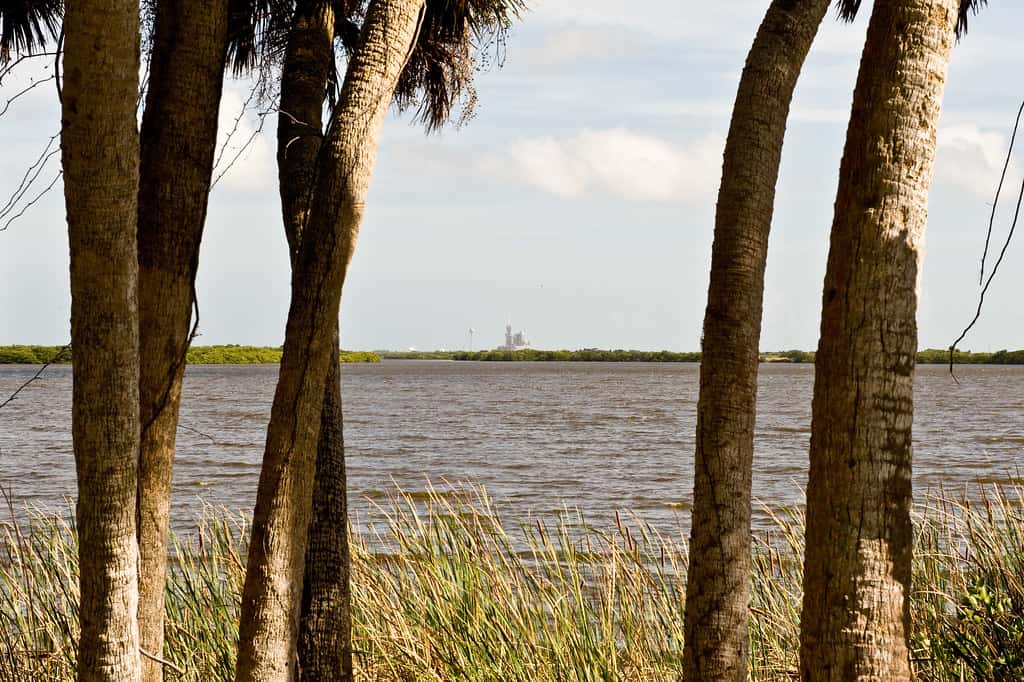
Florida's Space Coast is preparing for one of its marquee moments of the summer as NASA, Axiom Space and SpaceX target 2:31 a.m. EDT on Wednesday, June 25, 2026 for the launch of Axiom Mission 4, the fourth private astronaut mission to the International Space Station. The flight will lift off from Launch Complex 39A at Kennedy Space Center, with a four-person crew riding a new SpaceX Dragon spacecraft atop a Falcon 9 rocket. Docking with the station is targeted for around 7 a.m. on Thursday, June 26. For Florida, the mission is more than a spectacle: it is a fresh demonstration of the state's role as the nation's launch hub, an engine of jobs in Brevard County, a draw for tourists who crowd the coastline to watch rockets rise, and a pillar of the launch economy that has reshaped the region. What comes next is a predawn liftoff that, if it holds to schedule, will send astronauts from four nations toward orbit in a flight rich with historic firsts.
A Crew of Firsts
The Ax-4 crew brings together astronauts from four countries. Commander Peggy Whitson of the United States, one of the most experienced astronauts in the world, leads the mission. Pilot Shubhanshu Shukla of India sits alongside her, with Mission Specialist Slawosz Uznanski-Wisniewski of Poland and Mission Specialist Tibor Kapu of Hungary rounding out the crew.
The flight marks the first time astronauts from India, Poland and Hungary fly together to the International Space Station. For each of those three nations, the mission represents a return to human spaceflight after a gap of more than four decades, a milestone that has drawn attention well beyond the United States and added national significance to a launch staged on Florida's coast.
That international dimension underscores how the Space Coast has become a gateway not only for American astronauts but for partners around the globe. When the Falcon 9 clears the tower at Launch Complex 39A, it will carry the hopes of four countries, all departing from a single stretch of Florida shoreline that has long served as the doorway to orbit.
For the partner nations, the symbolism extends well beyond the flight itself. A return to human spaceflight after a long absence can galvanize interest in science and engineering among young people at home, seed new partnerships with American institutions, and signal a nation's intent to take part in the next era of orbital activity. That those ambitions converge on Florida, rather than on launch sites elsewhere, speaks to the pull the state's facilities now exert. The coast has become a stage on which other countries write new chapters of their own space stories, and each such mission strengthens the web of relationships that ties Florida's launch industry to governments and research communities far beyond American shores.
Whitson's role as commander brings deep experience to the flight. As one of the most seasoned astronauts in the world, she anchors a crew whose other members represent nations stepping back into human spaceflight after long absences. The pairing of veteran leadership with first-in-decades national participation gives the mission both continuity and novelty, a blend that has helped draw attention to the launch from Florida's coast.
New Spacecraft, Familiar Pad
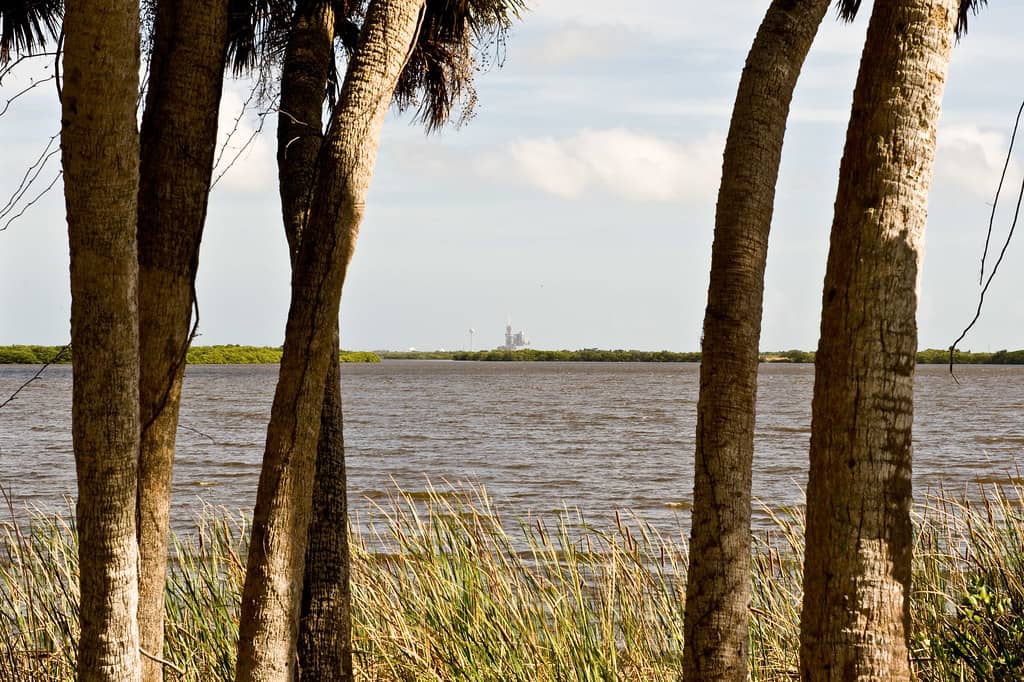
The mission will fly aboard a new SpaceX Dragon spacecraft, adding a fresh capsule to the company's fleet of crew vehicles. The Dragon will ride a Falcon 9 rocket from Launch Complex 39A, the historic pad at Kennedy Space Center that has hosted some of the most significant launches in the history of American spaceflight.
A targeted liftoff at 2:31 a.m. EDT places the launch in the predawn darkness, a time that can produce dramatic visuals as the rocket's plume lights the night sky above the coast. Docking with the station is planned for around 7 a.m. the following day, June 26, following the roughly day-long journey that crewed Dragon missions typically follow to reach the orbiting laboratory.
Precise launch times for missions of this kind remain subject to weather, technical reviews and the orbital mechanics of catching up to the station. But the targeted window gives Space Coast communities, tourists and space enthusiasts a date to circle as the region's launch cadence continues through a busy June.
A Busy June on the Space Coast
Ax-4 caps a stretch of intense activity along Florida's Space Coast. On June 17, a Falcon 9 launched three Block 2 BlueBird satellites for AST SpaceMobile, part of an effort to build out space-based connectivity. Earlier in the month, another Falcon 9 carried a batch of Starlink satellites to orbit, one of the routine missions that have made the region a near-constant site of launches.
That tempo illustrates how the Space Coast has evolved from the occasional headline launches of earlier eras into a high-frequency operation. Commercial satellite deployments, crewed missions and resupply flights now share a launch calendar that keeps the region's pads, ground crews and support infrastructure in steady use.
For residents of Brevard County, the frequent launches have become part of daily life, with the rumble of rockets a familiar sound. For the broader Florida economy, each launch represents work for the engineers, technicians and support staff who keep the operation running, a workforce that has grown alongside the rising cadence of flights.
The variety of missions also speaks to the maturity of the launch site. A single stretch of June saw a commercial connectivity deployment, a Starlink flight and preparations for a crewed mission to the International Space Station. That range of activity, spanning private satellites and human spaceflight, reflects how the Space Coast now serves many segments of the industry from the same facilities and the same workforce.
Jobs and the Launch Economy
The Space Coast's activity translates directly into jobs across Brevard County. The work of preparing rockets and spacecraft, staffing launch operations, and maintaining the sprawling infrastructure at Kennedy Space Center and nearby Cape Canaveral supports a workforce that spans engineering, skilled trades and logistics.
Each mission ripples outward through the local economy. Suppliers, contractors and service businesses tied to the launch industry benefit from the steady flow of work, while the growing cadence of flights has helped anchor a regional economy increasingly built around space. The presence of major players like SpaceX and Axiom Space has reinforced Florida's position at the center of that activity.
The launch economy also shapes the region's identity and its prospects. As commercial spaceflight expands, the Space Coast stands to capture a growing share of the work, a dynamic that local leaders have sought to encourage. Missions like Ax-4, blending NASA partnership with private operators, exemplify the model that has fueled the region's growth.
Tourism Draws to the Coast
Launches are also a powerful draw for tourists. When a high-profile mission like Ax-4 approaches, visitors crowd the beaches, causeways and viewing areas along the Space Coast to watch rockets climb into the sky. A predawn launch can offer a particularly striking spectacle, with the bright plume cutting through the darkness over the Atlantic.
That tourism brings spending to hotels, restaurants and attractions across the region, adding another economic dimension to each launch. The Kennedy Space Center Visitor Complex and surrounding communities have built much of their appeal around the area's spaceflight heritage and its continuing role as an active launch site.
The international character of the Ax-4 crew may broaden that appeal further, drawing interest from the home countries of the astronauts aboard. For a region whose economy leans heavily on both space and tourism, a marquee mission delivers on two fronts at once, pairing the work of launching with the spectacle that brings visitors to the coast.
The timing of the liftoff adds to the draw. A predawn launch may require visitors to gather in the early morning hours, but it can reward them with a vivid display as the rocket's exhaust illuminates the sky over the water. Such moments help cement the region's reputation as a destination where the public can witness spaceflight up close, reinforcing the link between launches and the tourism economy they support.
Florida as the Nation's Launch Hub
Ax-4 reinforces Florida's standing as the nation's launch hub. The combination of Kennedy Space Center's historic facilities, the active pads at Cape Canaveral, and the concentration of commercial space companies has made the state the focal point of American spaceflight, both crewed and uncrewed.
That position did not emerge by accident. Decades of investment in launch infrastructure, a favorable coastal location for sending rockets eastward over the ocean, and a skilled workforce have combined to keep Florida at the center of the industry even as the nature of spaceflight has shifted toward commercial operators. The state's pads now serve a roster of missions that would have been hard to imagine in earlier eras.
Missions blending NASA, Axiom Space and SpaceX show how that hub now operates. Government agencies, private companies and international partners converge on Florida's coast to reach orbit, a convergence that keeps the state indispensable to the broader effort. Each successful launch from Launch Complex 39A adds to that record.
What Stakeholders Should Watch
For the residents and workers of Brevard County, a marquee mission like Ax-4 is a reminder of how closely their livelihoods are bound to the rhythm of the launch calendar. A steady cadence of flights sustains demand for the engineers, technicians and tradespeople who prepare rockets and spacecraft, while a slowdown would be felt quickly across the local economy. Workers in the region therefore have reason to watch not only individual launches but the broader pipeline of missions that keeps the pads in use, since the health of that pipeline shapes the stability of the jobs built around it.
Local officials and businesses face a related set of considerations. Each high-profile launch brings an influx of visitors that strains roads, parking and viewing areas even as it fills hotels and restaurants, leaving communities to balance the benefits of the spectacle against the logistics of hosting large crowds in the predawn hours. For the businesses that serve travelers, the international character of the Ax-4 crew offers a chance to reach new audiences, while the broader challenge is to convert one-time visitors drawn by a single launch into repeat tourism that endures between missions.
Families and space enthusiasts across Florida, meanwhile, have their own stake in the mission's success. For many, watching a launch is a shared experience that connects them to the state's heritage and to the wider human effort to reach orbit. The presence of astronauts from four nations adds a dimension of international interest that can deepen that connection, turning a single liftoff into a moment that resonates well beyond the coast where it takes place.
What's Next
The immediate focus turns to the targeted 2:31 a.m. EDT liftoff on June 25, weather and technical reviews permitting. If the launch proceeds on schedule, the new Dragon is set to dock with the International Space Station around 7 a.m. on June 26, beginning the crew's stay aboard the orbiting laboratory.
Beyond the launch itself, the mission continues a busy season on the Space Coast that has already included satellite deployments and Starlink flights. The region's high launch cadence shows no sign of slowing, sustaining the jobs, tourism and economic activity that have made Brevard County and the wider state central to American spaceflight.
For Florida, Ax-4 offers another moment in the spotlight and another reminder of the state's outsized role in reaching orbit. As four astronauts from four nations prepare to depart from Kennedy Space Center, the coast that has launched generations of missions stands ready to do so again, anchoring the nation's path to space.
Spotted an issue with this article?
Have something to say about this story?
Write a letter to the editor