Caribbean Cruise Capacity Climbs and Florida's Ports Absorb the Growth
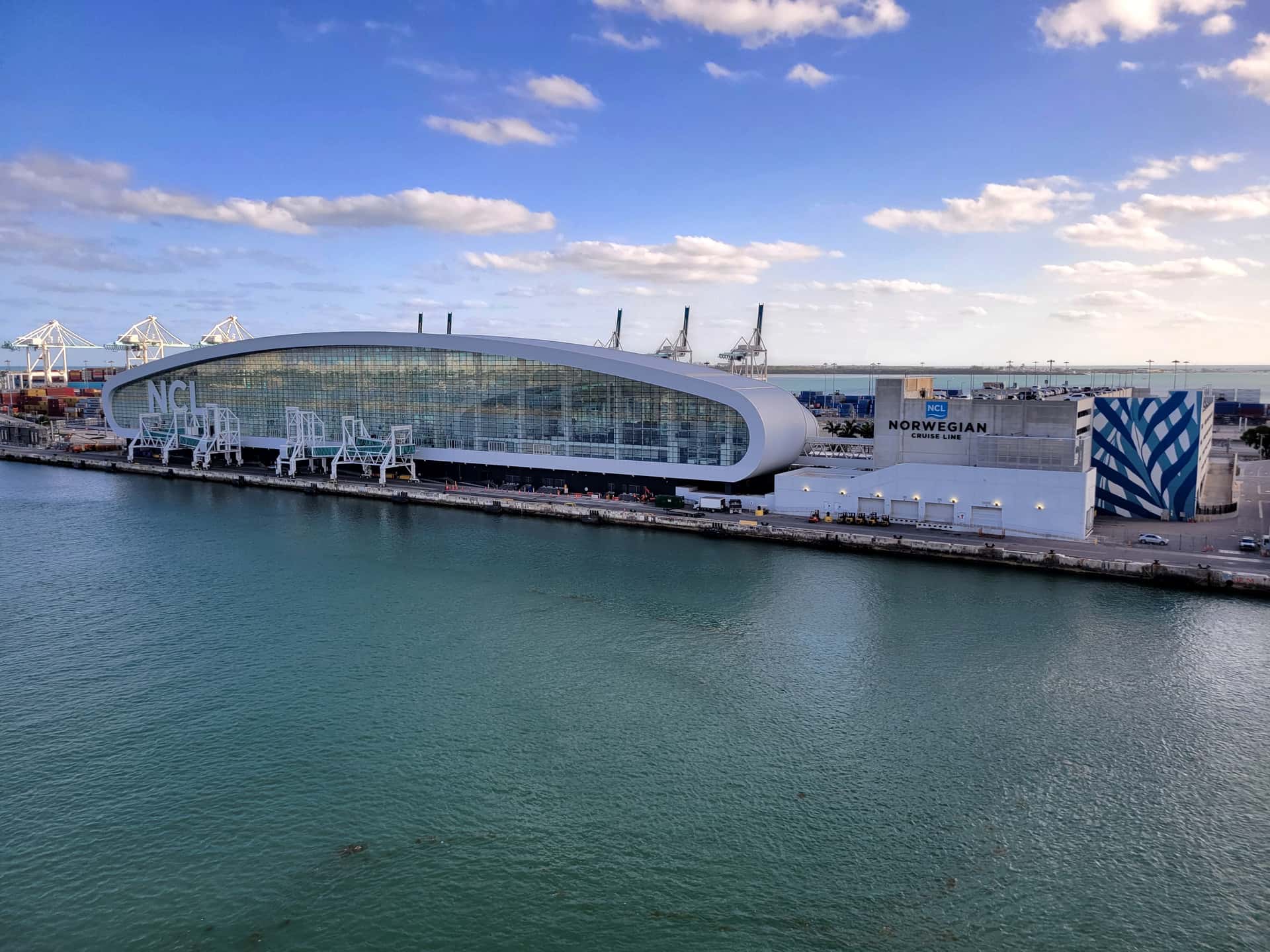
Caribbean cruise capacity is up more than 10 percent for 2026, driven by large new ships entering service across the major brands. Florida is where most of that growth lands, because the state's ports handle the overwhelming majority of Caribbean cruise departures and because the largest operators are headquartered in South Florida.
The four largest brands, Royal Caribbean, Carnival, MSC and Norwegian, account for roughly 75 percent of Caribbean capacity, and each has been adding vessels. Royal Caribbean opened bookings for newly announced Navigator of the Seas and Ovation of the Seas itineraries on August 18, with Voyager of the Seas sailings opening the following week.
Carnival passed a milestone earlier this year, becoming the first cruise company to serve 100 million passengers, a distinction marked aboard Carnival Sunrise at PortMiami in March. The company is running adults only sailings in 2026 from Miami and Port Canaveral among other homeports.
Why Florida is the center of the industry
Geography is the foundation. Florida's ports sit within convenient sailing distance of the Caribbean, which allows seven night itineraries that fit a standard vacation week. That constraint has shaped the entire industry's itinerary design for decades.
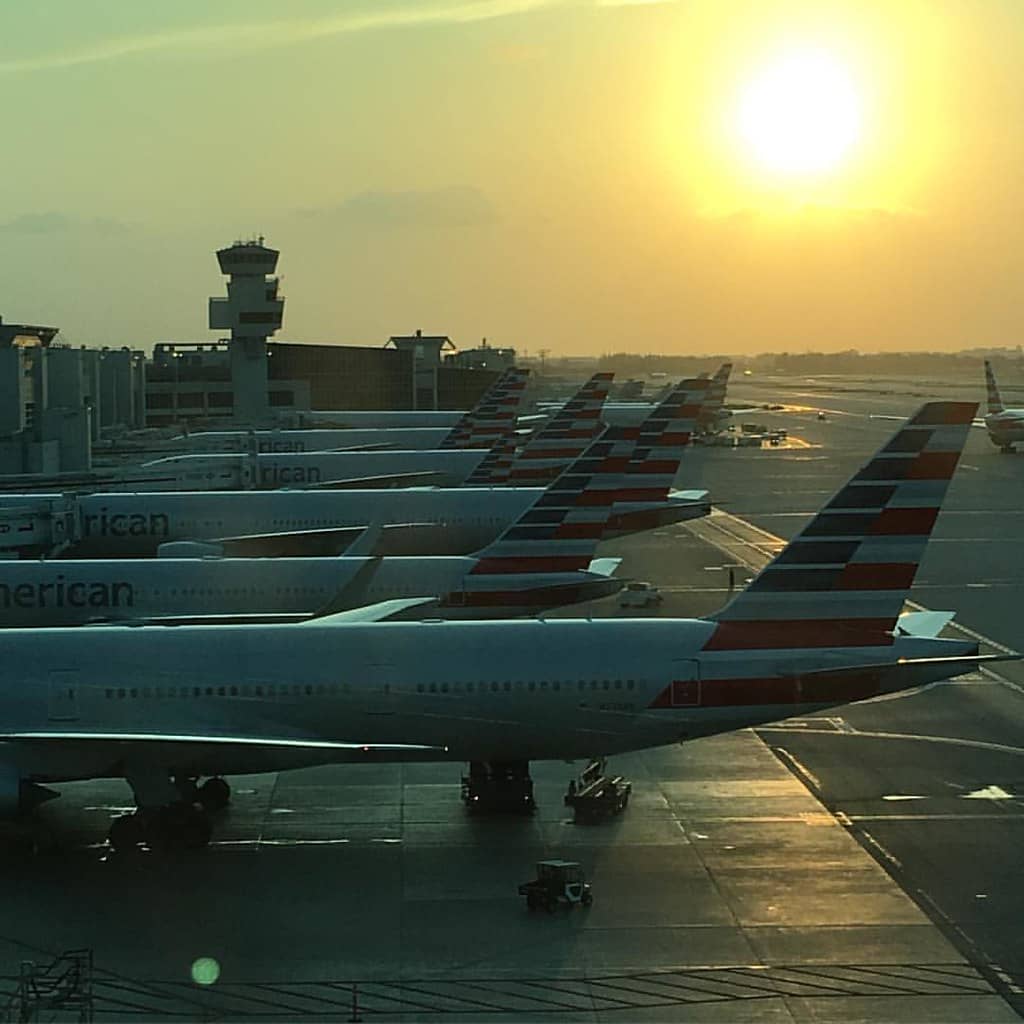
Air access reinforces it. Miami International Airport, Fort Lauderdale-Hollywood International and Orlando International move enormous passenger volumes and connect to nearly every major North American market, which is essential for an industry where most passengers fly to their embarkation port.
Corporate presence is the third factor. Carnival Corporation and Royal Caribbean Group are headquartered in South Florida, and Norwegian Cruise Line Holdings maintains a substantial Miami presence. The concentration of headquarters functions, along with the marine operations, sales, revenue management and technology roles that accompany them, is a significant white collar employment cluster.
PortMiami, Port Everglades in Broward County, Port Canaveral in Brevard County and Port Tampa Bay together handle a share of global cruise passenger movement that no other region approaches.
The economics for Florida
Cruise activity generates revenue for Florida through several distinct channels, and the direct port revenue is only part of it.
Ports collect fees per passenger and per vessel, along with parking revenue and terminal charges. Those revenues fund port operations and capital improvements, and in some cases contribute to county general funds.
Provisioning is a larger economic channel than most people assume. A large cruise ship loads food, beverages, fuel and supplies at its homeport on every turnaround, and the supply chain serving that demand employs substantial numbers of people across warehousing, trucking and food distribution in South Florida and Central Florida.
Pre and post cruise tourism is the third channel. Passengers who fly in the day before sailing occupy hotel rooms, eat in restaurants and rent cars. Multi day pre cruise stays are common, particularly for passengers combining a cruise with an Orlando theme park visit, and that pattern makes Port Canaveral's economics distinctive.
Ship maintenance and repair work is a fourth channel, with dry dock and refit activity supporting marine trades employment.
The capacity question
A 10 percent increase in Caribbean capacity in a single year is substantial, and it raises the question of whether demand will absorb it. New ships entering service do not replace existing ships one for one; the fleet grows, and the industry must fill more berths.
The operators' answer has been to expand the destination side of the equation as well as the fleet. Private destinations owned or leased by the cruise lines have become central to Caribbean itineraries, giving operators control over the shore experience and capturing onboard style spending ashore.
Those destinations also address a constraint on the Caribbean side. Popular ports have limited berth capacity and limited capacity to absorb passenger volume, and growing fleet size without growing destination capacity produces congestion that degrades the product.
Not every private destination is operating. Royal Caribbean has extended its suspension of calls to Labadee, its private destination in Haiti, through June 2027, a decision reflecting security conditions in that country. Itinerary changes of that kind require redeploying capacity to other destinations.
What it means for Floridians
For Florida residents, proximity to the industry's hub produces practical advantages. Residents can drive to their embarkation port, avoiding the airfare that represents a substantial share of the total cost for passengers traveling from elsewhere. Cruise lines run resident specific promotional pricing for Florida residents on many sailings.
Employment is the more significant connection. The industry employs Floridians in port operations, terminal services, ground transportation, provisioning, corporate headquarters functions and marine trades, and those jobs span a wide range of skill levels and compensation.
The industry's concentration is also a concentration of risk. The pandemic demonstrated how completely cruise activity can stop, and the effect on South Florida employment and port revenue during that period was severe. A regional economy heavily exposed to one industry carries that vulnerability.
Environmental effects are a persistent local concern. Air quality near terminals, wastewater discharge and the impact of dredging projects undertaken to accommodate larger ships have all been subjects of debate in port communities.
Local impact across the state
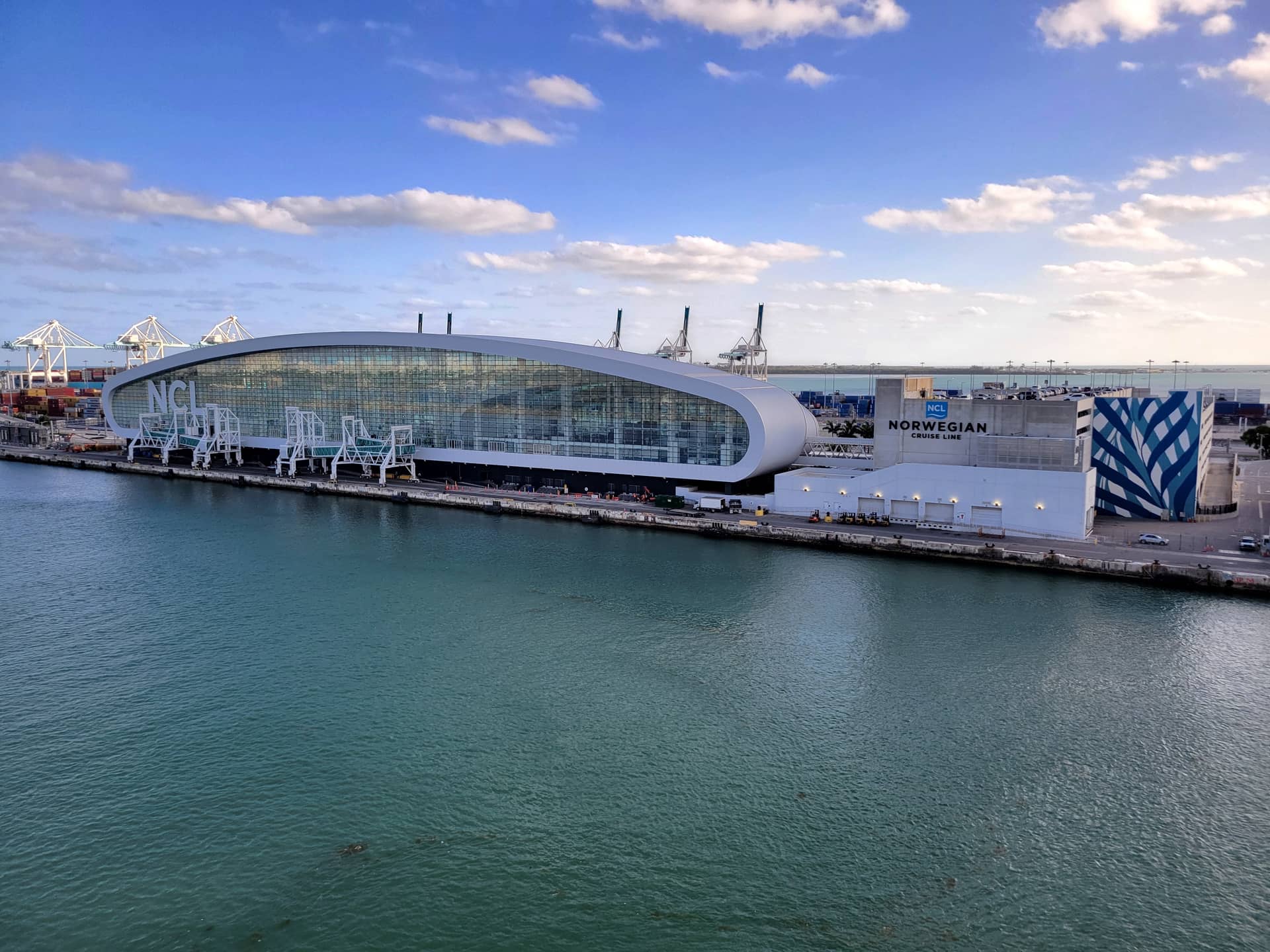
PortMiami is the largest cruise port in the world by passenger volume and has invested heavily in terminal capacity for the newest and largest vessels. The port sits adjacent to downtown Miami, which concentrates both the economic benefit and the traffic and air quality effects.
Port Everglades in Fort Lauderdale is among the busiest cruise ports globally and benefits from immediate proximity to Fort Lauderdale-Hollywood International Airport, one of the shortest airport to terminal transfers in the industry.
Port Canaveral on the Space Coast has grown rapidly, driven by the Orlando theme park market. Passengers combining a park visit with a cruise create a distinctive demand pattern that supports Brevard County's tourism economy.
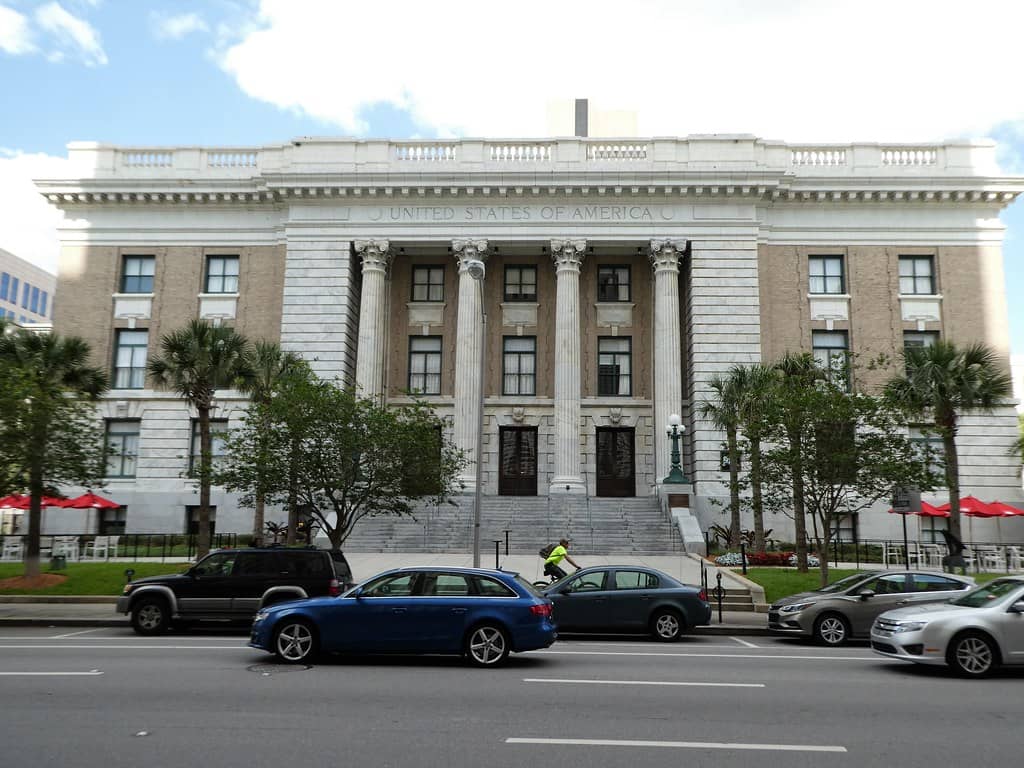
Port Tampa Bay operates under a physical constraint that the others do not. The Sunshine Skyway Bridge limits the air draft of vessels that can reach the port, which caps the size of ships Tampa can homeport and shapes the itineraries offered there.
Regulation and oversight
Cruise ships operating from United States ports are subject to oversight from multiple federal agencies. The Coast Guard inspects vessels for safety compliance and enforces international maritime conventions. Customs and Border Protection processes passengers on embarkation and debarkation.
The Centers for Disease Control and Prevention operates the Vessel Sanitation Program, which inspects ships for sanitation and investigates outbreaks of gastrointestinal illness. Inspection scores are published, and the program is the principal public health oversight mechanism for the industry.
Most cruise ships are registered under foreign flags, which places aspects of their labor and tax treatment outside United States jurisdiction. That structure has been a recurring subject of congressional attention without producing significant change.
Infrastructure investment at Florida ports
Accommodating larger vessels requires continuous port investment. Terminals must be sized for passenger throughput, berths must be deep enough and long enough, and landside infrastructure including parking, roadways and customs facilities must handle turnaround day volumes.
Florida ports have committed substantial capital to that work. Terminal construction at PortMiami and Port Everglades has been sized for the largest ships in service, and Port Canaveral has expanded to accommodate its growth.
Those investments are financed through port revenues, bonds and in some cases agreements with cruise lines that commit a line to a berth for a term of years in exchange for the port building to its specifications. The arrangements tie a port's finances to the continued health of the industry.
Labor and the onboard workforce
A large cruise ship carries a crew numbering in the thousands, drawn from dozens of countries and working under contracts that run for months at a time. That workforce is not primarily Floridian, but the operations supporting it are.
Crew changes occur at homeports, which means Florida's cruise terminals process crew arrivals and departures alongside passengers. Airport transfers, crew housing and the immigration processing that accompanies international crew movement all generate local activity.
Hiring and training functions for the major lines are managed from their South Florida headquarters, and the recruitment pipelines that staff the fleets are administered there. That corporate function is among the higher value employment the industry provides in Florida.
How Floridians can find value
Residents booking from a drive to port avoid the airfare that represents a large share of total cost for most passengers, and cruise lines run Florida resident rates on many sailings that are not advertised in national promotions.
Shoulder season sailings in the late spring and the fall, outside school holidays, generally price below peak periods. Hurricane season sailings carry the lowest fares and the highest itinerary risk, and lines reserve the right to change ports without compensation when weather requires it.
Travel insurance and the specific cancellation terms of a booking matter more for Florida departures during storm season than they do elsewhere, and reading those terms before booking is the practical protection available.
What is next
Booking windows for the newly announced 2027 and 2028 itineraries opened this week and continue through the month, and early booking patterns are the industry's leading indicator of demand strength.
New ship deliveries will continue to add capacity through the coming years, and the industry's order books extend well into the next decade. Whether Caribbean demand keeps pace with that supply growth is the central commercial question facing the sector.
Hurricane season is the near term operational variable. Cruise lines routinely modify itineraries to avoid storms, and Florida homeports can face embarkation delays during a storm threat. The current Atlantic season has been quiet, with two named storms and no hurricanes, which has spared operators the itinerary disruption that a more active season would produce.
Spotted an issue with this article?
Have something to say about this story?
Write a letter to the editor