Blue Origin Moves to Build Second Launch Pad at Cape Canaveral, Doubling Down on the Space Coast
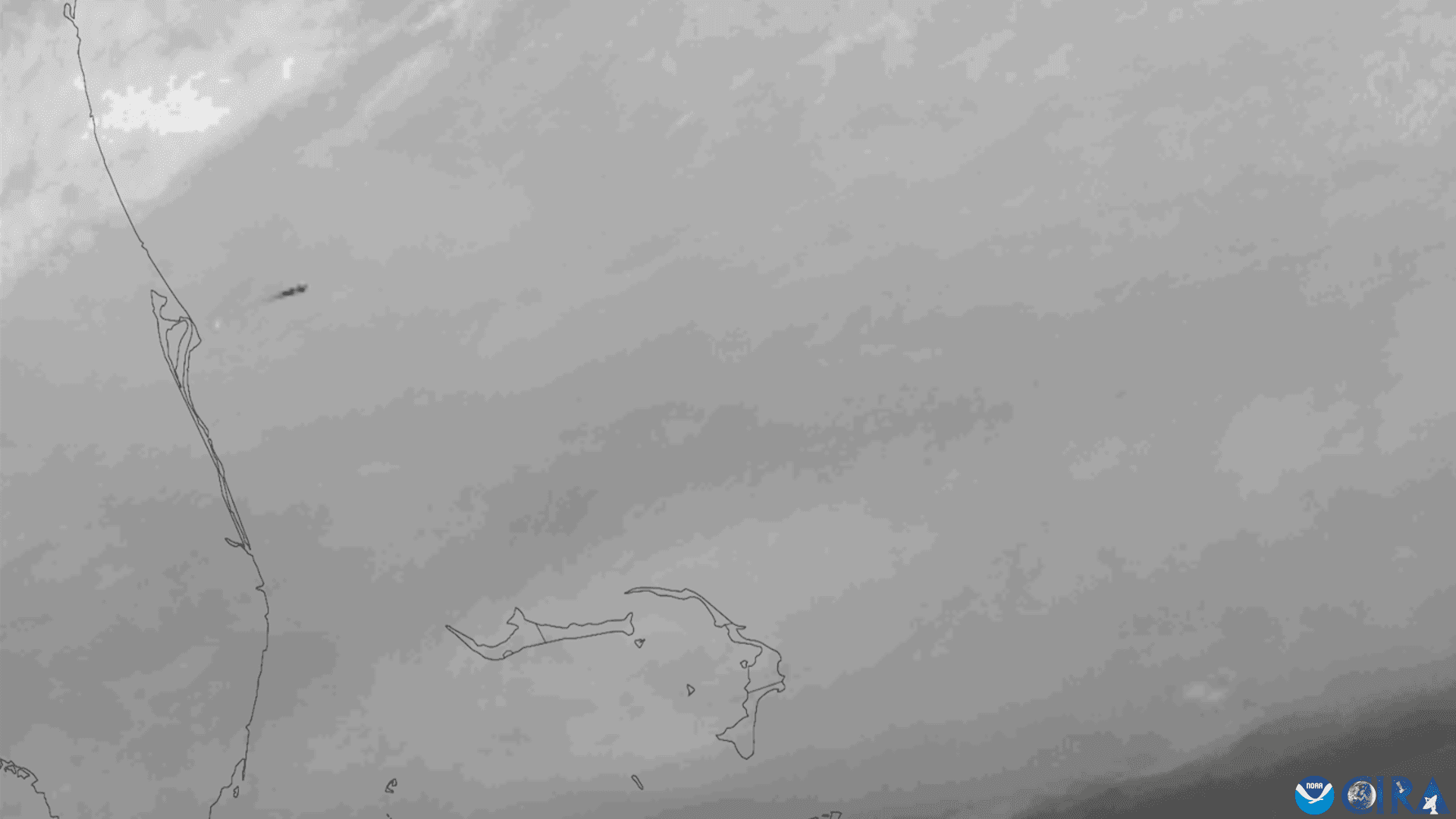
Blue Origin has filed early-stage documents to begin building a second launch pad at Cape Canaveral Space Force Station in Brevard County, a move that extends the Jeff Bezos-founded rocket company's already substantial Space Coast footprint and signals expectations of a much higher flight rate for its New Glenn heavy-lift rocket. The filing, made through the Federal Aviation Administration's launch licensing process, kicks off an environmental and operational review that typically runs over many months before construction can begin in earnest.
For Florida, the news lands at the intersection of two long-running stories: the broader commercial space boom that has filled the Space Coast with new launch activity, and Blue Origin's specific climb from a periodic launch operator to one of the major players in the heavy-lift market. The new pad would sit immediately north of the company's existing facilities at Space Launch Complex 36, the historic launch site Blue Origin rebuilt after acquiring it in 2015 and where New Glenn currently flies from.
What Blue Origin filed
The documents submitted in early May 2026 begin the formal process for siting a second New Glenn launch pad on Air Force property at Cape Canaveral. The proposed site is on land north of the existing Launch Complex 36, taking advantage of Blue Origin's established infrastructure footprint and the supporting facilities the company has built over the past decade. The filings include preliminary environmental information, operational concepts, and basic site characterization data that will inform the more detailed reviews ahead.
The FAA's commercial launch licensing process requires environmental assessment under the National Environmental Policy Act, coordination with the Department of Defense as the host agency for Cape Canaveral Space Force Station, and review of safety and operational considerations including flight paths, noise, and explosive siting requirements. Each step takes time, and second-pad approvals at major launch sites have typically required at least one to two years from initial filing to construction approval.
Blue Origin has not publicly committed to a specific construction timeline or first-launch date for the proposed second pad. The company has signaled, however, that the additional capacity is needed to support the projected New Glenn flight rate over the coming years, including national security launches, commercial satellite missions, and contributions to the company's own Project Kuiper internet constellation work for parent organization Amazon. The Department of Defense has selected Blue Origin among the providers for the next phase of national security space launches, a competitive program that requires demonstrated launch cadence and reliability across multiple missions per year.
The filing process also positions Blue Origin to take advantage of available launch windows that single-pad operations cannot support. Pad turnaround between launches involves refurbishment, propellant loading, and pre-flight checks that take weeks for any large rocket. A second pad would allow the company to stage simultaneous mission preparations and respond more flexibly to customer scheduling demands, weather delays, and the cascading effects that ripple through a tight launch manifest when any single mission slips.
Why this matters for Florida
The Space Coast is the single most active launch corridor in the world, and the steady expansion of facilities at Cape Canaveral Space Force Station and the adjacent Kennedy Space Center has been one of the dominant economic stories in Brevard County for more than a decade. Each launch operator's footprint generates construction work during the build phase, permanent technical and operations jobs once the site is in service, and a steady stream of business for the regional supply chain, hotels, restaurants, and services that surround the major launch complexes.
Blue Origin's investment in Florida is already among the largest of any space company. The company has put more than $3 billion into facilities and infrastructure on the Space Coast, including the rebuild of Launch Complex 36, a substantial manufacturing facility at Exploration Park near Kennedy Space Center, and engine production capacity that supports both New Glenn and the BE-4 engine sold to United Launch Alliance for its Vulcan Centaur rocket. The new pad filing extends that investment trajectory into the next phase.
The Brevard County economy has reorganized around the commercial space sector to a degree that would have been hard to predict a decade ago. Space Florida, the state's aerospace economic development agency, has steadily marketed the region to satellite operators, launch vehicle developers, and space-adjacent services companies. The combination of Blue Origin, SpaceX, United Launch Alliance, and other operators on the Cape and at Kennedy Space Center has created a tightly clustered industry presence with the labor force and supplier base to support continued growth.
Reaction from the Space Coast
Brevard County and City of Cape Canaveral officials have consistently welcomed expansion announcements from the major launch operators. The county's economic development arm tracks launch activity, payroll growth, and infrastructure investment closely, and announcements like the Blue Origin filing are quickly translated into projections for new jobs, tax base, and supplier opportunities. The county's hotels, restaurants, and tourism operators benefit from both the construction phase and the launch viewing market that has become a fixture of Brevard's identity.
Space Florida and the broader state economic development apparatus have similarly built relationships with Blue Origin and the other major operators. The state has provided infrastructure support, workforce development funding, and regulatory coordination over the past decade. The new pad filing will likely trigger renewed conversations about transportation infrastructure, utilities, and supporting services around the company's expanding footprint, both at the Cape and at Exploration Park.
Members of Florida's congressional delegation representing the Space Coast have used Blue Origin expansion announcements to argue for continued federal investment in launch infrastructure, range modernization, and the broader Cape Canaveral and Kennedy Space Center ecosystem. The state's two U.S. senators have similarly engaged with the commercial space sector as an area of bipartisan support, given the obvious economic and national security benefits to Florida.
Broader context
New Glenn is Blue Origin's heavy-lift orbital rocket, capable of delivering payloads in the range of competitive heavy-lift vehicles operating today. The rocket completed its first orbital flight in early 2025 and has been ramping up flight cadence as the company works through its initial mission manifest. The rocket's reusable first stage and large payload fairing are intended to make it competitive in both commercial and national security launch markets.
Blue Origin's relationship with Cape Canaveral runs back more than a decade. The company took over Launch Complex 36, a historic site that had previously supported Atlas-Centaur missions, and rebuilt it as a modern New Glenn launch facility. The current Launch Complex 36 includes pad, support infrastructure, integration facilities nearby, and the logistics capacity to support an increasing flight rate. The proposed second pad would multiply that capacity rather than replacing it.
The broader context at Cape Canaveral involves a historic surge in new pad construction and operator activity. SpaceX operates from multiple complexes on the Cape and at adjacent Kennedy Space Center for its Falcon 9 and Falcon Heavy fleet, with Starship-related infrastructure development underway at Launch Complex 39A. United Launch Alliance flies Vulcan Centaur from Launch Complex 41, with crewed Atlas V missions on a parallel track. Rocket Lab, Relativity, and other newer operators have either established presence on the Cape or are in active development for it. The combined annual launch cadence at the Cape and Kennedy has set records each of the past several years, and forecasts for 2026 and beyond project continued growth as commercial constellations, national security missions, and exploration programs ramp up.
The launch viewing economy in Brevard County has matured into a recognizable industry of its own. Hotels in Cape Canaveral, Cocoa Beach, and Port Canaveral have built business models around launch traffic, with rooms facing east toward the pads commanding premium rates during major launches. Cruise lines that operate from Port Canaveral coordinate departures and arrivals around launch schedules, and tourist boat operators have built viewing trips into the Banana River and offshore. Each additional launch pad and operator deepens the rhythm that drives that ecosystem.
The FAA licensing path
The Federal Aviation Administration's Office of Commercial Space Transportation is the primary federal regulator for commercial space launches in the United States. The agency licenses launch vehicles, launch sites, and individual missions, and works in coordination with the Department of Defense, NASA, and other federal partners on launches conducted from federal ranges. The Blue Origin filing for a second pad triggers FAA review under both the NEPA environmental framework and the agency's launch and reentry licensing rules.
The environmental review will examine effects on the Cape Canaveral Space Force Station complex, the adjacent Canaveral National Seashore, the Indian River Lagoon, and surrounding wetlands. Reviewers will assess noise contours, potential effects on protected species, water quality, and the cumulative effects of additional launch activity on top of the already significant tempo at the Cape. Public comment periods are part of the process, and prior environmental reviews at the Cape have generated input from environmental organizations, fishing interests, and surrounding communities.
The operational review will look at flight paths, range safety considerations, deconfliction with other operators on the Cape, and the supporting infrastructure required for additional launch activity. The Space Force, as the host agency for Cape Canaveral Space Force Station, will be a key partner in that review, given its responsibility for range safety, launch scheduling, and overall management of the launch complex.
What is next
The FAA's environmental and licensing review will play out over the coming months, with public comment periods and coordination with the Department of Defense and other federal partners. Blue Origin is likely to provide additional detailed information as the review progresses, including more specific design plans, operational concepts, and flight rate projections that will help inform the review's assessment of cumulative effects.
Construction on the proposed pad, if approved, would likely begin in 2027 or 2028 and run for at least 18 to 24 months before the facility could support flight operations. The construction phase itself would bring substantial activity to the Cape, with contractors, subcontractors, and suppliers active on site over an extended period. Permanent operational jobs would follow once the pad is commissioned.
For Brevard County and the broader Florida space sector, the filing is the latest data point in a steady accumulation of expansion announcements that have transformed the Space Coast over the past decade. The combined effect of multiple major operators investing in additional capacity at Cape Canaveral and Kennedy Space Center suggests that the projected demand for launch services over the coming decade is large enough to support significant capacity growth at one of America's premier launch facilities. The Blue Origin second pad fits squarely within that pattern and reinforces Florida's position as the center of the U.S. commercial space industry.
Spotted an issue with this article?
Have something to say about this story?
Write us a letterComments
No comments yet. Be the first to weigh in.
Related Coverage

Isaias Shuts Pensacola and Okaloosa Airports as Airlines Waive Fees and Tolls Lift on Panhandle Bridges
3h ago

Ex-CIA official pleads guilty in $194 million fraud, will forfeit $102 million in Palm Beach and Hobe Sound real estate
4h ago
11th Circuit voids septic permit ban in Indian River Lagoon manatee case after federal 'harm' rule rollback
4h ago

Trump ties disaster aid to midterm campaign as Hurricane Isaias nears Florida Panhandle
23h ago