Canada's Retaliatory Tariffs Take Effect, and Florida Seafood Is on the List
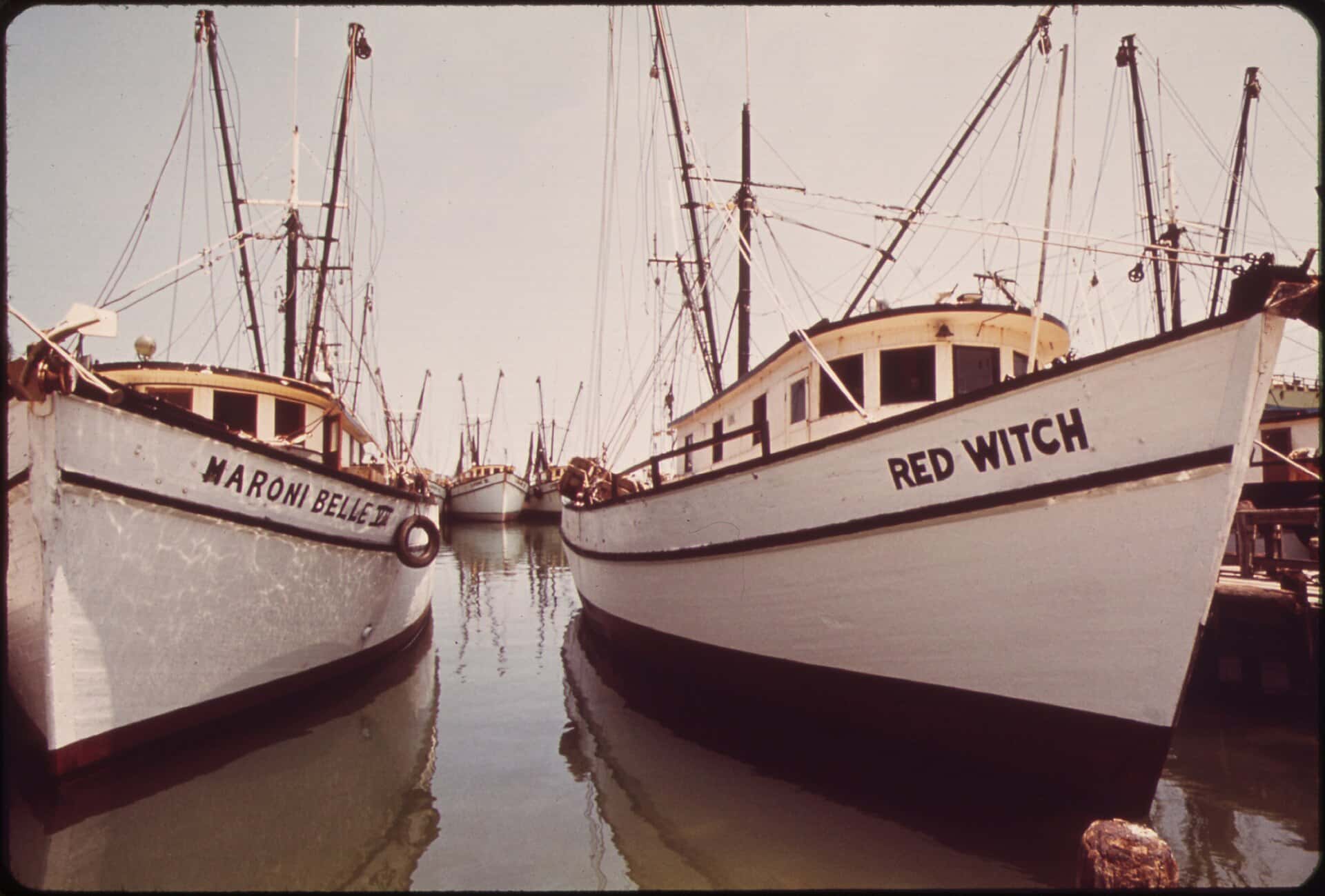
Canada's retaliatory tariffs on American goods took effect on Tuesday, imposing duties ranging from 15 to 50 percent across hundreds of U.S. products after trade talks between the two countries collapsed in August. Florida is among the states specifically exposed, with seafood exports named among the categories subject to the new levies.
What Canada imposed
The counter-tariff package covers a broad set of sectors chosen with evident deliberation: steel and aluminum, dairy, household appliances, agricultural equipment, pulp and paper, plastics and electronics. Reported valuations of the affected trade have varied between accounts, with figures of roughly $20 billion and $27.6 billion appearing in different reports depending on the basis of calculation.
Canadian officials have been explicit that the targeting is strategic rather than economic. Canada's industry minister described the approach as selecting products that hit specific American states in order to generate political pressure. That is a standard playbook in modern trade disputes, and it means the burden falls unevenly across the United States by design.
Alaska, Florida and Massachusetts were identified among the states with seafood exports subject to the retaliatory levies. Florida orange juice had also appeared on earlier Canadian lists of potential retaliation targets during previous rounds of this dispute.
Why Florida seafood is exposed
Florida's commercial fishing and seafood processing sector is smaller than the state's tourism or agriculture industries but is economically concentrated in coastal communities where alternatives are limited. Stone crab, spiny lobster, shrimp, grouper, snapper and a range of other species support fleets and processors from the Panhandle through the Gulf Coast, the Keys and up the Atlantic side.
Export markets matter disproportionately for high-value species. Florida spiny lobster in particular has historically depended heavily on export demand, and stone crab claws command premium prices in markets outside the state. When a tariff raises the landed price in an export market by 15 to 50 percent, demand from that market falls, and the effect flows back to the dock price a fisherman receives.
Canada is not the largest export destination for Florida seafood, and the direct volume affected is modest relative to the industry's total output. The compounding concern for the sector is that trade disputes rarely stay bilateral. Retaliatory measures from multiple trading partners aimed at American agricultural and food exports create overlapping pressure on the same producers.
The citrus dimension
Orange juice has appeared on Canadian retaliation lists in earlier rounds of this dispute, and the reason is that it is a recognizable American product concentrated in one state. Whether it appears in the current package is a detail Florida growers will be watching closely.
The timing would be difficult. Florida's citrus industry is operating at a fraction of its historical scale, with the latest federal inventory putting commercial acreage at roughly 165,359 acres, down about 21 percent in a single year and roughly 73 percent below where the industry stood two decades ago. Production rose about 7 percent last season to roughly 15.7 million boxes, but the industry has very little margin to absorb an export shock.
Most Florida citrus goes into juice processing rather than fresh fruit, and the juice market is already competing against Brazilian concentrate imports. Additional trade friction on the export side compounds a problem the industry did not need.
How tariffs reach Florida consumers
Retaliatory tariffs imposed by another country are paid by importers in that country, not by American consumers directly. The mechanism that reaches Floridians is demand: when a Canadian buyer faces a 30 percent duty on an American product, they buy less of it or buy from somewhere else, and the American producer loses sales.
The reverse flow matters too. U.S. tariffs on Canadian goods raise costs for American buyers of those goods, and Florida imports a range of Canadian products including newsprint, aluminum, lumber and agricultural inputs. Florida's construction sector, which is a major component of the state economy, uses substantial volumes of materials whose pricing is affected by North American trade policy.
Fuel and shipping costs layer on top. Florida gasoline prices rose roughly 18 cents overnight this week to about $4.07 a gallon on Middle East supply disruptions, which raises the cost of moving goods within the state regardless of what happens at the border.
The Canadian visitor question
The larger Florida exposure to a deteriorating relationship with Canada is not trade in goods at all. It is people. Canadians have long constituted the largest single source of international visitors to Florida, with hundreds of thousands of seasonal residents and visitors concentrated in Southwest Florida, the Treasure Coast, Broward County and along the Gulf.
Those visitors own property, pay property taxes, use local health care, patronize restaurants and retailers and support entire local economies during the winter season. Communities such as Hollywood, Pompano Beach, Fort Myers, Naples and Sarasota have Canadian populations substantial enough to shape their off-season economics.
Visitation is sensitive to exchange rates and to the general climate of the relationship. A weaker Canadian dollar makes a Florida winter more expensive. A politically strained relationship affects sentiment in ways that are harder to measure but that tourism officials in Florida have historically taken seriously.
Florida's tourism season begins building in the fall, which means the effect of the current dispute on Canadian bookings will start showing up in data over the next several months.
What Florida officials can do
Trade policy is exclusively federal, and no state has authority to negotiate tariff relief. What Florida can do is advocate through its congressional delegation, which at 28 House members plus two senators is among the largest in Congress, and through the trade promotion functions the state operates for exporters.
Florida's ports are a relevant constituency. Port Everglades, PortMiami, Port Tampa Bay, JAXPORT and Port Canaveral all handle cargo whose volumes respond to trade conditions, and port authorities have historically been active voices on trade policy.
Industry associations representing citrus, seafood, agriculture and manufacturing are the other channel. Their arguments to federal officials typically center on the specific export markets and product categories at stake rather than on the broader policy dispute.
How the dispute reached this point
The current round follows the collapse of trade talks between Washington and Ottawa in August. Canadian Prime Minister Mark Carney indicated at that point that retaliatory measures would begin on September 8, and they did.
Trade disputes between the two countries have moved through several cycles over the past two years, with tariffs imposed, partially suspended, adjusted and reimposed. Canada has previously removed surtaxes on certain American goods as part of negotiated adjustments, which is the pattern most observers expect to repeat if talks resume.
The relationship is unusually integrated, which is what makes the disruption consequential. The two economies share the largest bilateral trading relationship in the world by some measures, with supply chains in automotive, energy, agriculture and manufacturing that cross the border repeatedly during production.
For Florida specifically, the integration is less about manufacturing supply chains and more about agricultural exports, seafood, aerospace components and the enormous flow of Canadian visitors and property owners into the state each winter.
What Florida ships north
Florida's export profile to Canada is dominated by agricultural products, processed food, aerospace and defense components, medical devices and electronics. The state's ports and its air cargo capacity at Miami International Airport handle a substantial share of that trade.
Agricultural exports carry the most exposure to retaliatory targeting because food products are politically visible and because substitutes are generally available from other suppliers. A Canadian importer facing a 30 percent duty on Florida produce can frequently source comparable product from Mexico or domestically.
Aerospace and defense components are harder to substitute, which insulates them somewhat. Certified aerospace parts cannot be swapped between suppliers without regulatory approval, and that friction means a tariff raises cost rather than eliminating the sale.
Medical device manufacturing, concentrated in several Florida metros, occupies a middle position. Devices are subject to regulatory approval that limits substitution, but purchasing decisions in health systems are price sensitive over the medium term.
What businesses can do now
Florida exporters affected by the new duties have a limited set of practical options. The first is to work through their trade associations to seek product-specific exemptions, which have been granted in previous rounds of this dispute.
The second is market diversification. Exporters heavily concentrated in the Canadian market face the most exposure, and trade promotion resources available through the state and through federal export assistance programs can help identify alternative buyers.
The third is contract review. Many export contracts allocate tariff risk between buyer and seller, and businesses should understand which party bears the cost under existing agreements before assuming the loss.
Small exporters, which make up the majority of Florida businesses that ship internationally, generally have the least capacity to absorb or manage this kind of disruption, and they are the constituency most likely to exit an export market entirely rather than wait for a resolution.
What's next
The immediate question is whether negotiations resume. Trade disputes of this kind frequently produce partial resolutions in which specific product categories are exempted while the broader disagreement continues, and Canada has previously removed surtaxes on certain U.S. goods as part of such adjustments.
Florida producers in affected categories should expect their trade associations to seek exemptions for their specific products, which is the most realistic near-term path to relief.
For most Floridians, the effects will be indirect and gradual: somewhat higher costs for goods with Canadian inputs, somewhat weaker demand for Florida exports, and a Canadian winter visitor season that will be watched more closely than usual.
Spotted an issue with this article?
Have something to say about this story?
Write us a letterComments
No comments yet. Be the first to weigh in.
Related Coverage

Federal organ donation crackdown nears as Florida groups await rankings and Tampa nonprofit appeals court loss
35m ago

Air defense systems deployed at Mar-a-Lago as intelligence memo to Rubio warns of advanced Iranian plots
56m ago

South Florida Federal Judge Enters $668,390 Penalty Against Honduran Woman Who Ignored Deportation Order
17h ago
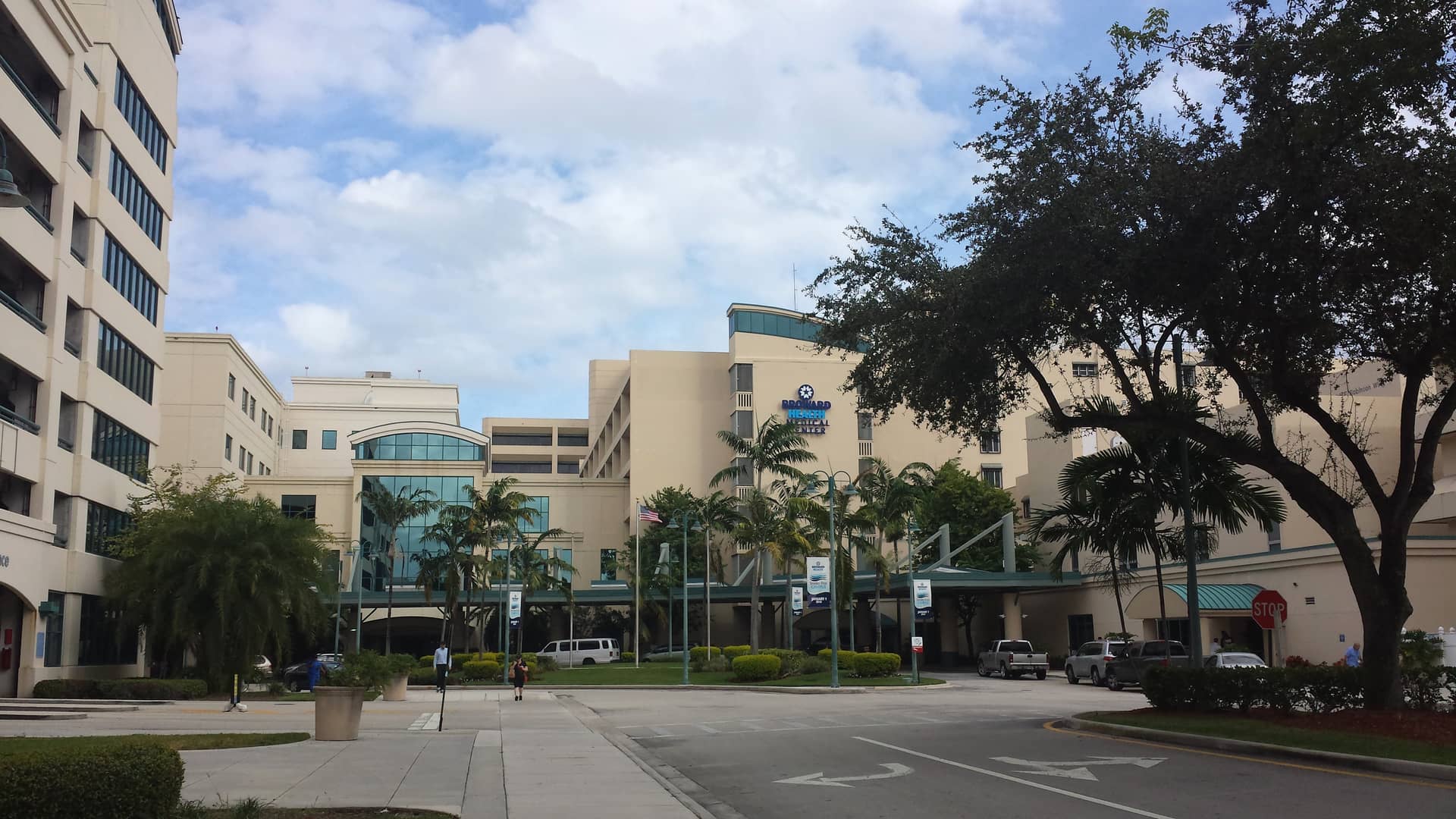
RFK Jr. and Dr. Oz Unveil Rewritten Federal Alzheimer's Plan at Broward Health as Florida Cases Near 580,000
18h ago