Florida's New Data Center Law Sets Utility Rules as AI Boom Drives Power Demand
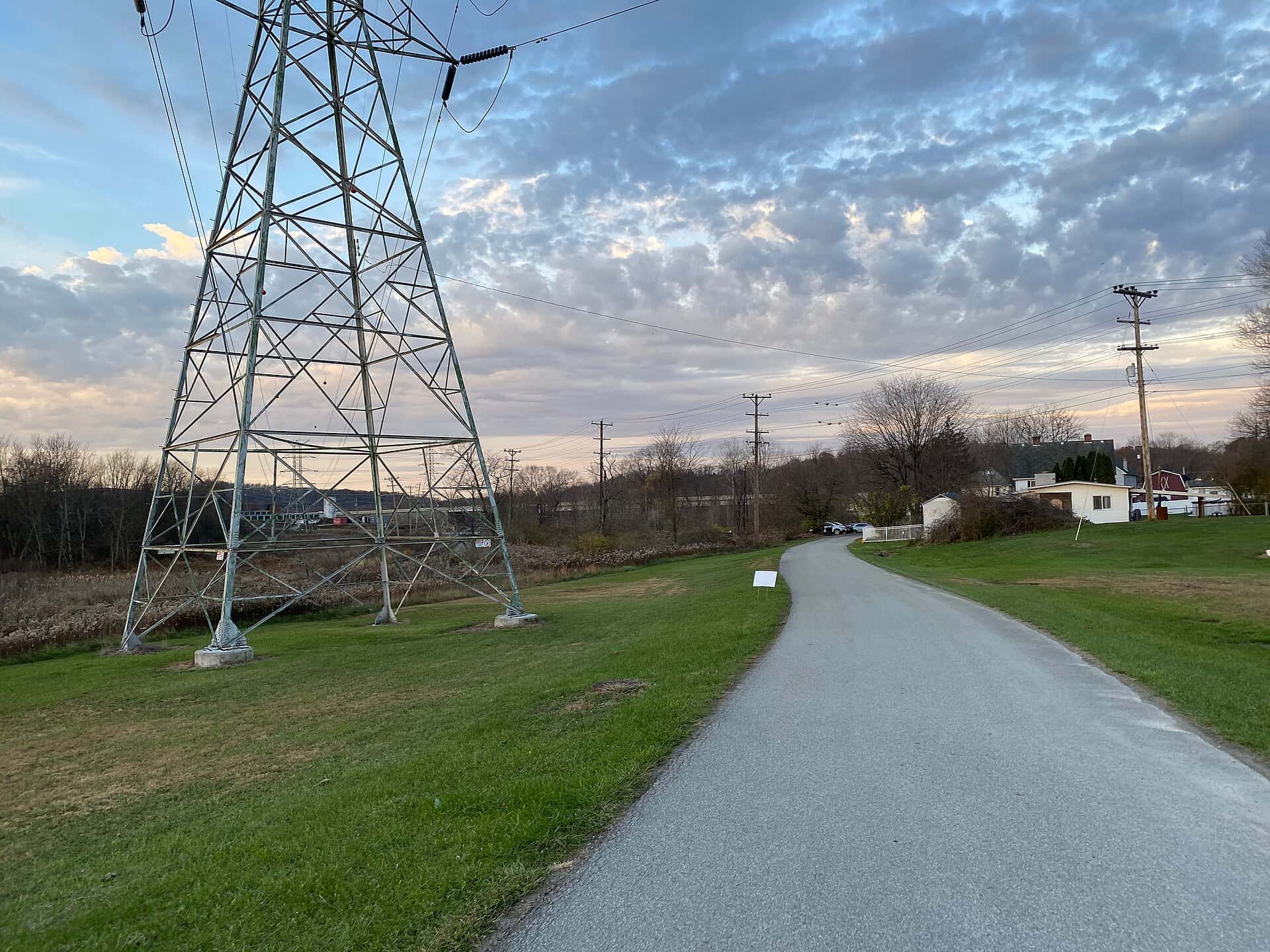
A new Florida law taking effect this year establishes rules for how the state's utilities serve large-scale data centers, part of a growing national reckoning with the enormous amounts of electricity these facilities consume. The measure sets new requirements for large-load customers, including tariff provisions, and directs a state review of the impact data centers have on Florida's power grid and its ratepayers.
The law arrives as demand for computing power surges, driven in large part by the rapid expansion of artificial intelligence, which requires vast fleets of energy-hungry servers. Data centers that house that infrastructure have become some of the largest single consumers of electricity in the regions where they operate, raising questions about who pays for the additional power capacity they require.
For years, the debate over data centers in Florida centered on land use, water for cooling, and local tax incentives. The new law reflects a shift in that conversation toward the electric grid itself, as policymakers confront the reality that a single large facility can request as much power as a small city. By writing rules before the industry reaches full scale in the state, Florida is attempting to shape the terms of that growth rather than react to it after the fact.
What the law does
The measure focuses on what utilities and regulators call large-load customers, meaning facilities whose electricity demand is so large it can affect the planning and cost structure of the entire grid. For these customers, the law introduces tariff requirements, which are the rate structures and terms under which a utility provides service.
By setting specific rules for large-load customers, the law aims to ensure that the costs of building new generation and transmission capacity to serve data centers are allocated appropriately. The concern among consumer advocates and some regulators is that if those costs are spread across all customers, ordinary households could end up subsidizing the expansion needed to power a handful of enormous facilities.
Tariffs of this kind typically address questions that ordinary residential rates never have to confront. They can specify how much a large customer must commit to pay regardless of how much power it ultimately uses, how long that commitment lasts, and what happens if a project is canceled or scaled back after a utility has already invested in new equipment to serve it. Getting those terms right matters because generation and transmission assets are built to last for decades, and a utility that overbuilds for demand that never materializes can leave other customers holding the bill.
The law also directs a state review of the broader impact of data centers, a study that will examine how these facilities affect the reliability and economics of Florida's electricity system. That review sets the stage for further policy decisions as the state gathers data on an industry that is expanding quickly and unevenly across the country.
Why data centers matter now
Data centers are the physical backbone of the digital economy, housing the servers that run cloud computing, streaming services, online commerce, and increasingly the training and operation of artificial intelligence models. The AI boom in particular has intensified demand, because training and running large AI systems requires clusters of specialized processors that draw significant power and generate substantial heat that must be cooled.
Across the United States, utilities have reported sharp increases in projected electricity demand, reversing years of relatively flat growth. Some grid operators have warned that the pace of new data center construction could strain their ability to keep up, prompting states to grapple with how to accommodate the industry without compromising reliability or raising costs for existing customers.
The reversal is notable because for much of the past two decades, gains in energy efficiency across lighting, appliances, and industry had kept overall electricity demand roughly flat even as the economy grew. Data centers have upended that expectation, and utilities that had planned around modest growth are now revising forecasts upward. Meeting the new demand can mean building power plants, stringing transmission lines, and upgrading substations, all of which take years and require regulatory approval well before the first server switches on.
Florida, with its growing population and warm climate that already drives heavy air-conditioning demand, faces its own version of this challenge. Adding large data center loads to a grid that must also serve millions of residents during peak summer months and hurricane recovery periods makes the question of how to plan and pay for capacity especially pressing.
The Florida context
Florida's electricity market is dominated by large investor-owned utilities that serve millions of customers across the state. Rate decisions in Florida are overseen by state regulators, and the framework established by the new law gives those regulators clearer guidance on handling the unique demands of very large customers.
The state's growth has already pushed utilities to expand generation and transmission, and the arrival of data centers adds a new variable. Economic development officials often welcome data centers for the investment and tax revenue they bring, but the facilities typically employ relatively few workers once operational, which complicates the usual jobs-versus-costs calculus that accompanies large developments.
Unlike a factory or a distribution hub that might bring hundreds or thousands of permanent jobs, a data center often runs with a small on-site staff after construction wraps up. That profile forces communities to weigh a different kind of tradeoff, one in which the benefits arrive mostly as capital investment and tax base rather than payroll, while the demands on shared infrastructure like the power grid can be substantial. The new law effectively inserts the state into that calculation by ensuring the grid costs are examined and assigned rather than absorbed quietly into everyone's bill.
By requiring a state review, the law acknowledges that Florida is still assessing how significant the data center trend will become within its borders. The findings of that study could shape future legislation and regulatory decisions, positioning Florida among the states trying to get ahead of an industry whose growth has caught some regions by surprise. Several states have already faced contentious rate cases and public backlash after large loads arrived faster than planners anticipated, and Florida's approach appears aimed at avoiding that scenario by establishing ground rules early.
What it means for Floridians
For ordinary ratepayers, the central question is cost. The tariff rules for large-load customers are intended to protect residential and small-business customers from bearing the expense of infrastructure built primarily to serve data centers. Whether the framework achieves that goal will depend on how regulators implement it and how the industry grows.
Reliability is another concern. Floridians depend on a stable electricity supply, particularly during the summer heat and in the aftermath of hurricanes when restoring power is a top priority. Ensuring that large new loads do not undermine grid reliability is part of what the state review is meant to evaluate. A grid already stretched by peak cooling demand and by the recovery work that follows major storms has little margin to spare, and adding steady, round-the-clock loads on the scale of a large data center changes the calculus utilities use to plan for those stress periods.
There is also an economic development dimension. Data centers represent significant capital investment, and communities that host them can benefit from construction activity and tax base growth. Balancing those benefits against the costs and grid demands is the tension the new law attempts to manage. For local governments courting these projects, the state framework provides a clearer picture of the obligations that come attached, which can inform decisions about whether and how to pursue them.
How Florida compares
Florida is not acting in isolation. Across the country, regulators and lawmakers have been scrambling to update rules written for an era when the largest customers were factories and shopping centers, not server farms that can consume as much electricity as a mid-sized town. The core problems are similar everywhere: how to build enough capacity in time, how to protect existing customers from cost shifts, and how to keep the lights on reliably as demand climbs.
What varies is the approach. Some jurisdictions have leaned on negotiated contracts handled case by case, while others, like Florida with this law, have moved toward standardized tariff requirements and formal studies. Standardization can offer more predictability for utilities and clearer protections for ratepayers, though it also depends on regulators keeping the rules current as technology and demand evolve. Florida's decision to pair specific tariff requirements with a broad state review reflects an effort to combine near-term structure with the flexibility to adjust as the picture becomes clearer.
The stakes of getting the balance right extend beyond any single project. Utilities plan their systems years in advance, and the signals they receive today about future data center demand shape the power plants and transmission lines they propose to build. If those signals prove overstated, customers can be left paying for capacity that sits idle. If they are understated, the grid can fall behind demand, raising the risk of shortages during peak periods. Clear rules for large-load customers are meant to sharpen those signals by requiring firm commitments before major investments proceed, giving regulators a firmer basis for deciding what gets built and who pays for it.
What's next
With the law in effect, attention turns to the state review it mandates and to how regulators apply the new tariff requirements to large-load customers. The results of the study could inform additional rules or legislation as Florida refines its approach to an industry that continues to expand nationally.
As artificial intelligence and cloud computing keep growing, the pressure data centers place on electricity systems is likely to intensify. Florida's early move to set rules for these facilities reflects a broader effort by states to manage the collision between a booming digital economy and the physical limits of the power grid, an issue that will remain in focus for regulators, utilities, and consumers in the years ahead. How Florida implements the law could offer a model, or a cautionary tale, for other fast-growing states weighing the same tradeoffs between welcoming an industry and shielding the households and businesses that share its grid.
Spotted an issue with this article?
Have something to say about this story?
Write a letter to the editorComments
No comments yet. Be the first to weigh in.
Related Coverage

FPL, Tampa Electric and Duke File Data Center Plans as Florida's New Ratepayer Protection Law Hits First Deadline
10m ago

USF and Tampa Electric Build Digital Twin of Power Grid With $3.8 Million Grant
2d ago
Orange County Moves Toward a One-Year Pause on AI Data Centers Over Water and Power Concerns
Sep 23

University of Florida Research Spending Hits Record $1.34 Billion as State Universities Expand Their Labs
Sep 21