Cape Canaveral Keeps Up a Relentless Launch Pace, Fueling the Economy of Florida's Space Coast
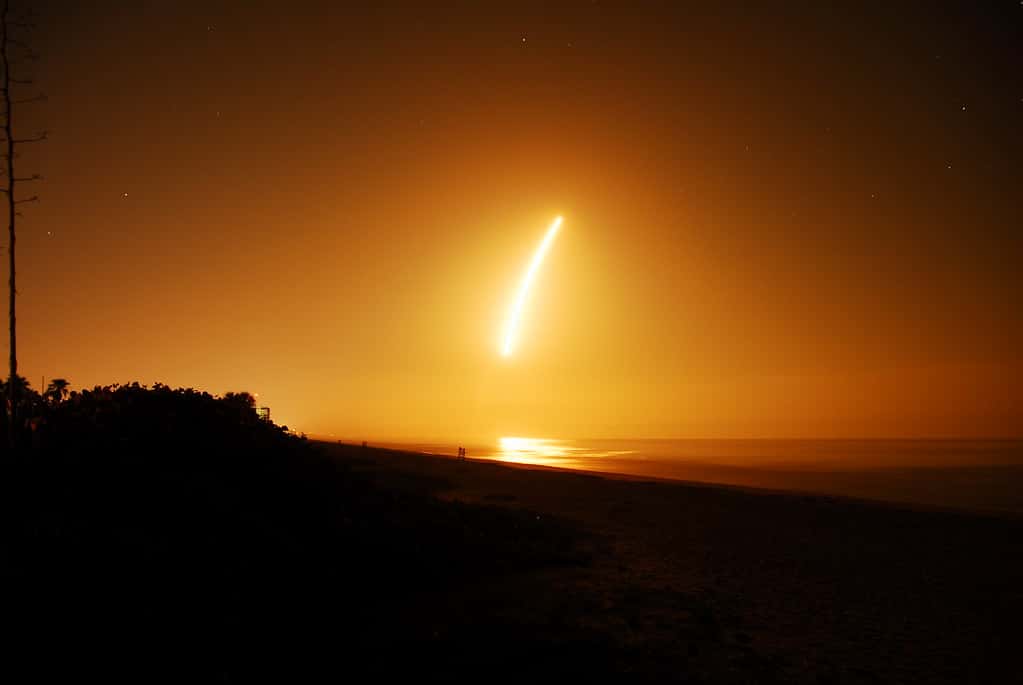
Florida's Space Coast is in the midst of one of the busiest launch eras in its history, with rockets lifting off from Cape Canaveral and the Kennedy Space Center at a relentless pace that is reshaping the region's economy. From national security satellites to commercial constellations to the crewed return to the Moon earlier this year, the cadence of launches has turned Brevard County into the beating heart of American spaceflight and a powerful engine of Florida jobs and growth.
The surge reflects a broader transformation in the space industry, with commercial companies launching frequently alongside government missions. For Florida, the result is a sustained boom in launch activity that supports thousands of jobs, draws investment, and cements the state's central role in the nation's space ambitions. The launches have become so frequent that they are a routine part of life on the Space Coast.
A relentless launch cadence
The pace of launches from Florida's spaceport has been extraordinary, with missions lifting off in rapid succession. Recent activity has included a national security launch carrying intelligence-gathering satellites for a government agency, as well as the regular launches of commercial satellites that have become a fixture of the schedule. The variety of missions reflects the breadth of activity at the Cape.
Commercial satellite launches, particularly those building out large constellations of communications satellites in low Earth orbit, account for a substantial share of the activity. These missions launch frequently, sometimes multiple times in a week across the company's various sites, adding satellites to orbit at a rapid clip. The cadence has become a defining feature of the modern launch industry and of the Space Coast's rhythm.
National security missions add another dimension, with launches carrying payloads for defense and intelligence agencies. These missions underscore the strategic importance of Florida's spaceport to national security, complementing the commercial and scientific launches that fill the schedule. The combination of government and commercial activity keeps the launch pads busy throughout the year.
A landmark year for the Moon program
The year has been a landmark one for the nation's return to the Moon. Earlier in 2026, the crewed Artemis II mission lifted off from the Kennedy Space Center, sending astronauts on a flight around the Moon, the first crewed mission beyond low Earth orbit in decades. The launch marked a historic milestone for the space program and a proud moment for Florida, which hosted the departure of the crew.
Following the mission, the spacecraft returned to Kennedy for post-flight analysis, with technicians beginning the work of examining how it performed. That analysis feeds into preparations for future missions, including the planned crewed landing that would return astronauts to the lunar surface. The work at Kennedy is part of the long arc of the program's effort to establish a sustained presence at the Moon.
Hardware for future missions has also been arriving at Kennedy, as the program builds toward its next steps. The flow of components and the processing work that follows are part of the constant activity at the space center, which serves as both a launch site and a hub for assembling and preparing the vehicles that carry out the nation's most ambitious missions.
The economic engine
The launch boom is a powerful economic engine for Florida's Space Coast. The space industry supports a large workforce in the region, from engineers and technicians to the many businesses that serve the industry and its workers. The sustained pace of activity provides stable, high-skill employment and draws talent and investment to the area.
The economic benefits ripple beyond the direct space workforce. The industry's presence supports housing, retail, hospitality, and other sectors in the region, and the frequent launches draw visitors who come to watch rockets lift off. Space tourism, with crowds gathering to witness launches, adds another dimension to the region's economy, turning the spectacle of spaceflight into an attraction.
The growth of the commercial space sector has been particularly significant for the region's economy. As private companies have expanded their launch operations, they have invested in facilities and hired workers, contributing to the Space Coast's transformation. The combination of established government programs and growing commercial activity has created a diverse and resilient space economy.
The Florida context
Florida's role in the space program dates back to the earliest days of American spaceflight, with the Cape serving as the departure point for historic missions across the decades. That heritage has made the Space Coast synonymous with the nation's space ambitions, and the current launch boom builds on a long tradition of Florida's central place in the program.
The state has worked to support and expand its space industry, recognizing the economic and strategic value of being the nation's primary spaceport. Florida's investment in the industry and its infrastructure reflects an understanding that space is a growth sector with significant benefits for the state, from jobs to prestige to its role in national security.
The concentration of launch activity in Florida also gives the state a stake in federal space policy and funding. Decisions about the space program, made in Washington, have direct consequences for the Space Coast and its workforce. Florida's congressional delegation and state officials have strong incentives to advocate for the program, given its importance to the state.
What it means for Floridians
For residents of the Space Coast, the launch boom means jobs and economic vitality, with the industry providing a foundation for the region's prosperity. The high-skill, well-paying jobs in the space sector support families and communities, and the industry's growth offers opportunities for the next generation of workers in fields from engineering to manufacturing.
For Floridians more broadly, the space program is a source of pride and a symbol of the state's contribution to the nation's achievements. Watching rockets launch from Florida, including the historic crewed mission to the Moon, connects residents to the broader story of American spaceflight and to the cutting edge of technology and exploration.
The industry also shapes Florida's identity and its economy in ways that extend beyond the Space Coast. The state's leadership in space supports its broader technology sector, attracts investment, and reinforces Florida's image as a place where major things happen. The space economy is one of the pillars of the state's growing and diversifying economy.
What's next
The relentless launch cadence is expected to continue, with commercial and government missions filling the schedule at Cape Canaveral and the Kennedy Space Center. The pace shows no sign of slowing, and the Space Coast will remain one of the most active launch sites in the world as the industry continues to grow.
The Moon program will proceed toward its next milestones, building on the success of the crewed flight earlier in the year and working toward the goal of returning astronauts to the lunar surface. The work at Kennedy to prepare for future missions will continue, keeping the space center at the center of the nation's most ambitious exploration efforts.
For Florida, the outlook is one of continued growth in the space sector, with the economic and strategic benefits that come with it. As the launches continue and the Moon program advances, the Space Coast will remain a vital part of both the nation's space ambitions and Florida's economy, a region where the future of spaceflight is being built and launched.
Spotted an issue with this article?
Have something to say about this story?
Write a letter to the editorComments
No comments yet. Be the first to weigh in.
Related Coverage
Florida's Immigration Enforcement Partnership With Federal Agencies Now Includes Every County Sheriff
11m ago
Florida's Cruise Ports Add Capacity as the Industry Sets Up Its Winter Season
46m ago
Federal Flood Insurance Authorization Expires September 30, With Florida the Most Exposed State
4h ago
Eleventh Circuit Revives Florida Medicare Fraud Suit and Preserves the False Claims Act Whistleblower System
4h ago