Cape Canaveral's Relentless Launch Cadence Keeps Florida at the Center of the Space Economy
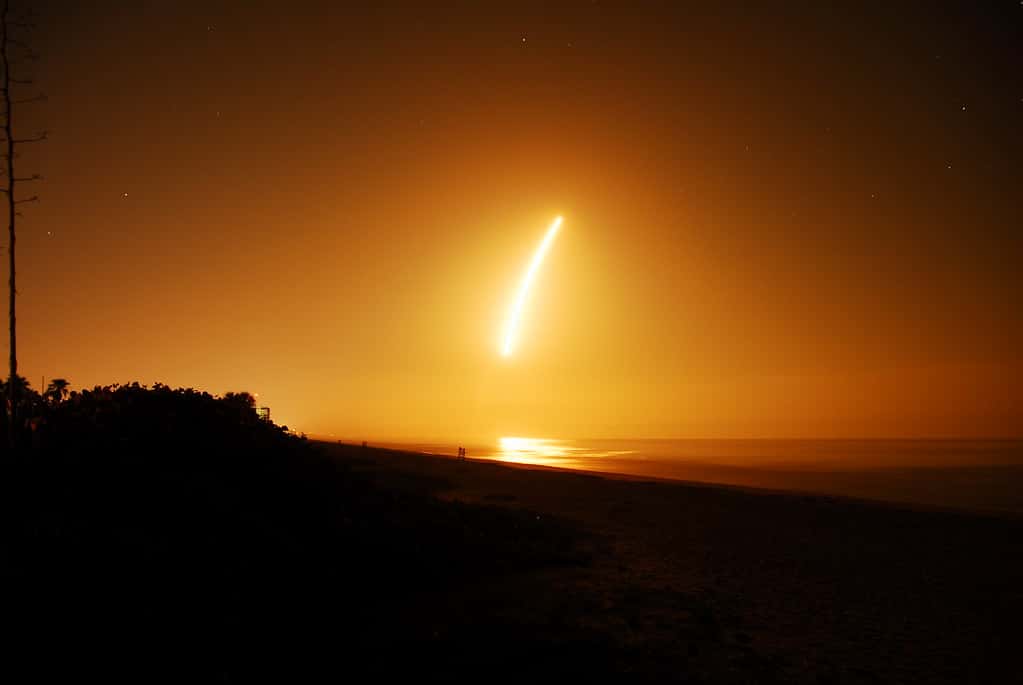
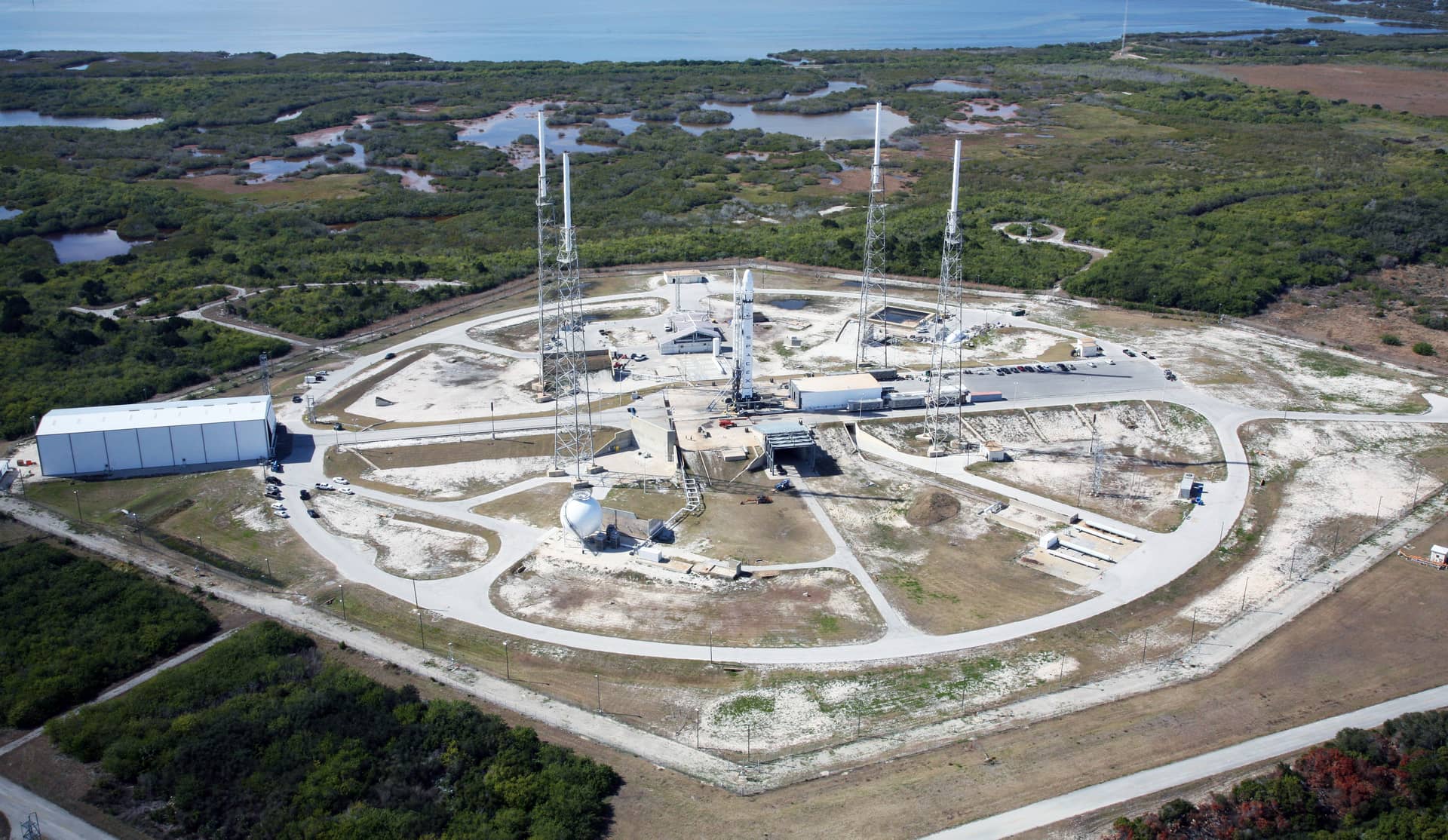
The rockets keep flying off the Space Coast. SpaceX sent another Falcon 9 climbing from Cape Canaveral this month, one more entry in a launch cadence that has turned Florida's Atlantic coast into the busiest spaceport on Earth. With additional missions slated through June, including more Starlink deployments and a satellite launch, the relentless rhythm of liftoffs underscores how central the state has become to the modern space economy and to America's access to orbit.
What was once an occasional spectacle has become a near-routine occurrence, with launches stacking up week after week from Cape Canaveral Space Force Station and neighboring Kennedy Space Center. The pace reflects a transformation in the space industry, driven by reusable rockets and the buildout of massive satellite constellations, and Florida sits at the heart of it. For the Space Coast, each launch is both an engineering achievement and an economic engine.
The launch surge
SpaceX's Falcon 9 fleet has driven an unprecedented frequency of launches, with the company deploying batches of Starlink internet satellites on a regular basis alongside missions for commercial and government customers. The June schedule has featured multiple liftoffs from Cape Canaveral, with more on the calendar, including a planned Falcon 9 mission later in the month and a satellite launch in the period ahead.
The key to the cadence is reusability. SpaceX routinely lands and refurbishes its rocket boosters, allowing the same hardware to fly repeatedly and slashing the cost and turnaround time between missions. That capability has made it possible to launch at a frequency that would have been unthinkable a generation ago, when each rocket was expendable and launches were rare, expensive events.
The Starlink constellation accounts for a large share of the launches, as SpaceX continues to expand its global satellite internet network. Each mission adds dozens of satellites to orbit, requiring a steady stream of launches to build and maintain the constellation. That ongoing demand, combined with missions for other customers, keeps the Cape Canaveral pads in near-constant use.
The Florida context
Florida's Space Coast has been synonymous with American spaceflight since the dawn of the space age, hosting the launches that sent astronauts to the Moon and shuttles to orbit. After a quieter period following the retirement of the Space Shuttle, the region has roared back to life, powered by commercial space companies and a launch cadence that far exceeds the historical norm. The revival has reshaped Brevard County and the surrounding area.
The space industry's resurgence has brought jobs, investment, and renewed identity to the region. Companies have expanded operations, built manufacturing and processing facilities, and hired engineers, technicians, and support staff. The economic ripple extends to the broader community, supporting businesses that serve the workforce and the visitors drawn to the area by the launches.
Florida's leaders have actively courted the space industry, positioning the state as the premier location for launch operations and aerospace business. The combination of established infrastructure, favorable geography for reaching orbit, and a supportive policy environment has helped Florida compete for space-related investment. The result is a thriving sector that has become a pillar of the state's high-tech economy.
The economic engine
The launch cadence translates into tangible economic activity across the Space Coast and beyond. Aerospace jobs tend to be high-paying and skilled, supporting a workforce that spends and invests in the local economy. The industry's growth has driven demand for housing, services, and infrastructure, contributing to the region's development and diversifying an economy once more dependent on tourism alone.
Launches also draw spectators, turning liftoffs into tourism events. Visitors travel to the Space Coast to watch rockets climb into the sky, filling hotels, restaurants, and attractions. The Kennedy Space Center Visitor Complex and public viewing areas capitalize on the public's enduring fascination with spaceflight, adding a tourism dimension to the industry's economic footprint.
Beyond the immediate spending, the space sector positions Florida at the forefront of a growing global industry. Satellite communications, space manufacturing, and the broader commercial space economy represent expanding markets, and Florida's role as the nation's primary launch site gives it a strategic advantage. The state's investment in the sector is a bet on the long-term growth of space commerce.
What it means for Floridians
For residents of the Space Coast, the launch cadence is both a part of daily life and a source of opportunity. The frequent liftoffs, sometimes visible across much of central Florida, have become a familiar feature of the region, while the industry's growth provides jobs and economic stability. The sector's expansion offers career paths in engineering, manufacturing, and technical fields close to home.
For the broader state, the space economy contributes to Florida's effort to diversify beyond tourism and agriculture into high-technology industries. The presence of a robust aerospace sector enhances the state's economic resilience and its appeal to other technology companies. The skilled workforce and infrastructure built around spaceflight create advantages that can attract related industries.
The launches also carry a less tangible benefit: pride and inspiration. Florida's central role in space exploration connects residents to one of humanity's most ambitious endeavors, and the steady stream of missions keeps that connection vivid. For young people in particular, the visible reality of a thriving space industry can inspire interest in science, technology, engineering, and mathematics.
The competitive landscape
While SpaceX dominates the current launch cadence, the Space Coast hosts a growing roster of companies and missions. Other launch providers operate from the area, and the region's infrastructure supports a range of activities beyond SpaceX's Falcon 9 flights. The diversity of users strengthens Florida's position as a comprehensive spaceport rather than a single-company operation.
The expansion of commercial space activity has prompted continued investment in launch infrastructure, from pads to processing facilities to support systems. Managing an ever-increasing launch frequency requires coordination among the companies, the Space Force, and federal aviation authorities, who must integrate launches with air and maritime traffic. The logistical complexity grows alongside the cadence.
Looking ahead, the trajectory points toward even more activity, as satellite constellations expand, new vehicles come online, and ambitious programs aimed at the Moon and beyond progress. Florida's spaceport stands to remain the busiest in the world, cementing the state's role at the center of the space economy for the foreseeable future.
Community and environmental considerations
The intense pace of launches brings considerations beyond economics and engineering. The frequency of liftoffs affects the surrounding communities, from the noise and visibility of rockets to the periodic closures and safety measures that accompany launches. For residents of the Space Coast, the launches are a familiar part of life, but the increasing cadence raises questions about how to integrate such frequent activity with the daily rhythms of the region.
Environmental factors also accompany the growth of launch operations. Rocket launches involve emissions and noise, and the buildout of launch infrastructure interacts with the sensitive coastal environment of Florida's Atlantic shore. The region includes protected natural areas and wildlife habitats, and balancing the expansion of the space industry with environmental stewardship is an ongoing consideration for regulators and the companies involved.
Managing the increasing launch frequency also requires coordination with air and maritime traffic, as launches necessitate clearing airspace and ocean areas for safety. As the cadence grows, integrating launches with the broader transportation systems of the region becomes more complex, requiring cooperation among the companies, the Space Force, and federal aviation and maritime authorities. The logistical demands scale alongside the number of launches.
These considerations are part of the broader conversation about sustaining the growth of Florida's space industry over the long term. The economic benefits are substantial, but realizing them in a way that works for communities and the environment requires thoughtful planning and coordination. As the Space Coast continues its ascent as the world's busiest spaceport, addressing these factors will be part of ensuring that the industry's growth is durable and broadly beneficial.
Education and workforce development represent another dimension of the Space Coast's growth. The expansion of the industry has prompted efforts to prepare students and workers for careers in aerospace, from technical training programs to university partnerships. Ensuring a steady pipeline of skilled talent is essential to sustaining the sector, and Florida institutions have increasingly aligned their offerings with the needs of the space economy. That investment in human capital strengthens the foundation on which the industry's future rests, and it extends the benefits of the space boom to a broader segment of the population.
The supply chain that supports the launch industry adds yet another layer to its economic footprint, encompassing the manufacturers, suppliers, and service providers that keep operations running. Many of these businesses have established or expanded a presence in Florida to be near the action, contributing to a dense ecosystem of aerospace activity. That clustering of related companies reinforces the region's competitive advantage and makes it harder for the industry to take root elsewhere.
What's next
The immediate calendar holds more launches from Cape Canaveral, with additional Falcon 9 missions and satellite deployments scheduled in the weeks ahead. The cadence shows no sign of slowing, and each mission adds to the cumulative tally that has made the Space Coast the global leader in launch volume. Residents and visitors can expect the familiar sight of rockets climbing over the Atlantic to continue.
Over the longer term, the growth of the commercial space sector, the buildout of satellite networks, and the progress of exploration programs will keep Florida central to the industry. The state's investment in infrastructure and workforce positions it to capture the benefits of that growth, sustaining the economic momentum the launch cadence has generated.
For Florida, the relentless pace of liftoffs is more than a series of impressive launches. It is the visible expression of an economy and an identity built around space, a sector that brings jobs, investment, and inspiration to the state. As the rockets keep flying, Florida's place at the heart of the space age grows only more secure.
Spotted an issue with this article?
Have something to say about this story?
Write a letter to the editor