Conflicting Signals Over 'Alligator Alcatraz' as Closure Reports Clash With DHS Saying Operations Continue
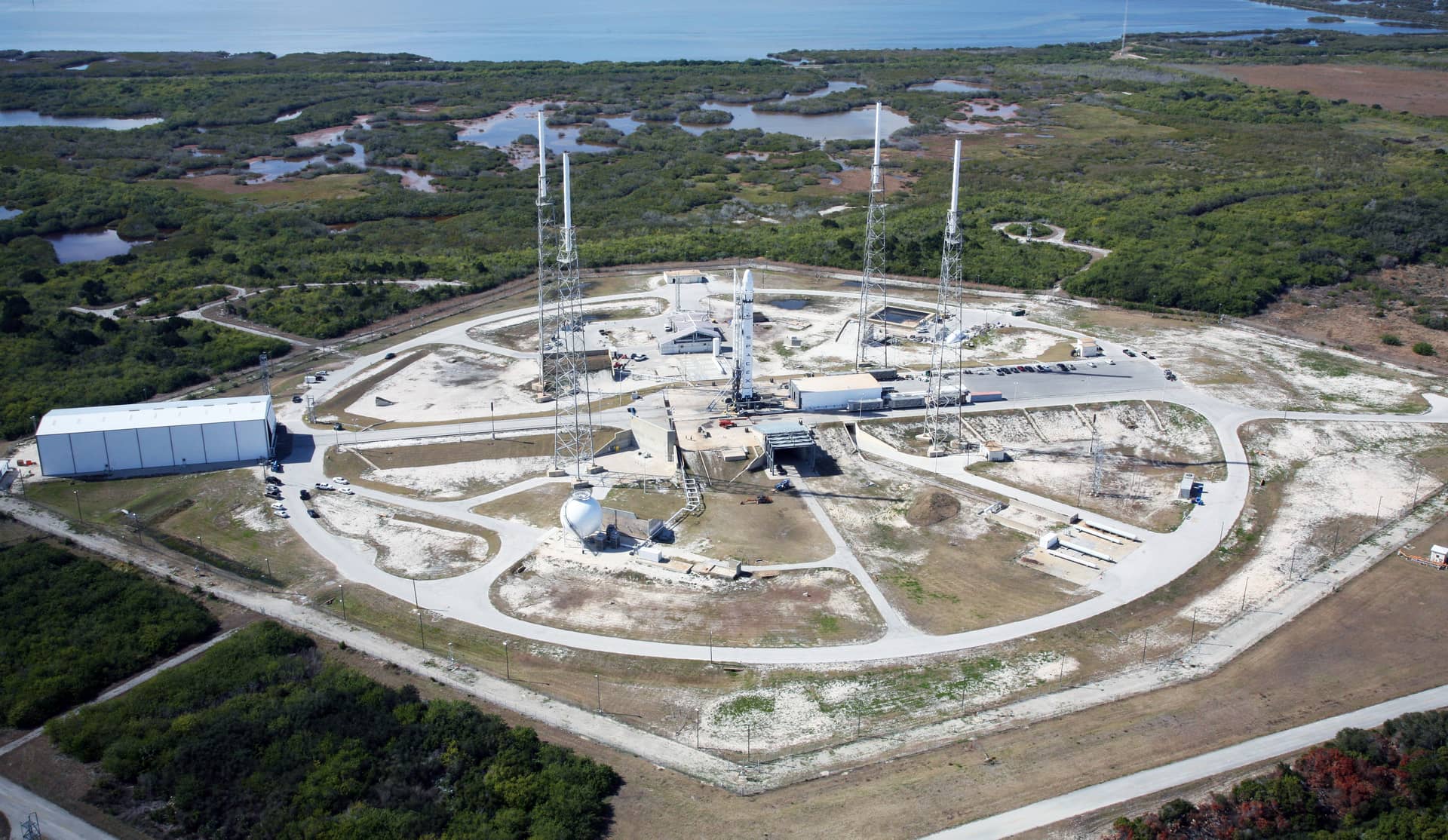
The future of the Everglades immigration detention facility known as Alligator Alcatraz has grown murkier, with reports of an imminent closure colliding with a federal statement that operations are continuing as usual. The conflicting signals have left the fate of one of Florida's most controversial and expensive state projects uncertain, even as cost estimates climb toward roughly 1 billion dollars and legal and humanitarian disputes continue to swirl around the site.
The conflicting reports
According to reports, companies hired by the state of Florida to operate the facility were notified that it is being shut down, with the remaining detainees expected to be removed in the coming weeks and the last detainee anticipated to leave in June. Those reports described a winding-down process, with vendors told that the population would be cleared and the site eventually dismantled.
Yet the picture is far from settled. The U.S. Department of Homeland Security said in a statement that daily operations at the facility continue as usual, directly complicating the closure narrative. Adding to the uncertainty, there had been no official confirmation of an upcoming closure from Florida Governor Ron DeSantis or his office, leaving the public to reconcile competing accounts from different levels of government.
The result is a confusing standoff in which closure appears to be underway according to some sources while federal officials insist nothing has changed. The discrepancy may reflect genuine disagreement, the gap between planning and execution, or the difficulty of coordinating a facility that involves both state operation and federal immigration enforcement. For now, the only certainty is that the facility's status is contested.
Part of the confusion stems from the unusual arrangement under which the facility operates. A site run by the state but used for federal immigration purposes sits at a seam between two layers of government, and statements issued by one do not necessarily reflect decisions made by the other. A notification to vendors about winding down operations could be moving through state channels even as federal officials, speaking to their own mandate, describe day-to-day activity that has not yet stopped. The two accounts can both be technically accurate while pointing toward very different conclusions about the site's future.
The timing of the conflicting messages has only deepened the uncertainty. Closure of a detention facility is not an instantaneous event but a process that unfolds over weeks, involving the transfer of detainees, the unwinding of contracts, and the eventual dismantling of physical infrastructure. A facility can be both operating and closing at the same moment, which helps explain how observers can receive opposite impressions depending on which part of the process they are watching. Without a single authoritative account, the public is left to weigh competing narratives that may each capture a piece of the truth.
The cost that drove the debate
Central to the closure reports is the facility's staggering price tag. The cost of operating Alligator Alcatraz has been estimated at nearly 1 billion dollars, a figure that has fueled criticism of the project from the start. Reports indicated that in the months following the initial request to build the facility, the state incurred hundreds of millions of dollars in additional operating costs.
The expense has made the facility a political flashpoint. Critics have seized on the cost as evidence of fiscal mismanagement, and the spending featured prominently in the launch of at least one statewide campaign, with a candidate for chief financial officer pointing to roughly a million dollars a day in costs, no-bid contracts, and a lack of accountability. The financial dimension has arguably become as central to the controversy as the immigration policy behind it.
If the facility is indeed closing, the cost is widely understood to be a primary driver. Operating a detention center in the remote Everglades, with all the logistical challenges that entails, has proven enormously expensive, and the mounting bill created pressure to reconsider the project regardless of the policy goals it was meant to serve. The economics of the site have become difficult to defend.
The remote setting compounds nearly every expense. A facility deep in the wetlands must bring in power, water, food, and supplies over considerable distances, and the workforce needed to run it must be housed or transported to a location far from population centers. Each of those requirements adds a premium that a more conventional site would not carry, helping to explain how the daily operating cost reached the levels critics have highlighted. What might have been an ordinary detention budget elsewhere became an extraordinary one in the Everglades.
The way the contracts were structured has drawn its own scrutiny. The reliance on no-bid arrangements, raised by the campaign criticism, has prompted questions about whether the state secured competitive pricing or paid a premium for speed. Standing up a facility quickly, as the project appears to have done, often means forgoing the lengthy procurement processes that can hold down costs, a trade-off that may have accelerated construction at the expense of the bottom line. Those questions about value for money are likely to outlast the facility itself.
The legal and humanitarian disputes
The facility has been the subject of sustained legal battles. Courts have weighed multiple challenges, including litigation over environmental review and over access for attorneys and oversight. At various stages, an appellate court vacated a lower court order that had directed state officials to shut down and dismantle the facility, while separate litigation resulted in rulings requiring better access for detainees to their lawyers and confidential, unmonitored phone calls.
Conditions inside the facility have drawn intense criticism. Lawmakers who visited described detainees confined in cramped conditions and subjected to sweltering heat, insect infestations, and inadequate meals. Detainee accounts relayed through advocates and news organizations have described unsanitary and harsh conditions, painting a picture that civil rights groups have cited in their objections to the site.
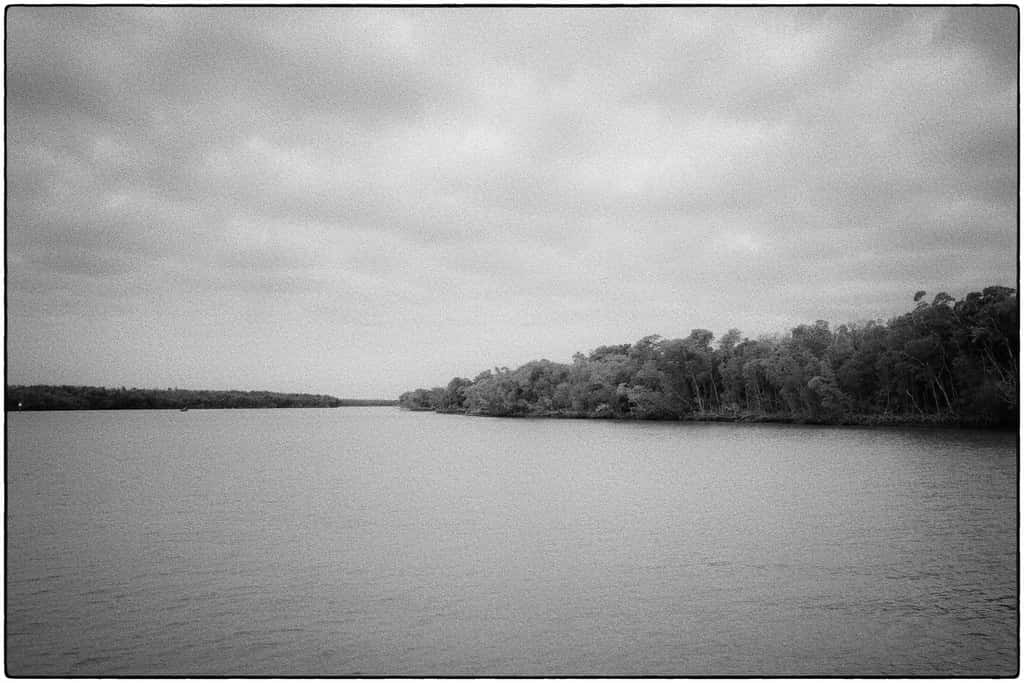
The location itself, in the middle of the Everglades, has been a focus of both environmental and humanitarian concern. Building and operating an immigration detention center in a sensitive and remote wetland raised questions about environmental impact and about the practicality and humanity of housing people in such an isolated and inhospitable setting. Those concerns have run alongside the legal fights throughout the facility's existence.
The litigation over attorney access touched on a fundamental feature of detention. The ability of detainees to consult lawyers in confidence is a basic safeguard, and the rulings requiring better access and unmonitored calls suggest courts found the initial arrangements wanting. In a facility as remote as this one, the practical barriers to legal representation are heightened, since attorneys must travel long distances and navigate the logistics of a site far from the courts and offices where immigration cases are typically handled. The legal challenges have repeatedly returned to that tension between the facility's isolation and the rights of those held there.
The environmental dimension carries its own weight in a state that has invested heavily in restoring and protecting the Everglades. The wetland is a fragile and celebrated ecosystem, and the prospect of a large detention operation in its midst struck many as at odds with decades of conservation effort. Litigation over environmental review reflected those stakes, raising the question of whether the proper studies and safeguards accompanied the decision to build. For a region defined by its natural landscape, the choice of location was always going to invite challenge.
The Florida and immigration context
Alligator Alcatraz emerged from Florida's aggressive posture on immigration enforcement, reflecting the state's effort to play a prominent role in detaining migrants as part of broader enforcement operations. The facility became a symbol of that approach, drawing national attention and turning a remote Everglades site into a focal point of the immigration debate.
The project sits at the intersection of state and federal authority over immigration, an area where Florida has sought to assert itself. The involvement of federal immigration enforcement alongside state operation of the facility is part of what makes the current conflicting signals so difficult to parse, as the closure question implicates both Tallahassee and Washington.
For Florida, the saga touches multiple concerns at once: immigration policy, state spending, environmental protection, and the treatment of people in custody. Each of those threads has its own constituency and its own stakes, and the facility's uncertain future leaves all of them watching closely. The outcome will carry implications for how Florida approaches immigration detention going forward.
What it means for Floridians
For Florida taxpayers, the central question is financial accountability. Whether the facility closes or continues, the roughly 1 billion dollar cost has already prompted scrutiny of how the money was spent and what oversight existed, questions that are likely to persist regardless of the site's fate. The spending has become a case study in the debate over state fiscal responsibility.
For immigration advocates and the detainees themselves, the conflicting signals create real uncertainty about what comes next. If the closure reports are accurate, the focus turns to where detainees would be transferred and under what conditions. If DHS is correct that operations continue, the legal and humanitarian disputes over conditions at the site remain live concerns.
For the broader public, the episode underscores the difficulty of obtaining clear information when state and federal officials offer competing accounts. The lack of definitive confirmation from the governor's office, combined with DHS insisting on business as usual and other reports describing a shutdown, leaves Floridians without a clear answer to a basic question about a major state project.
What's next
The immediate task is clarity. Observers will be watching for official confirmation, or denial, from the state of any closure plan, and for concrete evidence on the ground about whether detainees are being removed. The coming weeks, the period in which reports suggested the last detainee would depart, should reveal which account is accurate.
Beyond the question of closure, the legal challenges and the debate over the facility's enormous cost are likely to continue regardless of its operational status. The story of Alligator Alcatraz has become a lasting flashpoint in Florida politics, and its resolution, whenever it comes, will shape the conversation about immigration enforcement, state spending, and accountability in the state. For now, the only firm conclusion is that the facility's future remains genuinely unsettled.
Spotted an issue with this article?
Have something to say about this story?
Write a letter to the editor