DeSantis and Emergency Officials Urge Floridians to Finalize Hurricane Plans as Season Begins
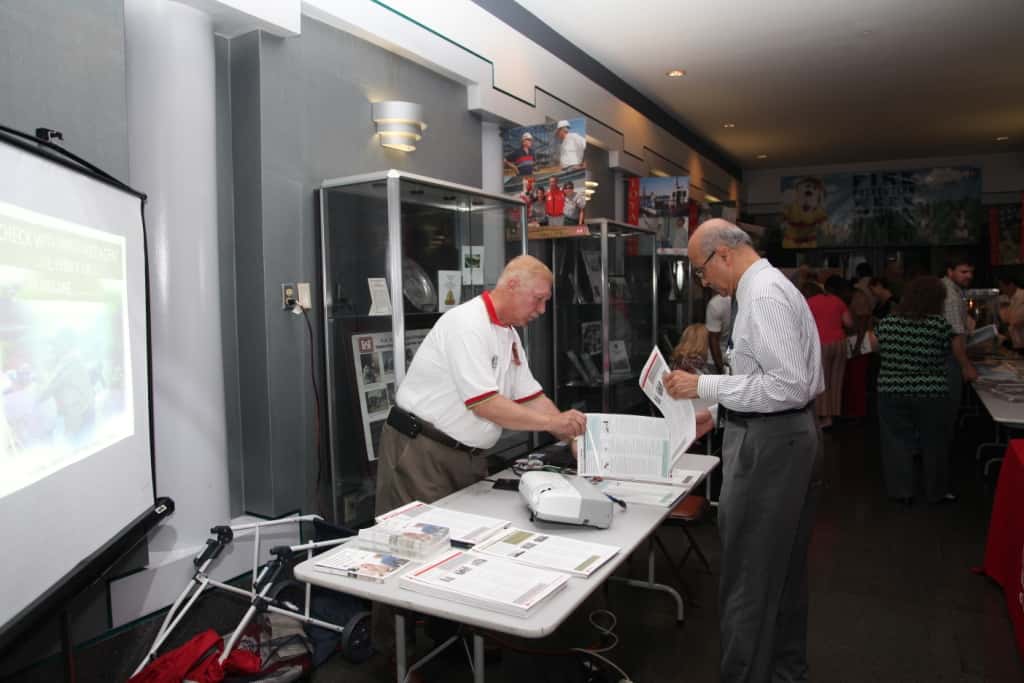
With the 2026 Atlantic hurricane season now underway, Governor Ron DeSantis and top state emergency officials are urging Floridians to finalize their family preparedness plans before the first major storm threatens the state. The push comes as forecasters monitor the Gulf for early-season tropical development and as residents settle into the six-month stretch that runs through November, the window during which Florida faces its annual risk of damaging wind, surge, and flooding.
DeSantis appeared alongside Florida Division of Emergency Management Executive Director Kevin Guthrie, Florida Department of Transportation Secretary Jared Perdue, and Florida National Guard leadership to deliver a unified message about readiness. The officials encouraged Floridians to have a plan in place for their families before disaster strikes their area, framing preparation as a shared responsibility between government agencies and individual households.
The early-season messaging reflects a hard lesson from recent years: the time to prepare is during the quiet stretches, not when a storm is bearing down. Stores sell out of water, plywood, and batteries within hours of a watch, fuel lines grow long, and evacuation routes clog once an order is issued, so officials stress the value of acting now while supplies are plentiful and the roads are clear.
The core preparedness message
State leaders emphasized that every Florida household should know its evacuation zone, maintain a stocked disaster supply kit, and establish a communication plan for family members. Evacuation zones are assigned by county based on storm surge risk, and they are not the same as flood zones, a distinction that trips up many residents who assume the two are interchangeable and may misjudge whether they need to leave.
A basic supply kit should include several days of water and nonperishable food, medications, flashlights, batteries, a battery-powered or hand-crank radio, important documents, and cash, since power outages can disable ATMs and card readers. Officials note that residents with medical needs, infants, elderly relatives, or pets must plan for those specific requirements in advance, because specialty items can be the first to vanish from store shelves in a rush.
Transportation officials highlighted the importance of keeping vehicles fueled and knowing evacuation routes before they are needed. The Department of Transportation coordinates traffic management during large evacuations, including the use of road shoulders and adjusted signal timing, but those measures work best when residents leave early and follow official guidance rather than waiting until the last possible moment to flee.
The role of state agencies
The Florida Division of Emergency Management serves as the state's coordinating hub during disasters, working with all 67 counties to position resources, manage shelters, and request federal assistance when the scale of an event exceeds state capacity. Its early-season outreach is designed to make sure local emergency managers and residents are aligned before activity ramps up, so that the response machinery is ready to engage the moment a threat materializes.
The Florida National Guard plays a central role in storm response, providing high-water rescue, debris clearance, security, and logistics support in hard-hit areas. Guard leaders use the pre-season window to stage equipment, pre-position high-clearance vehicles and aircraft, and confirm readiness so units can deploy quickly once a storm makes landfall and local resources are overwhelmed.
Transportation crews, utility partners, and law enforcement round out the state's response network. Officials stressed that coordination among these agencies, combined with prepared residents, is what allows communities to recover faster after a damaging storm, shortening the time families spend without power, clean water, or access to their neighborhoods.
What households should do now
Emergency managers recommend that families take concrete steps in the calm of early June rather than postponing until a threat appears. That means looking up their evacuation zone on their county website, assembling or refreshing a supply kit, and reviewing insurance coverage, including flood insurance, which is typically separate from standard homeowners policies and often requires a waiting period of around 30 days before it takes effect.
Residents are also encouraged to photograph their property and important documents, store digital copies securely in the cloud, and identify a place to go if an evacuation order is issued. Knowing whether to shelter with family or friends inland or to use a designated public shelter can save critical time and reduce stress when a storm approaches and decisions must be made quickly.
Florida has periodically offered sales tax holidays on disaster preparedness supplies, allowing residents to buy batteries, generators, tarps, coolers, and other items free of sales tax. Households should watch for and take advantage of any such window to stock up affordably ahead of peak season, spreading the cost of preparation over time rather than facing it all at once during an emergency.
Lessons from recent seasons
Florida's recent hurricane history underscores why preparation matters so much. Powerful storms in recent years have caused billions of dollars in damage, displaced thousands of families, and strained the property insurance market to the point of crisis. Each event has reinforced the value of early evacuation, robust supply planning, and realistic expectations about how long recovery can take.
Officials note that the deadliest threats often come from water rather than wind, including storm surge along the coast and inland flooding from heavy rain far from the point of landfall. Understanding that risk helps residents make better decisions about whether and when to evacuate, since a home built to withstand wind may still sit in a surge zone that becomes deadly during a major storm.
Power outages are another recurring challenge, and state leaders encourage residents to plan for extended periods without electricity, especially in the punishing summer heat. That planning includes safe generator use, which carries serious carbon monoxide risks if a unit is operated indoors, in a garage, or too close to a home's windows and doors, a hazard that claims lives after nearly every major storm.
Help for vulnerable residents
Special attention is warranted for Florida's large population of older adults and people with disabilities, who may face greater obstacles during a storm. Many counties maintain special needs shelter registries for residents who depend on electricity for medical equipment or who require assistance evacuating, and officials urge eligible residents to sign up well before a storm threatens.
Families with elderly relatives are encouraged to check on their plans, ensure they have an adequate supply of medications, and arrange transportation in advance if an evacuation becomes necessary. Neighbors can play a vital role by looking out for those who live alone or lack the means to prepare or leave on their own.
Pet owners should remember that not all shelters accept animals, so identifying pet-friendly shelters or making boarding arrangements ahead of time is essential. Leaving pets behind during an evacuation puts both the animals and any first responders who later attempt rescues at risk.
Building a financial and digital safety net
Preparedness extends beyond water and batteries to the financial and digital records that families need after a disaster. Emergency managers recommend keeping copies of insurance policies, identification, medical records, and property documents in a waterproof container and as encrypted digital files stored in the cloud, so they remain accessible even if a home is damaged or a phone is lost. Photographing or recording video of a home's contents before a storm can also speed insurance claims later.
Cash matters more than many residents expect. Widespread power outages can disable card readers and ATMs for days, leaving cash as the only reliable way to buy fuel, food, and supplies in the immediate aftermath of a storm. Officials suggest keeping a modest amount of small bills on hand as part of any preparedness kit, alongside a list of important phone numbers in case mobile devices lose power or service.
Families should also agree in advance on how they will communicate and where they will reunite if separated. Cell networks often become congested or fail during and after major storms, so designating an out-of-state contact whom everyone can text, and identifying a meeting place, gives households a fallback when normal communication breaks down. Text messages frequently get through when calls will not, a useful detail to share with every family member.
Special considerations for renters and mobile homes
Renters are sometimes overlooked in hurricane planning, but they face real risks and have their own steps to take. Renters insurance, which is generally inexpensive, can cover personal belongings damaged in a storm, since a landlord's policy typically protects only the building itself. Renters should also confirm their evacuation zone and understand their lease's provisions for storm damage and displacement.
Residents of manufactured and mobile homes face heightened danger, because such structures are far more vulnerable to wind damage than site-built homes. Emergency officials consistently urge people in mobile homes to evacuate when an order is issued, regardless of the storm's projected strength, rather than attempting to shelter in place. Identifying a sturdier place to go well before a storm threatens is a critical part of any mobile-home resident's plan.
Across all housing types, the common thread is acting early. Those who prepare their documents, supplies, and plans during the calm stretches of the season give themselves options, while those who wait until a storm is named often find shelves empty, gas stations crowded, and decisions far harder to make under pressure.
What is next
State agencies will continue their preparedness campaigns throughout the early summer, with messaging intensifying whenever the tropics show signs of activity. Floridians can expect regular updates from the Division of Emergency Management and county officials as the season progresses, along with detailed guidance whenever a specific system threatens any part of the state.
The immediate forecast focus is the Gulf, where forecasters are watching for possible early-season development that could bring heavy rain to the peninsula. That situation offers a timely and concrete reason for residents to put the state's preparedness advice into practice now, rather than treating hurricane readiness as an abstract task to be handled later in the summer.
The overarching message from DeSantis and emergency leaders is simple and consistent: build your plan, stock your kit, know your zone, and stay informed through official channels. Floridians who act early give themselves and their families the best chance of staying safe and recovering quickly through whatever the 2026 season ultimately brings.
Spotted an issue with this article?
Have something to say about this story?
Write us a letterComments
No comments yet. Be the first to weigh in.
Related Coverage

Storm-Force Low Off Southeast Coast Has 40% Chance to Turn Subtropical as Florida Coast Faces Tidal Flooding, Rough Surf
2d ago
Strong fall cold front brings Florida Saturday rain, cooler air and dangerous surf this weekend
5d ago
Hurricane Center Gives Atlantic Low Near Cabo Verde a 20% Chance as Florida Gets a Break After Isaias
Oct 12

Tallahassee and the Big Bend Escape Isaias' Worst, With Downed Trees, Brief Outages and Rising Rivers to Watch
Oct 9