DeSantis Says 'Alligator Alcatraz' Immigration Detention Center Has Closed After Year of Controversy
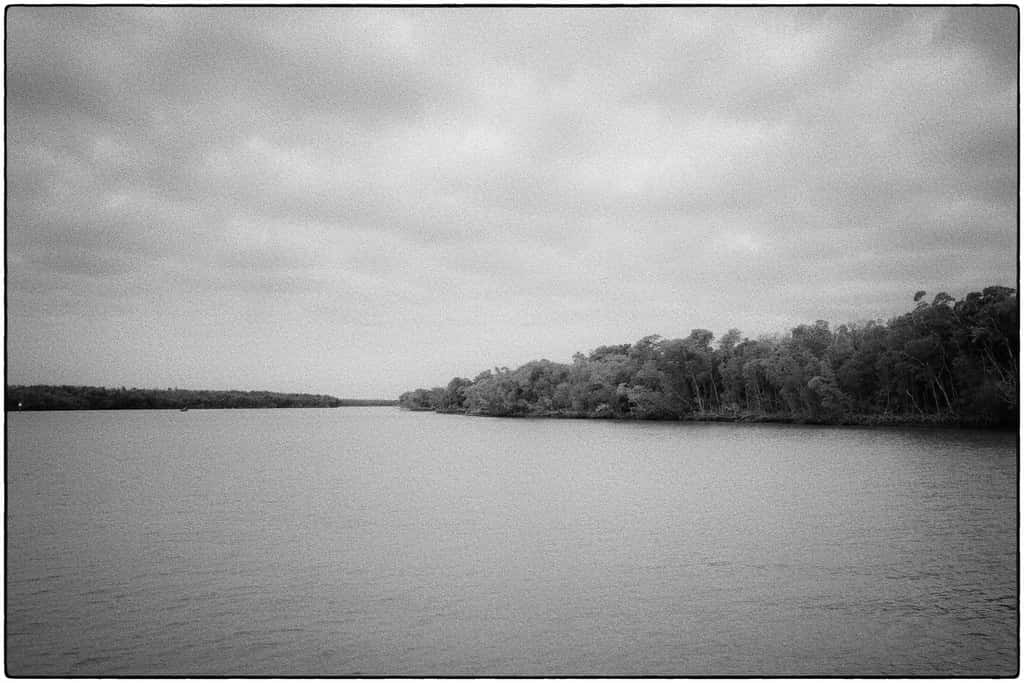
Governor Ron DeSantis has announced the closure of the controversial Everglades immigration detention center widely known as Alligator Alcatraz, drawing a close to one of the most contentious chapters in Florida's aggressive posture on immigration enforcement. The governor said the facility had closed, marking the end of a roughly year-long experiment that drew national attention, multiple lawsuits and persistent complaints about conditions inside the remote camp.
The closure caps a saga that began when the state stood up the facility in a matter of days during the previous hurricane season, building a complex of tents and trailers deep in the Everglades to detain immigrants. From its inception the site became a lightning rod, celebrated by supporters as a tough symbol of enforcement and condemned by critics as inhumane, and its shutdown brings to an end a project that defined Florida's role in the broader national immigration debate.
The facility's short history illustrated the degree to which immigration enforcement had become not just a federal matter but a state-level political project, with governors and legislatures competing to demonstrate toughness on the issue. Florida, under DeSantis, placed itself at the vanguard of that movement, and Alligator Alcatraz was arguably its most visible expression. The closure now gives both supporters and opponents an opportunity to claim a version of vindication.
The announcement
DeSantis announced the closure during a press conference, framing the facility's life cycle as part of the state's enforcement strategy. The announcement came after reports that detainees were being transferred out of the camp to other federal immigration detention facilities ahead of hurricane season, a logistical reality for a site located in one of the most flood-prone and storm-exposed parts of the state.
According to the governor, the facility processed a substantial number of people during its operation, with the administration citing that roughly 21,000 individuals were deported through the site. The figure reflects the scale of the operation that the state mounted at the remote location, which became a centerpiece of Florida's effort to position itself at the forefront of immigration enforcement.
The timing of the announcement, coming as the Atlantic hurricane season gets underway, underscored the practical constraints that shaped the facility's operation from the start. Officials had long acknowledged that the camp would need to be vacated before major storms threatened the region, and the transfer of detainees to other facilities appears to have proceeded as a planned seasonal transition rather than an abrupt or emergency closure. Whether the facility could have been reopened in a future non-hurricane period remained an open question as of the announcement.
How the facility came to be
Alligator Alcatraz was constructed with unusual speed, erected in a matter of days during the prior summer at a site in the Everglades. The name, which evoked the famed island prison and the alligator-filled wetlands surrounding the camp, captured the facility's intended image as a forbidding and inescapable place of detention. The state built it as part of a push to expand capacity for holding immigrants amid a national enforcement surge.
The location itself became part of the controversy. Situating a detention facility in the heart of the Everglades raised environmental concerns and questions about the suitability of the remote, storm-prone site for housing people. Those concerns fed into the legal challenges that dogged the facility throughout its existence, with opponents arguing on multiple fronts that the camp should not operate.
The rapid construction timeline also raised questions about whether appropriate planning and review processes had been followed. Critics argued that the speed of the build was itself evidence that the state had bypassed the kind of deliberate process that large-scale infrastructure projects, particularly those sited in sensitive ecosystems, typically require. Supporters countered that the urgency of the enforcement moment demanded a fast response and that the state had acted within its authority.
In addition to the environmental setting, the choice of a tent-and-trailer configuration rather than permanent structures contributed to both the facility's speed of construction and the concerns about living conditions inside. Temporary structures in a subtropical wetland environment present challenges around heat, humidity, insects and sanitation that permanent facilities are designed to address, and those challenges became central to the criticism of the camp.
Legal battles over conditions and access
The facility faced a barrage of legal challenges. A federal court granted a preliminary injunction requiring that immigration authorities and the state's emergency management agency provide detainees with access to legal counsel, after detainees and advocates reported severe difficulty reaching lawyers. Access to counsel is a fundamental component of due process, and the court's order reflected concerns that the remote camp was effectively cutting detainees off from legal representation.
Separately, a legal fight over environmental review reached an appeals court, which earlier in the year allowed the facility to remain open, rejecting arguments that it needed to comply with federal environmental law before operating. That ruling kept the camp running over the objections of environmental groups and others who sought to shut it down, illustrating the layered legal disputes that surrounded the site from multiple directions.
The access-to-counsel issue attracted particular attention from civil liberties organizations, which argued that the facility's remote location was not incidental but served as a structural barrier to legal representation. Immigration proceedings can have life-altering consequences, and the ability to consult with an attorney is considered essential to a fair process. Courts reviewing the claims found sufficient merit to order improved access, a significant rebuke to how the facility was initially operated. The legal record built up over the facility's operation may have implications for future detention facilities that states or the federal government seek to establish in similarly remote locations.
Allegations about conditions
Throughout its operation, the facility drew disturbing accounts of conditions inside. Detainees described difficulty accessing lawyers and recounted poor physical conditions, including problems with food, sanitation and the pervasive presence of insects in the wetland environment. The accounts fueled outrage among immigrant advocates and lawmakers, who pointed to the camp as evidence of an enforcement approach that sacrificed basic standards.
State officials defended the facility as a necessary and lawful component of immigration enforcement, and the camp retained strong support among those who favor aggressive measures. The sharp divide over conditions mirrored the broader national polarization on immigration, with the facility serving as a vivid symbol for both sides of the debate.
Accounts from detainees and their legal representatives described a facility where the physical environment compounded the psychological stress of detention. The heat and humidity characteristic of the Everglades, combined with the isolation of the site, created conditions that medical and legal professionals argued were inappropriate for extended detention. These concerns were not peripheral to the legal challenges but formed a core part of the arguments made in court and before the public throughout the facility's operation.
The Florida stakes
Immigration enforcement has been a defining issue in Florida, a state with a large immigrant population, deep ties to Latin America and the Caribbean, and a political leadership that has embraced a hard line. The state's willingness to build and operate its own detention facility placed it at the leading edge of the national enforcement push and made Florida a focal point in the politics of immigration.
The closure does not signal a retreat from that broader posture. Detainees were transferred to other federal facilities rather than released, and the state's enforcement priorities remain intact. But the shutdown of the camp that became the most visible symbol of Florida's approach removes a flashpoint that had generated continuous litigation, protest and national coverage, even as the underlying debate over immigration continues unabated.
Florida's role in immigration enforcement has evolved considerably in recent years, with the state legislature passing laws that expand state and local law enforcement's involvement in immigration matters. The creation and operation of Alligator Alcatraz fit within that broader legislative and executive agenda. Even as the facility closes, the legal infrastructure and political will that produced it remain in place, meaning that new initiatives along similar lines are possible as the national debate continues to develop.
Broader context: state-led immigration enforcement
Florida was not the only state to take an aggressive posture on immigration enforcement, but it was among the most prominent. The creation of a dedicated detention facility represented a step beyond most state-level immigration efforts, which typically focus on cooperation with federal authorities rather than the direct construction and management of detention infrastructure. That distinction made Alligator Alcatraz unusual even within the landscape of state immigration enforcement measures.
The experience of the facility will likely inform future debates about the proper role of states in immigration enforcement. Those who supported it will point to the processing numbers cited by the administration as evidence that state-led detention can be effective. Critics will point to the court orders, the accounts of poor conditions and the environmental objections as evidence that such facilities require more rigorous oversight and planning than the state applied. Both sets of lessons will circulate as other states consider whether to follow Florida's example.
Federal immigration authorities played a central role throughout the facility's operation, as the broader enforcement infrastructure depends on cooperation between state and federal actors. The transfers of detainees to federal facilities at the time of closure illustrate that dynamic, with the state's role ending as the federal system absorbed the population that had been held at the Everglades camp.
Reaction and fallout
The facility's closure was welcomed by immigrant advocates and civil liberties groups that had fought it in court and in public, viewing the shutdown as vindication of their concerns about conditions and due process. For supporters of strict enforcement, the camp had served its purpose as a deterrent and a processing point, and its closure was framed as a planned conclusion rather than a defeat.
The competing interpretations ensure that the facility will remain a reference point in Florida's immigration politics long after its physical closure. Its brief, turbulent existence encapsulated the fierce disagreements over how the state and nation should handle immigration, and its legacy will be debated as the broader policy fights continue.
What's next
With the camp closed, attention shifts to where its former detainees are held and how Florida's immigration enforcement evolves from here. The transfers to other federal facilities mean the people detained at the site remain in custody elsewhere, and the legal questions raised by their treatment may continue to play out in the courts even after the facility itself is gone.
The broader trajectory of immigration enforcement in Florida and nationally remains unsettled, shaped by federal policy, court rulings and political priorities. Alligator Alcatraz is closing, but the forces that produced it, including the intense national focus on immigration and Florida's prominent role in that fight, show no sign of fading as the debate moves into its next phase.
Spotted an issue with this article?
Have something to say about this story?
Write a letter to the editor