ICE Seeks Hundreds of New Detention Beds in South Florida as Enforcement Capacity Tightens
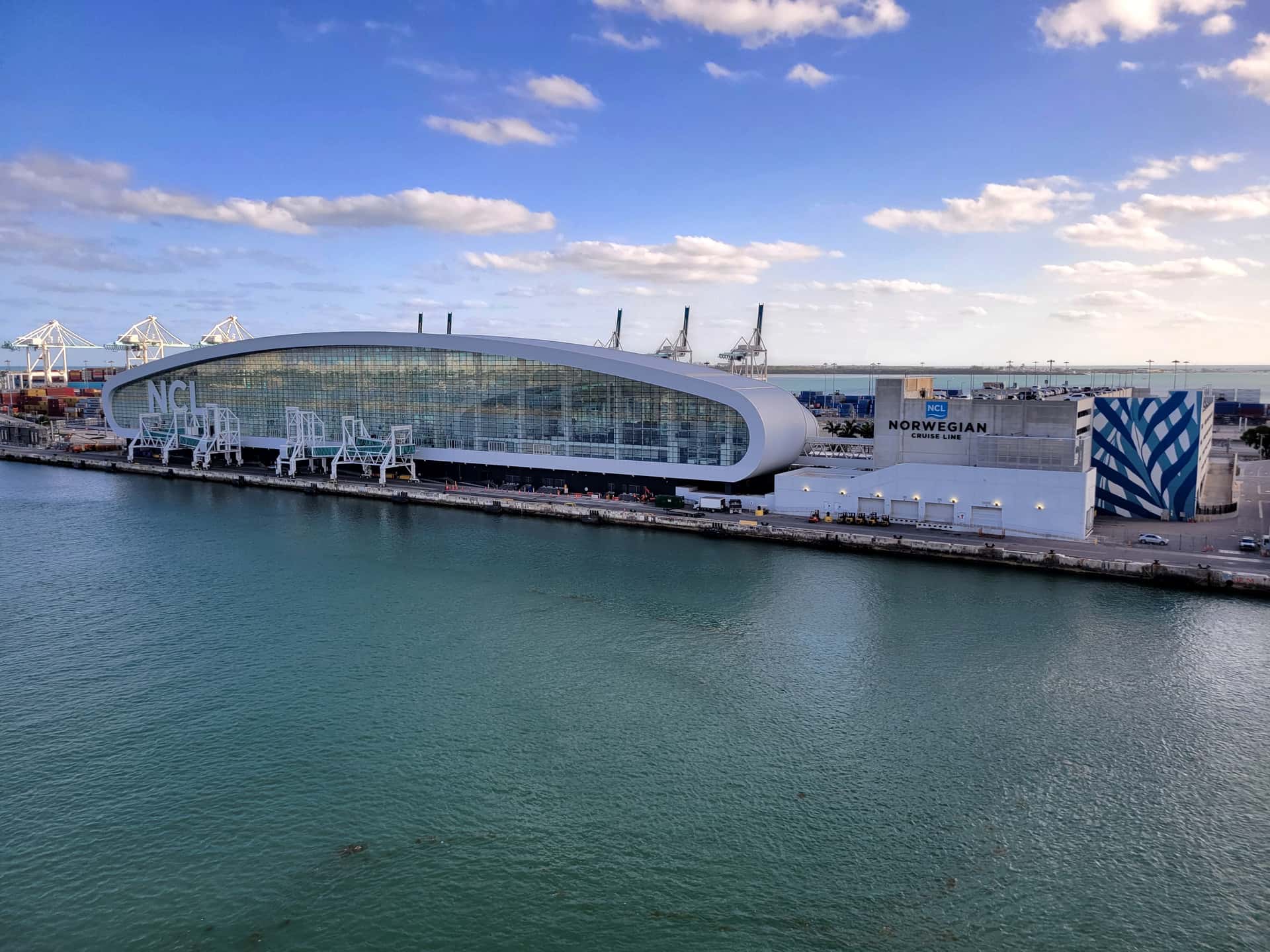
United States Immigration and Customs Enforcement is searching for detention capacity in South Florida, seeking a turnkey facility with at least 700 beds located within 50 driving miles of its Miami Field Office, according to federal records reported in late July. The search reflects sustained pressure on detention capacity in a state that has become one of the most active immigration enforcement environments in the country.
The Miami ICE office, which oversees Florida, Puerto Rico, and the United States Virgin Islands, has recorded more than 41,000 detentions since January 2025, including nearly 9,880 in the early months of 2026. Statewide, more than 20,600 immigration-related arrests were logged in Florida during a recent twelve-month period.
The scale of that activity, and the infrastructure required to support it, has made immigration enforcement one of the most consequential federal policy areas operating in Florida.
What the records show
The search described in the records is for a turnkey facility, meaning a site already built and equipped to function as a detention center rather than one requiring construction. The 50-mile radius from the Miami Field Office reflects operational requirements, since detainees must be transported for court appearances, medical care, and removal processing.
Detention capacity is the binding constraint on immigration enforcement volume. Arrests can be made faster than detention space becomes available, and when capacity fills, agencies face choices among releasing individuals on supervision, transferring them to facilities in other states, or slowing enforcement.
Transfers carry their own consequences. A detainee moved from South Florida to a facility in another state is separated from family and from local counsel, which affects the ability to mount a defense in removal proceedings.
Florida's enforcement infrastructure
Florida stands out nationally for the breadth of state and local participation in federal immigration enforcement. The state has an unusually large number of agencies participating in the 287(g) program, which allows ICE to delegate certain immigration enforcement authorities to state and local officers.
Participation extends well beyond traditional law enforcement. At least 17 colleges and universities in Florida have agreements with ICE, alongside various state agencies. Those agencies alone have logged more than 800 immigration stops and arrests since August 2025.
The state has also operated its own detention facility in the Everglades, which has been the subject of extended federal litigation over whether it required environmental review before opening. The Eleventh Circuit ruled that the facility could continue operating, finding it was state-run rather than under federal control and therefore not subject to the federal environmental review requirement. Litigation in the district court continues on other claims.
Federal immigration officials transferred detainees out of that facility earlier this summer, citing hurricane season concerns.
Conditions and oversight
Detention conditions have generated persistent complaints. Detainees held at the Federal Detention Facility in Miami reported lacking air conditioning and access to drinking water.
In a Florida summer, air conditioning is not a comfort question. Heat index values in South Florida routinely exceed 100 degrees from June through September, and confined facilities without functioning cooling present genuine medical risk.
Federal detention facilities are subject to detention standards and to inspection regimes, though the adequacy and independence of those inspections has been a long-running subject of dispute among oversight bodies, advocacy organizations, and the agency.
Facilities operated under contract by private companies or by county jails housing federal detainees add complexity, since accountability runs through contractual arrangements rather than direct federal operation.
Why this matters for Florida
Florida's demographic composition makes immigration policy unusually consequential here. The state has one of the largest foreign-born populations in the country, with substantial communities from Cuba, Haiti, Venezuela, Nicaragua, Colombia, Mexico, and across the Caribbean and Latin America.
Many of these communities include mixed-status families, in which some members are citizens or lawful permanent residents and others are not. Enforcement action against one member affects the entire household, including United States citizen children.
The economic dimension is equally direct. Florida's agriculture, construction, hospitality, and landscaping industries have relied heavily on immigrant labor, and employers in those sectors have reported difficulty filling positions amid increased enforcement. The state's rising unemployment rate over the past two years has been attributed in part to labor supply effects in these industries alongside affordability pressures and slowing tourism.
The community response
Enforcement activity has changed daily behavior in affected communities in ways that extend beyond those directly at risk. Reports across Florida have described reduced attendance at medical appointments, school events, and community services among families concerned about exposure.
Public health officials and school administrators have expressed concern about these effects, since a household that avoids medical care or does not report a communicable illness creates risk beyond itself.
Legal aid organizations across Florida have reported demand for immigration representation exceeding their capacity substantially. Immigration proceedings are civil rather than criminal, which means there is no right to appointed counsel, and detained individuals without representation face significantly worse outcomes.
The political dimension
Immigration has been central to Florida politics for decades, though the alignment has shifted. The state's Cuban American community has historically supported policies favorable to Cuban migrants specifically while often backing broader enforcement, and Venezuelan and Nicaraguan communities have engaged intensively with questions of temporary protected status and humanitarian parole.
Those communities are politically significant in South Florida, and candidates in the August 18 primary and the November general election are navigating positions that account for their concerns.
Florida's congressional delegation includes members representing districts with large immigrant populations, and federal immigration policy runs through Congress in ways that make delegation positions consequential.
How immigration detention differs from criminal jail
A distinction that shapes everything about these facilities is frequently lost in public discussion: immigration detention is civil, not criminal.
Removal proceedings are administrative matters conducted in immigration courts, which sit within the Executive Office for Immigration Review at the Department of Justice rather than within the federal judiciary. Immigration judges are Justice Department employees rather than Article III judges appointed for life.
The civil classification carries specific consequences. There is no right to appointed counsel, meaning a person who cannot afford a lawyer proceeds without one. Studies of immigration court outcomes have consistently found that representation is among the strongest predictors of case results, and detained individuals without counsel fare substantially worse.
Detention in this context is not punishment. It is legally justified as ensuring appearance at proceedings and effecting removal, which is why detention decisions turn on flight risk and danger rather than on any finding of guilt.
Bond is available in many but not all cases, with certain categories subject to mandatory detention regardless of individual circumstances.
The immigration court backlog
Detention capacity interacts directly with the condition of the immigration court system, and that system has been operating under strain for years.
Case backlogs in immigration courts nationally have reached levels that produce multi-year waits between a case being filed and a merits hearing. A detained individual whose case cannot be heard promptly remains detained during that period, which is one reason detention populations grow independently of arrest rates.
Florida's immigration courts, including facilities in Miami and Orlando, carry substantial dockets. The judges hearing those cases handle volumes that far exceed what careful adjudication would suggest is feasible.
Detained dockets are generally prioritized over non-detained dockets precisely because detention is at stake, which means detained individuals move faster through the system than those released on supervision. Faster is relative, and cases still take months.
The backlog also affects legal representation. Attorneys handling immigration cases carry them for years, which limits how many clients any practitioner can serve and contributes to the representation shortage.
What employers and industries face
The labor market effects of sustained enforcement have registered across specific Florida industries in ways that show up in economic data.
Agriculture is the most exposed. Florida's specialty crop production, including citrus, tomatoes, strawberries, and nursery products, depends on hand harvesting that has historically relied on immigrant labor. Growers have reported difficulty securing crews, and unharvested crops represent total losses on that season's investment.
Construction faces similar pressure at a moment when Florida's housing shortage would benefit from expanded building capacity. Labor availability constrains how quickly projects complete, which affects both cost and delivery timelines.
Hospitality, which is central to Florida's economy, has reported staffing challenges in housekeeping, food service, and grounds maintenance.
The H-2A and H-2B visa programs provide a legal channel for seasonal labor, and Florida employers are among the heaviest users nationally. Employers describe the programs as expensive and administratively burdensome, and capacity under H-2B is capped well below demand.
Florida also enacted state-level employment verification requirements applying to employers above a defined size, adding a compliance obligation on top of the federal framework. Businesses have had to build processes to meet those requirements, and the administrative cost falls disproportionately on smaller operations without dedicated human resources staff.
Industry associations representing Florida agriculture, construction, and hospitality have consistently argued that enforcement policy and labor supply policy need to be addressed together, since restricting one without expanding legal channels in the other produces shortages rather than substitution. That argument has not resolved into federal legislation, and the practical consequences continue to be absorbed at the level of individual Florida businesses.
What's next
ICE's facility search will proceed through federal procurement processes, and any selected site would require contracting and preparation before receiving detainees.
Litigation over the Everglades facility continues in the Middle District of Florida following the Eleventh Circuit's ruling, with plaintiffs planning to pursue discovery and expand claims under the Endangered Species Act and the Clean Air Act.
For Florida, the trajectory is toward expanded detention capacity within the state rather than reliance on transfers elsewhere. What that means in practice for the communities affected, for the industries that depend on the labor in question, and for the state's economy will unfold over the coming year.
Spotted an issue with this article?
Have something to say about this story?
Write a letter to the editor