Florida Condo Values Keep Sliding as Reserve Rules and Assessments Reshape the Market
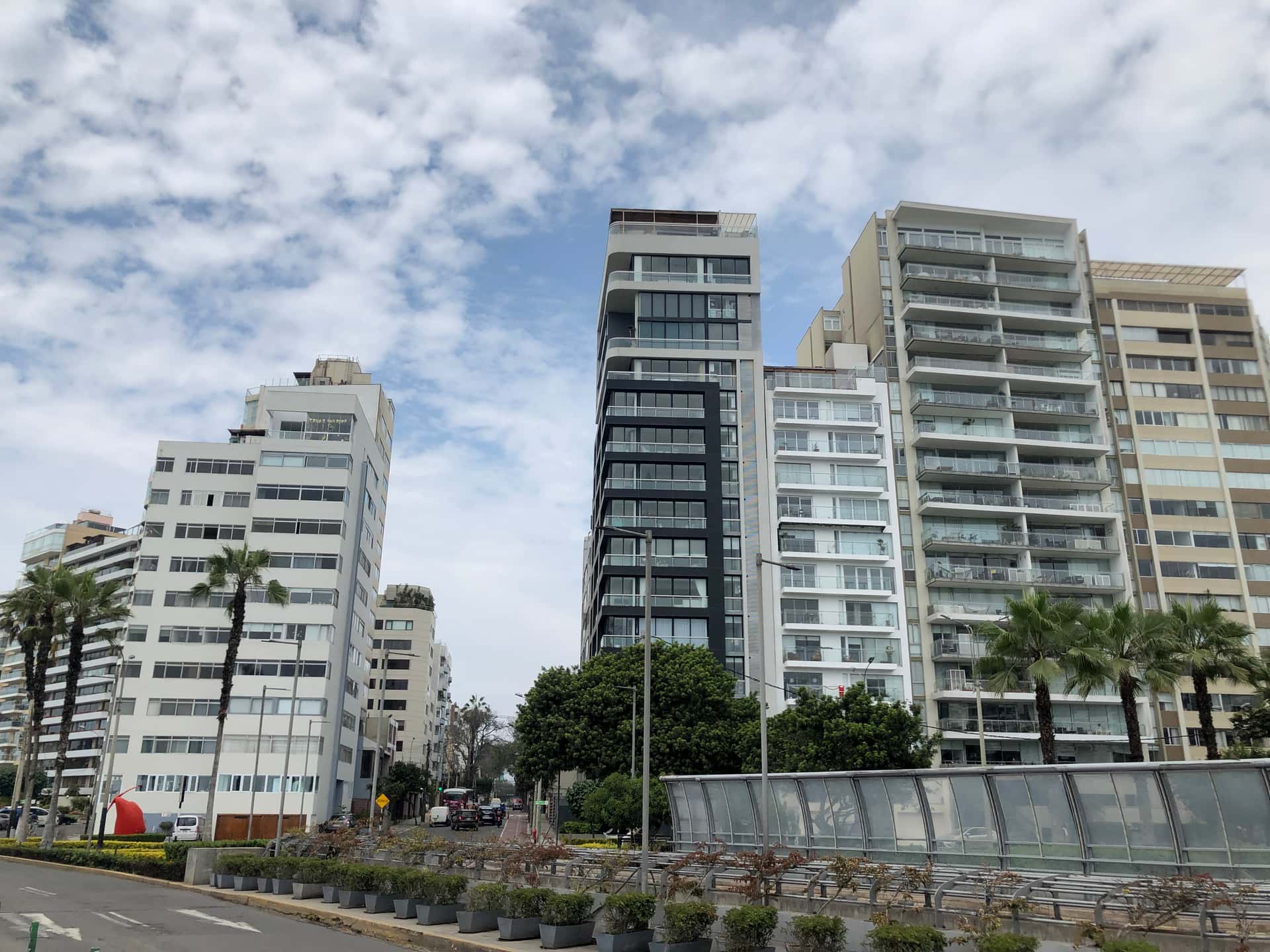
Florida's condominium market has continued to diverge sharply from the state's single-family housing market through 2026, with condo values falling statewide while detached homes have held roughly flat. Market analyses published this year describe statewide condominium values down close to 10 percent, a decline driven less by mortgage rates than by a structural change in what it costs to own a unit.
The primary force is the reserve funding and inspection regime Florida adopted after the 2021 Surfside collapse. Associations governing buildings three stories or taller and 30 years or older face milestone structural inspection requirements and rules that limit their ability to waive reserve funding for major building components.
The financial consequence has been a wave of special assessments across the state. Reported assessment amounts have ranged widely, from roughly $10,000 per unit in smaller or better-funded buildings to well over $100,000 per unit in older coastal properties requiring significant structural work.
How the rules changed
Before the post-Surfside reforms, Florida condominium associations could vote to waive or reduce reserve funding for structural components, a practice that kept monthly dues low while deferring the cost of eventual repairs. Many associations did exactly that for years.
The reforms closed that option for the components covered by structural integrity reserve studies. Associations must now fund reserves for items such as roof, load-bearing walls, floor, foundation, fireproofing, plumbing, electrical systems, waterproofing and windows, based on a professional reserve study.
Separately, the milestone inspection requirement obligates qualifying buildings to undergo structural inspections by a licensed engineer or architect at defined ages, with follow-up requirements when an inspection identifies substantial structural deterioration.
The combined effect is that decades of deferred maintenance costs became payable within a compressed window. Associations that had waived reserves for years faced the largest catch-up obligations, and those obligations landed on current owners regardless of how long they had held their units.
The insurance and financing squeeze
Reserve requirements arrived alongside a hard property insurance market. Association master policies covering building structures saw premium increases that in many cases doubled or more over several years, and those costs flow directly into monthly assessments.
Financing availability has become its own constraint. More than 1,400 Florida condominium buildings have been placed on Fannie Mae's list of projects ineligible for conventional financing, according to industry reporting. A building on that list cannot be financed with a conforming loan, which removes most buyers who require a mortgage.
When conventional financing is unavailable, the remaining buyer pool narrows to cash purchasers and portfolio lenders willing to hold nonconforming loans. That contraction in demand is a significant part of why condominium prices have fallen more than single-family prices even in the same neighborhoods.
Sellers in affected buildings frequently face a compounding problem. A pending special assessment reduces what a buyer will pay, and financing ineligibility reduces how many buyers exist at any price.
What it means for Florida owners
For current owners, the immediate question is what their association has actually funded and what remains outstanding. Florida law entitles unit owners to association financial records, reserve studies and milestone inspection reports, and those documents are the authoritative basis for assessing exposure rather than informal estimates.
Owners on fixed incomes have been among the hardest hit. Retirees who purchased units decades ago in older coastal buildings may hold substantial nominal equity while lacking the liquidity to pay a six-figure assessment, a situation that has forced sales in some buildings.
Some associations have arranged financing so that assessments can be paid over time through increased monthly dues rather than as a lump sum. That approach spreads the cost but raises the carrying charges a prospective buyer must underwrite, which affects resale value in a different way.
Owners considering a sale should understand that Florida law requires disclosure of pending assessments to buyers, and that the association's financial condition will surface during any buyer's due diligence regardless.
What it means for buyers
Buyers in the current market have leverage they lacked a few years ago, but the diligence burden is substantial. Before contracting, a buyer should obtain the association's reserve study, its most recent milestone inspection report if the building qualifies, its budget and financial statements, and minutes from recent board meetings where assessments were discussed.
The distinction between a building that has completed its inspections and funded its reserves and one that has not is now the single largest determinant of value in the Florida condominium market. A fully funded building carries higher monthly dues but far less risk of a sudden assessment.
Financing eligibility should be confirmed early. A lender can determine whether a specific project is eligible for conventional financing before a buyer invests in inspections and appraisals.
Buyers should also evaluate insurance separately from the association's master policy. Unit owner policies covering interior improvements and personal property are priced independently, and coverage terms vary by building and location.
Local impact across the state
South Florida carries the largest concentration of affected inventory. Miami-Dade, Broward and Palm Beach counties contain a substantial share of Florida's older coastal high-rise stock, precisely the buildings the milestone inspection rules target.
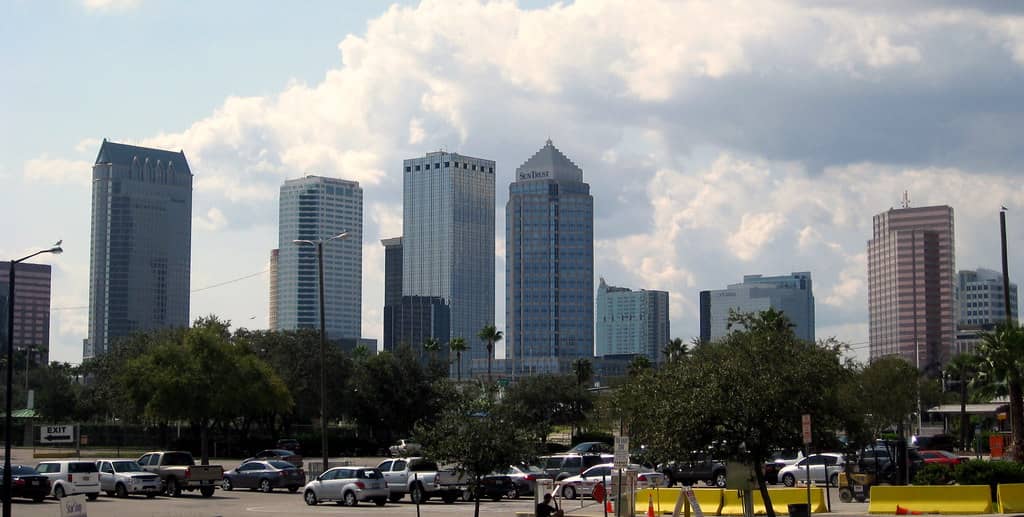
The Tampa Bay region has significant exposure as well, particularly in Pinellas County beach communities where mid-century and 1970s-era buildings sit directly on the coast and face both structural and insurance pressure.
Southwest Florida markets including Fort Myers Beach, Naples and Marco Island are working through storm damage from recent hurricane seasons layered on top of the reserve requirements, a combination that has been especially difficult for older buildings.
Newer condominium construction across the state has been comparatively insulated. Buildings under 30 years old fall outside the milestone inspection age threshold and generally have shorter deferred maintenance backlogs, and their values have held up better.
What a structural integrity reserve study covers
The reserve study is the document that converts a building's physical condition into a funding obligation, which makes it the single most important record for any owner or buyer to understand.
A qualified professional inspects the covered components, estimates their remaining useful life and replacement cost, and calculates the annual funding required so that money is available when replacement becomes necessary. The covered items are specified by statute and include roof, structure, fireproofing, plumbing, electrical, waterproofing and exterior painting, and windows.
The resulting number is not discretionary in the way pre-reform reserve budgeting was. An association with a roof nearing the end of its life and no accumulated reserves faces a large annual funding requirement, and that requirement appears in the budget as increased assessments.
Buildings that maintained reserves responsibly for years face comparatively modest adjustments. The associations facing the largest increases are precisely those that used the waiver provisions most aggressively, which means the reform's burden falls unevenly across otherwise similar buildings.
The milestone inspection process
Milestone inspections proceed in phases. A phase one inspection is a visual examination by a licensed engineer or architect. If that inspection identifies signs of substantial structural deterioration, a phase two inspection follows, involving destructive or non-destructive testing to determine the extent of the problem.
A phase two finding of substantial structural deterioration triggers repair obligations and reporting requirements to the local building official. It also removes any remaining ability to defer reserve funding for the affected components.
The inspection reports are records owners are entitled to obtain, and associations must provide summaries to unit owners. For a prospective buyer, the phase one report and any phase two follow-up are the clearest available evidence of a building's physical condition.
Local building officials in Florida's coastal counties have handled a substantial volume of these reports, and the recertification programs that existed in Miami-Dade and Broward counties before the statewide requirement gave those jurisdictions more experience with the process than most.
How associations are financing the work
Associations facing large obligations have several funding paths, and the choice affects owners differently depending on their circumstances.
A lump sum special assessment collects the full amount from owners on a defined schedule. It resolves the obligation quickly and keeps ongoing dues lower, but it requires owners to produce substantial cash on short notice.
Association loans spread the cost over years, with debt service collected through increased monthly dues. This approach eases the immediate burden but raises carrying costs, which affects what buyers will pay and how lenders underwrite units in the building.
Phased assessments split the work and the cost into stages, allowing associations to address the most urgent components first. The tradeoff is that construction costs generally rise over time, so deferred phases often cost more than initially estimated.
Owners generally have no ability to opt out of any of these. Assessments are enforceable obligations, and associations can place liens on units and pursue foreclosure for nonpayment, which is why the financial exposure is genuine rather than theoretical.
The insurance layer
Condominium insurance operates on two levels that owners frequently confuse, and both have been under pressure.
The association's master policy covers the building structure and common elements, and its premium is funded through regular assessments. Master policy premiums in Florida rose sharply during the hard market, and those increases flowed directly into monthly dues.
Unit owner policies cover interior improvements, personal property and liability. These are purchased individually and priced separately, and the division of responsibility between the two policies is set by the association's governing documents and by statute.
Underinsurance at the association level creates risk for every owner. If a master policy's limits fall short of rebuilding costs after a loss, the shortfall becomes an assessment obligation shared across all units.
Buyers evaluating a building should review the master policy limits and deductibles alongside the reserve study, since the two together describe the building's total financial exposure to both routine deterioration and catastrophic loss.
What's next
The Florida Legislature has revisited condominium law repeatedly since 2022, adjusting timelines and providing some flexibility in how associations fund reserves. Further legislative attention is likely given the scale of the constituency affected, and the subject has surfaced in the 2026 campaign.
Market absorption is the other variable. As buildings complete inspections and fund reserves, the uncertainty discount attached to them should narrow. Analysts have suggested the market may find a floor once a larger share of the affected inventory has worked through the process.
Broader forecasts have projected South Florida home sales declining by roughly seven percent in 2026, with the condominium segment accounting for a disproportionate share of that softness.
Owners, buyers and researchers should rely on association records, county property appraiser data and filings with the Florida Department of Business and Professional Regulation, which regulates condominium associations, for authoritative information on specific buildings.
Spotted an issue with this article?
Have something to say about this story?
Write a letter to the editor