Detainees Removed From Everglades 'Alligator Alcatraz' as Environmental Lawsuit Returns to Court
The federal government has removed all detainees from the Everglades immigration detention center known as Alligator Alcatraz, a significant development in the contentious saga surrounding the facility built in the heart of one of America's most fragile ecosystems. The transfer of detainees comes as an environmental legal challenge over the site returns to court, intensifying scrutiny of a project that has drawn national attention.
Officials cited concerns related to the start of the Atlantic hurricane season among the reasons for moving detainees out of the remote Everglades facility. The site, capable of holding thousands of detainees, sits in a flood-prone wilderness, raising questions about its suitability and resilience during severe weather. The Atlantic hurricane season runs through the warmer months of the year, a period when South Florida regularly faces the threat of tropical storms and heavy rainfall, and the timing of the transfer aligned with the onset of that seasonal risk.
The combination of the detainee removal and the renewed legal fight marks a pivotal moment for a facility that has become a flashpoint in the national immigration debate and a symbol of the tension between enforcement and environmental protection. For Florida, the controversy plays out in the Everglades, a landscape central to the state's identity and ecology. The site sits at the intersection of two issues that command sustained public attention, immigration policy and the stewardship of a treasured natural area, which has kept it in the spotlight since its establishment.
The detainees are moved
The Department of Homeland Security transferred all immigrant detainees out of the Everglades facility, emptying a center that had been at the core of the federal and state push to expand detention capacity. The move drew attention given the facility's prominence in the immigration enforcement landscape. As one of the more visible symbols of efforts to increase the number of available detention beds, the site had attracted scrutiny from supporters and critics alike, making the decision to clear it a development of broad interest.
Among the reasons cited for the transfer were concerns tied to the onset of hurricane season, a period when the low-lying, flood-prone Everglades faces heightened risk from tropical weather. Housing detainees in such a location during the season raised obvious safety and logistical questions. A remote site in a wetland presents challenges for evacuation, supply, and the protection of those held there should a major storm approach, considerations that factor into the operation of any facility in the region.
The removal does not necessarily signal a permanent closure, and the facility's long-term future remains uncertain amid the litigation and political dynamics surrounding it. But emptying the site represents a notable shift after the facility's rapid and controversial establishment. The speed with which the center was built and brought into use had itself been a point of debate, and the decision to move detainees out adds another chapter to a project that has moved quickly through phases of construction, operation, and now uncertainty.
The legal challenge
Environmental groups, including Friends of the Everglades and the Center for Biological Diversity, have pursued legal action against the facility, and that challenge is returning to court. The lawsuits have focused on the environmental harm the groups say the facility causes in a sensitive and protected landscape. The organizations involved have long histories of advocacy on behalf of the Everglades and other natural areas, and their involvement signaled the seriousness with which conservation interests have approached the matter.
Central to the litigation are concerns about pollution from the diesel generators and equipment used to power the remote facility. The groups have argued that the continuously running generators emit pollutants and that the project proceeded without adequate environmental review and permitting. Because the site lies far from established infrastructure, it relied on equipment to supply power and support operations, and the plaintiffs have pointed to that machinery as a source of emissions in an area they contend should be shielded from such activity.
The plaintiffs originally sued over the facility and have pressed to return to the trial court to stop what they describe as ongoing harm and to force remediation. The renewed court fight ensures that the environmental questions surrounding the site remain front and center even as the detainee population has been removed. The legal process is poised to examine whether proper procedures were followed and what obligations, if any, exist to address conditions at the site, questions that persist regardless of whether detainees are present.
The Florida and Everglades context
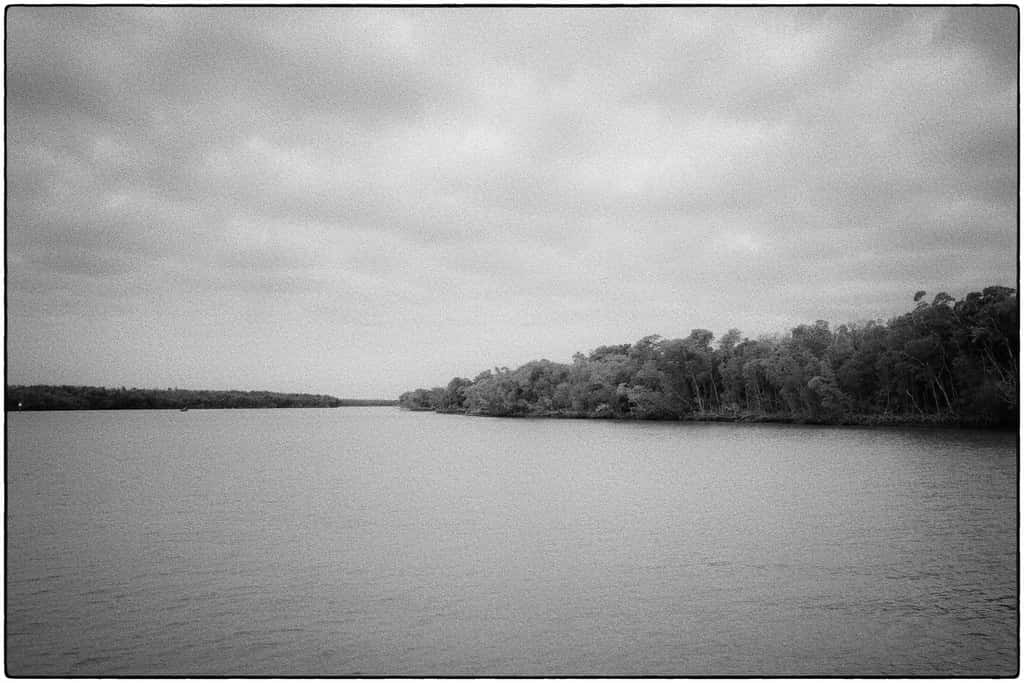
The Everglades is one of the most significant ecosystems in the United States, a vast wetland that is the subject of a multibillion-dollar restoration effort and a touchstone of Florida's environmental identity. Building and operating a large detention facility in that landscape stirred immediate concern among conservationists and many residents. The wetland supports a wide array of wildlife and plays a role in the region's water systems, which is part of why activity within it tends to draw close attention.
Florida has invested heavily in Everglades restoration over decades, making the placement of an industrial-scale facility in the wilderness especially contentious. The juxtaposition of immigration enforcement infrastructure with a globally recognized natural treasure has fueled the intensity of the debate. The restoration effort represents one of the largest environmental undertakings in the country, and the introduction of a major facility into that setting raised questions for those focused on protecting the area.
The facility also became entangled in the broader politics of immigration, involving both state and federal authorities in a high-profile effort to expand detention capacity. That political dimension has amplified the attention the site receives and the stakes of the legal and environmental disputes surrounding it. The involvement of multiple levels of government in the project placed it within a larger national conversation, ensuring that developments at the site carried significance beyond the immediate location.
What it means for Florida
For Floridians, the controversy touches on deeply held concerns about the Everglades and the state's environmental future. The outcome of the litigation could influence how and whether such facilities can be built in sensitive areas, with implications beyond this single site. A resolution in the courts may establish reference points for how environmental review applies to projects in protected landscapes, a question of interest to residents and officials across the state.
The episode also reflects Florida's central role in national immigration policy, with the state positioned at the forefront of efforts related to enforcement. The Everglades facility became a vivid example of those efforts, drawing the state into the national spotlight on immigration. As one of the most prominent installations associated with the expansion of detention capacity, the site placed Florida at the center of a discussion that extends across the country.
Environmental advocates view the detainee removal as a moment to press their case, while the broader questions about the facility's future and the harm it may have caused remain unresolved. How the courts and authorities proceed will shape the legacy of the project in Florida. The coming period will determine whether the site is remembered as a short-lived experiment, a lasting fixture, or something in between, and the answer will carry weight for both environmental and immigration policy in the state.
The environmental concerns
The environmental groups challenging the facility have emphasized the impact of its operations on air quality and the surrounding ecosystem. The generators powering the remote site have been a focus, with critics arguing they release pollutants in a protected wilderness. The reliance on such equipment in an area without conventional utility connections placed the question of emissions at the center of the environmental case.
Beyond air quality, the construction and operation of a large facility in the Everglades raised concerns about the broader footprint on the landscape, including potential effects on water and wildlife. The plaintiffs have sought not only to halt the harm but to require remediation of any damage done. Wetlands are sensitive to disturbances in water flow and quality, and the introduction of a sizable facility prompted questions about how its presence might ripple through the surrounding environment.
These concerns intersect with the ongoing effort to restore and protect the Everglades, an undertaking that has drawn support from many Floridians across the political spectrum. The facility's presence in that context made it a focal point for those who view the wetland as irreplaceable. The juxtaposition of a long-running restoration effort with a new facility in the same landscape sharpened the debate over what activity is appropriate within the area.
The facility's place in a wider debate
The Everglades site emerged amid a broader national push to increase detention capacity, a goal that has prompted the use of various locations and arrangements around the country. The choice of a remote wetland for such a facility set this project apart and contributed to the attention it received. Decisions about where to site detention infrastructure involve considerations of cost, capacity, and logistics, and the unusual location of this center placed those tradeoffs in stark relief.
The case also illustrates how environmental law can intersect with immigration policy, two areas that often operate on separate tracks but converged in this instance. The questions raised by the litigation, concerning review, permitting, and potential harm, are familiar features of environmental disputes, applied here to a facility built for an enforcement purpose. That intersection has made the case a point of reference for observers tracking both fields.
For the public, the saga offers a window into how competing priorities are weighed when a project touches multiple high-profile issues at once. The facility's trajectory, from rapid establishment to the removal of detainees and an active court challenge, reflects the difficulty of reconciling enforcement objectives with environmental safeguards in a setting as sensitive as the Everglades.
What's next
The environmental legal challenge returning to court will be a key venue for resolving the disputes over the facility, with the potential to shape its future and address the alleged harm. The proceedings will draw continued attention from advocates, officials, and the public. The court's handling of the case may clarify the obligations surrounding the site and influence the path forward for the project.
The facility's ultimate fate, whether it is permanently closed, repurposed, or eventually reactivated, remains uncertain amid the litigation and shifting circumstances. The detainee removal has changed the immediate situation, but the underlying questions persist. Decisions in the months ahead will determine whether the site sees further use or moves toward a different outcome.
For Florida, the saga underscores the enduring tension between enforcement priorities and environmental protection in a state defined in part by the Everglades. The coming court proceedings and decisions will determine how that tension is resolved in this high-profile case. The outcome will be watched closely by those on multiple sides of the debate, each attentive to what the resolution signals for similar questions that may arise elsewhere in the state and the country.
Spotted an issue with this article?
Have something to say about this story?
Write a letter to the editor