DeSantis Fills South Florida Benches in Latest Round of Judicial Appointments
Governor Ron DeSantis has named a half dozen appointees to Florida trial court benches, with a concentration of picks in South Florida that includes elevating two sitting Miami-Dade County Court judges to the 11th Judicial Circuit. The appointments continue a pattern that has reshaped Florida's judiciary over nearly eight years in office.
Christopher Green, who has served as a Miami-Dade County Court judge since DeSantis appointed him to that post in 2023, was tapped for the 11th Judicial Circuit. Alicia Priovolos, also of Miami and likewise a Miami-Dade County Court judge since 2023, will join the circuit bench alongside him.
The round also extended beyond South Florida. Andrew King of Tallahassee was selected for the Second Judicial Circuit Court, James Chandler of Naples was appointed to the 20th Judicial Circuit Court, and Kristan Burns of Punta Gorda was named to the Lee County Court.
How Florida judicial appointments work
Florida fills trial court vacancies through a merit selection process. When a seat opens between elections, a judicial nominating commission for the relevant circuit or county reviews applications, conducts interviews and submits a list of nominees to the governor. The governor must appoint from that list.
Each of Florida's 20 judicial circuits has its own nominating commission, composed of nine members. Four are appointed directly by the governor, and the remaining five are appointed by the governor from lists submitted by The Florida Bar's Board of Governors. That structure gives the governor substantial influence over the composition of the commissions themselves.
Appointed judges subsequently stand for retention or election depending on the level of the court. Circuit and county judges in Florida run in nonpartisan elections, and appointees typically face voters at the next scheduled election cycle for that seat.
The cumulative effect over a two-term governorship is significant. Trial court seats turn over regularly through retirement, elevation and the creation of new judgeships by the Legislature, and a governor who serves a full eight years will typically appoint a substantial share of the sitting trial bench.
The 11th Judicial Circuit
The 11th Judicial Circuit covers Miami-Dade County and is the largest circuit in Florida by caseload. It handles felony criminal cases, civil litigation above the county court jurisdictional threshold, family law, probate and juvenile matters for a county of roughly 2.7 million residents.
Elevating county court judges to the circuit bench is a common path in Florida. County courts handle misdemeanors, traffic matters, small claims and civil cases under a statutory dollar threshold, and service there gives judges courtroom management experience before they take on the more complex docket of a circuit court.
Both Green and Priovolos were appointed to their county court seats by DeSantis in 2023, meaning the governor is elevating judges he previously placed on the bench. That pattern is not unusual, and prior appointment gives a governor a documented record of a judge's performance to evaluate.
The 11th Circuit's civil division in particular has been under sustained caseload pressure, and additional circuit judges affect case assignment and scheduling across divisions.
The other appointments
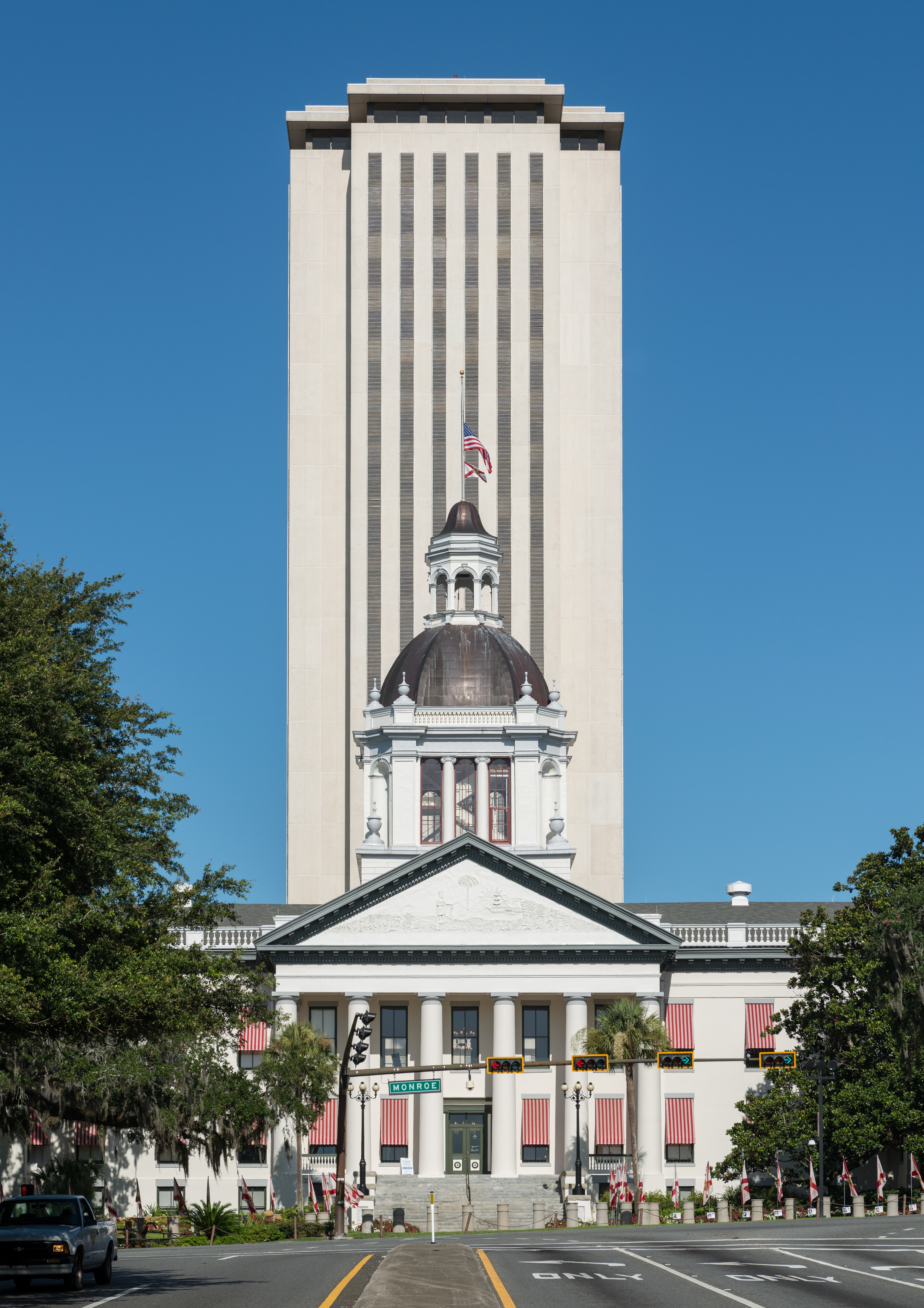
Andrew King's appointment to the Second Judicial Circuit places him on a bench covering Leon County and five surrounding counties in the Big Bend region. Because Tallahassee is the state capital, the Second Circuit handles a distinctive share of litigation involving state agencies, constitutional challenges to state law and administrative matters.
James Chandler will serve in the 20th Judicial Circuit, which covers Southwest Florida including Lee, Collier, Charlotte, Hendry and Glades counties. That region has absorbed rapid population growth and significant post-hurricane litigation over the past several years, including property insurance disputes and construction defect claims.
Kristan Burns joins the Lee County Court, a county-level bench in one of Florida's fastest-growing counties. Lee County's population growth has driven caseload increases across both the county and circuit courts, and the Legislature has periodically certified the need for additional judgeships in high-growth circuits.
The geographic spread of the round, from Miami to Tallahassee to Southwest Florida, reflects the routine reality that vacancies arise across the state and are filled as nominating commissions complete their work rather than on a coordinated schedule.
What it means for Floridians
Trial court judges make the decisions that most directly affect Floridians who interact with the court system. Circuit judges preside over felony trials, divorce and custody proceedings, foreclosure cases, probate administration and civil disputes ranging from insurance claims to commercial litigation.
In Florida, property insurance litigation has been a defining category of civil caseload for the better part of a decade, and legislative changes to attorney fee provisions and litigation timelines have shifted both the volume and the character of those cases. Judges in high-growth and hurricane-exposed circuits handle a disproportionate share.
Criminal defendants, crime victims and the State Attorney offices that prosecute cases all operate within the scheduling and management decisions individual judges make. Docket practices vary meaningfully between judges and affect how quickly cases move.
For most residents, the practical significance is indirect but real: judicial appointments determine who will be on the ballot for retention or reelection, and appointed judges often run unopposed, meaning the appointment is frequently the decisive selection event.
Local impact across the state
Miami-Dade County sees the largest direct effect from this round, with two additions to the circuit bench. The county's court system operates across multiple facilities and divisions, and judicial assignments are made internally by the chief judge based on need.
Leon County and the surrounding Big Bend counties gain a judge on a circuit whose docket includes a significant volume of state government litigation, giving the Second Circuit an outsized role relative to its population in shaping how Florida statutes are first tested.
Southwest Florida receives two appointments between the 20th Circuit and the Lee County Court. That region's court system has been managing elevated caseloads tied to population growth and to the lingering civil litigation from the 2022 and 2024 hurricane seasons.
Charlotte County, where new Lee County Court appointee Kristan Burns is based, sits in the same rapidly growing corridor along the Southwest Florida coast that has seen substantial residential development and corresponding demand on court resources.
The structure of Florida's court system
Florida operates a four-tier court system. County courts handle misdemeanors, traffic infractions, small claims and civil cases below a statutory dollar threshold. Circuit courts handle felonies, larger civil cases, family law, probate and juvenile matters, and they hear appeals from county courts.
Above the trial courts sit six District Courts of Appeal, which handle most appeals as a matter of right, and the Florida Supreme Court, whose jurisdiction is largely discretionary except in defined categories including death penalty cases and certain constitutional questions.
The distinction between the trial and appellate tiers matters for how appointments affect outcomes. Trial judges apply law to facts in individual cases, while appellate judges shape the legal rules that trial courts must follow. A trial court appointment affects the cases in front of that judge; an appellate appointment affects every case in the district.
Florida's appellate judges and Supreme Court justices stand for merit retention rather than contested election, appearing on the ballot with a yes or no question on whether they should be retained. Trial judges, by contrast, run in contested nonpartisan elections.
The caseload pressure driving new judgeships
Florida's court system operates under sustained caseload pressure that tracks the state's population growth. The Florida Supreme Court certifies to the Legislature each year the number of additional judgeships needed based on weighted caseload analysis, and the Legislature decides whether to fund them.
That process has produced a persistent gap. Certified need has frequently exceeded appropriated positions, which leaves existing judges managing larger dockets than the weighted caseload methodology contemplates.
The composition of that caseload has shifted as well. Property insurance litigation dominated Florida civil dockets for much of the past decade, and legislative changes to attorney fee provisions and to assignment of benefits altered both the volume and the character of those cases rather than eliminating them.
Family law and dependency dockets carry their own pressures, with case volume tied to population and case complexity tied to social service capacity. Judges in those divisions handle emotionally demanding work with limited ability to defer decisions.
How judges reach the ballot
Florida trial judges run in nonpartisan elections, which means party affiliation does not appear beside their names on the ballot. That format was adopted on the theory that judicial selection should turn on qualifications rather than partisan identity.
In practice, the overwhelming majority of Florida trial judges run unopposed. Challenging a sitting judge requires a lawyer to campaign against someone before whom they may later appear, which is a substantial professional disincentive and one reason contested judicial races are rare.
The consequence is that gubernatorial appointment is frequently the decisive selection event for a judgeship. An appointee who faces no opposition at the next qualifying deadline simply continues in office, and voters never register a preference.
Judicial elections that are contested tend to attract low voter information. Ballot position, name familiarity and occasionally ethnic or gender cues have been shown to influence outcomes in races where voters have almost no substantive basis for choosing, which is a recurring criticism of the elective component of Florida's hybrid system.
What's next
New appointees are typically sworn in within weeks of announcement, with investiture ceremonies scheduled by the individual courts. Chief judges then assign the new judges to divisions based on current staffing and caseload needs.
Judicial nominating commissions across Florida continue to process applications for other open seats, and additional appointment announcements are routine throughout the year. Vacancies arise from retirements, elevations to appellate courts and the creation of new judgeships.
The Legislature certifies the need for new judgeships based on caseload data submitted through the Florida Supreme Court, and high-growth circuits including the 20th have periodically been identified as candidates for additional positions in that process.
Because the governor's term ends after the November election, this round falls within the final stretch of appointments DeSantis will make. His successor will inherit both the appointment power and the nominating commission structure that shapes the pool of candidates.
Spotted an issue with this article?
Have something to say about this story?
Write a letter to the editor