Eleventh Circuit Judicial Conference Convenes in Aventura
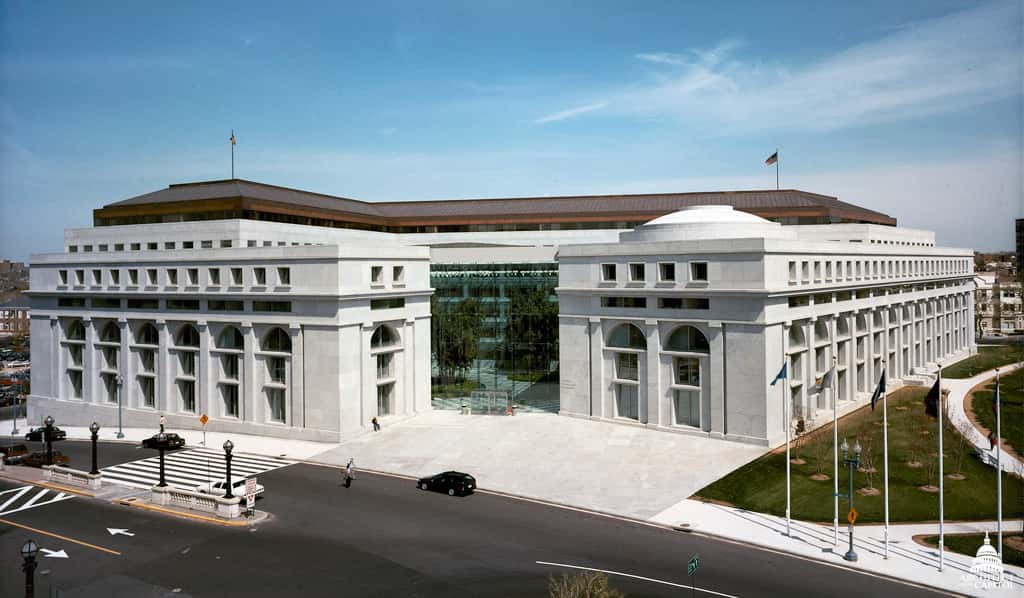
Federal judges from across the Eleventh Circuit gathered at the JW Marriott Miami Turnberry Resort in Aventura on May 13 and 14, 2026, for the 2026 Eleventh Circuit Judicial Conference. The two-day meeting brought together appellate judges and district judges from Alabama, Florida, and Georgia for an annual gathering that helps shape federal case law and procedure across the three-state circuit. Florida holds particular weight in the conference because the Eleventh Circuit hears every federal appeal originating in the state's three district courts, making the gathering a closely watched event for Florida lawyers, litigants, and businesses.
The conference is organized under federal statute, which requires each federal circuit to convene a judicial conference at intervals set by the chief judge. The Eleventh Circuit's conferences have historically rotated through cities across the three-state region, and the choice of Aventura placed the 2026 edition in South Florida, the most populous metropolitan area in the circuit and the home base for hundreds of federal litigators who appear before the court.
The gathering combined business meetings of circuit judges, programming for invited attorneys and court personnel, and committee sessions focused on judicial administration. Topics on past agendas have included procedural reform, technology in the courtroom, judicial wellness, and access to justice for self-represented litigants, all of which continue to shape the practical operation of the federal courts that serve Florida.
What the Eleventh Circuit does
The U.S. Court of Appeals for the Eleventh Circuit is the federal appellate court with jurisdiction over Alabama, Florida, and Georgia. It hears appeals from the federal district courts in those three states, including the U.S. District Court for the Northern District of Florida in Tallahassee, the Middle District of Florida in Orlando, Tampa, and Jacksonville, and the Southern District of Florida in Miami, Fort Lauderdale, and West Palm Beach. The circuit also handles appeals from certain federal administrative agency decisions.
The court sits in Atlanta but routinely hears oral arguments in cities across the circuit, including Miami and Jacksonville. Its decisions become binding precedent for all federal courts and federal agencies operating in the three-state region until the U.S. Supreme Court or the en banc circuit court rules otherwise. That precedential authority gives the Eleventh Circuit outsized influence over Florida case law on questions ranging from immigration and securities regulation to civil rights and federal sentencing.
The Eleventh Circuit was created in 1981 when Congress split the Fifth Circuit, separating the courts that handle appeals from Texas, Louisiana, and Mississippi from those that handle appeals from Alabama, Florida, and Georgia. The structural change reflected the rapid growth of federal court business in the southeastern United States, particularly in Florida, and the new circuit has remained one of the busiest in the federal system.
The court is led by a chief judge selected under federal statute, and its panels typically include three judges drawn from among the active and senior judges of the circuit. The court occasionally hears cases en banc, with the full active complement of judges participating, when the importance or complexity of an issue justifies the broader review. Those en banc decisions carry particular weight as binding precedent across the three-state region.
Why Florida sits at the center of the conference
Florida's three federal districts together handle the largest share of the Eleventh Circuit's docket. The Southern District of Florida, with courthouses in Miami, Fort Lauderdale, West Palm Beach, Fort Pierce, and Key West, is one of the most active federal district courts in the country. The Middle District covers a sprawling region from Jacksonville through Orlando and Tampa to Fort Myers and Naples. The Northern District covers the Panhandle from Pensacola to Tallahassee and Gainesville.
Federal cases originating in Florida span the full range of federal jurisdiction, including high-profile securities and white-collar prosecutions, immigration and asylum litigation, civil rights claims, intellectual property disputes, maritime and admiralty cases, and federal sentencing appeals. The Eleventh Circuit's rulings on those cases shape the legal environment that Florida businesses and residents operate within.
The Aventura location for the 2026 conference also reflects the geographic and demographic weight of South Florida in the circuit. Miami-Dade and Broward counties together account for a significant share of the federal litigation that flows through the Southern District, and the South Florida legal community has built deep expertise in federal practice areas that range from international commercial litigation to complex criminal defense.
Federal courthouses in Miami and Fort Lauderdale handle a steady stream of cases that touch international trade, narcotics interdiction, sanctions enforcement, securities fraud, and aviation regulation. That subject-matter mix is shaped by South Florida's role as a global commercial hub and as a primary entry point for U.S. trade with Latin America and the Caribbean, which in turn drives the kinds of appeals the Eleventh Circuit receives from the region.
What the conference covered
According to the Florida Bar's announcement of the conference, the program included court business sessions for circuit judges, committee work on judicial administration improvements, and substantive discussions about justice system efficiency. The conference typically combines closed business sessions with open programming for invited attorneys, judicial branch staff, and court personnel from across the three-state circuit.
Past Eleventh Circuit conferences have addressed topics including federal sentencing practices, technology adoption in the courtroom, mental health and judicial wellness, civil case management, and the operational mechanics of handling high-profile criminal trials. The 2026 program is expected to follow that general pattern, with sessions oriented toward improving the efficiency and consistency of federal judicial work across the three-state region.
The conference also serves as an opportunity for federal judges to consult with peers, exchange best practices on case management, and discuss the operational challenges that have emerged in the federal courts over the past year. The collegial dimension of the gathering, including formal and informal interactions among judges from different districts within the circuit, has long been considered a core function of the annual meeting.
Reactions from Florida legal community
The Florida Bar, which serves as the state's regulatory and professional body for attorneys, highlighted the conference in its publications. According to the Florida Bar's news coverage, the gathering provided opportunities for Florida lawyers and federal court personnel to engage with circuit-level judicial administration questions and to interact with judges from neighboring districts.
Florida federal courts associations, including chapters in the Southern, Middle, and Northern Districts, have historically supported the circuit conference as an opportunity for Florida-based attorneys to participate in the broader circuit-level conversation about federal judicial administration. Many Florida federal practitioners participate in conference programming as invited attendees, panelists, and committee members.
Federal court administrators in Florida have engaged with the conference around technology adoption, electronic filing improvements, and case management modernization. The federal courts have invested substantially in technology infrastructure over the past decade, and the conference provides a forum for sharing operational lessons across the three states served by the circuit.
Local Florida federal practitioners frequently attend the conference's open sessions to hear updates from the bench and to participate in continuing legal education programming. Several Florida-based law schools, including the University of Miami School of Law, the University of Florida Levin College of Law, and Florida State University College of Law, also send faculty representatives to circuit conferences, and law students occasionally participate as judicial extern observers.
Local impact in South Florida
For Aventura, the conference brought several hundred federal judges, court personnel, and invited attorneys to the JW Marriott Miami Turnberry Resort for two days. The host venue is one of the larger conference properties in northern Miami-Dade County and has experience supporting professional gatherings of this scale, including past circuit-related events and other major legal sector meetings.
The South Florida hospitality and legal services sector both benefit from hosting major federal judicial gatherings. Hotels, restaurants, and transportation services in the immediate vicinity see direct economic impact from a multi-day conference, and the broader legal community benefits from the visibility of South Florida as a hub for federal practice. Several South Florida law firms operate practice groups that focus specifically on Eleventh Circuit appellate work.
For the broader Miami-Dade legal ecosystem, the conference reinforced South Florida's role as a regional center for federal judicial administration. The Federal Building and U.S. Courthouse complex in downtown Miami serves as a focal point for federal practice in the region, and the conference gathered many of the judges who handle the appeals that flow upward from that courthouse and from the federal courthouses in Fort Lauderdale and West Palm Beach.
How circuit decisions reach Florida courtrooms
Decisions issued by Eleventh Circuit panels become binding precedent for federal district courts and federal agencies operating in Alabama, Florida, and Georgia. Florida federal judges in trial-level proceedings must follow Eleventh Circuit precedent on questions of federal law, which means that the circuit's case law directly shapes how federal civil and criminal cases proceed in courthouses across the state.
The Eleventh Circuit's docket includes a mix of routine appeals and high-profile matters that attract national attention. The court has addressed significant cases in recent years on questions including federal sentencing, securities fraud, immigration removal proceedings, public corruption prosecutions, and constitutional questions arising from state legislation. Florida cases account for a substantial share of those high-profile dockets.
Florida appellate practitioners frequently appear before the Eleventh Circuit on behalf of state and federal clients. South Florida's commercial and white-collar bar maintains particular depth in Eleventh Circuit appellate practice, given the volume of federal litigation that flows out of the Southern District of Florida and the regular oral argument calendars that the court holds in Miami.
What is next
The Eleventh Circuit conference is held on a recurring schedule under the framework provided by federal statute, and the 2027 edition will be planned by the circuit's leadership and conference committee in the months ahead. Locations for past conferences have rotated through cities across Alabama, Florida, and Georgia, reflecting the geographic reach of the court's jurisdiction.
The administrative and procedural conversations that emerged from the Aventura sessions are expected to feed into the operational planning of the federal courts across the three states. Committee recommendations, technology updates, and judicial administration initiatives discussed at the conference typically advance through the circuit's standing committees over the following months and may produce practical changes that lawyers and litigants encounter in federal courtrooms.
For Florida, the conference reinforces the state's central position within the Eleventh Circuit's footprint and underscores the practical reality that federal litigation in Florida operates within the framework of an appellate court that combines the state with Alabama and Georgia. That structural relationship will continue to shape how Florida federal cases proceed and how the federal judiciary serves the state's residents, businesses, and government institutions in the years ahead.
The South Florida hospitality sector that supported the Aventura conference is also expected to remain a favored destination for future federal judicial events. Northern Miami-Dade has hosted multiple federal-level legal gatherings in recent years, and the combination of accessible airport infrastructure, large conference venues, and a deep local legal community makes the region a natural choice for events that draw participants from across the three-state circuit and beyond.
Spotted an issue with this article?
Have something to say about this story?
Write us a letterComments
No comments yet. Be the first to weigh in.
Related Coverage

Isaias Shuts Pensacola and Okaloosa Airports as Airlines Waive Fees and Tolls Lift on Panhandle Bridges
7h ago

Ex-CIA official pleads guilty in $194 million fraud, will forfeit $102 million in Palm Beach and Hobe Sound real estate
8h ago

11th Circuit voids septic permit ban in Indian River Lagoon manatee case after federal 'harm' rule rollback
8h ago
Trump ties disaster aid to midterm campaign as Hurricane Isaias nears Florida Panhandle
1d ago