Epic Universe Marks One Year in Orlando, Reshaping the Theme Park Rivalry With Disney
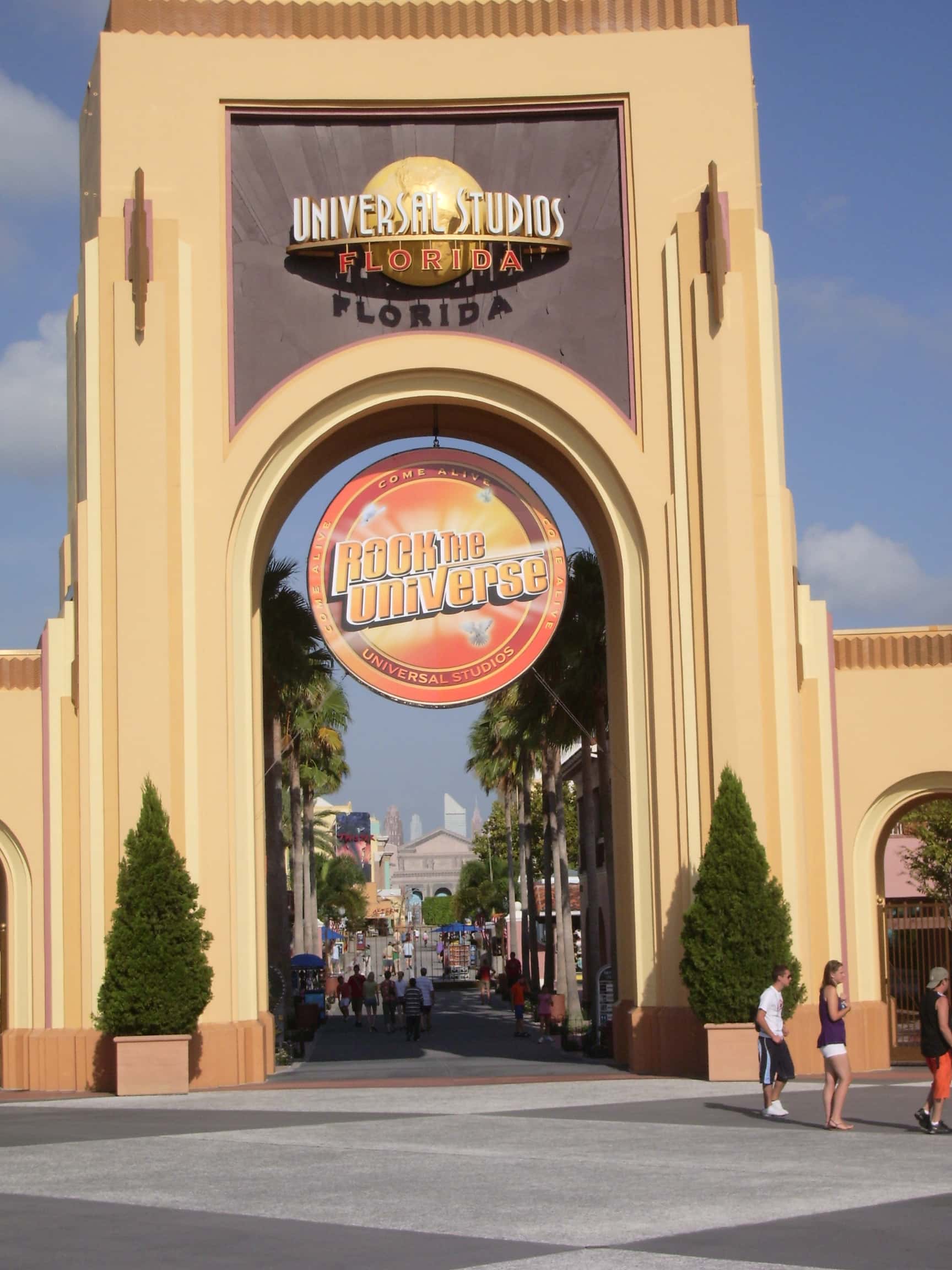
Universal's Epic Universe has completed its first full year of operation in Orlando, and by most measures the bet has paid off. The park drew an estimated 10 million visitors in its inaugural year, a figure that matched the optimistic projections analysts laid out before it opened. One year on, the most striking development may be the shift in tone from across town, where Walt Disney World now sounds far less worried about the competitive threat than it did when Epic Universe first opened its gates.
A milestone first year
Reaching roughly 10 million guests in a debut year is a substantial achievement for any theme park, and it validated the forecasts that accompanied Epic Universe's launch. The park reported its busiest single day early in the calendar year, with record wait times that underscored the intensity of demand during peak periods. For Universal, the numbers confirm that the resort has successfully expanded its footprint and its appeal in the most competitive theme park market in the world. Few new parks anywhere arrive to such pent-up anticipation, and fewer still convert that anticipation into sustained attendance across an entire year rather than a brief opening surge.
The park's arrival fundamentally changed Universal Orlando's standing. With Epic Universe added to its existing parks, the resort now operates a portfolio that rivals Disney in scale and ambition, transforming what had long been a market dominated by a single player into a genuine two-horse race. That structural shift is the real story behind the attendance figures. Where visitors once treated Universal as a one-day add-on to a longer Disney vacation, the expanded resort now makes a credible case for anchoring a multiday trip on its own, a change with significant consequences for hotel bookings, length of stay, and per-guest spending across the destination.
For Central Florida, the implications are significant. The region's economy is built heavily on tourism, and a successful new park means more visitors, more hotel nights, more restaurant traffic, and more jobs across the hospitality sector. A thriving Epic Universe strengthens the broader Orlando tourism engine rather than simply shuffling existing demand from one resort to another. The park also expanded the resort's employment base, adding thousands of positions ranging from ride operators and culinary staff to entertainers and technicians, and those jobs ripple outward into the housing, retail, and service economies of the surrounding communities.
Officials and industry observers say the broader test of any major park is not the opening crowds but the second-year curve, when novelty fades and a resort must rely on word of mouth, repeat visitation, and the strength of its attractions. By that measure, Epic Universe's first year provides a strong foundation, though the resort will need to keep refreshing its offerings to maintain momentum. The early data suggests that the park succeeded in drawing not only first-time curiosity seekers but also annual passholders and out-of-state travelers who built entire itineraries around the new gates.
Disney changes its tune
When Epic Universe opened, Disney executives openly acknowledged the competitive headwind, citing it alongside softer international visitation as factors weighing on results. A year later, the company's posture has shifted notably. Disney's leadership has signaled that it expects the disruption from Epic Universe and from limited international travel to ease in the coming quarters as the company laps the period when those pressures first emerged.
Disney has also pointed to strong booking trends as evidence that guest interest in Walt Disney World remains robust. The message from the company is that the Orlando market is large enough, and growing enough, to support a vibrant Universal expansion without hollowing out Disney's business. That is a markedly more confident stance than the cautionary language of a year earlier.
Part of that confidence stems from Disney's own investment pipeline. The company has continued to refresh its parks with new attractions and experiences, betting that fresh offerings will keep its resorts compelling even as Universal raises the competitive bar. The result is an arms race of capital spending that, for visitors, tends to mean more to see and do across the entire destination. Disney has signaled plans for significant additions across its Orlando parks in the coming years, a clear response to the heightened competitive pressure and a sign that the company intends to defend its position with new rides and lands rather than retreat from it.
Analysts caution that confidence and complacency are different things, and Disney's measured optimism appears grounded in data rather than bravado. The company's framing, that the Orlando market can expand to accommodate a strong Universal without cannibalizing Disney's core business, rests on the premise that a livelier destination draws more total visitors. That logic has historically held in Orlando, where the presence of multiple marquee attractions has reinforced the region's status as a must-visit destination rather than splitting a fixed pool of demand. Still, the coming years will reveal whether the market truly grew or merely redistributed, and Disney's booking trends will be among the most closely scrutinized indicators.
The Florida tourism context
Tourism is one of Florida's economic pillars, and Orlando is its beating heart. The theme park corridor generates enormous tax revenue, supports a vast workforce, and anchors a hospitality ecosystem that ripples across the state. When the parks thrive, the benefits extend to airlines, rental car companies, convention business, and the countless small businesses that serve visitors.
The competitive dynamic between Universal and Disney has historically been good for Central Florida. Each company's investment pressures the other to innovate, and the combined draw of multiple world-class resorts helps Orlando remain a top global destination. Epic Universe's strong first year reinforces that virtuous cycle rather than disrupting it.
There are challenges to monitor. International visitation, a high-value segment for Florida tourism, has not fully returned to prior patterns, and broader economic conditions can influence discretionary travel spending. The parks' performance is therefore a useful barometer for the health of one of Florida's most important industries. International guests tend to stay longer and spend more than domestic day-trippers, so any sustained softness in overseas travel weighs disproportionately on the bottom line of Orlando's resorts even when overall attendance looks healthy.
State and regional tourism leaders watch these dynamics closely because the theme park corridor generates sales tax revenue that funds public services well beyond the hospitality sector. Strong park attendance also supports Orlando International Airport, one of the busiest in the nation, and sustains the convention business that fills hotels during shoulder seasons. The interdependence of these pieces means that a healthy theme park rivalry is, in effect, a healthy regional economy, and the first-year success of Epic Universe is being read as a positive signal across that entire ecosystem.
What it means for visitors
For families planning Orlando trips, the maturing rivalry generally translates into more options and stronger incentives. Both resorts are competing aggressively for guests, which can mean new attractions, promotional offers, and an expanding menu of experiences. The trade-off is crowds and cost: peak periods at Epic Universe have produced long waits, and Orlando vacations remain a significant expense.
Crowd patterns have become a key planning consideration. Demand surges around holidays and school breaks, and savvy visitors increasingly consult crowd calendars to time their trips. The addition of Epic Universe has reshuffled where the crowds go on any given day, giving guests more ways to distribute their visits across the destination.
The competition also benefits guests in less visible ways. As each resort invests to stay ahead, the overall quality of the Orlando product rises, from ride technology to dining to themed accommodations. That long-running escalation is precisely what has kept Central Florida at the forefront of the global theme park business. Innovations pioneered to gain an edge, whether in queue management, immersive theming, or mobile ordering, tend to spread across the destination and raise the baseline experience for every guest.
Cost remains the counterweight to all of that abundance. Multiday Orlando vacations can represent a major household expense once tickets, lodging, dining, and travel are tallied, and the addition of another premium park does not necessarily make a trip cheaper. What it does offer is choice, allowing families to tailor an itinerary to their interests and budgets and to spread their days across more options than the market previously provided. For value-conscious visitors, the expanded landscape rewards careful planning and flexible scheduling.
The labor and community angle
Beyond ticket sales and corporate strategy, Epic Universe's first year has reshaped the labor market in Central Florida. The resort's hiring drew thousands of workers into the hospitality economy, and the demand for skilled labor has rippled into wages and recruitment across competing employers. In a region where tourism is the dominant industry, the opening of a major park functions as an economic event in its own right, influencing everything from local transit patterns to the housing market in the communities where workers live.
Local governments and infrastructure planners have also felt the effect. A new park draws additional traffic to already busy corridors, prompting attention to roads, transit, and public services that support both visitors and the workforce. Officials say balancing growth with quality of life for residents is an ongoing challenge in a region whose fortunes are so closely tied to the parks, and the arrival of Epic Universe has sharpened those conversations.
For longtime residents, the maturing rivalry is a familiar story with new stakes. Central Florida has lived alongside the theme park economy for generations, and the community has learned to absorb its booms while pressing for the infrastructure and services that keep pace. Epic Universe's strong debut adds another chapter, one that local leaders hope will translate into durable economic benefits rather than short-lived novelty.
What's next
The question now is how the rivalry evolves in its second year and beyond. Universal will look to sustain Epic Universe's momentum and convert first-year curiosity into repeat visitation, while Disney leans on its booking strength and its own pipeline of new attractions to defend its position. Both companies are wagering that Orlando can grow the overall pie rather than simply divide it.
For Florida, the healthiest outcome is exactly the one the first-year numbers suggest: a deepened, more competitive market that draws more visitors to the state. As the summer travel season ramps up, the parks will once again be the proving ground, and Central Florida's tourism economy will be watching the turnstiles closely.
Spotted an issue with this article?
Have something to say about this story?
Write us a letterComments
No comments yet. Be the first to weigh in.
Related Coverage

St. Pete Pride Asks Supporters to Raise $289,000 by Nov. 30 to Erase Its Deficit Before the 25th Anniversary
21h ago

Joe Redner, Tampa's 'Strip Club King' and longtime courtroom combatant, dies at 86
4d ago

SeaWorld Orlando closes Mako after fatal fall on similar Georgia coaster
4d ago

Orlando Approves $12.6 Million Pulse Memorial Contract, With Construction Set to Begin Nov. 25
6d ago