Epic Universe Reshapes Orlando Tourism as Universal's New Park Redraws the Region's Crowd Map

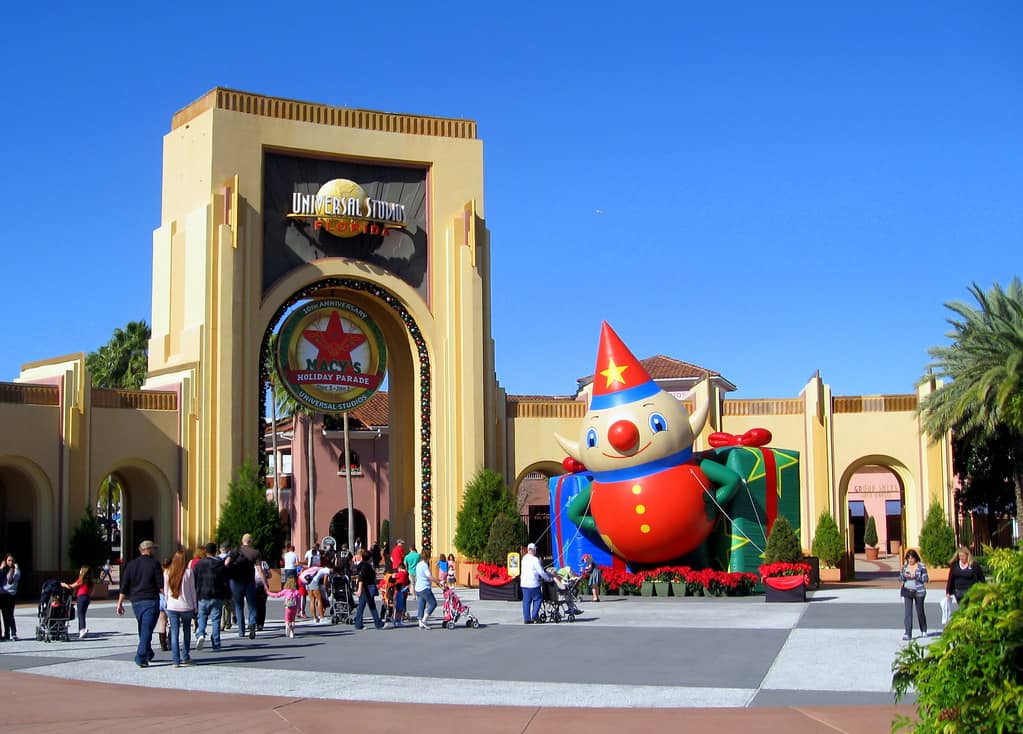
Universal Orlando's Epic Universe, the most ambitious theme park to open in Central Florida in a generation, is reshaping the region's tourism economy more than a year after it debuted. The park has lifted attendance across Universal's resort, encouraged higher guest spending and longer stays, and changed the way crowds flow through one of the world's busiest vacation destinations. For Orlando, a metropolitan area built on tourism, the ripple effects reach far beyond the park gates.
Epic Universe was recognized among Time's World's Greatest Places for 2026, a nod to its cultural impact and to the scale of Universal's bet on Central Florida. The park's arrival expanded Universal Orlando from a two park resort into a three park destination, a structural change that altered the competitive landscape and prompted even rival Walt Disney World to adjust its message to travelers.
A new anchor for Central Florida tourism
Epic Universe added a major new draw to a market that already includes Walt Disney World, SeaWorld, Busch Gardens in nearby Tampa and Universal's existing parks. By giving visitors another marquee reason to come to Orlando, the park has helped lift overall attendance across Universal's resort and has encouraged travelers to extend their trips to fit more into a single vacation.
Longer stays matter for the regional economy. When visitors add days to their trips, they spend more on hotels, dining, transportation and retail, spreading tourism dollars across a wide network of businesses. Industry observers note that the park has generated higher guest spending and lengthened the typical visit, outcomes that benefit not just Universal but the broader hospitality sector that depends on theme park traffic.
The expansion also supports employment. Universal Orlando is one of the largest employers in Central Florida, and a new park adds jobs in operations, hospitality, food service and entertainment. The economic footprint of a destination resort extends to the surrounding community through wages, vendor contracts and the businesses that serve both workers and tourists.
How the crowds have shifted
One of the most striking effects of Epic Universe has been on how visitors move through Universal Orlando. With three parks instead of two, the resort now behaves like a redistributed system rather than the simpler pattern that prevailed before. Crowds spread differently across the week and across the parks, changing wait times and the rhythms of a typical visit.
Pricing has played a role in shaping those patterns. Single day tickets to Epic Universe are most expensive on weekends, which has pushed some budget conscious visitors toward less expensive weekdays. The result has been a counterintuitive dynamic in which certain weekend days have seen lower average wait times, as price sensitive travelers seek out cheaper dates and crowds redistribute accordingly.
For visitors planning a trip, the new math means that the old assumptions about when to visit may no longer hold. The interplay of ticket pricing, multi day passes and the addition of a third gate has changed the calculus of crowd avoidance, and savvy travelers are adjusting their plans to take advantage of the shifts.
The competitive response
The arrival of a third Universal park did not go unnoticed by Walt Disney World, the region's dominant tourism brand. Disney initially braced for disruption from Epic Universe, but the company has signaled that the biggest impact may already be fading, with its bookings pacing up strongly. The episode illustrates how a single major attraction can move the entire Central Florida market.
Competition among the region's parks has historically benefited visitors by spurring investment in new rides, lands and experiences. Epic Universe raised the bar, and the response from rivals tends to accelerate the cycle of reinvestment that keeps Orlando at the center of the global theme park industry. For travelers, that competition can mean more choices and more reasons to visit.
The dynamic also underscores how interconnected the region's tourism businesses are. A new park at one resort can shift demand, pricing and marketing across the entire market, affecting hotels, restaurants and attractions that are not directly tied to either company. The health of Central Florida tourism rests on the combined pull of all these destinations.
What it means for Florida
Tourism is one of Florida's most important economic engines, and Central Florida is its theme park capital. The success of a major new attraction like Epic Universe reverberates through state and local tax revenue, employment and the broader hospitality industry that millions of Floridians depend on for their livelihoods.
Theme park strength also supports infrastructure and investment across the Orlando region, from hotels and convention business to the airport and transportation networks that move tens of millions of visitors each year. When the parks thrive, the surrounding economy tends to follow, and Epic Universe has given the region a fresh growth catalyst.
For Florida residents, the picture is mixed but largely positive. A thriving tourism sector supports jobs and tax revenue that fund public services, though it also brings crowds, traffic and pressure on housing in popular areas. Locals who visit the parks face the same shifting crowd patterns as out of state tourists and can benefit from understanding the new dynamics when planning their own visits.
A bet years in the making
Epic Universe represents one of the largest investments in the history of the theme park industry, the product of years of planning and construction. Building an entirely new park, as opposed to adding a land or attraction to an existing one, is a rare and enormous undertaking, and Universal's decision to do so reflected confidence in the long term growth of the Orlando market and in its ability to compete at the highest level.
The park was designed around immersive, heavily themed environments intended to draw visitors who might otherwise spend their entire vacation at a competitor. By offering a distinct and ambitious experience, Universal aimed not just to capture a share of existing tourists but to expand the overall market, giving travelers a new reason to choose Orlando and to extend their stays once they arrived.
That strategy appears to be bearing fruit, with the park lifting attendance and spending across Universal's resort and prompting longer visits. The early returns validate the scale of the investment, though the theme park business is competitive and cyclical, and sustaining momentum requires continued reinvestment and fresh attractions to keep visitors coming back.
Pressures that come with growth
The success of Epic Universe and the broader strength of Orlando tourism bring challenges alongside benefits. Surging visitor numbers strain infrastructure, from highways and the airport to hotels and local services. Managing the flow of millions of additional guests requires investment in the systems that support tourism, and the region's ability to keep pace affects the visitor experience.
Housing is another pressure point. A thriving tourism economy depends on a large workforce, and the cost and availability of housing for hospitality workers has become a significant issue in Central Florida. The same growth that fuels the region's prosperity can drive up living costs, creating tension between economic expansion and affordability for the people who make the industry run.
For local residents, the effects are mixed. A strong tourism sector supports jobs, tax revenue and amenities, but it also brings traffic, crowds and competition for housing and services. Balancing the benefits of a booming visitor economy against its costs is an ongoing challenge for Central Florida communities, one that grows more pressing as attractions like Epic Universe draw ever larger crowds.
Looking ahead
Epic Universe is trending busier in 2026 than during its quieter debut period, as multi day tickets increasingly include the new park and as word of mouth builds. That trajectory suggests the park's influence on the regional market will continue to grow, reinforcing Orlando's position as a top global destination.
For the broader Central Florida tourism economy, the key questions are about sustainability and balance: whether the region can absorb growing crowds, how pricing will evolve, and how the competitive cycle among the major resorts plays out. Each park's investment decisions ripple across the market, and the next round of expansions will shape the visitor experience for years.
For now, Epic Universe stands as a case study in how a single major attraction can reshape an entire tourism region. It has lifted attendance, lengthened stays, redrawn the crowd map and pushed competitors to respond, cementing Central Florida's status as the heart of the theme park world and giving Florida's tourism economy a powerful new anchor.
The longer term significance of Epic Universe may lie in how it reshapes expectations for the entire industry. By raising the bar for immersion, scale and ambition, the park pressures competitors to respond, and that competitive cycle tends to benefit visitors through continued investment in new experiences. Orlando's standing as a global destination rests on this ongoing one upmanship, and Epic Universe has injected fresh energy into it.
For Florida's broader economy, the health of the theme park sector is a bellwether. Tourism generates enormous tax revenue that helps fund public services across the state, supports hundreds of thousands of jobs, and sustains the network of hotels, restaurants and attractions that depend on visitor traffic. A thriving flagship park strengthens that entire ecosystem, with effects that reach well beyond the boundaries of any single resort.
As the park settles into its role and its influence on crowd patterns and spending becomes clearer, both the industry and policymakers will watch how Central Florida absorbs the growth. Managing the benefits and pressures of a booming tourism economy is a defining challenge for the region, and Epic Universe has made that challenge larger and more consequential. The park stands as both an achievement and a test, a symbol of Orlando's enduring appeal and of the work required to sustain it.
Spotted an issue with this article?
Have something to say about this story?
Write a letter to the editor