Fed Expected to Hold Rates Again as Mortgage Costs Climb, Squeezing Florida Homebuyers
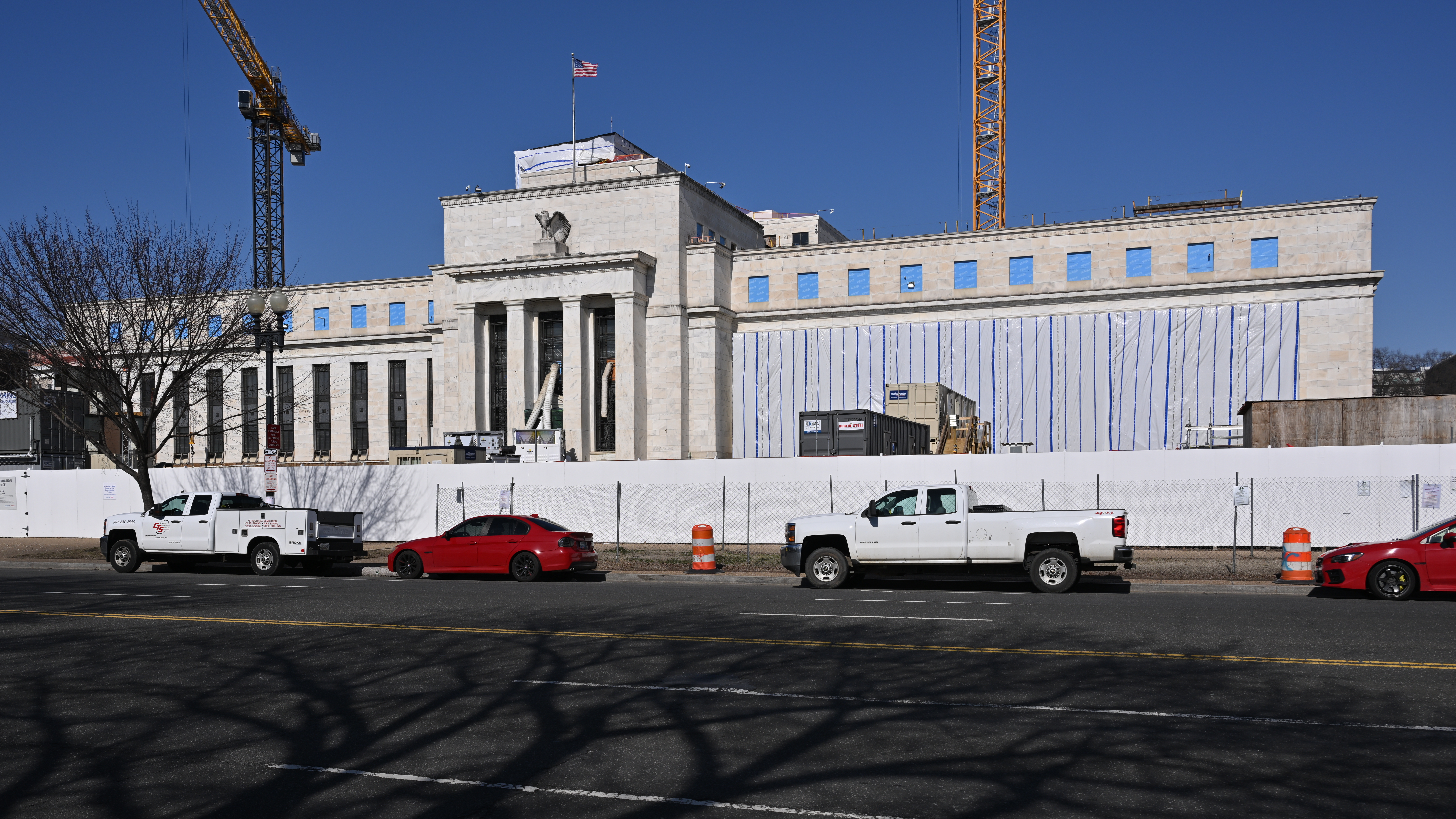
The Federal Reserve is widely expected to leave interest rates unchanged when it meets on June 16 and 17, 2026, extending a pause that has now lasted months even as mortgage rates have crept higher. For Florida homebuyers already grappling with elevated home prices, insurance costs, and association fees, the persistence of borrowing costs near recent highs adds another layer of pressure to an affordability picture that remains stretched.
What the Fed is likely to do
According to market expectations, the Federal Reserve is almost certain to hold its benchmark rate steady at its mid-June meeting, with futures markets pricing in an overwhelming likelihood of no change. The federal funds rate currently sits in a range of 3.50 to 3.75 percent, and the central bank has not cut rates since December 2025.
The Fed's caution reflects a balancing act. Inflation has cooled but has not fully returned to the central bank's target, while the job market has remained relatively strong. Those conditions have given policymakers little reason to cut rates, and most observers do not expect reductions in the near term.
The decision to hold steady continues a pattern of patience as the Fed waits for clearer evidence that inflation is sustainably under control. For borrowers hoping for relief, the message has been that lower rates are not imminent.
Mortgage rates move independently
A key point that often confuses borrowers is that the Fed does not directly set mortgage rates. Even with the central bank holding its benchmark steady, mortgage rates have been rising. The average 30-year mortgage rate stood at about 6.48 percent in early June, and borrowing costs have generally increased in recent months despite the Fed's pause.
Mortgage rates are influenced by a range of factors, including the bond market, investor expectations, and broader economic conditions, not solely by the Fed's benchmark rate. That distinction means homebuyers cannot count on a Fed pause to translate into stable or falling mortgage costs.
The recent upward drift in mortgage rates has reversed some of the relief borrowers might have anticipated, keeping monthly payments high. For prospective buyers, the cost of financing a home remains a significant hurdle even as home-price growth has moderated.
What it means for Florida
Florida's housing market has moved toward balance, with prices rising only modestly and inventory tightening, but affordability remains a central challenge. Mortgage rates near 6.5 percent keep monthly payments elevated, and in Florida those payments come on top of property insurance premiums and, in many communities, homeowners association fees that add substantially to the cost of ownership.
For first-time buyers and families relocating within the state, the combination of borrowing costs and Florida-specific expenses can put homeownership out of reach or force difficult trade-offs. The persistence of high mortgage rates means that even as home prices stabilize, the all-in cost of buying remains daunting for many.
The dynamic also affects the supply of homes for sale. Homeowners who locked in lower mortgage rates in earlier years have little incentive to sell and rebuy at today's rates, contributing to the tight inventory that has characterized the Florida market. That lock-in effect ties the rate environment directly to the availability of homes.
The broader economic context
The Fed's posture reflects its dual mandate of controlling inflation and supporting employment. With the labor market holding up and inflation still above target, the central bank has prioritized caution over stimulus, accepting higher borrowing costs as the price of bringing inflation down.
For Florida, an economy shaped by tourism, real estate, construction, and a steady flow of new residents, interest rates ripple through many sectors. Higher borrowing costs affect not only homebuyers but also businesses, developers, and consumers carrying debt, influencing the pace of economic activity across the state.
The timing of any eventual rate cuts will be closely watched, as a shift in the Fed's stance could ease mortgage and borrowing costs over time. For now, the central bank's signals point to continued patience rather than imminent relief.
Advice in a high-rate environment
For Floridians weighing a home purchase, the current environment calls for careful budgeting that accounts for the full cost of ownership, including insurance and association fees alongside the mortgage payment. The headline price of a home tells only part of the story in Florida's market.
Some buyers may consider strategies such as shopping multiple lenders, since mortgage rates can vary, or weighing the timing of a purchase against their own financial readiness rather than trying to predict rate movements. Financial advisors generally caution against attempting to time the market precisely, given the unpredictability of rates.
For those who can afford to wait, the question is whether rates and prices will become more favorable, an uncertain bet given the Fed's signals and the independent behavior of mortgage rates. For those ready to buy, the balanced market offers more negotiating room than in recent boom years, even with financing costs high.
The path to potential rate cuts
The question on many borrowers' minds is when the Federal Reserve might begin cutting rates, a move that could eventually ease borrowing costs. The central bank has signaled that it is waiting for clearer evidence that inflation is sustainably returning to its target before easing, and with the job market still relatively strong, policymakers have felt little urgency to act.
The Fed watches a range of indicators in making its decisions, including measures of inflation, employment, wage growth, and broader economic activity. Until those data points align in a way that gives policymakers confidence that inflation is under control, the central bank is likely to maintain its cautious posture, holding rates steady rather than cutting.
For borrowers, the timing matters because the Fed's benchmark influences a wide array of interest rates over time. While the Fed does not set mortgage rates directly, a shift toward cutting could contribute to a more favorable environment for borrowing across the economy, even if mortgage rates respond imperfectly to the central bank's moves.
Most experts have not anticipated imminent cuts, suggesting that borrowers should not count on near-term relief. The combination of cooling but persistent inflation and a resilient labor market has kept the Fed in a holding pattern, and the path forward depends on how those conditions evolve in the coming months.
For Florida's economy, the eventual direction of rates carries broad implications. Lower rates would ease costs for homebuyers, businesses, and consumers alike, while a prolonged pause keeps borrowing expensive. The uncertainty surrounding the timing makes the Fed's communications a closely watched signal for the state's interest-rate-sensitive sectors.
How rates ripple through Florida's economy
The effects of elevated interest rates extend well beyond home mortgages. Florida's construction industry, a significant employer and a barometer of the state's growth, feels the impact through higher borrowing costs for developers and builders. When financing is expensive, some projects are delayed or scaled back, which can affect both housing supply and construction jobs.
Tourism and hospitality, central to Florida's economy, are likewise sensitive to the broader interest-rate environment. Higher borrowing costs and the cooling measures the Fed has pursued to tame inflation influence consumer spending power, which in turn affects travel, dining, and the discretionary purchases that drive much of the state's visitor economy.
Small businesses across Florida also navigate the high-rate environment, facing steeper costs to borrow for expansion, equipment, or working capital. For entrepreneurs and established firms alike, the cost of credit shapes decisions about hiring and investment, linking the Fed's posture to the health of Main Street as well as Wall Street.
Consumers carrying credit-card balances and other variable-rate debt feel the squeeze directly, as higher benchmark rates translate into higher interest charges. For Florida households already managing elevated housing and insurance costs, the combined burden of borrowing costs can strain budgets and shape spending patterns across the state.
What's next
The Fed's decision on June 16 and 17 will be closely parsed not only for the rate itself, which is expected to hold, but for any signals about the path ahead. Commentary from policymakers about inflation and the economy will shape expectations for when, or whether, cuts might come later in the year.
For Florida's housing market, the interplay of Fed policy, mortgage rates, insurance costs, and inventory will continue to define affordability. Until borrowing costs ease, the state's homebuyers face a market that has stabilized on price but remains expensive to finance, a combination that keeps the dream of homeownership challenging for many.
Spotted an issue with this article?
Have something to say about this story?
Write a letter to the editor