Fed Holds Rates Steady Again, Keeping Pressure on Florida's Housing Market
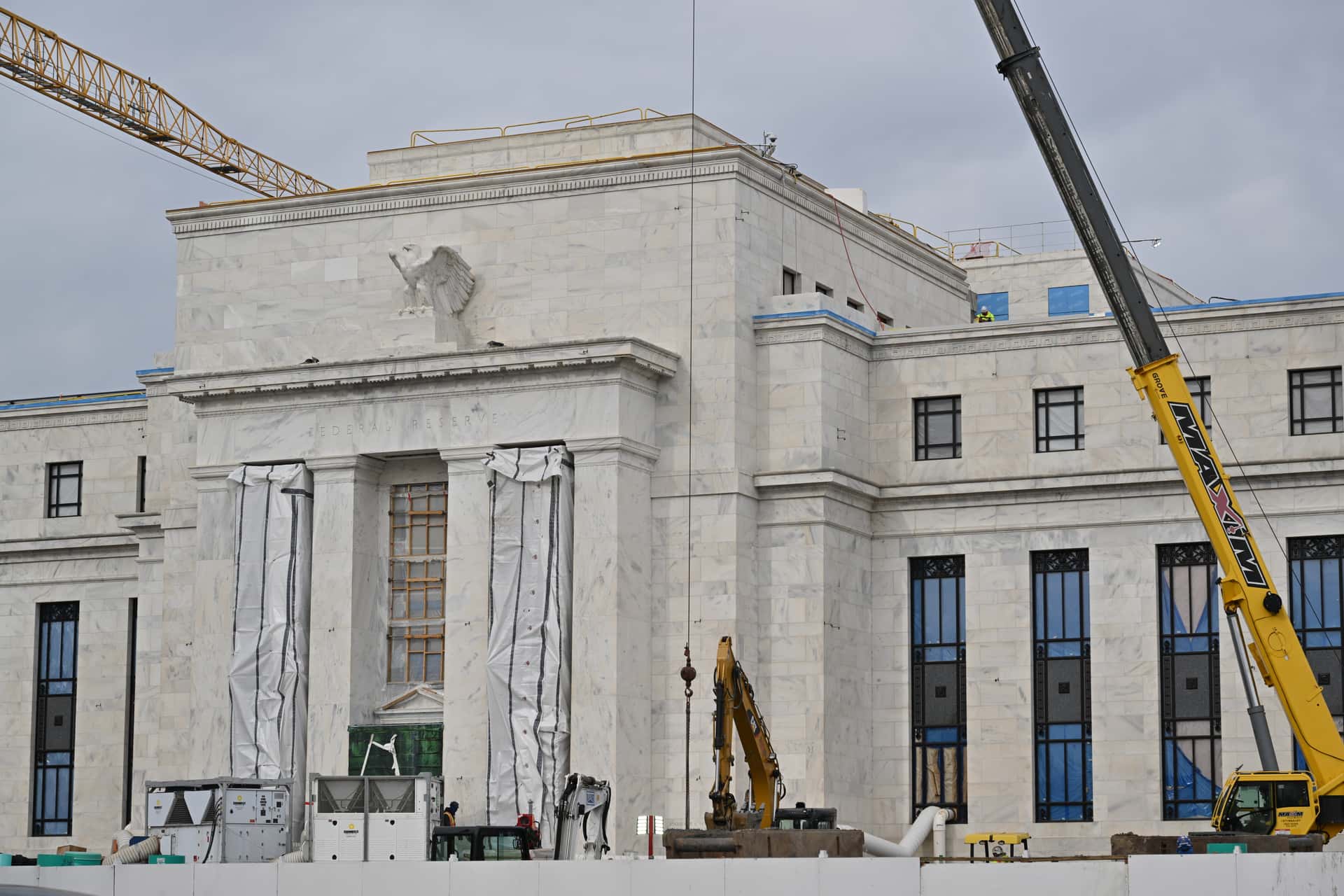
The Federal Reserve held interest rates steady again on June 17, 2026, with the Federal Open Market Committee voting 12-0 to keep the federal funds rate in a range of 3.50% to 3.75%. It was the fourth consecutive meeting at that level, and it marked the first session led by Kevin Warsh as Federal Reserve chairman. For Florida, where the housing market sits at the center of the state's economy, the decision means borrowing costs that have already strained affordability will remain elevated through the heart of the summer buying season.
The hold extends a stretch of policy patience that has kept mortgage rates near the higher levels Florida buyers have faced for months. With the central bank signaling that it is in no hurry to lower rates, prospective homebuyers and the industries that depend on them, from real estate brokerages to homebuilders, are left to plan around a cost of borrowing that is not easing in the near term. The decision also lands in a state where high insurance costs already weigh heavily on housing budgets, compounding the pressure that rates create.
Beyond the rate decision itself, the meeting carried added significance as Warsh's debut at the helm of the Fed. The new chairman used the occasion to outline a series of reviews of the central bank's practices, signaling that changes to how the Fed operates and communicates may be coming even as the immediate policy stance held firm. For Florida borrowers, the combination of a steady rate and a leadership transition frames the questions hanging over the months ahead.
The Decision and the Vote
The FOMC's 12-0 vote to hold the federal funds rate at 3.50% to 3.75% was unanimous, reflecting a committee aligned on keeping policy unchanged for the time being. The decision kept rates at a level the Fed has now maintained across four straight meetings, a sign of how durable the central bank's wait-and-see posture has become.
Holding rates steady means the Fed is neither tightening nor loosening, a stance that signals it sees the current setting as appropriate while it assesses the path of the economy and inflation. For markets and borrowers alike, the consistency removes near-term surprises but also forecloses the relief that a rate cut would bring to those carrying or seeking new loans.
The unanimous vote does not, however, mean unanimity about the future. The committee's projections revealed meaningful differences among participants over where rates should go next, a divergence that becomes important when reading the signal beneath the steady headline decision. The hold reflects agreement on the present even as members disagree about what comes after.
The decision to hold for a fourth straight meeting also speaks to how the Fed reads the risks on either side. Lowering rates would offer relief to borrowers but could risk reigniting price pressures the central bank has yet to bring back to its target. Raising them would lean harder against inflation but would weigh on growth and on the interest-sensitive corners of the economy. Standing pat lets the committee avoid committing to either risk while it waits for the data to clarify which way the balance is tipping.
A New Chairman's First Meeting
The June meeting was Kevin Warsh's first as chairman of the Federal Reserve, giving the session weight beyond the rate decision. New leadership at the central bank often raises questions about whether the institution's approach will shift, and Warsh moved quickly to signal that he intends to examine how the Fed does its work.
Warsh said he will create five task forces to review key areas of Fed policy: communications, the balance sheet, reliance on data sources, productivity and jobs, and the inflation framework. The breadth of those reviews touches on much of how the central bank sets and explains policy, from the tools it uses to manage its holdings to the way it interprets economic data and talks to the public.
The reviews suggest that even as the immediate policy stance held steady, the underlying machinery of Fed decision-making may be in for reassessment under the new chairman. For observers in Florida and elsewhere trying to anticipate the central bank's path, the task forces add a layer of uncertainty about how the Fed will operate and communicate in the months and years ahead.
The Economic Backdrop
The Fed framed its decision against an economy it described as expanding at a solid pace, even amid elevated uncertainty. Among the sources of that uncertainty, the central bank pointed in part to the conflict in the Middle East, a development whose effects have rippled outward into prices that touch households well beyond the region.
Inflation, the Fed said, remains elevated relative to its 2% goal, partly reflecting energy supply shocks. Those shocks tie the global situation directly to everyday costs, including the price of energy, and they help explain why the central bank has been reluctant to lower rates even as it judges the broader economy to be growing steadily.
That combination, solid growth alongside stubborn inflation driven in part by energy, is the puzzle the Fed is navigating. Cutting rates too soon risks letting inflation run hotter, while keeping rates high weighs on interest-sensitive sectors. The central bank's decision to hold reflects its attempt to balance those competing pressures while it waits for a clearer picture.
Energy-driven inflation is also harder for monetary policy to address directly, which complicates the Fed's task. When prices rise because of supply disruptions abroad rather than excess demand at home, higher interest rates do little to fix the underlying cause. The central bank must instead weigh how much of the current inflation reflects forces it can influence versus shocks it can only wait out, a judgment that helps explain its cautious, hold-and-watch posture this summer.
Where Rates May Go Next
The committee's projections offered a more hawkish signal than the steady decision alone might suggest. The median projection for the federal funds rate at the end of 2026 rose to 3.8%, up from 3.4% in March. That upward revision points to the possibility of at least one rate hike before the year is out, a notable shift in expectations.
Beneath the median, participants were divided. Eight expected no change in rates, one anticipated a cut, and nine projected at least one hike. That split shows a committee leaning toward the prospect of higher rates rather than lower ones, even as a unanimous vote held policy steady for the moment.
For borrowers, the message is that relief is not on the immediate horizon and that rates could even move higher. The gap between the unanimous hold and the divided, somewhat hawkish projections is where the real signal lies: the Fed is steady now but tilting away from the cuts that would ease borrowing costs, a stance with direct consequences for anyone planning to finance a home.
The Squeeze on Florida Housing
Few places feel the weight of high rates as acutely as Florida, where real estate and construction make up a large share of the economy. Mortgage rates that track the Fed's elevated policy stance raise the monthly cost of buying a home, pricing some would-be buyers out of the market and slowing the transactions that brokerages, builders, and related businesses depend on.
The rate pressure does not act alone in Florida. The state's homeowners contend with high insurance costs that already strain housing budgets, and when steep insurance premiums combine with elevated mortgage rates, the total cost of owning a home climbs from two directions at once. That combination makes affordability a particularly sharp problem in Florida compared with states where insurance is less of a burden.
The energy supply shocks the Fed cited add yet another Florida connection. The same disruptions tied to the conflict in the Middle East have helped push up gas prices that Florida drivers pay, linking the global picture to household budgets across the state. For many Florida families, the squeeze shows up in both the cost of financing a home and the cost of filling a tank.
The slowdown ripples through an industry that employs a large share of the state's workforce. When higher rates cool home sales, the effects reach beyond buyers and sellers to the builders, contractors, lenders, agents, and suppliers whose livelihoods depend on a steady flow of transactions. In a state where construction and real estate carry outsized economic weight, a prolonged stretch of elevated borrowing costs is felt not only at the closing table but across the broad network of businesses that the housing market supports.
What's Next
As the most recent Fed decision, the June 17 hold sets the backdrop for Florida borrowers heading into the rest of the summer. With rates steady at 3.50% to 3.75% and the committee's projections pointing toward the possibility of at least one hike before year's end, those shopping for homes or planning to refinance face a borrowing environment that is unlikely to loosen soon and could tighten further.
The path forward will hinge on how inflation and the economy evolve, particularly the energy-related pressures the Fed highlighted. If those pressures ease, the case for holding or eventually cutting strengthens; if they persist, the hawkish tilt in the projections suggests the central bank could move rates higher, with corresponding effects on Florida mortgage costs.
Warsh's reviews of Fed communications, the balance sheet, data, productivity and jobs, and the inflation framework add a longer-term dimension to watch. While those task forces will not change rates overnight, they could reshape how the central bank sets and explains policy in the future. For now, Florida homebuyers and the state's housing-dependent economy are left to navigate a summer of elevated rates, high insurance costs, and a Fed that has chosen, once again, to wait.
Spotted an issue with this article?
Have something to say about this story?
Write a letter to the editor