Fed Holds Rates Steady and Signals Hikes Ahead, Keeping Pressure on Florida Mortgages
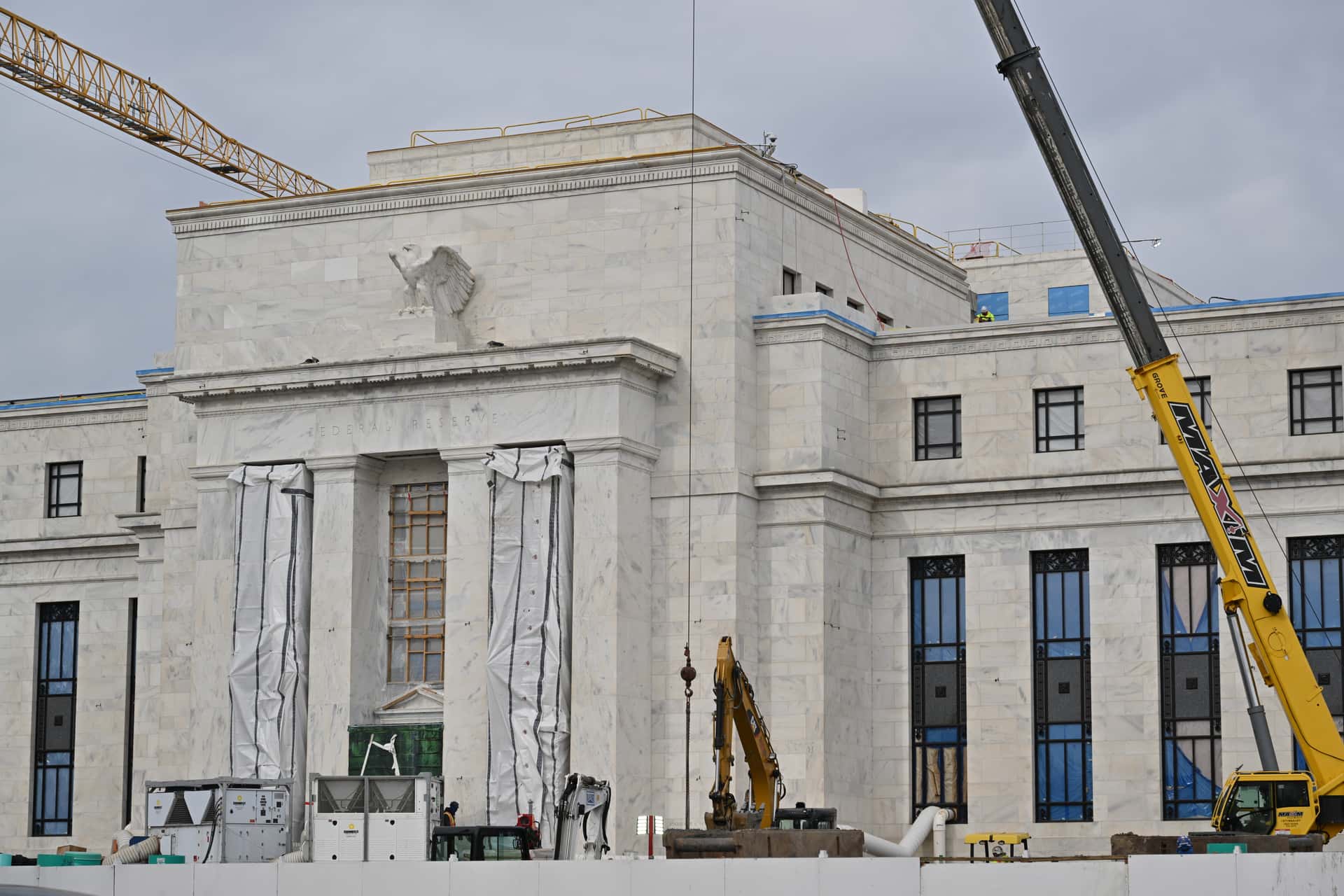
The Federal Reserve held its benchmark interest rate steady at its June meeting and signaled that increases could lie ahead, a decision with direct consequences for Florida's housing market and the many Floridians grappling with the cost of buying a home. The Federal Open Market Committee kept the target range for the federal funds rate at 3.5 to 3.75 percent, marking its fourth consecutive meeting holding the rate steady, while a number of officials raised their projections for where rates might end the year.
The meeting was notable as the first under new Federal Reserve Chairman Kevin Warsh, and the outcome carried a hawkish tone, with the central bank signaling concern about inflation and the possibility of higher rates rather than the cuts that some had hoped for. For Floridians watching mortgage rates and weighing home purchases, the message was that relief on borrowing costs is unlikely in the near term, and that rates could even move higher if the Fed follows through on its signals.
The Federal Reserve's decisions ripple through the economy in ways that are keenly felt in Florida, where the housing market is a major economic force and where affordability has become a central concern. Mortgage rates, which are influenced by the Fed's stance and broader market conditions, determine the monthly cost of buying a home, and the central bank's hawkish posture keeps those costs elevated. The decision thus has tangible implications for Florida households and the state's real estate market.
What the Fed decided
The Federal Open Market Committee voted to maintain the target range for the federal funds rate at 3.5 to 3.75 percent, holding steady for the fourth consecutive meeting. The decision to keep rates unchanged reflected the central bank's assessment of economic conditions and its dual mandate of promoting maximum employment and stable prices. Holding rates steady is a posture the Fed adopts when it judges that current conditions do not warrant a change in either direction.
More significant than the hold itself were the signals about the path ahead. Officials' projections shifted toward higher rates by the end of 2026, with most expecting the benchmark to sit in a range above their previous estimates. That upward revision indicated that the central bank sees the possibility of rate increases rather than the cuts that markets had at times anticipated. Some market participants began to anticipate that a hike could come later in the year.
The hawkish signals reflected the central bank's continued focus on inflation, which it described as a serious concern. The committee's posture suggested that controlling inflation remains its priority, even at the cost of keeping borrowing expensive. The first meeting under the new chairman set a tone of vigilance on prices, a stance that has direct implications for the cost of credit across the economy, including the mortgages that Florida homebuyers depend on.
How it affects mortgages
While the Federal Reserve does not directly set mortgage rates, its decisions and signals heavily influence them through their effect on broader financial markets and inflation expectations. The central bank's hawkish stance and the prospect of higher rates tend to keep mortgage rates elevated, because lenders price loans based in part on expectations about the future path of interest rates and inflation. The Fed's posture therefore translates into continued pressure on the cost of home loans.
Housing experts have indicated that mortgage rates are likely to stay elevated given the inflation concerns driving monetary policy. The expectation is that rates will not retreat significantly in the near future, dashing hopes among prospective buyers for a meaningful drop in borrowing costs. For those who had been waiting for rates to fall before purchasing, the Fed's signals suggest a longer wait or a reassessment of their plans.
Elevated mortgage rates raise the monthly cost of buying a home and reduce the purchasing power of buyers, since a higher rate means a larger share of each payment goes to interest. The effect is to make homes less affordable even when prices hold steady, because the cost of financing rises. In Florida, where home prices have climbed substantially in recent years, the combination of high prices and elevated rates compounds the affordability challenge facing buyers.
The Florida housing context
Florida's housing market has cooled from its pandemic-era frenzy into a more balanced state, with prices holding steady and inventory rebuilding. Elevated mortgage rates have been a central factor in that cooling, tempering demand by raising the cost of buying. The Fed's decision to keep rates high and to signal possible increases reinforces the conditions that have moderated the market, keeping a ceiling on how much buyers can afford to pay.
Affordability has become one of the defining issues in Florida, where rapid population growth and rising prices have strained the ability of many residents to buy homes. The combination of high prices, elevated mortgage rates, and steep insurance costs has pushed the total cost of homeownership to levels that challenge many households. The Fed's stance, by keeping borrowing expensive, is one of the forces shaping that affordability picture.
The interplay between mortgage rates and Florida's housing market is significant because real estate is such a major component of the state's economy. The pace of home sales, construction activity, and the broader health of the housing sector all respond to the cost of financing. The Fed's posture thus influences not just individual buyers but the broader economic activity tied to housing in a state where real estate plays an outsized role.
What it means for Floridians
For Floridians considering buying a home, the Fed's signals suggest that they should not expect relief on mortgage rates in the near term and should plan accordingly. Buyers who had been waiting for lower rates may need to reassess whether to proceed at current rates or to continue waiting, a calculation complicated by uncertainty about where rates will ultimately go. The hawkish stance argues against assuming that rates will fall soon.
Current homeowners with fixed-rate mortgages are insulated from the immediate effects of the Fed's decision, since their rates are locked in, but those with adjustable-rate loans or those considering refinancing face the consequences of elevated rates. The decision also affects other forms of borrowing, including credit cards and other consumer loans, whose rates respond to the Fed's posture. The cost of credit across the board remains a factor for Florida households.
The broader economic implications of the Fed's stance extend to the job market and the overall economy, which affect Floridians regardless of whether they are buying a home. The central bank's efforts to control inflation while supporting employment shape the economic environment in which households make decisions. The June meeting's hawkish signals reflect the central bank's judgment about the balance of risks, a judgment with wide-ranging effects.
The national picture
The Fed's decision is part of its ongoing effort to manage inflation and support the economy, a balancing act that has defined monetary policy in recent years. The central bank raised rates aggressively to combat inflation and has since held them at elevated levels as it assesses whether inflation is sufficiently under control. The June meeting's signals suggest that the Fed is not yet confident enough to ease, and may even consider tightening further.
The transition to a new chairman adds an element of attention to the central bank's direction, as observers assess how leadership shapes policy. The first meeting under the new chairman set a hawkish tone, indicating continuity in the focus on inflation. The central bank's communications and projections provide markets with signals about the likely path of policy, and the June meeting's upward revisions in rate projections were a notable signal.
The national economic context, including inflation, employment, and growth, drives the Fed's decisions, and those decisions in turn shape conditions across the country, including in Florida. The interconnectedness of monetary policy and the broader economy means that the Fed's stance affects households and markets nationwide. Florida, with its large and dynamic economy, feels those effects acutely, particularly in its housing sector.
What's next
The Federal Reserve will continue to assess economic data as it weighs its next moves, and future meetings will reveal whether the central bank follows through on its signals about possible rate increases. Markets and households will watch the incoming data on inflation and employment for clues about the Fed's direction. The possibility of a rate hike later in the year, which some market participants began to anticipate, will depend on how conditions evolve.
For Florida's housing market, the trajectory of mortgage rates will be a key variable in the months ahead. If rates remain elevated or rise, the affordability pressures that have cooled the market are likely to persist, keeping the market in its current balanced state. A shift in the Fed's posture, were inflation to ease enough to permit cuts, could change the picture, but the June signals pointed away from that outcome in the near term.
Floridians navigating the housing market will need to make decisions in an environment of elevated borrowing costs and uncertainty about the future path of rates. The Fed's hawkish stance underscores that the era of low mortgage rates is not returning soon, a reality that shapes the choices facing buyers, sellers, and the broader real estate market. The central bank's decisions will continue to be a defining force in Florida's housing landscape.
Spotted an issue with this article?
Have something to say about this story?
Write a letter to the editor