Fed Holds Rates Steady for Third Straight Meeting, Florida Buyers Still Boxed Out
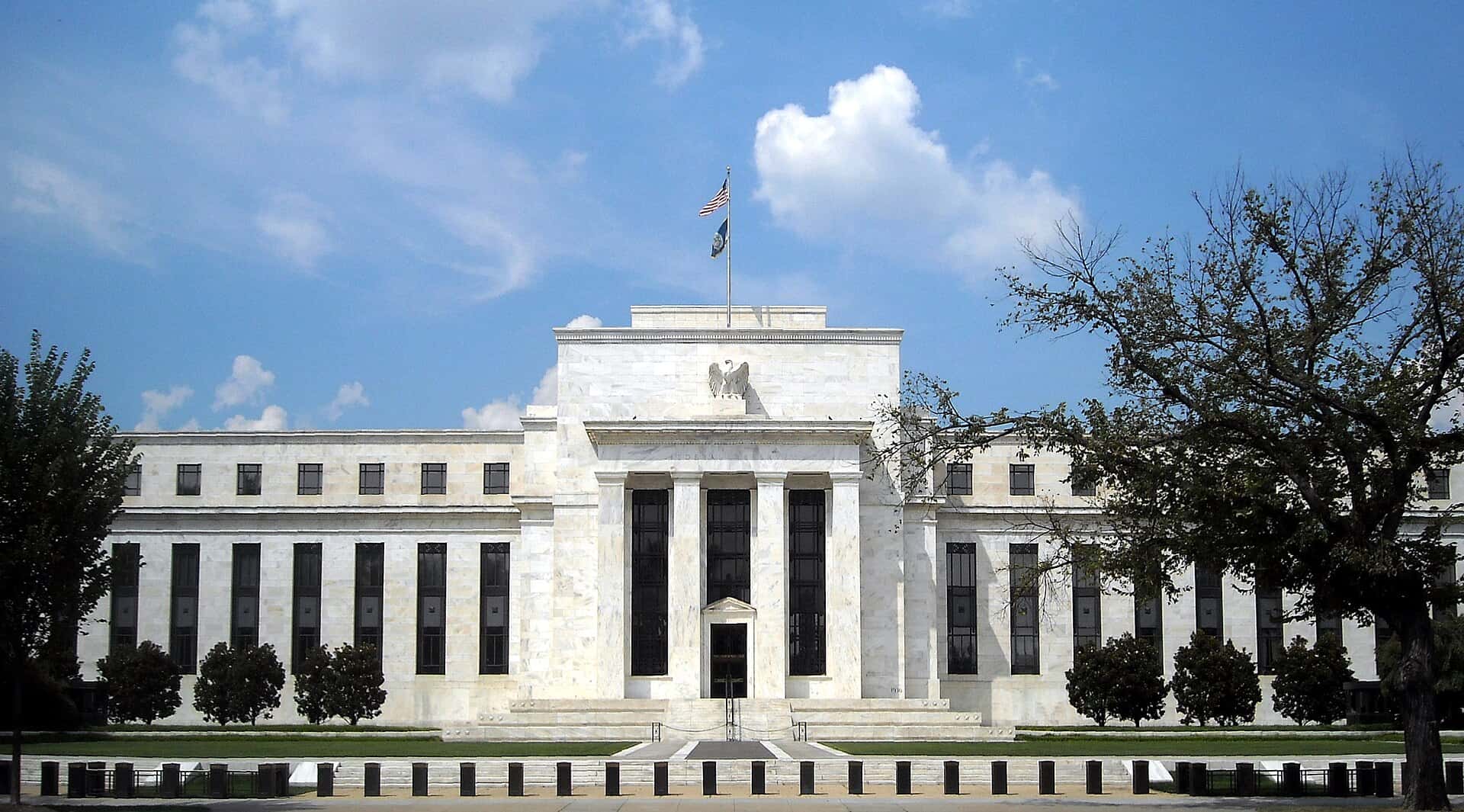
The Federal Reserve voted to keep its benchmark federal funds rate in the 3.5 to 3.75 percent range for the third consecutive policy meeting in May 2026, a decision that leaves Florida homebuyers, sellers, and would-be refinancers staring at the same elevated mortgage environment that has weighed on the state's housing market for the past year. The central bank's hold extends a wait-and-see posture as Fed officials assess inflation, employment, and the durability of the recent slowdown in price pressures.
For Florida, where housing has been one of the defining economic stories of the past five years, the Fed's posture matters more than in many other states. The 30-year fixed mortgage rate continues to average around 6.23 percent, with Fannie Mae projecting roughly 5.9 percent in the second quarter of 2026. Buyers across Miami-Dade, Tampa Bay, Orlando, Jacksonville, and the panhandle markets are doing the same painful math, weighing whether to lock in current rates, wait for a possible decline, or step back from the market entirely.
What the Fed announced
The Federal Open Market Committee voted at its May meeting to maintain the target range for the federal funds rate at 3.5 to 3.75 percent, marking the third consecutive meeting at that level. The committee's accompanying statement cited continued progress on bringing inflation toward the central bank's 2 percent target while emphasizing that the path remains uncertain. The committee's economic projections suggest one or two additional rate moves over the remainder of 2026 are possible, depending on incoming data.
The hold reflects a broader Fed strategy of allowing previous rate increases and reductions to work their way through the economy before making additional adjustments. The federal funds rate sits well below its 2023 peak of 5.25 to 5.5 percent but remains elevated relative to the near-zero rates that prevailed through much of the previous decade. The rate environment has produced sustained pressure on rate-sensitive sectors including housing, autos, and commercial real estate.
The May meeting was notable in part because there is no scheduled Fed policy meeting in the immediate weeks following, removing a near-term catalyst for mortgage rate movement. Bond markets have largely priced in the current Fed posture, and 10-year Treasury yields, the primary benchmark for mortgage rates, have settled into a tight trading range. Mortgage spreads above Treasury yields remain wider than historical averages, contributing to the elevated 30-year rate. The Fed's dot plot, which displays committee members' individual projections for the federal funds rate, suggested a continued gradual path lower over the medium term, though individual members have publicly indicated they could support holding rates steady for an extended period if inflation pressures resurface.
Chair Jerome Powell's post-meeting press conference emphasized the committee's data-dependent posture and noted that uncertainty around the path of inflation and the labor market remains elevated. Powell highlighted the central bank's mandate to balance maximum employment with price stability and characterized the committee's current posture as well positioned to respond to evolving conditions. Market participants generally interpreted the press conference as consistent with prior Fed communication and saw little reason to revise rate-path expectations.
Why this matters for Florida
Florida's housing market has cooled significantly from the post-pandemic frenzy but remains one of the most expensive in the country relative to local incomes. The Miami metropolitan area's median single-family home price sits in the high $600,000s, with condominium prices in many neighborhoods above $400,000. The Tampa Bay region's median has settled in the high $400,000s after the dramatic run-up of 2021 and 2022. Both markets remain well above their pre-pandemic levels even after some recent softening.
The 30-year mortgage rate of roughly 6.23 percent translates into monthly payments that price out a meaningful share of Florida households. A median-priced Miami-Dade home financed with 20 percent down generates a principal-and-interest payment of more than $3,400 per month at current rates, before property taxes, insurance, and homeowner association fees. In the Tampa Bay region, a median-priced home at the same rate produces a payment above $2,500 monthly under similar assumptions.
Florida's notoriously high property insurance costs and rising association fees in condominium markets compound the affordability pressure. Insurance premiums have risen sharply in recent years following a series of major storms and litigation reform debates, and condominium owners face higher reserve and assessment requirements following the post-Surfside structural integrity legislation. Those additional carrying costs interact with mortgage rates to widen the gap between sticker price and total monthly cost of ownership.
Reaction from Florida real estate professionals
Florida Realtors, the state's professional association of real estate agents, has consistently flagged affordability as the dominant constraint on the state's housing market over the past two years. The association's monthly market reports have shown declining transaction volume in several major metros even as inventory has slowly rebuilt from the pandemic-era lows. Buyer activity has shifted toward the lower end of each market, with luxury segments showing the most pronounced slowdowns.
Mortgage brokers and loan officers in major Florida markets report that buyers are pursuing a mix of strategies to manage the rate environment. Adjustable-rate mortgages, while still a relatively small share of overall originations, have ticked up. Rate buy-downs, where sellers or builders contribute to lower the buyer's initial rate, have become a standard feature of new construction transactions. Some buyers are choosing larger down payments to reduce the financed amount and bring monthly payments to manageable levels.
Builders operating in Florida have responded to the rate environment with sustained incentives and pricing flexibility. National homebuilders with significant Florida operations have reported that incentives, including rate buy-downs and closing cost contributions, are running at elevated levels and are critical to maintaining sales pace. Some builders have shifted product mix toward smaller homes and townhouses to reach buyers at price points the higher rate environment will support.
Broader context
The Federal Reserve's rate path over the past four years has been one of the most dramatic in the central bank's modern history. The benchmark rate was pinned near zero through the early pandemic period, then was raised at one of the fastest paces on record through 2022 and 2023 to combat the worst inflation in four decades. The Fed began cutting rates in late 2024 as inflation eased, bringing the benchmark to its current 3.5 to 3.75 percent range.
Inflation, measured by the personal consumption expenditures price index that the Fed prefers, has trended close to but slightly above the central bank's 2 percent target through early 2026. Core inflation, which excludes food and energy prices, has been somewhat stickier and has been a focus of the committee's deliberations. The labor market has remained relatively healthy, with unemployment hovering in the low to mid 4 percent range and wage growth moderating from earlier pandemic-era peaks.
The relationship between the federal funds rate and the 30-year mortgage rate is indirect. Mortgage rates more closely track the 10-year Treasury yield and the spread between mortgages and Treasuries. That spread has remained unusually wide for the past several years, reflecting reduced demand from major mortgage-backed securities buyers and the Fed's gradual reduction of its own mortgage holdings. Even as the federal funds rate has come down from its peak, mortgage rates have declined more modestly.
The Florida market by region
The Miami-Dade and Broward markets have experienced the sharpest affordability strain among Florida's major metros, with median prices that put homeownership out of reach for the median household income. Condominium markets in particular face the added pressure of rising association fees, structural inspection requirements, and softer demand from international buyers. South Florida real estate brokerages have reported lengthening days-on-market figures and higher rates of price reductions on listed properties.
The Tampa Bay region has shown a similar but somewhat more moderate pattern. Median prices in Hillsborough and Pinellas counties rose dramatically through 2022 and have since settled into a more balanced market. Buyers from out of state, who drove much of the pandemic-era surge, have moderated their demand, and the local buyer pool faces the same rate-driven affordability questions as elsewhere. New construction in suburban Hillsborough and Pasco counties remains a significant share of total transactions.
Central Florida markets including Orlando have weathered the rate environment with somewhat more resilience, supported by population growth tied to job opportunities at the major theme park employers, the medical sector, and ongoing in-migration. The Jacksonville and First Coast markets have benefited from relatively lower price points and continued growth in logistics, healthcare, and financial services employment. Panhandle markets including Pensacola and Panama City have remained tied to military, retiree, and tourism-driven demand, with relative affordability that has cushioned the rate impact compared with the state's larger metros.
The condominium market across Florida deserves separate attention because of the layered effect of the Surfside-related safety reforms. Following the Champlain Towers South collapse in 2021, the state enacted requirements for milestone inspections, structural integrity reserve studies, and minimum reserve funding for condominium associations. Older buildings in particular have faced significant assessments to fund newly required reserves and to address structural conditions identified through inspections. Those assessments interact with mortgage rates to widen the gap between sticker price and total monthly cost of ownership, particularly in coastal condominium markets across South Florida, the Tampa Bay region, and the panhandle.
What is next
The Federal Reserve's next policy meeting is scheduled for the summer, and Fed officials will continue to receive monthly inflation and employment data that will shape the outlook for any additional rate moves. Market participants have priced in the possibility of one or two cuts over the remainder of 2026, but the actual path will depend on the data and the committee's evolving assessment of risks. The Fed's communication has emphasized that decisions will be made meeting by meeting.
For the housing market, the trajectory of mortgage rates will depend on a combination of the Fed's path, the spread between Treasuries and mortgages, and broader financial market conditions. Fannie Mae and Mortgage Bankers Association forecasts published in recent weeks anticipate a slow decline in the 30-year rate through the remainder of 2026, with some forecasts suggesting rates could approach the high 5 percent range by year-end if inflation continues to moderate and spreads compress somewhat.
For Florida buyers, sellers, and the broader real estate economy, the patience-and-wait dynamic looks likely to continue through the summer selling season. Sellers face the question of whether to accept current pricing or hold for better conditions, buyers face the question of whether to act now or wait for a possible rate decline, and the policy environment in Tallahassee on insurance, condominium reform, and property taxes remains in flux. The Florida housing story will continue to be shaped by federal monetary policy and state-level policy decisions in roughly equal measure for the rest of the year.
Spotted an issue with this article?
Have something to say about this story?
Write us a letterComments
No comments yet. Be the first to weigh in.
Related Coverage

Ex-CIA official pleads guilty in $194 million fraud, will forfeit $102 million in Palm Beach and Hobe Sound real estate
38m ago

11th Circuit voids septic permit ban in Indian River Lagoon manatee case after federal 'harm' rule rollback
38m ago

Trump ties disaster aid to midterm campaign as Hurricane Isaias nears Florida Panhandle
19h ago

Trump Backs Camp David-Style Presidential Retreat at His West Palm Beach Golf Club on County Land
20h ago